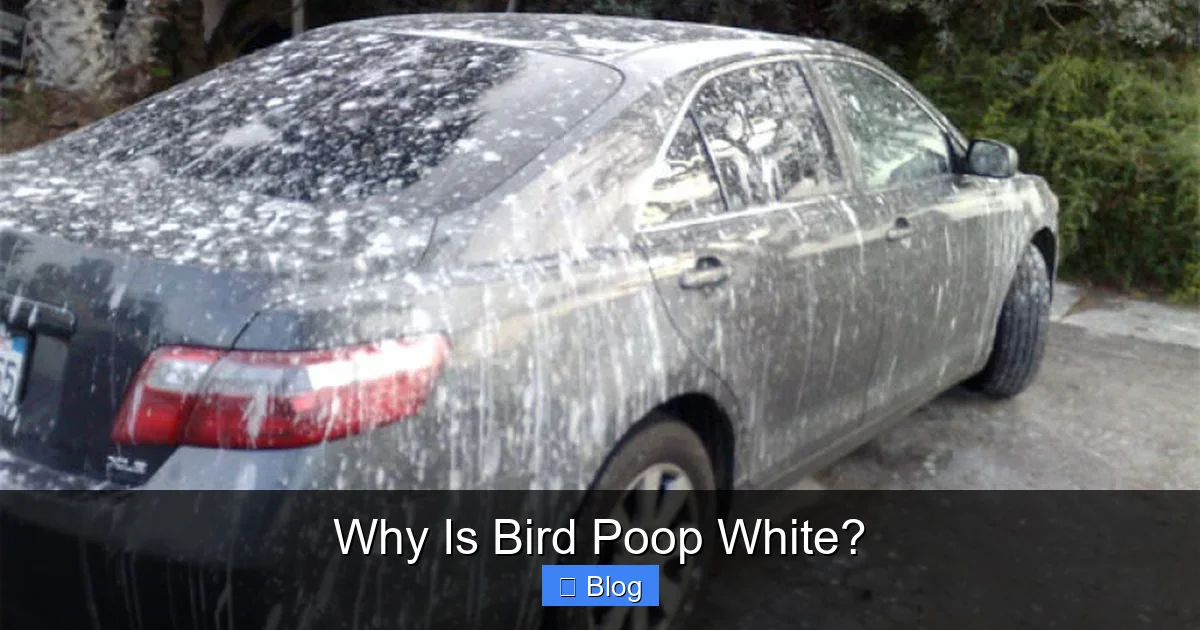
Have you ever looked closely at bird droppings and wondered, “Why is bird poop white?” It’s a common sight, but the answer lies in a fascinating biological adaptation. Unlike mammals, birds don’t produce liquid urine. Instead, they excrete nitrogenous waste primarily as uric acid, which is a white, pasty substance that helps them conserve water and maintain light body weight for flight. This article delves into the unique avian excretory system, explaining the science behind the white, dark, and clear components of bird droppings.
Why Is Bird Poop White?
We’ve all seen it: a splotch of white, often with a darker center, marring our car, patio, or even our favorite park bench. It’s an undeniable part of urban and natural landscapes alike, a fleeting signature left by our feathered friends. But have you ever paused to truly consider this common sight and ask yourself, “Why is bird poop white?” It’s a question that often sparks curiosity, hinting at a fascinating biological secret hidden in plain sight.
Far from being a simple, uniform waste product, bird droppings are a testament to the marvels of evolution. They reveal a brilliant adaptation that allows birds to thrive in diverse environments, from scorching deserts to open oceans, and most importantly, enables them to fly. Understanding the composition of bird poop isn’t just about satisfying a quirky curiosity; it’s about appreciating the intricate efficiency of avian biology, a system optimized for lightness and water conservation. Let’s embark on a journey to unravel this white mystery and discover the remarkable science behind what birds leave behind.
Key Takeaways
- Unique Excretory System: Birds excrete waste differently from mammals, combining both digestive and urinary waste into a single expulsion, leading to its distinctive appearance.
- The White Component is Uric Acid: The brilliant white paste in bird droppings is primarily uric acid, which is the avian equivalent of urine. It’s a key adaptation for water conservation and lightweight flight.
- The Dark Component is Fecal Matter: The darker, often solid part of bird droppings is the actual digested food waste, similar to mammalian feces. Its color can vary based on the bird’s diet.
- Water Conservation is Key: Birds convert toxic ammonia into less toxic uric acid, which requires very little water to excrete. This is crucial for survival, especially in arid environments or during long flights.
- Indicative of Health: Changes in the color, consistency, or amount of bird droppings can be important indicators of a bird’s diet, hydration, or overall health status.
- Diet Plays a Major Role: What a bird eats directly influences the color and consistency of the dark fecal matter, while hydration levels can affect the amount of liquid accompanying the uric acid.
Quick Answers to Common Questions
What is the white part of bird poop?
The white part of bird poop is primarily uric acid, which is the avian equivalent of urine. It’s a concentrated, semi-solid form of nitrogenous waste that helps birds conserve water and reduce body weight for flight.
Do birds pee?
Birds do not “pee” in the mammalian sense of producing liquid urine. Instead, their kidneys convert nitrogenous waste into uric acid, which is excreted as a white, pasty substance along with their fecal matter.
Why don’t birds have a bladder?
Birds lack a urinary bladder because carrying a heavy sac of liquid urine would add significant weight, making flight more energetically demanding. Excreting waste as uric acid allows them to avoid this extra weight.
What causes the dark part of bird poop?
The dark part of bird poop is the fecal matter, consisting of undigested food particles from their diet. Its color can vary greatly depending on what the bird has recently eaten, such as seeds, insects, or berries.
Can bird poop tell you about a bird’s health?
Yes, changes in the color, consistency, or amount of bird poop can be important indicators of a bird’s diet, hydration, or overall health. Unusual colors (like bright yellow uric acid) or excessive watery droppings can signal health issues.
📑 Table of Contents
The Avian Excretory System: A Masterclass in Efficiency
To understand why bird poop is white, we first need to appreciate how birds handle their waste. Their bodies are incredible machines, finely tuned for flight and survival. Unlike mammals, which have separate systems for digestive and urinary waste, birds combine these functions into a single, efficient process. This adaptation plays a crucial role in their ability to stay light and conserve water, two vital aspects of avian life.
No Separate Urinary Tracts or Bladders
One of the most significant differences between birds and mammals lies in their excretory anatomy. Mammals have kidneys that produce liquid urine, which is then stored in a urinary bladder before being expelled. Birds, however, lack a bladder. This is a brilliant evolutionary trade-off: bladders are essentially water-filled sacs, and carrying excess water would add considerable weight, making flight more energetically demanding. Instead, birds have kidneys that process waste but then send it directly into the cloaca, a single posterior opening that serves as the exit point for digestive waste (feces), urinary waste, and even eggs or sperm.
The Cloaca: A One-Stop Shop
Think of the cloaca as a versatile “vent.” It’s the final common chamber where the digestive, urinary, and reproductive tracts all empty. When a bird “poops,” it’s actually expelling waste from all three systems simultaneously. This is why bird droppings often appear as a multi-component mixture, unlike the more uniform appearance of mammalian feces or urine. This combined expulsion is key to understanding the three distinct parts we often observe.
The White Stuff: Unpacking Uric Acid
Now, let’s get to the star of our show: the brilliant white component. This isn’t just some random white pigment; it’s the bird’s unique way of dealing with nitrogenous waste, the equivalent of urine in mammals. And it’s called uric acid.
What is Uric Acid?
All animals, including birds and humans, produce nitrogenous waste as a byproduct of protein metabolism. In mammals, this waste is converted into urea, which is soluble in water and excreted as liquid urine. Birds, on the other hand, convert this waste into uric acid. Uric acid is a white, pasty, semi-solid substance that is largely insoluble in water. It looks a bit like chalk or toothpaste when expelled.
The Evolutionary Advantage of Uric Acid
This shift from urea to uric acid is a remarkable evolutionary adaptation, conferring several significant benefits for birds:
- Water Conservation: This is arguably the most critical advantage. To excrete urea, mammals need a significant amount of water to dissolve it and flush it out of the body. Uric acid, being mostly insoluble, requires very little water for its excretion. Birds can excrete uric acid as a concentrated paste, minimizing water loss. This is vital for birds living in arid environments, those on long flights over water, or species that simply don’t have frequent access to freshwater.
- Weight Reduction for Flight: As mentioned earlier, carrying a bladder full of liquid urine would add unnecessary weight, making flight more difficult and energy-intensive. By excreting uric acid as a semi-solid, birds avoid carrying this extra liquid weight. It’s a design choice that prioritizes aerodynamic efficiency.
- Safety During Development: This adaptation isn’t just for adult birds. Embryos developing inside eggs also produce nitrogenous waste. If they produced urea, it would accumulate as a toxic liquid within the egg. Uric acid, however, can be stored safely as a non-toxic solid within the egg until hatching, protecting the developing chick from harmful waste products.
How Does it Look and Feel?
The texture of the white uric acid can vary. It’s usually pasty or chalky, but in some cases, it can be more liquid, especially if the bird is particularly hydrated or has consumed a lot of water-rich food. Conversely, if a bird is dehydrated, the uric acid component might appear even thicker and more concentrated.
The Dark Stuff: The Fecal Matter
While the white uric acid gets most of the attention, there’s usually a darker, more solid component nestled within the white paste. This is the bird’s actual digestive waste – the undigested remnants of their last meal.
What Does the Dark Part Represent?
This darker segment is comparable to the feces produced by mammals. It consists of indigestible food particles, digestive enzymes, and dead cells from the intestinal lining. Just like in other animals, its color, consistency, and volume are highly dependent on the bird’s diet.
Dietary Influences on Fecal Color
The color of the fecal matter can tell you a lot about what a bird has been eating:
- Dark Brown/Black: Often indicates a diet rich in insects, seeds, or berries with dark pigments. Many common garden birds like sparrows, robins, and starlings will produce this color.
- Green: Can suggest a diet heavy in leafy greens, grass, or other plant matter. Pigeons often show green-tinged droppings due to their consumption of vegetation and seeds.
- Red/Purple: A diet of berries like blackberries, mulberries, or cherries can impart these colors. It’s a temporary, harmless color change.
- Yellow/Orange: Less common, but can be seen if a bird has consumed certain fruits or flowers with yellow or orange pigments.
Changes in fecal color can also sometimes signal health issues, but it’s important to consider diet first. If a bird’s diet hasn’t changed but its fecal color has, it might warrant closer observation.
The Clear Stuff: The Liquid Component
Sometimes, especially around the edges of the white uric acid and dark fecal matter, you might notice a thin, clear, watery ring. This is simply excess water.
Why the Extra Liquid?
Even though birds are masters of water conservation, their bodies still process fluids. The kidneys filter blood, and while most water is reabsorbed, some excess water is always present. This additional liquid often accompanies the uric acid paste and fecal matter out of the cloaca. It’s essentially the equivalent of the “water” in mammalian urine, just in a much-reduced quantity and often separated from the solid waste. The amount of this clear liquid can vary significantly depending on the bird’s hydration status, how much water-rich food it has recently eaten (like juicy fruits), or ambient temperature (birds pant to cool down, which can lead to increased water intake).
Beyond the Basics: Factors Influencing Bird Droppings
The basic three-part composition of bird droppings – white uric acid, dark fecal matter, and clear liquid – remains constant. However, their appearance can be quite variable depending on several factors. Understanding these can help you “read” bird poop a little better.
Dietary Impact
As discussed, diet is the primary driver of fecal color. But it also affects consistency. A bird eating a lot of soft fruits might have looser, more watery droppings compared to a seed-eating bird, which might produce firmer droppings. Birds of prey, like owls and hawks, produce “pellets” which are regurgitated indigestible parts (bones, fur) separate from their droppings. Their droppings (mutes) are usually very watery and white due to their high protein diet.
Hydration Levels
A well-hydrated bird, perhaps one that has recently drunk a lot of water or eaten water-rich foods, will likely have more liquid in its droppings. Conversely, a dehydrated bird might have very dry, concentrated uric acid and minimal liquid, which can be a sign of distress.
Species Differences
Different bird species have different diets and metabolic rates, leading to variations in their droppings. For example:
- Pigeons and Doves: Often produce copious, relatively watery droppings that are green, grey, or white.
- Waterfowl (Ducks, Geese): Known for their particularly messy and voluminous droppings due to their high water intake and diet of aquatic plants.
- Seabirds: Many seabirds have specialized salt glands to excrete excess salt, which can sometimes be seen as a clear, salty liquid near their nostrils, separate from their cloacal droppings. Their droppings, known as guano, are often rich in phosphates and nitrates due to their fish-rich diet.
Health Status
Perhaps the most crucial aspect of observing bird droppings is their potential to indicate a bird’s health. Any significant, sudden, or prolonged changes in the appearance of droppings can be a red flag.
Why This Matters: Reading the Droppings and Staying Safe
Understanding why bird poop is white and what its components mean isn’t just for ornithologists. It can be genuinely useful, especially if you observe birds in your garden or care for pet birds.
Signs of a Healthy Bird
Healthy bird droppings generally have a consistent structure for that species – a well-formed white uric acid component, a distinct darker fecal portion, and a small amount of liquid. The colors should be consistent with the bird’s diet. A bird producing droppings with appropriate color and consistency is usually a good sign of overall well-being.
When to Be Concerned: Red Flags
While temporary changes due to diet are normal, persistent or drastic changes can signal health issues:
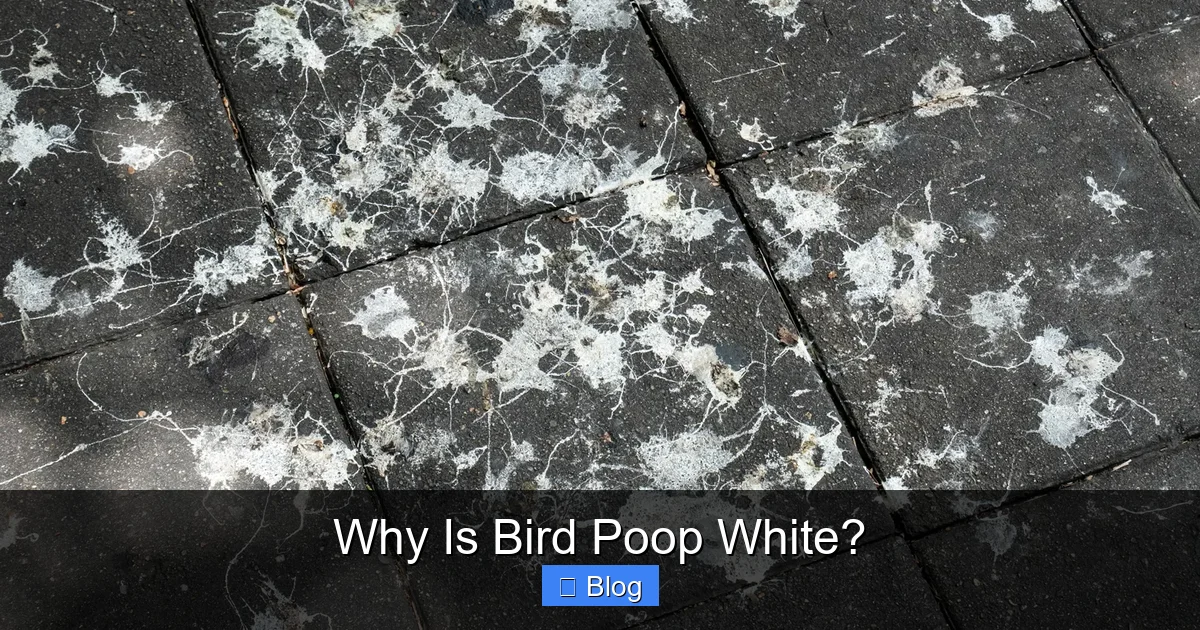
Visual guide about Why Is Bird Poop White?
Image source: cdn.britannica.com
- Excessive Water (Polyuria/Diarrhea): If the droppings are consistently very watery, it could indicate kidney problems, infection, stress, or dehydration.
- Unusual Colors:
- Bright Yellow or Green Uric Acid: Can be a sign of liver disease.
- Bloody Feces: Red streaks or dark, tarry feces can indicate internal bleeding.
- Black Feces (without dietary cause): Could indicate old blood in the digestive tract.
- Undigested Food: If you see whole seeds or large pieces of food in the fecal matter, it suggests poor digestion, which could be due to illness or malabsorption.
- Lack of Droppings: A bird not pooping at all could indicate a blockage or severe illness.
If you observe persistent concerning changes in a pet bird’s droppings, consult an avian veterinarian immediately. For wild birds, such observations are helpful to report to local wildlife rehabilitators if the bird appears distressed.
Cleaning Bird Droppings Safely
Bird droppings can be quite acidic due to the uric acid, which is why they can etch car paint if left too long. They can also carry bacteria like Salmonella or Chlamydophila, and in some regions, fungal spores.
Here are some tips for cleaning them safely:
- Act Fast: The sooner you clean, the easier it is to remove and the less damage it causes.
- Soak It: For stubborn spots on cars or patios, wet the droppings with water (a wet paper towel or spray bottle works) and let it soak for a few minutes to soften.
- Gentle Removal: Carefully scrape or wipe away the softened droppings. Avoid harsh scrubbing on delicate surfaces like car paint, as the gritty uric acid can cause scratches.
- Protective Gear: For larger cleanups, especially in enclosed areas, wear gloves and a mask to avoid inhaling dust or coming into direct contact with pathogens.
- Disinfect: After removal, clean the area with soap and water, and for surfaces like bird feeders or outdoor furniture, you might consider a mild disinfectant.
The seemingly simple act of a bird “pooping” is, in reality, a complex biological process, finely tuned over millions of years of evolution. The white component, uric acid, is not just a random color; it’s a testament to a bird’s incredible adaptations for water conservation and lightweight flight. The dark fecal matter tells stories of their diet, while the liquid component speaks to their hydration. So the next time you spot that familiar white splash, remember the incredible science behind it. It’s a small, fleeting reminder of the wonders of the natural world and the ingenious ways life finds to thrive.
Frequently Asked Questions
Is bird poop toxic to humans?
While bird poop itself isn’t inherently toxic, it can carry various bacteria (like Salmonella) and fungi that can cause illness in humans if ingested or inhaled, especially in large, accumulated quantities. It’s always best to handle it with care and wash hands thoroughly after contact.
Why is bird poop so hard to clean off cars?
The white uric acid component in bird poop is quite acidic and can etch into car paint if left for too long, especially under sun exposure. It also dries to a hard, chalky consistency, making it stubborn to remove without soaking first.
Do all birds produce white poop?
Yes, virtually all bird species excrete nitrogenous waste as uric acid, resulting in the characteristic white component in their droppings. The specific appearance of the droppings, including the color and consistency of the fecal matter, can vary widely between species and their diets.
What is guano?
Guano refers specifically to the accumulated droppings of seabirds and bats, particularly in large colonies. It’s highly valued as a rich fertilizer due to its high content of nitrates, phosphates, and other nutrients, derived from their diets of fish and insects.
Why do some bird droppings look more liquidy than others?
The amount of liquid in bird droppings can vary based on several factors, including the bird’s hydration level, recent water intake, and diet (e.g., eating water-rich fruits leads to more liquid). Health issues like illness or stress can also cause droppings to appear more watery.
Does the color of the white part ever change?
While typically brilliant white, the uric acid component can sometimes appear tinged yellow or green. This is often a significant indicator of potential liver issues or other health problems, and typically warrants concern, especially in pet birds.