
Introduction
Have you ever seen a bird standing on a tree branch with its wings spread wide? It is a beautiful sight that makes us curious about the amazing world of birds. Many people wonder, why do birds spread their wings? Is it because they want to fly, dry their feathers, stay cool, or communicate with other birds?
Birds spread their wings for several important reasons. Their wings help them fly, maintain balance, regulate body temperature, attract mates, protect their babies, and respond to danger. Some birds also spread their wings after bathing or stretch them after resting.
Different bird species use their wings in different ways. For example, cormorants often hold their wings open beside water, while eagles spread their broad wings to soar through the sky. Pet parrots may stretch their wings after sitting for a long time.
In this vlog, we will explore ten fascinating reasons why birds spread their wings and discover what these behaviors tell us about their daily lives.
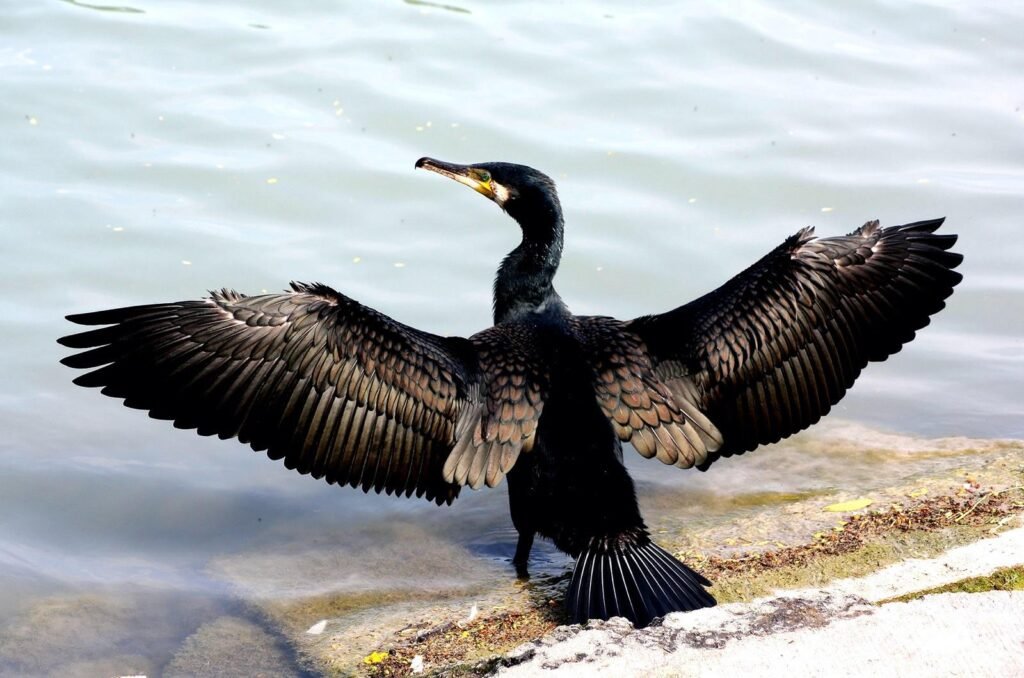
1. Birds Spread Their Wings to Dry Their Feathers
One common reason birds spread their wings is to help dry their feathers after swimming or bathing.
Birds that spend much of their time in water may come out and sit with their wings extended. Cormorants are especially well known for this behavior.
Dry feathers are important because feathers provide insulation, protect the body, and help birds fly efficiently. However, not all birds need to spread their wings to dry them. Some species have highly water-resistant feathers.
2. Birds Spread Their Wings to Stay Cool
Birds must control their body temperature to remain healthy. In hot weather, some birds spread their wings away from their bodies to expose less-feathered areas to the air.
This can help them release excess heat. Birds may also pant, seek shade, or change their posture to stay comfortable.
However, wing spreading does not always mean that a bird is hot. Its behavior should be considered alongside the weather and other signs.
3. Birds Stretch Their Wings After Resting
Just as humans stretch their arms after waking up, birds often stretch their wings after sitting still.
A bird may extend one wing, stretch one leg, and then repeat the movement on the opposite side. This helps it move its muscles and joints before becoming active again.
You can often observe this behavior in garden birds, pigeons, parrots, and many other species.
4. Birds Spread Their Wings Before Flying
Before taking off, many birds open their wings and position their bodies for flight.
Their wings interact with the air to generate lift and other aerodynamic forces. Flapping also helps produce thrust, allowing birds to move forward.
Different species have different flying abilities. Eagles soar on rising air currents, hummingbirds can hover, and swallows use agile flight to catch insects.
5. Birds Spread Their Wings to Maintain Balance
Birds sometimes spread their wings when walking on narrow branches or landing on uneven surfaces.
Their wings help them adjust their body position and remain stable. This is especially useful when strong winds make balancing difficult.
When a bird lands, it changes the position of its wings and tail to slow down and control its movement.
6. Birds Spread Their Wings to Attract Mates
Wing displays are an important part of courtship for many bird species.
Some birds raise, fan, flutter, or spread their wings to show off their colorful feathers. These displays may help them attract a mate.
During courtship, birds may also sing, dance, hop, or perform other movements. The exact display depends on the species.
7. Birds Spread Their Wings to Protect Their Babies
Parent birds work hard to protect their eggs and chicks. Some spread their wings over their young to provide shade or shelter from rain and wind.
This behavior can be especially important when chicks are very young and cannot regulate their body temperature as effectively as adults.
If a potential predator approaches, some parent birds also spread their wings to appear larger and defend their nests.
8. Birds Spread Their Wings When They Feel Threatened
A bird may spread its wings to make itself appear larger when it feels threatened.
This behavior can discourage another animal from approaching. Some birds combine wing displays with alarm calls, raised feathers, or aggressive movements.
However, an open-wing posture does not automatically mean a bird is angry. It may be drying its feathers, stretching, or regulating its temperature instead.
9. Birds Spread Their Wings to Defend Their Territory
Many birds defend areas where they find food, build nests, or raise their young.
When a rival enters their territory, birds may sing, chase one another, or display their wings.
These visual signals can sometimes prevent a physical fight. Territorial behavior varies widely between species and depends on the bird’s environment.
10. Birds Spread Their Wings to Use Air Currents
Large birds such as eagles and vultures often spread their wings while soaring.
They use rising air currents to remain airborne with less flapping. Warm air rising from the ground can create thermals, while wind moving upward over hills or cliffs can provide additional lift.
Soaring helps birds save energy while searching for food or traveling long distances.
Why Do Pet Birds Spread Their Wings?
Pet birds, including parrots and budgerigars, spread their wings for many of the same reasons as wild birds. They may stretch, prepare to fly, dry their feathers, or respond to their surroundings.
Observe your pet bird’s overall behavior. A brief, relaxed stretch is usually normal, but persistent wing drooping, panting, weakness, or difficulty breathing can indicate a problem. If these signs occur, contact an avian veterinarian.
How Can We Observe Birds Safely?
You can learn a lot about birds by watching them in gardens, parks, forests, and wetlands.
- Observe birds quietly from a safe distance.
- Never chase birds to make them spread their wings.
- Avoid disturbing nests or touching wild birds.
- Provide clean, shallow water when appropriate.
- Protect trees and other natural habitats.
- Keep pets away from nesting birds.
Respectful birdwatching helps us understand nature while keeping birds safe.
Frequently Asked Questions
Why do birds spread their wings while sitting?
Birds may spread their wings to stretch, dry their feathers, regulate body temperature, maintain balance, or communicate with other birds.
Why do birds spread their wings after rain?
Some birds spread their wings to help wet feathers dry. This behavior is especially noticeable in certain waterbirds.
Why do birds spread their wings in hot weather?
Some birds extend their wings to expose less-feathered areas to moving air and help release excess heat.
Why do birds spread their wings over their babies?
Parent birds may spread their wings to shelter their chicks from sunlight, rain, wind, or potential threats.
Does spreading wings mean a bird is angry?
Not necessarily. It can be a defensive display, but it may also be part of stretching, drying, or temperature regulation.
Conclusion
Birds spread their wings for many fascinating reasons. They use them to dry their feathers, stretch their muscles, maintain balance, regulate body temperature, attract mates, protect their babies, and prepare for flight.
Every bird species has unique behaviors shaped by its environment and lifestyle. By observing birds carefully, we can learn more about their needs and the remarkable ways they survive in nature.