
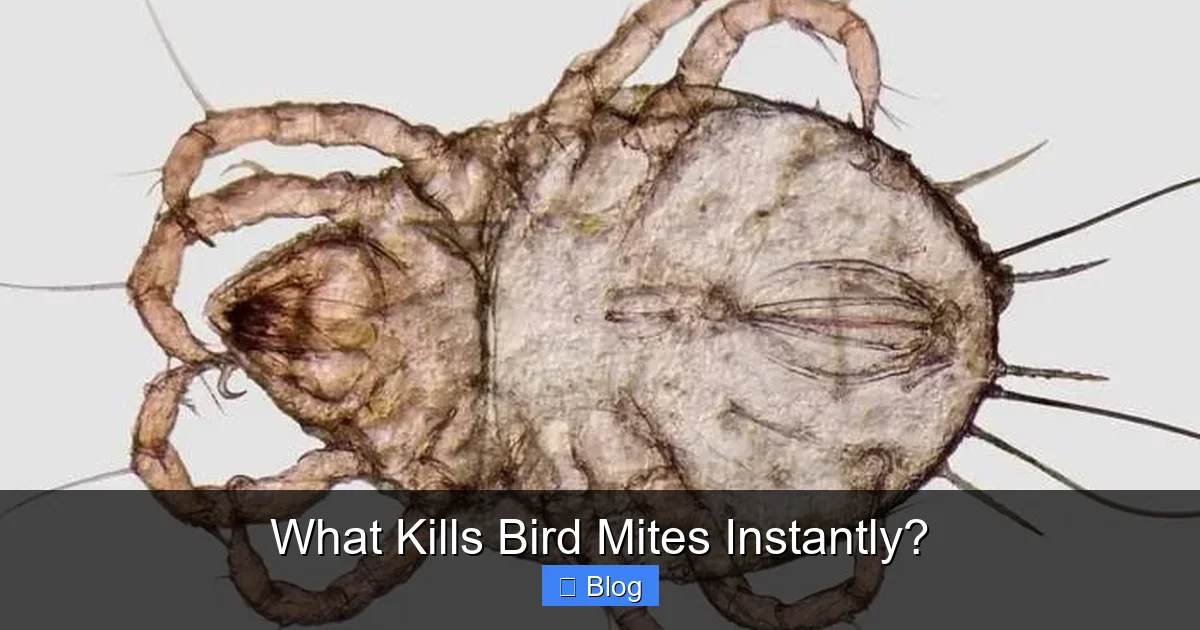
Bird mites can quickly devastate a flock, making immediate action crucial. This guide reveals what kills bird mites instantly, covering both chemical and natural solutions for rapid knockdown. Learn safe application techniques for treating your birds and environment, ensuring a comprehensive strategy for instant relief and long-term prevention.
What Kills Bird Mites Instantly?
Oh, the dreaded bird mite! If you’ve ever found yourself dealing with these tiny, persistent pests, you know the panic that sets in. One minute your birds are happy and healthy, and the next, they’re agitated, picking at their feathers, and you’re starting to feel itchy just thinking about it. Bird mites are not just an annoyance; they can cause serious stress, anemia, and even death in severe cases for your beloved feathered friends. When you discover an infestation, your first thought is always, “What kills bird mites instantly?” You need a swift, decisive plan of action, and you need it now.
Dealing with bird mites feels like an emergency because, in many ways, it is. These microscopic vampires reproduce at an astonishing rate, turning a minor inconvenience into a full-blown crisis in a matter of days. They feed on the blood of your birds, leading to discomfort, weight loss, decreased egg production, and a general decline in health. For new bird owners, the sight of these crawling invaders can be incredibly disheartening, but even seasoned poultry keepers know the battle requires immediate and effective strategies. The good news is, there are indeed solutions that can provide instant relief and set you on the path to total eradication.
This guide is designed to arm you with the knowledge and tools you need to tackle bird mites head-on. We’ll explore various methods, from potent chemical treatments to effective natural remedies, focusing on what truly kills bird mites instantly. We’ll cover how to protect your birds, sanitize their environment, and implement long-term strategies to keep these pests from ever returning. So, take a deep breath; relief is on the way. Let’s dive into the battle against bird mites!
Key Takeaways
- Immediate Action is Crucial: Bird mites multiply rapidly and can cause severe stress and health issues for your birds, necessitating quick and decisive treatment.
- Chemical Miticides Offer Instant Knockdown: Products containing pyrethrins, permethrins, or carbaryl are highly effective for instant killing of bird mites, but must be used with extreme caution and according to label instructions, especially around birds.
- Diatomaceous Earth (DE) Provides Rapid, Natural Control: Food-grade Diatomaceous Earth works by dehydrating mites on contact, offering a natural and relatively safe option for killing bird mites instantly when applied correctly to environments and directly on birds.
- Heat and Thorough Cleaning are Powerful Physical Controls: Steam cleaning, hot water washing, and diligent vacuuming physically remove and kill mites and their eggs, providing an instant reduction in population and enhancing other treatments.
- Treat Both Birds and Environment Simultaneously: For complete eradication, you must treat the birds themselves and thoroughly sanitize and treat their entire living space (coop, aviary, bedding, perches) to break the mite life cycle.
- Prioritize Safety for Birds and Humans: Always wear appropriate PPE, ensure good ventilation, and choose bird-safe products. Consult a veterinarian for severe infestations or when unsure about treatment options.
- Integrated Approach for Long-Term Success: While instant solutions are vital, combining rapid knockdown with ongoing prevention, regular inspections, and biosecurity measures ensures lasting freedom from bird mites.
Quick Answers to Common Questions
Can bird mites bite humans?
Yes, bird mites can and often do bite humans, especially when their primary bird hosts are no longer available (e.g., after birds leave a nest). Their bites cause itchy, red welts, but they cannot live or reproduce on humans.
Is Diatomaceous Earth truly safe for birds?
Food-grade Diatomaceous Earth (DE) is generally considered safe for birds when used correctly. It’s a natural product that kills mites physically. Ensure you use food-grade DE, not industrial-grade, and apply it in a way that minimizes inhalation for both you and your birds.
How quickly do chemical miticides work on bird mites?
Chemical miticides like those containing pyrethrins or permethrins work very quickly, often killing bird mites instantly or within minutes of direct contact by disrupting their nervous system.
Should I remove my birds from the coop when treating for mites?
It depends on the product. For some harsh chemical treatments, it is recommended or even required to remove birds during application and allow the coop to air out. For safer options like DE, birds can often remain. Always read the product label for specific instructions.
How often should I treat my coop for bird mites?
Initial treatment should be thorough. Follow-up treatments may be needed based on the product label and the severity of the infestation, often at 7-10 day intervals to catch newly hatched mites. Regular cleaning and preventative measures are then key for ongoing control.
📑 Table of Contents
- Understanding the Enemy: The Persistent World of Bird Mites
- The Quest for Instant Solutions: What Kills Bird Mites Instantly?
- Targeting the Environment: Instant Eradication in Coops and Aviaries
- Protecting Your Birds: Direct Application and Safety
- Integrated Pest Management for Long-Term Control
- Important Safety Precautions
- Conclusion
Understanding the Enemy: The Persistent World of Bird Mites
Before we can effectively kill bird mites instantly, it helps to know a little about who we’re fighting. Bird mites are not a single species but a general term for various tiny ectoparasites that feed on avian blood. The most common culprits include the Northern Fowl Mite and the Red Mite (also known as poultry mite or roost mite). They are relentless, highly adaptable, and masters of survival, making them a formidable opponent for any bird owner.
Different Types of Bird Mites and Their Habits
While all bird mites are unwelcome, their habits can differ slightly, influencing how we approach their eradication. The Northern Fowl Mite spends its entire life cycle on the bird, from egg to adult. This means that direct treatment of the birds is paramount. These mites are often visible as tiny, moving specks, especially around the vent, tail, and breast feathers. They can appear reddish-brown or black when engorged with blood.
The Red Mite, on the other hand, is a nocturnal feeder. During the day, it hides in cracks and crevices within the coop, under perches, or in nesting boxes. At night, it emerges to feed on sleeping birds. This life cycle makes environmental treatment absolutely essential. You might notice these mites as tiny grey specks in the coop during the day, turning red after a night’s feeding.
The Rapid Life Cycle of Bird Mites
What makes bird mites so challenging is their incredibly rapid life cycle. Under ideal conditions (warm and humid), a mite can go from egg to adult in as little as 5-7 days. This means an infestation can explode overnight. A single female mite can lay dozens of eggs, leading to thousands of mites within weeks if left unchecked. This rapid reproduction capability is precisely why knowing what kills bird mites instantly is so critical – you need to break that cycle quickly!
Spotting the Signs of Infestation
Early detection is your best friend. Look for signs on your birds such as excessive scratching, feather pulling, listlessness, pale combs and wattles, and a drop in egg production. You might even see the mites themselves clustered on feathers, especially around the vent. In the coop, check cracks, crevices, under perches, and inside nest boxes. You might see tiny specks, often resembling dust, that move when disturbed. A quick test for red mites is to swipe a white paper towel under perches at night; if mites are present, you’ll see tiny red streaks. Don’t forget that bird mites can also bite humans, causing itchy welts, though they cannot survive or reproduce on humans.
The Quest for Instant Solutions: What Kills Bird Mites Instantly?
When you’re facing a bird mite infestation, you need immediate results. There are several powerful agents, both chemical and natural, that can deliver an instant knockdown. However, it’s vital to use them safely and correctly to protect your birds and yourself.
Chemical Pesticides for Immediate Knockdown
Chemical miticides are designed for rapid action and are often the go-to for severe infestations because they kill bird mites instantly on contact. Always read and follow the label instructions meticulously, as some products are not safe for direct application on birds, or require specific withdrawal periods for eggs and meat.
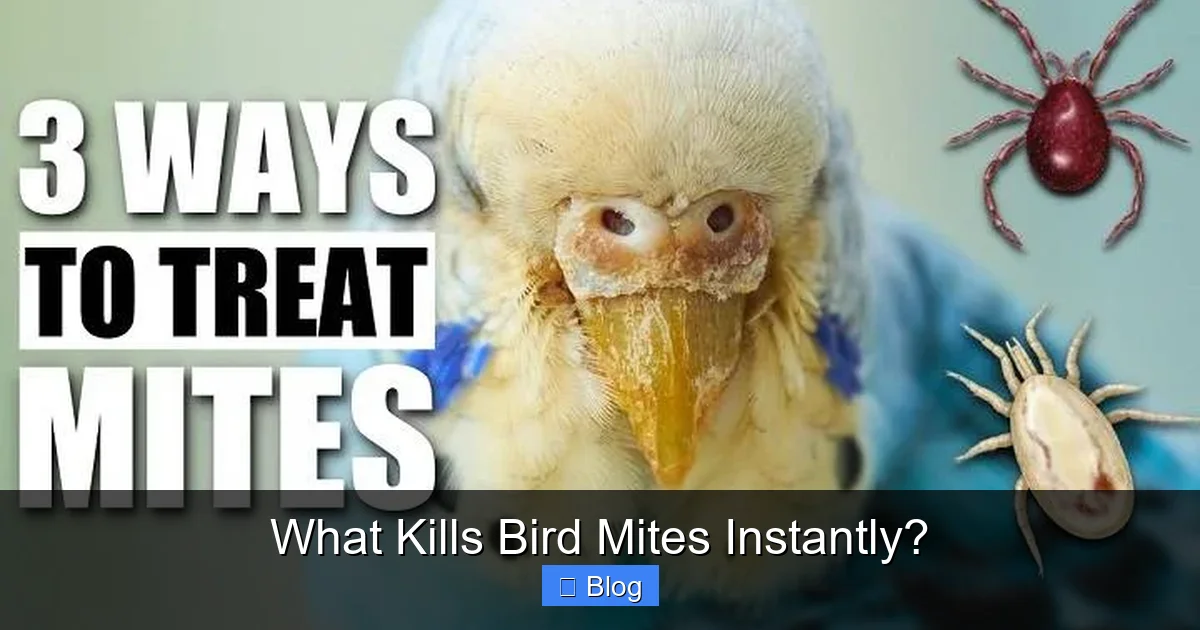
Visual guide about What Kills Bird Mites Instantly?
Image source: birdswave.com
- Pyrethrins and Permethrins: These are synthetic versions of natural insecticides found in chrysanthemum flowers. They work by attacking the nervous system of insects and mites, causing paralysis and death. Many poultry dusts and sprays contain these compounds. Products containing pyrethrin are generally considered safer for direct application on birds, but always check for specific “poultry dust” or “livestock spray” formulations. Permethrin is highly effective but often has stricter guidelines for use around birds, with some products specifically for environmental treatment only. They provide excellent instant knockdown.
- Carbaryl (Sevin Dust): This is another powerful insecticide that can be very effective against bird mites. It works as a cholinesterase inhibitor, disrupting the mites’ nervous system. Sevin dust 5% is a common recommendation for treating coops and sometimes birds directly (always check label for poultry use). Be aware that carbaryl can be toxic if ingested, so careful application is key, especially if birds are prone to dust bathing in treated areas. It offers a strong instant kill when applied to infested areas.
When using chemical sprays, ensure the coop is well-ventilated, remove all food and water, and temporarily remove birds if recommended by the product label. Apply thoroughly to all surfaces, cracks, and crevices where mites hide. For dusts, focus on spreading a thin layer in these same areas.
Natural and Physical Methods for Quick Action
For those preferring a natural approach, or as a complementary strategy, several methods offer instant or near-instant results without synthetic chemicals. These options are often safer for the birds and the environment.
- Diatomaceous Earth (Food-Grade DE): This finely milled powder is made from fossilized diatoms. It’s an excellent natural solution for what kills bird mites instantly. On a microscopic level, DE consists of sharp, abrasive particles that scratch the waxy exoskeleton of mites, causing them to dehydrate and die. It works physically, not chemically, so mites cannot develop resistance. Sprinkle food-grade DE liberally in the coop, especially in cracks, nest boxes, and dust bath areas. You can also lightly dust your birds directly. It begins working immediately upon contact, leading to rapid mite demise.
- Heat Treatment (Steam Cleaning, Hot Water): High heat is an incredibly effective way to kill bird mites instantly, including their eggs. A steam cleaner can penetrate cracks and crevices, reaching mites where sprays might not. Use a powerful steam cleaner on all surfaces, perches, and nest boxes. For removable items like feeders, waterers, and plastic nesting box liners, washing them thoroughly with very hot water and soap can also provide an instant kill.
- Vacuuming: While not a standalone solution, a powerful shop vac with a hose attachment can instantly remove thousands of mites and eggs from surfaces, cracks, and corners. This is a crucial first step before applying other treatments. Be sure to immediately empty the vacuum contents into a sealed bag and dispose of it far away from your coop to prevent re-infestation. This method offers instant physical removal and reduction of mite populations.
- Essential Oils (Limited Instant Kill, More Repellent): While some essential oils like peppermint, eucalyptus, tea tree, and lavender have insecticidal or repellent properties, their “instant kill” power on bird mites is often less reliable than direct chemical or physical methods. They are better used as part of a preventative or follow-up strategy. However, a strong dilution sprayed directly onto visible mites might provide some immediate impact. Always research bird-safe dilutions, as some essential oils can be toxic to birds in high concentrations.
Targeting the Environment: Instant Eradication in Coops and Aviaries
Remember, especially with red mites, the environment is their primary hiding spot. If you only treat the birds, you’re missing 90% of the problem. A thorough environmental treatment is non-negotiable for a truly instant kill and lasting relief.
Deep Cleaning and Disinfection: The First Line of Attack
Before any chemical or natural treatments, a deep clean is essential. This physically removes mites, eggs, and organic matter they thrive in. Remove all bedding, litter, food, and water containers from the coop. Scrape down all surfaces, perches, and nest boxes. Use a stiff brush or scraper to get into every nook and cranny. Once debris is removed, use a strong disinfectant (poultry-safe options are available, like a diluted bleach solution or specific coop disinfectants) to scrub all surfaces. Let it dry completely before reintroducing birds or new bedding.
Treating Surfaces: Reaching Mite Hiding Spots
Once clean, apply your chosen miticide to all surfaces. For chemical options like pyrethrin sprays or carbaryl dusts, focus on:
- All cracks and crevices in wooden structures.
- Underneath and inside perches.
- Inside and around nesting boxes.
- Corners and floor edges.
- Around windows and ventilation openings.
If using Diatomaceous Earth, sprinkle it heavily in these areas. You can also mix it into fresh bedding material before adding it back to the coop. The goal is to cover every potential hiding spot where mites might be lurking.
Quarantine and Prevention for Environmental Control
If possible, move your birds to a temporary, clean enclosure while you treat their main coop. This prevents immediate re-infestation from mites that might still be on the birds. Once the coop is treated and dry, monitor it closely. Regular inspections (daily for the first week, then weekly) are key to catching any returning mites before they multiply.
Protecting Your Birds: Direct Application and Safety
While environmental treatment is crucial, you must also treat the birds themselves, especially for Northern Fowl Mites which live entirely on the host. Knowing what kills bird mites instantly on a bird requires careful selection and application of products.
Bird-Safe Topical Treatments
Not all miticides are safe for direct bird application. Always look for products specifically labeled for poultry or ornamental birds, and follow the instructions precisely. Over-treating or using the wrong product can be more harmful than the mites themselves.
- Poultry Dusts: Many dusts containing pyrethrins, permethrins, or food-grade Diatomaceous Earth are formulated for direct application on birds. Gently rub the dust into the bird’s feathers, paying close attention to the vent area, under the wings, and around the tail. Avoid getting dust in their eyes or nostrils. These dusts work on contact and can offer an instant kill for mites present on the bird.
- Liquid Sprays: Some specialized bird-safe sprays are available. These often contain pyrethrins in a carrier solution. Hold the bird firmly and spray against the feather growth to ensure the product reaches the skin. Shield the bird’s face and avoid spraying near their eyes or beak.
- Spot-On Treatments: For exotic birds or very severe cases, a veterinarian might prescribe a systemic spot-on treatment (like ivermectin or moxidectin), which is absorbed into the bloodstream and kills mites when they feed. While not “instant” on contact, it provides an effective, longer-lasting internal kill. These are prescription-only and require veterinary guidance.
Bathing and Dusting for Instant Relief
For immediate physical removal and relief, a thorough bird bath can help. Use warm water and a bird-safe shampoo if available. This washes away many mites. After bathing, ensure birds are completely dry before returning them to a clean coop. Providing a dust bath area with a mixture of fine sand, wood ash, and food-grade DE allows birds to self-treat and provides ongoing, instant mite control as they dust bathe.
Veterinary Consultation: When to Seek Expert Help
If your birds are heavily infested, showing signs of severe anemia, or if you’re unsure about treatment options, always consult an avian veterinarian. They can accurately diagnose the type of mite, recommend the safest and most effective “what kills bird mites instantly” solution for your specific birds, and advise on dosage and application.
Integrated Pest Management for Long-Term Control
Killing bird mites instantly is a fantastic first step, but without a comprehensive long-term strategy, they are likely to return. An Integrated Pest Management (IPM) approach combines instant kill methods with ongoing prevention and monitoring.
Regular Inspection and Monitoring
Make routine inspections a habit. Check your birds monthly for signs of mites, and inspect the coop structure for any mite activity. The “white paper towel under the perch” test is simple and effective for red mites. Early detection means you can address a small problem before it becomes an overwhelming infestation.
Biosecurity Measures
Prevent new mites from entering your flock. Quarantine any new birds for at least 30 days, inspecting them thoroughly for parasites before introducing them to the main flock. Avoid sharing equipment with other bird owners, and if you visit other coops, change your clothes and shoes before returning to your own birds. Wild birds can also carry mites, so consider ways to deter them from nesting directly in or near your coop.
Environmental Modifications and Maintenance
Mites love cracks and rough surfaces. Smooth surfaces are harder for them to hide in. Consider sealing wooden cracks with caulk or paint. Replace old, porous wooden perches with smoother, easier-to-clean alternatives like PVC or metal. Regularly clean and replace bedding. Good ventilation also helps reduce humidity, which mites prefer.
Rotation of Treatments
To prevent mites from developing resistance to a particular chemical treatment, it’s wise to rotate between different types of miticides (e.g., using a pyrethrin-based product for one treatment, and then a carbaryl-based one for a subsequent treatment if needed, or alternating with DE). This keeps the mites guessing and ensures your chosen “what kills bird mites instantly” method remains effective.
Important Safety Precautions
No matter what method you choose to kill bird mites instantly, safety must be your top priority. These products, whether chemical or natural, are designed to kill living organisms, and improper use can harm your birds, other pets, and even yourself.
Personal Protective Equipment (PPE)
Always wear gloves, a mask (to avoid inhaling dusts or sprays), and eye protection when applying any miticide. Long sleeves and pants are also advisable to protect your skin.
Ventilation
When using sprays or dusts in enclosed spaces like a coop, ensure there is adequate ventilation. Open all doors and windows, and consider using fans. This reduces the concentration of airborne particles and fumes.
Reading Labels Carefully
This cannot be stressed enough. Every product has specific instructions for application, dosage, frequency, and safety precautions. Some products are not safe for direct application on birds, or for use in coops that contain birds. Always check for withdrawal periods for eggs or meat if you are consuming them.
Avoiding Over-Treatment
More is not always better. Over-applying pesticides can harm your birds, leading to chemical burns, respiratory issues, or systemic toxicity. Stick to the recommended dosages and frequencies. When in doubt, consult a veterinarian.
Conclusion
Discovering bird mites is never a pleasant experience, but armed with the right knowledge and tools, you can swiftly regain control. The key to effective eradication lies in understanding what kills bird mites instantly and then applying those solutions strategically. Whether you opt for fast-acting chemical miticides, the dehydrating power of Diatomaceous Earth, or the physical removal provided by heat and vacuuming, immediate action is paramount.
Remember, a successful battle against bird mites involves a two-pronged attack: treating both your birds and their entire environment simultaneously. Combine these instant kill methods with diligent cleaning, ongoing monitoring, and robust biosecurity measures. By adopting an integrated pest management approach, you’ll not only eliminate the current infestation quickly but also create a resilient, mite-free home for your cherished flock. Your birds will thank you for the relief, and you’ll enjoy a healthier, happier coop for years to come.
Frequently Asked Questions
What is the most effective instant killer for bird mites?
For instant knockdown, chemical miticides containing pyrethrins, permethrins, or carbaryl are highly effective, though they require careful application. Food-grade Diatomaceous Earth also works quickly by dehydrating mites on contact, offering a natural and safer alternative for rapid kill.
Can I use regular pest control sprays from my house on my chicken coop?
No, you should never use regular household pest control sprays in a chicken coop or directly on birds. These products are often not formulated for livestock, can be toxic to birds, and may leave harmful residues on eggs or meat. Always use products specifically labeled for poultry or livestock.
How long does it take to get rid of bird mites completely?
While instant kill methods provide immediate relief, complete eradication typically takes several weeks. This is because you need to break the mite’s life cycle, which involves killing adults, nymphs, and newly hatched eggs through repeated treatments and thorough environmental sanitization.
Do bird mites live in bedding or on the bird?
It depends on the type. Northern Fowl Mites live their entire life cycle on the bird, feeding continuously. Red Mites, however, hide in cracks and crevices of the coop during the day and only come out at night to feed on sleeping birds, so they are found both on the bird and in the environment.
What preventative measures can I take to avoid bird mites?
Regular coop cleaning, sealing cracks in wooden structures, providing dust bath areas with food-grade DE, quarantining new birds, and regularly inspecting your flock are excellent preventative measures. Good biosecurity also helps prevent mites from being introduced.
Is it possible for bird mites to spread to other pets?
While bird mites prefer avian hosts, they can temporarily bite and cause irritation to other pets like cats and dogs if they are in close proximity to an infested area. However, they generally cannot establish a breeding colony or survive long-term on non-avian hosts.