
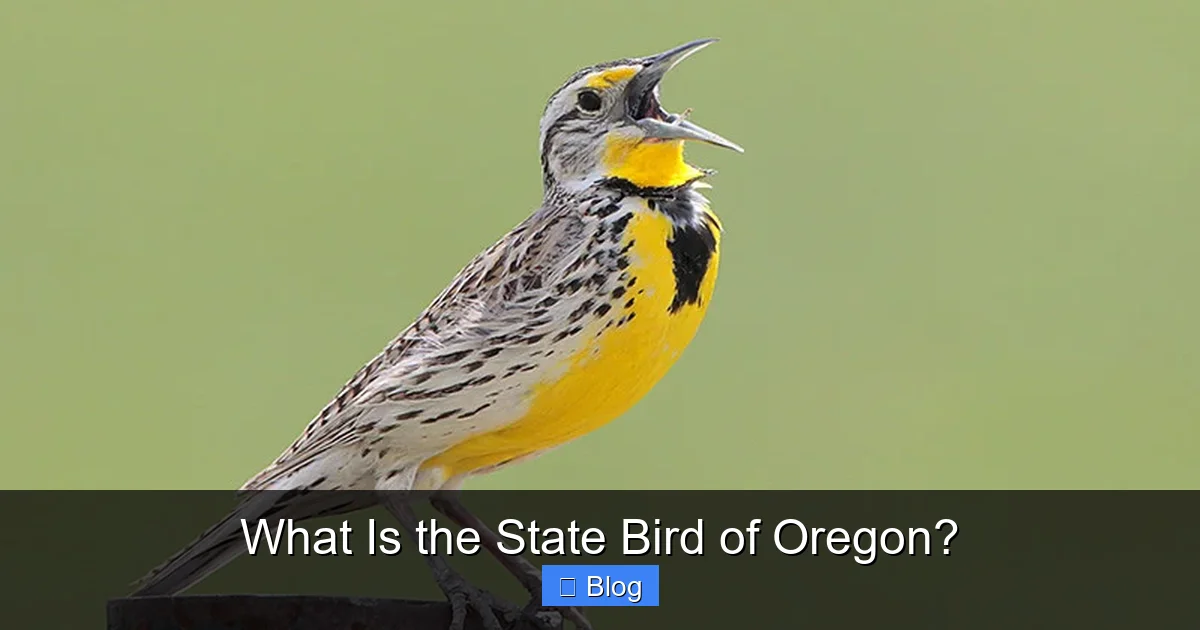
Oregon’s official state bird is the magnificent Western Meadowlark, designated in 1927 following a children’s vote. This iconic bird is celebrated for its striking yellow plumage, distinctive black V-shaped collar, and its unmistakable, flute-like song that graces the state’s open fields. The Western Meadowlark truly embodies the spirit and natural beauty of the Beaver State.
Stepping out into the sprawling fields of Oregon, especially during the vibrant embrace of spring or the golden hues of summer, you might be greeted by a melody so clear and sweet it could make your heart sing along. It’s a sound that seems to echo the very soul of the landscape, a natural symphony emanating from a humble yet remarkably striking creature. This isn’t just any bird song; it’s the signature tune of Oregon’s official state bird, a feathered emblem woven into the very fabric of the Beaver State.
But what exactly is the state bird of Oregon? For many, the answer might be a delightful discovery, connecting them to a piece of nature that holds a special place in the state’s identity. It’s not a flashy raptor soaring high or a rare exotic species tucked away in deep forests. Instead, Oregon’s choice is a bird that embodies the grace, resilience, and understated beauty of its open landscapes. Let’s embark on a journey to uncover the identity of this cherished avian resident and understand why it holds such a significant title.
The Western Meadowlark, with its distinctive markings and unforgettable song, proudly carries the title of Oregon’s state bird. Chosen through a popular vote by the state’s schoolchildren way back in 1927, this designation wasn’t just a political decision; it was a heartfelt recognition of a bird that truly represents the natural spirit and widespread charm of Oregon. From its captivating appearance to its crucial role in the ecosystem and its melodious calls, the Western Meadowlark is more than just a bird; it’s a living symbol of Oregon’s rich natural heritage.
Key Takeaways
- The Western Meadowlark is Oregon’s State Bird: Designated by popular vote of schoolchildren in 1927, solidifying its place as a cherished symbol of the state.
- Distinctive Appearance: Recognizable by its bright yellow breast, prominent black V-shaped band, and streaked brown back, perfectly camouflaged in its grassy habitats.
- Iconic Song: Known for its beautiful, clear, flute-like song, often described as a series of melodious whistles, which is a hallmark sound of rural Oregon.
- Habitat and Diet: Thrives in open grasslands, prairies, and agricultural fields, feeding primarily on insects in summer and seeds in winter, playing a crucial role in local ecosystems.
- Ground-Nesting Behavior: Western Meadowlarks build their dome-shaped nests on the ground, carefully hidden among dense grass, making them vulnerable to habitat disturbance.
- Conservation Concerns: Facing challenges from habitat loss due to development and changing agricultural practices, underscoring the importance of preserving open spaces.
- Cultural Significance: Beyond its ecological role, the Western Meadowlark holds a special place in the hearts of Oregonians, representing the state’s natural beauty and pioneering spirit.
Quick Answers to Common Questions
Question 1?
The state bird of Oregon is the Western Meadowlark.
Question 2?
It was chosen in 1927 by a vote of Oregon’s schoolchildren.
Question 3?
The Western Meadowlark has a bright yellow breast with a distinct black V-shaped band.
Question 4?
Its song is famous for being flute-like, gurgling, and melodious.
Question 5?
Western Meadowlarks typically live in open grasslands, prairies, and agricultural fields.
📑 Table of Contents
- Unveiling Oregon’s Avian Emblem: The Western Meadowlark
- Meet the Western Meadowlark: A Portrait of Oregon’s State Bird
- Habitat and Habits: Where Does Oregon’s State Bird Live?
- The Meadowlark’s Melodies: A Symphony of the West
- Conservation and Coexistence: Protecting Oregon’s Feathered Friend
- Beyond the Bird: The Western Meadowlark’s Cultural Significance
Unveiling Oregon’s Avian Emblem: The Western Meadowlark
The story of how the Western Meadowlark became the state bird of Oregon is quite endearing. It wasn’t decided by politicians in a smoky backroom, but rather through the enthusiastic participation of Oregon’s youth. In 1927, schoolchildren across the state were invited to cast their votes for a bird that they felt best represented Oregon. Among the contenders, the Western Meadowlark emerged as the clear favorite, demonstrating an early connection between the state’s children and its unique wildlife.
A Democratic Choice by Young Oregonians
The idea of a state bird was gaining popularity across the United States in the early 20th century, and Oregon was keen to join the trend. The decision to involve schoolchildren in the selection process was a brilliant move, fostering a sense of ownership and pride among the younger generation. They were encouraged to learn about native birds, their characteristics, and their importance to the environment. This educational initiative culminated in a statewide vote, and the cheerful, widespread Western Meadowlark captured the hearts and ballots of most students. This democratic, grassroots selection cemented the meadowlark’s place as a truly beloved symbol, not just an official one.
Why the Meadowlark Stood Out
The Western Meadowlark wasn’t just chosen for its pretty song or vibrant colors, though those certainly played a part. It was also a bird that was (and largely still is) very common and easily observable across much of Oregon, especially in the rural and agricultural areas where many children lived. Its presence in open fields, pastures, and prairies made it a familiar sight and sound. Unlike some rarer or more reclusive birds, the meadowlark was a bird you could encounter daily, a cheerful neighbor whose presence signaled health and vitality in the landscape. Its resilience and widespread nature made it a fitting emblem for a state built on pioneering spirit and natural abundance.
Meet the Western Meadowlark: A Portrait of Oregon’s State Bird
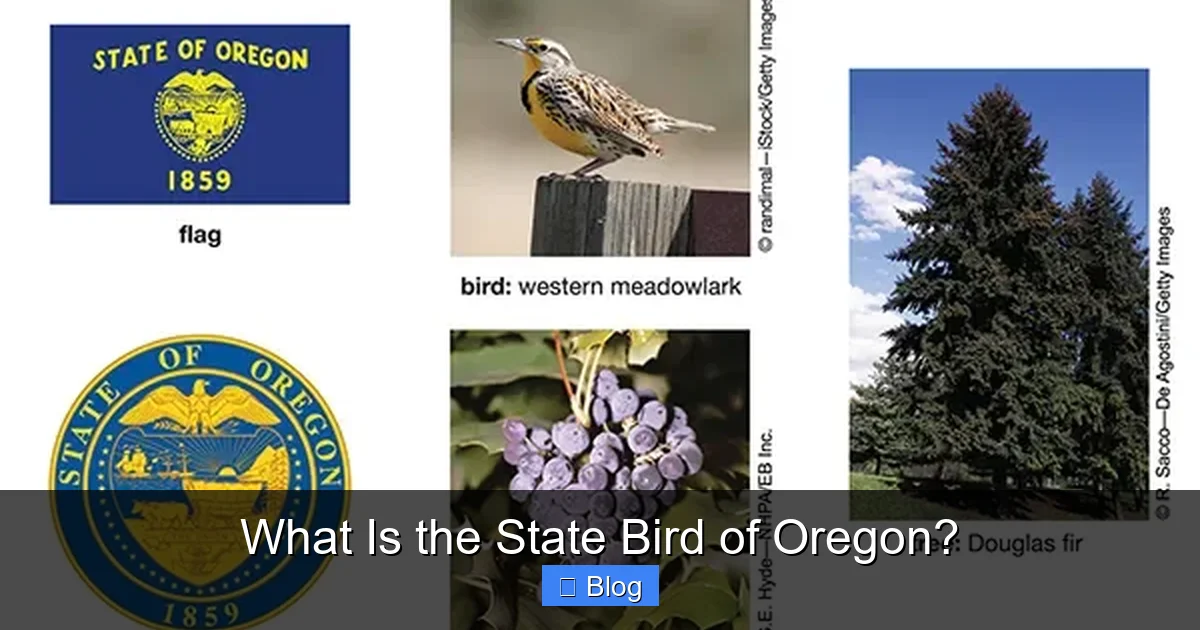
Visual guide about What Is the State Bird of Oregon?
Image source: cdn.britannica.com
Once you know what to look for, spotting the Western Meadowlark becomes a rewarding experience. This isn’t a bird that hides shyly in the dense foliage; it often perches prominently, almost as if inviting admiration.
Striking Appearance
The Western Meadowlark (scientific name: Sturnella neglecta) is a medium-sized songbird, roughly the size of a robin, measuring about 8.5 to 10 inches long with a wingspan of around 16 inches. Its most distinctive feature is its brilliant bright yellow breast, which is dramatically contrasted by a striking black V-shaped band across its chest. This “black V” is a dead giveaway for identification. The rest of its plumage is a camouflage artist’s dream: its back, wings, and tail are streaked with brown, black, and white patterns, allowing it to blend seamlessly into the dry grasses and fields where it spends most of its time. It also has a pointed bill and a relatively short tail. When in flight, you might notice white outer tail feathers, which can also be a helpful identifier.
Distinguishing it from its Eastern Cousin
While the Western Meadowlark is Oregon’s state bird, there’s also an Eastern Meadowlark. Visually, they are incredibly similar, often indistinguishable to the untrained eye. The key difference lies primarily in their songs and, to a lesser extent, their geographic ranges. The Western Meadowlark has a more flute-like, gurgling, and melodious song, while the Eastern Meadowlark’s song is a simpler, two or three-noted whistle, often described as “Spring-of-the-YEAR!” Knowing the typical range helps, but for definitive identification, the song is usually the best clue.
Habitat and Habits: Where Does Oregon’s State Bird Live?
The Western Meadowlark is not a forest dweller. Its preferred habitat speaks volumes about its lifestyle and ecological role.
A Lover of Open Spaces
You’ll find Oregon’s state bird thriving in wide-open country. This includes grasslands, prairies, agricultural fields (especially hayfields and pastures), sagebrush steppe, and even roadside verges that offer suitable cover. They need areas with a mix of short and taller grasses to forage, nest, and hide from predators. Their presence often indicates a healthy, undisturbed grassland ecosystem. These birds are strong flyers but spend a lot of time on the ground, walking or running, searching for food.
Dietary Preferences
The Western Meadowlark’s diet varies with the seasons. During the warmer months, insects form the bulk of their meals. They are particularly fond of grasshoppers, crickets, beetles, caterpillars, and grubs, making them excellent natural pest controllers for farmers. They forage by walking across the ground, probing with their bills, or sometimes catching insects in short flights. As temperatures drop and insects become scarce, their diet shifts to seeds and grains, including those from various grasses, weeds, and cultivated crops. This adaptability in diet allows them to survive across different seasons and environments.
Nesting on the Ground
One fascinating aspect of the Western Meadowlark’s life is its nesting behavior. Unlike many songbirds that build nests in trees or shrubs, the Western Meadowlark is a ground-nester. The female constructs a dome-shaped nest, often woven from grasses and sometimes partially covered with a grass roof or tunnel entrance. This clever design helps to camouflage the nest and protect the eggs and young from predators and adverse weather. These nests are typically placed in a shallow depression, well-hidden under a tuft of dense grass or other low vegetation. Females usually lay 3-7 eggs, which are incubated for about two weeks. The young fledge relatively quickly, leaving the nest within 10-12 days of hatching.
The Meadowlark’s Melodies: A Symphony of the West
Perhaps the most beloved characteristic of the Western Meadowlark, and a primary reason for its status as the state bird of Oregon, is its utterly captivating song. It’s a sound that instantly transports you to open plains and evokes a sense of freedom and natural beauty.
A Flute-like and Gurgling Harmony
The male Western Meadowlark is a talented vocalist, known for its clear, flute-like, and often complex song. It’s a series of rich, gurgling whistles that typically descend in pitch. While individual birds have their unique variations, a common description of the song is “I SEE you,” or “Spring-of-the-YEAR!” with a distinct, almost bubbling quality. These songs are usually sung from a prominent perch – a fence post, a utility wire, a tall weed, or a bush – allowing the sound to carry across vast distances. Hearing this song on a sunny Oregon morning is an experience that many locals cherish.
More Than Just a Pretty Tune
The meadowlark’s song isn’t just for human enjoyment; it serves vital purposes in the bird’s life. Males use their songs to attract mates and to defend their territory from rival males. The complexity and vigor of a male’s song can signal his fitness and health. During courtship, the male also performs a “fluttering flight” display, where he flies with rapid, shallow wing beats while singing, further showcasing his prowess. The call notes are different from the song; they are sharper, often a short, buzzy “chup” or “chupp-chupp,” used for communication between mates or as an alarm.
Conservation and Coexistence: Protecting Oregon’s Feathered Friend
While the Western Meadowlark is a widespread species, it faces significant challenges, particularly concerning habitat loss. As the state bird of Oregon, its conservation is of particular importance.
Threats to the Meadowlark’s Future
The primary threat to Western Meadowlark populations is the ongoing loss and fragmentation of its grassland habitat. Urbanization, agricultural intensification (replacing traditional hayfields with monocultures or development), and the conversion of prairies to other land uses directly reduce the areas where these birds can forage and nest. Since they are ground-nesters, their nests are also vulnerable to agricultural machinery, grazing livestock, and increased predation in fragmented habitats. The use of pesticides can also impact their insect food source.
What’s Being Done and How You Can Help
Efforts to protect the Western Meadowlark often focus on habitat preservation and restoration. Conservation organizations and government agencies work to protect and manage grasslands, prairies, and open agricultural spaces. Farmers and landowners can play a crucial role by adopting bird-friendly practices, such as delaying haying until after nesting season, maintaining diverse pastures, and reducing pesticide use.
As an individual, you can help by:
- Supporting local conservation efforts: Donate to or volunteer with organizations that work to protect grasslands and prairies in Oregon.
- Advocating for smart land use: Encourage policies that protect open spaces and reduce urban sprawl.
- Creating bird-friendly yards: While meadowlarks won’t visit typical suburban feeders, you can plant native grasses and flowers that attract insects, providing food for other birds and supporting a healthy ecosystem. Avoid pesticides in your garden.
- Being a responsible birdwatcher: Maintain distance from nesting areas, especially during breeding season, to avoid disturbing the birds.
Protecting the Western Meadowlark is not just about safeguarding one species; it’s about preserving the entire ecosystem of Oregon’s invaluable open landscapes.
Beyond the Bird: The Western Meadowlark’s Cultural Significance
The Western Meadowlark’s status as the state bird of Oregon goes beyond its biological importance; it holds a cherished place in the state’s cultural landscape and identity.
A Symbol of the West
For many Oregonians, the meadowlark embodies the spirit of the American West – its wide-open spaces, rugged beauty, and pioneering history. Its resilient nature, ability to thrive in expansive landscapes, and its melodious song evoke a sense of freedom and natural abundance. It’s a bird that represents the beauty found in simplicity and the enduring connection to the land.
Featured in Art and Lore
You’ll often find the Western Meadowlark depicted in Oregonian art, photography, and literature. Its distinctive appearance and iconic song make it a popular subject for artists seeking to capture the essence of the state’s natural beauty. For children, learning about the state bird is often an introduction to local ecology and the importance of conservation, continuing the tradition started by the schoolchildren who first voted for it. It’s a reminder of the natural wonders that are just outside our doors, if we only take the time to look and listen.
An Enduring Legacy
The choice of the Western Meadowlark as Oregon’s state bird has created an enduring legacy. It has instilled a sense of pride and connection to nature across generations. When you hear its song, it’s not just a bird; it’s a living piece of Oregon history, a reminder of the natural heritage that defines the state. Its continued presence is a testament to the efforts of those who strive to protect its habitats and a call to action for future generations to ensure its vibrant song continues to grace Oregon’s landscapes.
In conclusion, the answer to “What is the state bird of Oregon?” is a resounding celebration of the Western Meadowlark. This remarkable bird, with its bright yellow breast, black V, and unforgettable song, is more than just an official designation. It is a vibrant symbol of Oregon’s natural beauty, its open spaces, and the enduring connection between its people and its wild inhabitants. May its song continue to inspire and delight for many years to come, reminding us of the precious natural world we share and the importance of preserving it.
Frequently Asked Questions
What makes the Western Meadowlark’s song so unique?
The Western Meadowlark’s song is distinctive for its clear, flute-like, and complex gurgling whistles, often descending in pitch. It’s a series of melodious notes that carry far across open fields, making it easily recognizable and a beloved sound of the Oregon landscape.
Do Western Meadowlarks migrate from Oregon?
Western Meadowlarks are partially migratory. While many remain in Oregon year-round, especially in milder western and southern parts of the state, some populations from colder regions may migrate shorter distances south for the winter. Their movement depends on local food availability and weather conditions.
What do Western Meadowlarks eat?
Their diet varies seasonally; during spring and summer, they primarily eat insects like grasshoppers, crickets, beetles, and caterpillars, which helps control pests. In the colder months, when insects are scarce, their diet shifts to seeds from various grasses, weeds, and grains.
How can I identify a Western Meadowlark in the wild?
Look for a medium-sized bird with a brilliant yellow breast and a prominent black V-shaped band across it. Its back is streaked brown and black, helping it blend into grassy environments. The best way to identify it is often by its clear, unmistakable song from a prominent perch.
Where do Western Meadowlarks build their nests?
Western Meadowlarks are ground-nesters. The female builds a dome-shaped nest from grasses, often with a partial roof or tunnel entrance, carefully hidden in a shallow depression under a tuft of dense grass or other low vegetation in open fields and prairies.
Why is habitat loss a major threat to the Western Meadowlark?
Habitat loss is a major threat because Western Meadowlarks rely on expansive open grasslands, prairies, and agricultural fields for foraging and nesting. Urban development, conversion of grasslands to other land uses, and intensive agricultural practices reduce and fragment these vital habitats, impacting their populations significantly.