
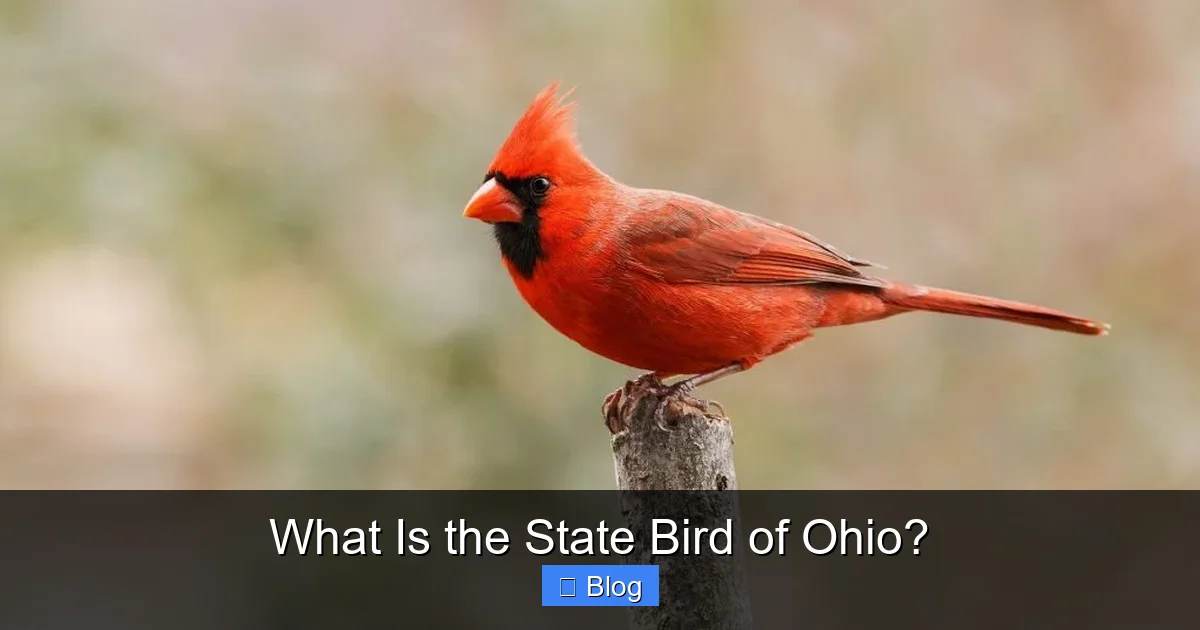
The Northern Cardinal is the official state bird of Ohio, designated in 1933. This stunning, non-migratory bird, famous for the male’s brilliant red plumage and both sexes’ melodious songs, symbolizes beauty, cheer, and devotion across the Buckeye State. Its year-round presence and widespread popularity made it a natural and beloved choice to represent Ohio’s rich natural heritage.
Hey there, fellow nature enthusiast! Have you ever paused to wonder about the official symbols that represent our great state of Ohio? We have our state tree, the majestic Ohio Buckeye, and our state flower, the beautiful red carnation. But what about our feathered friends? Every state proudly chooses a bird that embodies its spirit and natural beauty, and Ohio is no exception.
If you’re an Ohioan, or even if you’ve just visited, chances are you’ve already seen our state’s avian ambassador flitting through trees or perched on a feeder. It’s a bird whose vibrant color and cheerful song are instantly recognizable, a creature that brings a splash of life to even the most somber winter day. So, let’s dive into the fascinating world of Ohio’s official bird and discover why it holds such a special place in the hearts of Buckeyes everywhere.
The answer to “What is the state bird of Ohio?” is none other than the magnificent Northern Cardinal! This iconic bird, with its striking appearance and lively presence, has been an official emblem of the Buckeye State for decades. But there’s so much more to learn about this fascinating creature than just its name. Join us as we explore the cardinal’s journey to state symbol status, its unique characteristics, its role in Ohio’s ecosystem, and how you can get to know it even better.
Key Takeaways
- Ohio’s State Bird: The Northern Cardinal was officially designated as the state bird of Ohio on June 20, 1933, making it a beloved emblem of the Buckeye State.
- Distinctive Appearance: Male Northern Cardinals are famous for their vibrant, unmistakable red plumage, while females display a more subtle reddish-brown with red accents, both sporting a prominent crest.
- Non-Migratory Resident: Unlike many bird species, Northern Cardinals do not migrate, staying in Ohio year-round, which makes them a consistent and cherished sight even in winter.
- Symbolic Significance: Beyond their beauty, cardinals are often associated with happiness, devotion, hope, and cheer, adding a layer of cultural importance to their status as Ohio’s state bird.
- Widespread Habitat: These adaptable birds thrive in various environments across Ohio, including backyards, parks, woodlands, and suburban areas, making them easily observable for residents.
- Attracting Cardinals: You can easily attract Northern Cardinals to your garden by providing sunflower seeds in feeders, a source of water, and dense shrubs for shelter and nesting.
- Conservation Importance: Appreciating and protecting the cardinal’s habitat helps maintain healthy local ecosystems and ensures this beautiful bird continues to thrive for future generations in Ohio.
Quick Answers to Common Questions
What is the official state bird of Ohio?
The official state bird of Ohio is the Northern Cardinal.
When was the Northern Cardinal designated as Ohio’s state bird?
The Northern Cardinal was designated as Ohio’s state bird on June 20, 1933.
Do Northern Cardinals migrate from Ohio in the winter?
No, Northern Cardinals are non-migratory and remain in Ohio year-round, bringing color even in snowy landscapes.
What color is the male Northern Cardinal?
The male Northern Cardinal is famously known for its vibrant, brilliant red plumage.
What types of food do Northern Cardinals typically eat?
Northern Cardinals primarily eat seeds (especially sunflower seeds), fruits, berries, and insects.
📑 Table of Contents
- Unveiling Ohio’s Feathered Ambassador: The Northern Cardinal
- The Journey to State Symbol Status: How the Cardinal Was Chosen
- Life in the Buckeye State: Habitat and Behavior of the Northern Cardinal
- The Cardinal’s Enduring Legacy in Ohio’s Culture and Environment
- Protecting Ohio’s State Bird: Conservation and Community Action
- Other Notable Ohio State Symbols
Unveiling Ohio’s Feathered Ambassador: The Northern Cardinal
When you think of the state bird of Ohio, the image that usually springs to mind is a flash of brilliant red against a snowy white backdrop, or perhaps a cheerful song echoing through a spring garden. That’s because the Northern Cardinal is truly unmistakable, making it a perfect choice for our state’s avian representative.
A Splash of Crimson: Why Cardinals Stand Out
Let’s talk about that color! The male Northern Cardinal is a sight to behold, draped in a deep, rich crimson from head to tail. It’s a color so intense it almost seems to glow. Add to that a distinctive crest that stands tall on its head and a black mask around its bright orange beak, and you have a bird that truly demands attention. It’s one of those rare birds that even non-birders can identify instantly.
Now, while the male gets all the flashy attention, the female Northern Cardinal is equally beautiful, though in a more subtle way. She sports a warm reddish-brown plumage, with hints of red on her wings, tail, and crest. She also has that characteristic crest and an orange beak, making her clearly identifiable as a cardinal. Her more subdued colors offer excellent camouflage, especially when she’s nesting. Both sexes are simply stunning in their own right, and their beauty is a huge part of why the Northern Cardinal is such a beloved state bird of Ohio.
Melodies of the Midwest: The Cardinal’s Song
It’s not just their looks; cardinals are also fantastic vocalists. Their songs are a series of clear, whistling notes, often described as “cheer-cheer-cheer” or “birdie-birdie-birdie.” What’s really cool is that both males and females sing! The female often sings from the nest, communicating with her mate. You can hear their cheerful calls and songs throughout the year, even in the depths of winter, which adds to their charm and why they are such a comforting presence in Ohio’s natural soundscape.
The Journey to State Symbol Status: How the Cardinal Was Chosen
How did the Northern Cardinal become the state bird of Ohio? It wasn’t just a random decision; it was a choice that reflected the bird’s widespread appeal, its year-round presence, and its deep connection to the people and landscape of Ohio.
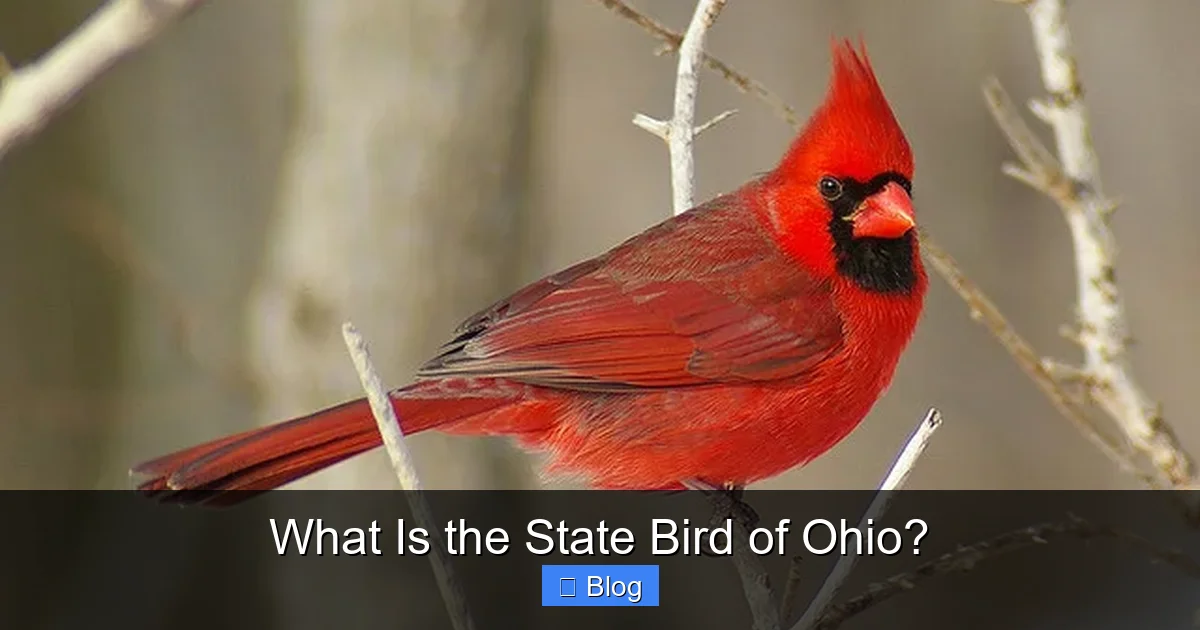
Visual guide about What Is the State Bird of Ohio?
Image source: statesymbolsusa.org
A Bird for the Buckeye State: The Legislative Process
The Northern Cardinal officially earned its title as the state bird of Ohio on June 20, 1933. This designation came about through a legislative process, as often happens with state symbols. It wasn’t uncommon for schoolchildren and nature enthusiasts to advocate for their favorite local birds. The cardinal was a clear favorite because it met several important criteria:
- It’s common: Cardinals are abundant across Ohio, found in nearly every county.
- It’s recognizable: Its distinct color and shape make it easy to identify, even for beginners.
- It’s non-migratory: Unlike many other birds, cardinals don’t fly south for the winter. They stay in Ohio all year, bringing color and song even when other birds have departed. This makes them a consistent symbol of life and resilience.
These qualities made the cardinal a natural and popular choice, solidifying its place as the rightful state bird of Ohio.
Symbolism Beyond Beauty: What the Cardinal Represents
Beyond its striking appearance and lively song, the Northern Cardinal carries significant symbolic meaning for many people. Its bright red color is often associated with vitality, energy, and passion. For some, a cardinal sighting is a symbol of good luck, happiness, or even a visit from a loved one who has passed on. Its steadfast presence through all seasons also makes it a symbol of hope and devotion, a reminder that beauty and life persist even in challenging times.
In Ohio, the cardinal represents the enduring spirit of our state, a beacon of cheer during the long winter months and a vibrant presence throughout the warmer seasons. This rich symbolism further enhances its role as a cherished state bird of Ohio.
Life in the Buckeye State: Habitat and Behavior of the Northern Cardinal
Part of the reason the Northern Cardinal is such an excellent state bird of Ohio is its incredible adaptability. These birds thrive in a variety of environments, making them accessible and familiar to nearly everyone in the state.
Where to Spot Them: Preferred Habitats
Cardinals are true generalists when it comes to habitat. You can find them almost anywhere there’s a mix of open space and dense vegetation. This includes:
- Backyards and gardens: They love the shrubs, trees, and feeders found in residential areas.
- Parks and suburban areas: Green spaces within towns and cities are perfect for them.
- Woodlands and forest edges: They prefer the edges where forests meet fields rather than deep, dense woods.
- Shrubby fields and swamps: Areas with thick undergrowth provide excellent shelter.
Their ability to coexist with humans makes them a constant, comforting presence, which is a big part of their appeal as the state bird of Ohio.
Diet and Feeding Habits
What keeps our state bird of Ohio so healthy and vibrant? A varied diet! Northern Cardinals are primarily seed-eaters, with their strong, conical beaks perfectly adapted for cracking open tough seeds. They particularly love sunflower seeds, safflower, and cracked corn. But their diet isn’t limited to just seeds:
- Fruits and berries: They’ll feast on a variety of wild fruits and berries, especially in fall and winter.
- Insects: During breeding season, they supplement their diet with insects like beetles, grasshoppers, and caterpillars, which provide essential protein for their growing young.
- Sap: Occasionally, they might even sip sap from trees.
They often forage on the ground, hopping around under feeders or shrubs, always on the lookout for a tasty meal.
Nesting and Raising Young
Northern Cardinals are diligent parents. The female builds a cup-shaped nest, usually in dense shrubs, small trees, or vines, typically 3 to 15 feet off the ground. These nests are often well-hidden, providing protection from predators. She lays 2-5 eggs, which are incubated for about 12-13 days. Once hatched, both parents work tirelessly to feed the hungry nestlings, primarily with insects.
Cardinals can raise multiple broods in a single breeding season, sometimes as many as three or four, from early spring through late summer. This commitment to raising young further highlights their strong family bonds and their persistent presence in Ohio’s natural world, adding to the reasons they were chosen as the state bird of Ohio.
The Cardinal’s Enduring Legacy in Ohio’s Culture and Environment
The Northern Cardinal’s status as the state bird of Ohio is more than just a legislative title; it’s a reflection of its deep integration into the state’s cultural identity and its importance within the local ecosystem.
More Than Just a Bird: Cultural Impact
Think about how often you see the image of a cardinal. It’s not just on nature calendars. You’ll find it in local artwork, on greeting cards, and in various local businesses. Many sports teams, from high school to amateur leagues, adopt the cardinal as their mascot, symbolizing speed, strength, and vibrant team spirit. This widespread cultural presence means that the state bird of Ohio truly resonates with residents, fostering a sense of regional pride and connection to nature.
Its striking color and year-round presence make it an ideal subject for photography, painting, and even holiday decorations, especially during winter when its bright red stands out so vividly against the snow.
An Indicator Species: Environmental Health
Beyond its cultural significance, the Northern Cardinal plays an important role in Ohio’s environment. As a common and widely distributed species, its health and population numbers can serve as an indicator of the overall health of local ecosystems. A thriving cardinal population often suggests that local habitats are providing adequate food, water, and shelter for a variety of species.
Furthermore, by eating seeds, cardinals help with seed dispersal, contributing to the growth of various plants and trees. By consuming insects, they also help to control pest populations. So, when we appreciate and protect our state bird of Ohio, we’re also contributing to the well-being of the broader natural world around us.
Protecting Ohio’s State Bird: Conservation and Community Action
While Northern Cardinals are currently doing well, it’s always important to understand how we can support and protect our beloved state bird of Ohio and its habitats. Conservation starts right in our own backyards!
Current Status and Threats
Good news! The Northern Cardinal population is generally stable and even increasing in some areas, thanks to their adaptability to suburban environments. However, they still face challenges common to many bird species:
- Habitat loss: Urban development can reduce natural spaces.
- Window collisions: Birds sometimes fly into windows, especially during migration (though cardinals don’t migrate, they still face this risk).
- Pesticide use: Reduces insect populations, a vital food source, especially for young birds.
- Predation by outdoor cats: Domestic cats are a significant threat to bird populations.
Awareness of these threats is the first step in ensuring the continued thriving of the state bird of Ohio.
Simple Steps to Support Cardinals in Your Backyard
Want to see more of Ohio’s state bird right outside your window? Here are some practical tips to make your yard cardinal-friendly:
- Provide Food: Cardinals love sunflower seeds (black oil sunflower seeds are a favorite!), safflower, and cracked corn. Use sturdy feeders that can accommodate their size, or scatter seeds on the ground.
- Offer Water: A bird bath with fresh, clean water is a magnet for birds, especially on hot days or during winter when natural water sources might be frozen.
- Create Shelter: Plant dense shrubs, evergreen trees, and native bushes. These provide safe places for cardinals to roost, nest, and escape from predators or harsh weather. Thorny shrubs like hawthorn are particularly good.
- Go Native: Planting native trees and shrubs provides natural food sources (berries, seeds, insects) and ideal nesting sites.
- Reduce Pesticide Use: Limit or eliminate chemical pesticides in your garden. This ensures a healthy insect population for cardinals to feed on and prevents them from ingesting harmful chemicals.
- Make Windows Bird-Safe: Use decals, tape, or exterior screens on windows to break up reflections and help birds see the glass, preventing collisions.
- Keep Cats Indoors: The most effective way to protect all backyard birds, including the state bird of Ohio, from domestic cat predation is to keep cats indoors.
By taking these small steps, you can create a welcoming haven for the Northern Cardinal and countless other bird species, truly enjoying Ohio’s natural beauty up close.
Other Notable Ohio State Symbols
While our focus is on the state bird of Ohio, it’s fun to remember that the cardinal is part of a larger family of symbols that represent our state’s unique character. These symbols help tell the story of Ohio and what we value.
Rounding Out Ohio’s Emblematic Collection
Alongside the Northern Cardinal, Ohio also proudly recognizes:
- State Flower: The Red Carnation, chosen to honor President William McKinley.
- State Tree: The Ohio Buckeye, famous for its distinctive nuts.
- State Mammal: The White-tailed Deer, a common sight across the state.
- State Insect: The Ladybug, a beloved beneficial insect.
- State Fruit: The Tomato, although many consider it a vegetable!
- State Reptile: The Black Racer Snake.
- State Wildflower: The Large White Trillium.
- State Fossil: The Trilobite, highlighting Ohio’s rich paleontological history.
Each of these symbols, including our vibrant state bird of Ohio, contributes to the rich tapestry of what it means to be a Buckeye, celebrating our history, culture, and natural heritage.
So there you have it! The Northern Cardinal is much more than just a pretty bird; it’s a living, breathing emblem of Ohio, chosen for its beauty, its widespread presence, and its ability to bring joy and color throughout the year. From its brilliant plumage to its cheerful song, and its symbolic ties to happiness and devotion, the cardinal truly embodies the spirit of the Buckeye State.
Next time you spot that flash of red in your backyard, or hear a familiar whistle from a nearby tree, take a moment to appreciate our wonderful state bird of Ohio. It’s a reminder of the natural beauty that surrounds us and a testament to the simple pleasures that connect us to the wild heart of our home. Let’s continue to cherish and protect these amazing creatures, ensuring they remain a vibrant part of Ohio’s landscape for generations to come.
Frequently Asked Questions
Why was the Northern Cardinal chosen as Ohio’s state bird?
The Northern Cardinal was chosen due to its vibrant beauty, its widespread presence across the state, and its non-migratory nature, meaning it can be seen and enjoyed by Ohioans throughout all seasons, even winter. Its cheerful song and striking appearance also made it a popular and recognizable choice.
Are female Northern Cardinals also red?
Female Northern Cardinals are not as intensely red as the males. They typically have a more subdued reddish-brown plumage, with hints of red on their wings, tail, and crest. Both sexes, however, share the distinctive crest and bright orange beak.
Where can I typically spot a Northern Cardinal in Ohio?
You can spot Northern Cardinals in a variety of habitats across Ohio, including backyards, suburban gardens, parks, woodlands, and forest edges. They are quite adaptable and often found near human habitation, especially where feeders, dense shrubs, and trees are present.
What does the Northern Cardinal symbolize?
The Northern Cardinal often symbolizes hope, joy, devotion, and vitality due to its bright color and cheerful presence. For many, seeing a cardinal is considered a sign of good luck or a spiritual connection, especially during the colder months when its red plumage stands out so vividly.
How can I attract Northern Cardinals to my backyard?
To attract Northern Cardinals, provide a reliable food source like black oil sunflower seeds in a feeder or scattered on the ground. A fresh water source, such as a bird bath, is also very appealing. Additionally, planting dense shrubs and small trees offers essential shelter and nesting sites.
Do both male and female Northern Cardinals sing?
Yes, both male and female Northern Cardinals are known to sing. While the male’s song is more commonly heard and often louder, females also sing, particularly from the nest, which helps them communicate with their mate and maintain territory.