
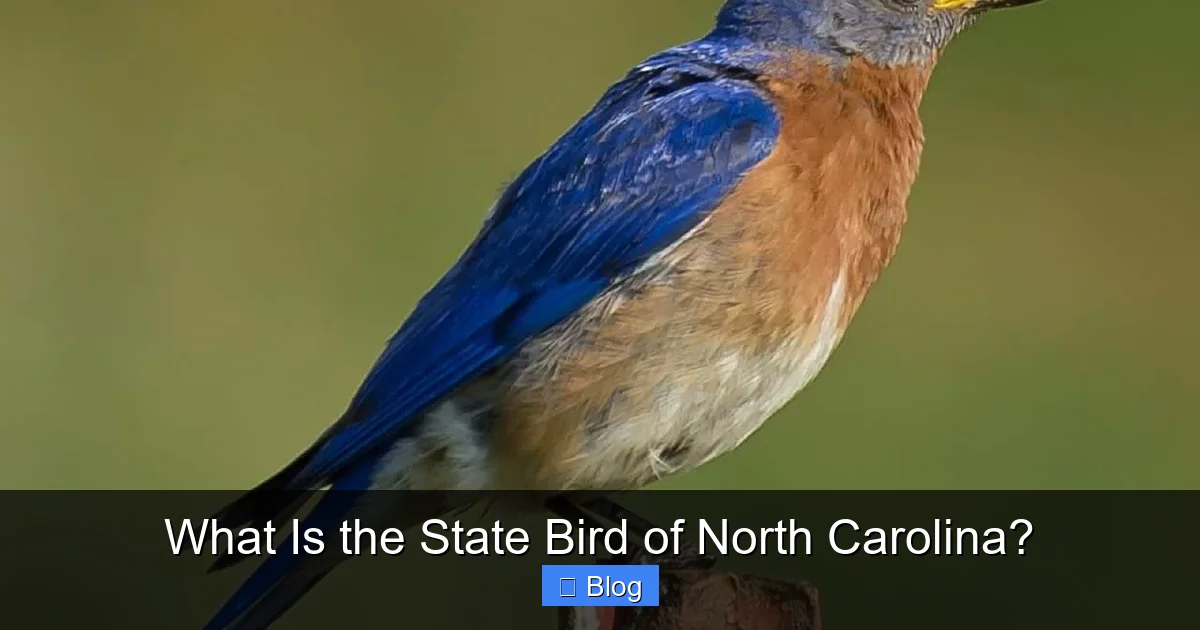
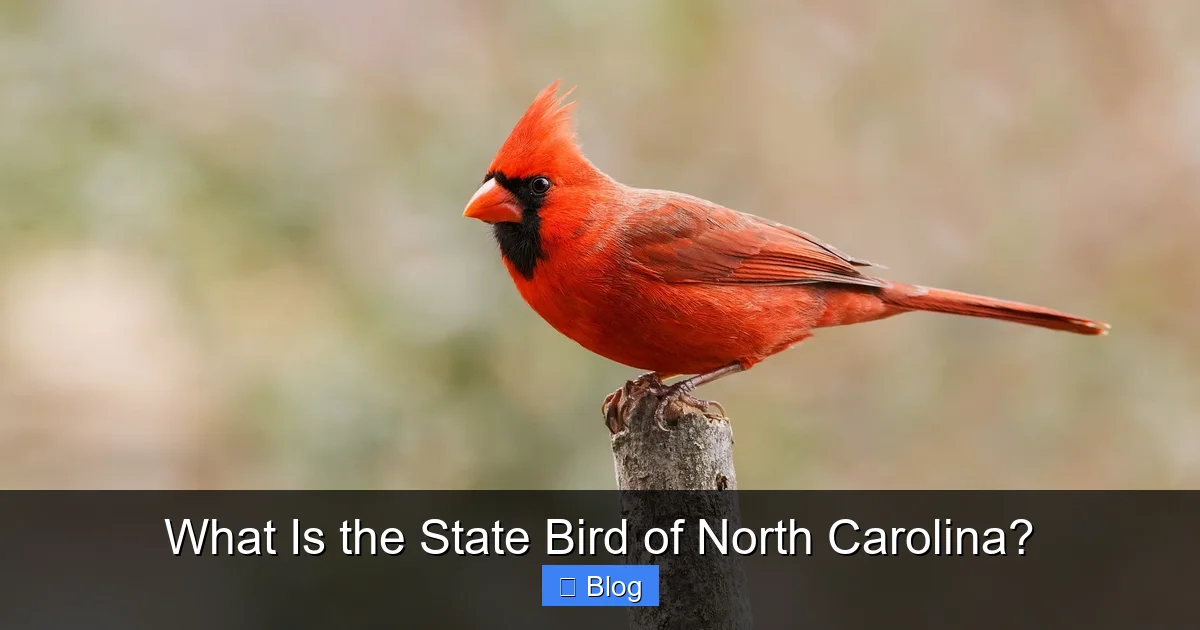
North Carolina’s official state bird is the Northern Cardinal, a strikingly beautiful and easily recognizable songbird chosen for its year-round presence and vibrant plumage. This beloved bird symbolizes cheer, devotion, and the natural beauty of the Old North State, delighting residents with its bright colors and melodic song throughout all seasons.
Ah, North Carolina! A state brimming with natural beauty, from the majestic peaks of the Appalachian Mountains to the serene stretches of its Outer Banks. It’s a place where history whispers through ancient oak trees and vibrant ecosystems thrive. And within this rich tapestry of nature, one particular feathered friend stands out, embodying the spirit and charm of the Old North State. Have you ever wondered which bird proudly holds the title of the state bird of North Carolina?
If you’ve spent any time enjoying the state’s beautiful outdoors, you might already have a strong guess. This bird is a year-round resident, easily recognizable, and truly a delight to behold. Its vibrant colors and cheerful song bring a touch of magic to backyards, parks, and forests alike, making it an unofficial ambassador of North Carolina’s natural wonders. Let’s embark on a journey to discover this iconic avian resident and learn why it was chosen to represent such a diverse and beloved state.
The answer, for those eager to know, is none other than the magnificent Northern Cardinal. This isn’t just any bird; it’s a symbol of resilience, beauty, and unwavering presence, much like the people and landscapes of North Carolina themselves. In this comprehensive guide, we’ll dive deep into the world of the Northern Cardinal, exploring its characteristics, significance, and what makes it such a cherished part of North Carolina’s identity. So, get ready to spread your wings and learn all about what is the state bird of North Carolina!
Key Takeaways
- The Northern Cardinal is North Carolina’s State Bird: Designated in 1943, this vibrant red bird holds a special place in the hearts of North Carolinians, symbolizing the state’s natural beauty and resilience.
- Year-Round Resident: Unlike many migratory birds, the Northern Cardinal remains in North Carolina throughout the year, making it a familiar and cherished sight even in winter.
- Distinctive Appearance: Male cardinals are famous for their brilliant red plumage, black facial mask, and prominent crest, while females showcase a beautiful reddish-brown hue with red accents.
- Melodious Song: Cardinals are known for their varied and cheerful songs, often described as whistles or “cheer, cheer, cheer,” adding a lively soundtrack to North Carolina’s landscapes.
- Ecosystem Importance: As a seed and insect eater, the Northern Cardinal plays a vital role in local ecosystems, helping with seed dispersal and pest control.
- Easy to Attract: With the right bird feeders (especially platform or hopper styles), black oil sunflower seeds, a reliable water source, and dense shrubbery for shelter, you can easily invite cardinals into your backyard.
- Symbol of Hope and Devotion: Beyond its official status, the cardinal is often seen as a symbol of hope, renewal, and love, resonating deeply within the state’s culture.
Quick Answers to Common Questions
What is the official state bird of North Carolina?
The official state bird of North Carolina is the Northern Cardinal.
When was the Northern Cardinal designated as North Carolina’s state bird?
The Northern Cardinal was designated as the state bird of North Carolina on March 4, 1943.
Do Northern Cardinals migrate out of North Carolina for the winter?
No, Northern Cardinals are non-migratory and remain in North Carolina throughout the year, making them a familiar sight even in winter.
What do Northern Cardinals primarily eat?
Northern Cardinals primarily eat seeds, especially black oil sunflower seeds, but they also consume fruits, berries, and insects.
What is the most distinguishing feature of a male Northern Cardinal?
The most distinguishing feature of a male Northern Cardinal is its brilliant, all-over cardinal red plumage, along with a prominent crest and a black facial mask.
📑 Table of Contents
- Unveiling North Carolina’s Feathered Ambassador: The Northern Cardinal
- Meet the Northern Cardinal: A Closer Look at its Charms
- The Cardinal’s Significance in North Carolina Culture and Ecology
- Attracting Cardinals to Your North Carolina Yard
- Beyond the Cardinal: Other Notable Birds of North Carolina
- Protecting Our Feathered Friends: Conservation Efforts
- Conclusion
Unveiling North Carolina’s Feathered Ambassador: The Northern Cardinal
For many residents and visitors alike, the sight of a brilliant red bird flitting through a wintery landscape or perched proudly on a summer branch is a truly heartwarming experience. This iconic bird, the Northern Cardinal, officially became the state bird of North Carolina on March 4, 1943. Its selection wasn’t just a random pick; it was a testament to its widespread presence, striking beauty, and the affection it garners from people across the state.
The Northern Cardinal: A Brilliant Choice
The decision to make the Northern Cardinal the state bird of North Carolina was relatively uncontroversial, reflecting its universal appeal. It’s a bird that doesn’t migrate south for the winter; instead, it remains a steadfast presence, providing a splash of color against the grays and whites of colder months. This year-round residency made it a perfect fit for a state that values consistency and enduring beauty. The legislature recognized its ubiquity and its ability to bring joy to anyone who catches a glimpse of its fiery plumage.
The Northern Cardinal wasn’t just chosen for its looks, however. It’s a robust and adaptable bird, thriving in a variety of habitats, from dense forests to suburban gardens. This adaptability mirrors the diverse landscapes of North Carolina itself, which stretch from the coastal plains to the Piedmont region and up into the Blue Ridge Mountains. Everywhere you go in North Carolina, you have a good chance of encountering this splendid state bird.
Why the Cardinal? A Brief History
The process of selecting a state bird often involves public sentiment, educational campaigns, and legislative approval. In North Carolina’s case, the cardinal’s popularity had been growing for years. Birdwatching had become a popular pastime, and the cardinal, with its distinctive appearance and cheerful song, was frequently cited as a favorite. School children often voted for it in informal polls, and nature enthusiasts championed its cause.
When the bill was introduced in the General Assembly, there was little opposition. The cardinal was seen as a symbol that could unite the state, representing natural beauty and vitality. Other states in the region, such as Virginia, West Virginia, Kentucky, Ohio, and Indiana, also recognized the cardinal as their state bird, further cementing its status as a beloved symbol of the American South and Midwest. Thus, in 1943, the Northern Cardinal officially became what is the state bird of North Carolina, a title it proudly holds to this day.
Meet the Northern Cardinal: A Closer Look at its Charms
To truly appreciate what is the state bird of North Carolina, it’s worth getting to know the Northern Cardinal up close. This is a bird that captivates with more than just its color; its behavior, song, and habits are equally fascinating, making it one of the most studied and adored birds in North America.
Visual guide about What Is the State Bird of North Carolina?
Image source: 50states.com
Dazzling Colors and Distinctive Features
The most striking feature of the Northern Cardinal is, undoubtedly, its color. The male cardinal is a sight to behold, adorned in a brilliant, almost iridescent, cardinal red that seems to glow against any backdrop. This vibrant hue is consistent across its body, from its head to its tail. He also boasts a distinctive black mask around his stout, cone-shaped, reddish-orange beak, and a prominent crest that he can raise or lower depending on his mood or level of excitement. This crest adds a regal touch, making him look perpetually alert and curious.
Female cardinals, while not as fiery red, are equally beautiful in their own right. Their plumage is a more subdued reddish-brown or olive tone, with reddish tinges on their wings, tail, and crest. They also share the male’s black mask and a similar reddish-orange beak. This subtle elegance allows them to blend into their surroundings more effectively, especially when nesting, but their flashes of red still make them stand out. Both sexes are relatively medium-sized songbirds, typically measuring about 8 to 9 inches in length with a wingspan of about 10 to 12 inches.
The Cardinal’s Captivating Song
Beyond its visual splendor, the Northern Cardinal is also an accomplished vocalist. Both male and female cardinals sing, which is somewhat unusual in the bird world where males are typically the primary singers. Their songs are a series of clear, loud whistles that can be quite varied. Common interpretations of their calls include “cheer, cheer, cheer,” “birdy, birdy, birdy,” or “what-cheer, what-cheer, what-cheer.” They also have a distinctive sharp “chip” call that they use as an alarm or contact note.
Cardinals are one of the first birds to sing in the morning, often before sunrise, and one of the last to sing at dusk. This early morning and late evening serenade adds a magical touch to any North Carolina day, reminding everyone of the constant presence of what is the state bird of North Carolina. Their songs are not just for aesthetic pleasure; they serve important functions, such as attracting mates, defending territory, and communicating with their young.
What Do Cardinals Eat?
Northern Cardinals are primarily granivores, meaning their diet largely consists of seeds. They have strong, thick beaks perfectly adapted for cracking open tough seeds. Their favorites include black oil sunflower seeds, safflower seeds, corn, and various wild seeds. However, they are also opportunistic eaters and will supplement their diet with a variety of other items, especially during nesting season when protein is crucial for their young.
Their diet often includes insects like beetles, grasshoppers, crickets, and cicadas, as well as spiders and snails. They also enjoy eating berries and fruits, such as those from dogwood, wild grape, and sumac plants. This varied diet allows them to thrive in different environments and ensures they get all the necessary nutrients throughout the year. If you’re looking to attract what is the state bird of North Carolina to your yard, providing a diverse food source is key.
Where Do Cardinals Live?
Northern Cardinals are not picky when it comes to habitat, which contributes to their widespread success and status as a year-round resident of North Carolina. They prefer areas with dense shrubbery for nesting and roosting, but also enjoy open spaces for foraging. You can find them in a variety of settings: suburban gardens, parks, woodlands, forest edges, swamps, and even desert environments. Their adaptability is truly remarkable.
In North Carolina, this means you can spot cardinals from the coastal marshlands all the way to the mountain forests. They build cup-shaped nests, typically low in dense bushes or small trees, where the female usually lays 2-5 eggs. Both parents participate in feeding the young, demonstrating a strong pair bond. It’s truly a delight to observe a family of what is the state bird of North Carolina raising their young in your own backyard!
The Cardinal’s Significance in North Carolina Culture and Ecology
The Northern Cardinal’s role as the state bird of North Carolina extends far beyond a mere designation. It deeply intertwines with the state’s cultural identity and plays a crucial part in its natural ecosystems. Its presence is a constant reminder of North Carolina’s rich biodiversity and its connection to the natural world.
Symbolism and State Pride
For many North Carolinians, the Northern Cardinal symbolizes more than just a beautiful bird; it represents home. Its unwavering presence through all four seasons evokes feelings of permanence, comfort, and cheer. During the often-dreary winter months, a flash of red against the snow or bare branches can be a vibrant beacon of hope and life. This resilience and steadfastness resonate with the state’s enduring spirit.
Culturally, the cardinal is also often associated with positive meanings like devotion, renewal, and spiritual messengers. Many people believe that seeing a cardinal signifies a visit from a loved one who has passed, bringing comfort and peace. This deep emotional connection further solidifies the cardinal’s place in the hearts of North Carolinians, making what is the state bird of North Carolina a beloved cultural icon.
Ecological Importance in North Carolina
Beyond its symbolic value, the Northern Cardinal plays a significant ecological role within North Carolina’s diverse environment. As seed dispersers, they contribute to plant propagation by consuming seeds and distributing them through their droppings. This helps maintain healthy plant communities and forest regeneration. Their consumption of various insects also aids in natural pest control, contributing to a balanced ecosystem.
As part of the food web, cardinals also serve as a food source for larger predators, such as hawks, owls, and snakes, contributing to the overall biodiversity and stability of North Carolina’s natural habitats. Their health and population are often indicators of the overall health of their environment, making them an important species to monitor for conservation efforts.
Connecting with Nature: Cardinal Sightings
Spotting a Northern Cardinal is a common, yet always special, occurrence in North Carolina. Whether you’re hiking in a state park, relaxing on a porch, or simply looking out your kitchen window, a cardinal sighting can instantly lift your spirits and deepen your connection to nature. This easy accessibility makes it an excellent gateway bird for aspiring birdwatchers of all ages.
Many North Carolina schools incorporate the state bird into their curriculum, teaching children about local wildlife and the importance of conservation. Festivals and local events sometimes feature the cardinal, further integrating what is the state bird of North Carolina into the community fabric and fostering a sense of pride in the state’s natural heritage. Its constant presence serves as a gentle reminder to pause, observe, and appreciate the living world around us.
Attracting Cardinals to Your North Carolina Yard
One of the joys of having the Northern Cardinal as the state bird of North Carolina is how relatively easy it is to attract these stunning birds to your own backyard. With a few simple steps, you can create an inviting habitat that will have these red beauties visiting regularly, bringing their vibrant colors and cheerful songs right to your doorstep.
The Right Food Makes All the Difference
Cardinals are particular about their food, and providing their favorites is the surest way to invite them in. Their absolute top choice is black oil sunflower seeds. These seeds have thinner shells than striped sunflower seeds, making them easier for the cardinal’s beak to crack. Offer these in platform feeders, hopper feeders, or even on the ground. Cardinals prefer sturdy feeders where they can perch comfortably, rather than clinging feeders.
Other popular choices include safflower seeds, which many other bird species don’t enjoy, making it a good option if you want to deter unwanted visitors. Crushed peanuts, corn, and even suet (especially in winter) can also attract cardinals. Remember to keep your feeders clean to prevent the spread of diseases, and replenish food regularly to keep your feathered friends coming back.
Water Sources are Essential
Just like any living creature, birds need water for drinking and bathing. A fresh, clean water source is just as important as food, if not more so, for attracting cardinals. A bird bath, even a simple shallow dish, can be a magnet for what is the state bird of North Carolina. Ensure the water is shallow (no more than 1-2 inches deep) with gently sloping sides to allow birds of all sizes to safely access it.
In colder North Carolina winters, consider a heated bird bath to prevent freezing, as natural water sources can become scarce. Place the bird bath in an open area, but near some shrubs or trees, providing a quick escape route from predators. Regularly clean the bird bath to prevent algae growth and mosquito breeding.
Providing Safe Shelter
Cardinals, like all birds, need safe places to hide from predators, roost at night, and build their nests. Dense shrubs, small trees, and evergreens provide excellent shelter. Consider planting native North Carolina shrubs like hollies, cedars, or dogwoods, which offer both protection and potential food sources (berries).
Allowing a section of your yard to grow a bit wild with native plants can create an ideal environment. Cardinals often build their nests in dense thickets, about 3-15 feet off the ground. Providing this kind of cover makes your yard feel safe and inviting, increasing the chances of them becoming permanent residents.
Creating a Cardinal-Friendly Habitat
Beyond food, water, and shelter, a few other tips can make your yard irresistible to the Northern Cardinal. Minimize pesticide use, as cardinals eat insects and ingesting contaminated prey can harm them. Create brush piles in a quiet corner of your yard; these provide excellent foraging opportunities and additional cover.
Consider planting berry-producing shrubs and trees. In North Carolina, plants like serviceberry, elderberry, and wild grape will provide natural food sources that cardinals love. By thinking holistically about their needs, you can transform your backyard into a thriving haven for what is the state bird of North Carolina and a host of other wonderful wildlife.
Beyond the Cardinal: Other Notable Birds of North Carolina
While the Northern Cardinal proudly holds the title of the state bird of North Carolina, the state’s avian diversity is incredibly rich and varied. North Carolina is a birdwatcher’s paradise, boasting over 470 recorded bird species due to its diverse habitats, from coastal beaches to mountain forests. Exploring these other birds adds another layer to understanding the state’s natural beauty.
Coastal Birdwatching Hotspots
North Carolina’s extensive coastline, including the Outer Banks, is a crucial stopover and breeding ground for numerous shorebirds and seabirds. Here, you can spot magnificent species like the Great Blue Heron, gracefully stalking fish in shallow waters, or the elegant Snowy Egret with its delicate plumes. Ospreys are a common sight, soaring overhead before diving for their catch, especially around estuaries and sounds.
During migration seasons, the beaches and marshes teem with thousands of sandpipers, plovers, and terns. You might even catch a glimpse of the rare Piping Plover or the iconic Brown Pelican, effortlessly gliding just above the waves. These coastal areas offer a stark contrast to the inland habitats of the state bird of North Carolina, showcasing a completely different set of adaptations and behaviors.
Mountain Raptors and Songbirds
Venture westward into North Carolina’s Appalachian Mountains, and the birdlife changes dramatically. The mature forests and high peaks are home to an impressive array of species. Raptors like the Red-tailed Hawk and Broad-winged Hawk soar on thermals, while various owl species, including the Great Horned Owl and Barred Owl, hunt silently in the dense woods.
The mountains are also a haven for migratory songbirds during the breeding season. Warblers, vireos, and thrushes fill the air with their complex songs. Species like the Black-throated Green Warbler, Ovenbird, and Veery thrive in these cooler, forested environments. Even in the mountains, you’ll still find what is the state bird of North Carolina, adapting to the higher elevations, proving its versatility.
Backyard Favorites
Beyond the cardinal, many other beautiful birds frequent North Carolina backyards. The lively Carolina Chickadee and Tufted Titmouse are common feeder visitors, known for their acrobatic antics. The melodic Eastern Bluebird brings a flash of bright sky-blue, especially when they take up residence in birdhouses. Doves, such as the Mourning Dove, are frequent ground feeders, and woodpeckers like the Downy Woodpecker and Northern Flicker add a dash of color and interesting pecking sounds.
Hummingbirds, particularly the Ruby-throated Hummingbird, are also a summer delight, darting among nectar feeders and flowers. Each of these species, along with the beloved state bird of North Carolina, contributes to the rich avian tapestry that makes North Carolina such a special place for nature lovers and birdwatchers.
Protecting Our Feathered Friends: Conservation Efforts
While the Northern Cardinal population is currently stable and widespread, the health of what is the state bird of North Carolina and other bird species is not guaranteed without ongoing conservation efforts. Birds face numerous challenges in our changing world, and understanding these threats is the first step toward protecting them.
Challenges Facing Birds Today
Habitat loss is arguably the biggest threat to bird populations worldwide, and North Carolina is no exception. Urbanization, agricultural expansion, and deforestation reduce the natural spaces birds need for nesting, foraging, and shelter. Pesticides and other chemical pollutants can directly harm birds or reduce their food sources, impacting reproductive success and survival.
Climate change poses a long-term threat, altering migration patterns, breeding cycles, and the availability of food and water. Other significant issues include window collisions, predation by outdoor cats, and light pollution which can disorient migrating birds. Even for a common species like what is the state bird of North Carolina, these cumulative pressures can have an impact over time.
How You Can Help
There are many ways individuals can contribute to bird conservation right in their own North Carolina communities. One of the most impactful actions is to create bird-friendly habitats in your own yard, as discussed earlier. Planting native trees, shrubs, and flowers provides essential food and shelter and reduces the need for harmful pesticides. Native plants also support insect populations, which are a vital food source for many birds, especially during nesting season.
Reducing window collisions is another important step. Placing decals or screens on windows can help birds see the glass. Keeping cats indoors is crucial, as domestic cats are a significant predator of birds. Supporting local land trusts and conservation organizations also plays a vital role in protecting larger tracts of critical bird habitat across North Carolina.
Finally, becoming an informed birdwatcher and citizen scientist can make a difference. Participating in bird counts like the Great Backyard Bird Count or eBird helps scientists monitor bird populations and identify areas where conservation efforts are most needed. By taking these actions, you help ensure that the vibrant presence of what is the state bird of North Carolina, and countless other species, continues to grace our landscapes for generations to come.
Conclusion
The journey to understand what is the state bird of North Carolina brings us full circle to the beautiful, resilient, and utterly charming Northern Cardinal. Designated in 1943, this crimson gem perfectly encapsulates the spirit of the Old North State – steadfast, vibrant, and always present. From its dazzling plumage and melodious song to its adaptability and ecological importance, the cardinal truly is a deserving emblem.
Whether you’re a lifelong North Carolinian or a curious visitor, the Northern Cardinal offers a constant connection to the state’s rich natural heritage. Its year-round presence reminds us of the enduring beauty that thrives in our backyards, forests, and wild spaces. By taking simple steps to support these magnificent creatures, we not only ensure their continued existence but also enrich our own lives with the joy and wonder they bring.
So, the next time you catch a flash of brilliant red against the green of summer or the white of winter, take a moment to appreciate this special bird. It’s more than just a pretty face; it’s a living symbol of North Carolina, a beacon of cheer, and a reminder of the profound beauty that nature generously offers. Long live the Northern Cardinal, North Carolina’s beloved state bird!
Frequently Asked Questions
What other states have the Northern Cardinal as their state bird?
Several other states also recognize the Northern Cardinal as their state bird, including Virginia, West Virginia, Kentucky, Ohio, Illinois, Indiana, and Delaware. This highlights its widespread appeal and recognition across different regions of the U.S.
How long do Northern Cardinals typically live in the wild?
In the wild, Northern Cardinals typically live for about 3 to 5 years, though some individuals have been known to live much longer, with records up to 15 years. Their lifespan can be influenced by factors like food availability, predator presence, and environmental conditions.
Can female Northern Cardinals sing?
Yes, unlike many other bird species where only males sing, both male and female Northern Cardinals are known to sing. Their songs are often used to communicate with mates and to defend their territory.
Are Northern Cardinals aggressive towards other birds at feeders?
Northern Cardinals can sometimes be assertive or territorial at feeders, especially when resources are scarce. However, they generally coexist peacefully with other bird species, and their brief displays of dominance rarely lead to serious conflict.
What is the significance of the cardinal’s crest?
The cardinal’s prominent crest is not just for show; it serves as a communication tool. A cardinal might raise its crest when alarmed, excited, or feeling aggressive, and lower it when relaxed or submissive. It’s a visual indicator of their mood and intentions.
Do Northern Cardinals mate for life?
Northern Cardinals are generally monogamous and often form strong pair bonds, sometimes mating for multiple breeding seasons, though not necessarily for their entire lives. They exhibit cooperative behaviors during nesting, with both parents caring for the eggs and young.