
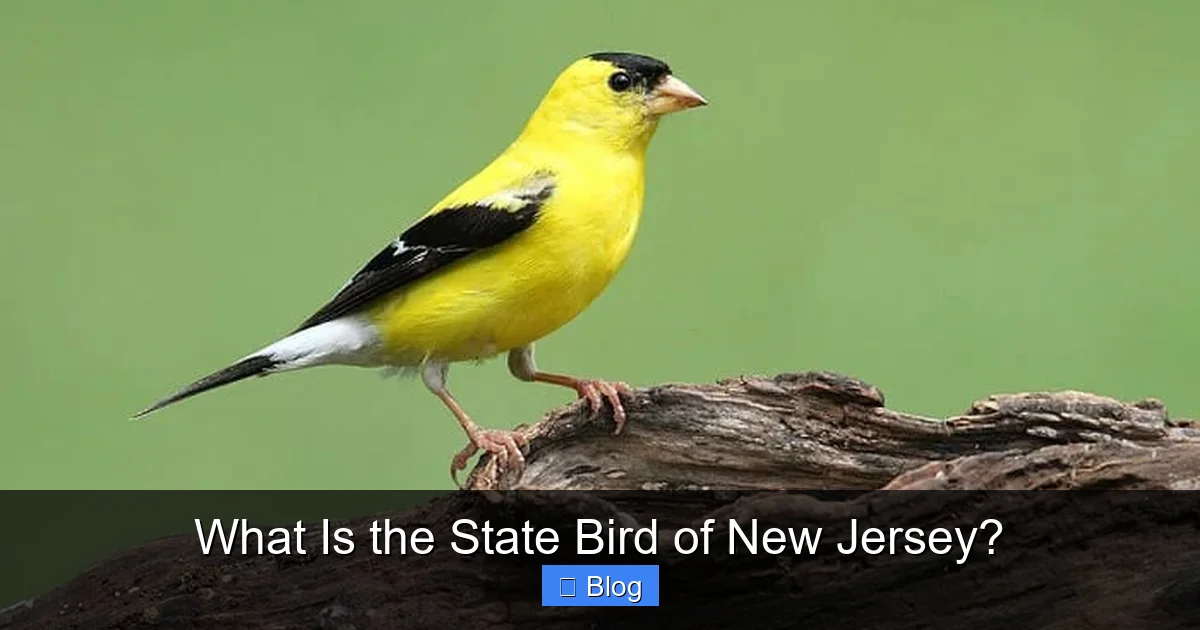
Ever wondered what is the state bird of New Jersey? It’s the vibrant American Goldfinch! This cheerful, seed-loving bird, known for its brilliant yellow plumage and late nesting habits, perfectly embodies the beauty and resilience of the Garden State. Discover its unique characteristics, preferred habitats, and why it proudly represents New Jersey, inspiring residents to connect with local wildlife and appreciate the natural world around them.
New Jersey, often affectionately known as the Garden State, is a place of surprising natural beauty, from its extensive pinelands to its picturesque coastline. Amidst the bustling cities and quiet suburbs, a vibrant array of wildlife thrives, adding splashes of color and melody to our daily lives. Every state proudly selects an official symbol to represent its unique character, and New Jersey is no exception. This got us thinking: Have you ever paused to consider what is the state bird of New Jersey?
For many, the answer might not immediately spring to mind, yet this feathered representative holds a special place in the hearts of New Jerseyans and truly embodies the essence of our diverse landscape. Identifying our state bird isn’t just a fun piece of trivia; it’s an opportunity to connect with local wildlife, understand our natural heritage, and perhaps even discover a new appreciation for the chirping visitors in our own backyards. So, let’s embark on a delightful journey to uncover the identity of New Jersey’s official avian ambassador.
Prepare to be enchanted by a bird known for its striking appearance, cheerful song, and interesting habits. This article will not only reveal what is the state bird of New Jersey but also delve into its fascinating life story, from its vibrant plumage to its unique diet and nesting behaviors. We’ll explore why this particular bird was chosen, where you can spot it, and even how you can encourage these beautiful creatures to visit your garden. Get ready to meet a truly special resident of the Garden State!
Key Takeaways
- The American Goldfinch is New Jersey’s State Bird: Officially designated in 1935, this vibrant bird represents the beauty and spirit of the Garden State.
- Distinctive Plumage: Males are famous for their brilliant lemon-yellow body and black wings with white bars in summer, while females and winter males have a more subdued olive-yellow hue.
- Strictly Vegetarian Diet: Goldfinches are unique among common backyard birds for their diet, consisting almost entirely of seeds, particularly thistle, sunflower, and nyjer seeds.
- Late Nesters: Unlike most birds, American Goldfinches delay their nesting until mid-to-late summer (July-September), coinciding with the peak availability of thistle and other seed-bearing plants.
- Preferred Habitats: They thrive in open, weedy fields, meadows, suburban gardens, and forest edges where seed-producing plants are abundant.
- Symbol of Joy and Resilience: The goldfinch’s cheerful song, bright appearance, and adaptability make it a beloved symbol, encouraging appreciation for New Jersey’s natural heritage.
Quick Answers to Common Questions
What is the state bird of New Jersey?
The state bird of New Jersey is the American Goldfinch (Spinus tristis).
When was the American Goldfinch designated as New Jersey’s state bird?
The American Goldfinch was officially designated as New Jersey’s state bird on June 27, 1935.
What do American Goldfinches primarily eat?
American Goldfinches are almost exclusively vegetarian, primarily feeding on seeds, especially those from thistles, dandelions, and sunflowers.
Do male and female goldfinches look the same?
No, during the breeding season, males are bright lemon-yellow with a black cap, while females are a duller olive-yellow without the black cap. In winter, both sexes have more subdued, olive-brown plumage.
When do goldfinches typically nest?
American Goldfinches are known for their late nesting season, typically breeding from July through September, coinciding with the peak availability of thistle seeds.
📑 Table of Contents
- Unveiling the Feathered Jewel: The American Goldfinch
- Meet the American Goldfinch: A Burst of Sunshine
- Where the Goldfinch Calls Home: Habitat and Habits
- Symbolism Beyond the Feathers: Why the American Goldfinch Represents New Jersey
- Attracting and Appreciating Your State Bird
- Conclusion: Celebrating New Jersey’s Feathered Ambassador
Unveiling the Feathered Jewel: The American Goldfinch
Without further ado, let’s put an end to the suspense! The official state bird of New Jersey is none other than the magnificent American Goldfinch (Spinus tristis). This charming bird was designated as the state bird on June 27, 1935, by a resolution of the New Jersey Legislature. It’s a choice that perfectly reflects the state’s natural beauty, resilience, and connection to the wilder aspects of its landscape. If you’ve ever seen one, you’ll instantly understand why this little bird, bursting with color and life, was chosen to represent our state.
A Bit of History: How the Goldfinch Flew to Fame
The journey to becoming New Jersey’s state bird wasn’t an overnight affair. The concept of state birds gained popularity in the early 20th century as a way to promote conservation and educate citizens, especially schoolchildren, about local wildlife. Various groups, including garden clubs, birdwatching societies, and school organizations, often played a significant role in advocating for specific birds. For New Jersey, the American Goldfinch emerged as a beloved contender. Its widespread presence across the state, its distinctive appearance, and its association with open fields and gardens made it a popular choice.
The legislative decision in 1935 solidified its status, making it a permanent symbol. This timing was crucial, as conservation efforts were gaining traction, and highlighting a native species like the American Goldfinch helped foster a sense of pride and responsibility towards environmental protection. Since then, the American Goldfinch has been a consistent emblem, appearing in educational materials, state parks, and often cited in discussions about what is the state bird of New Jersey.
Meet the American Goldfinch: A Burst of Sunshine
The American Goldfinch is undeniably one of North America’s most recognizable and beloved birds, and its status as the state bird of New Jersey is well-earned. What truly sets this bird apart is its dazzling appearance, which changes remarkably with the seasons.
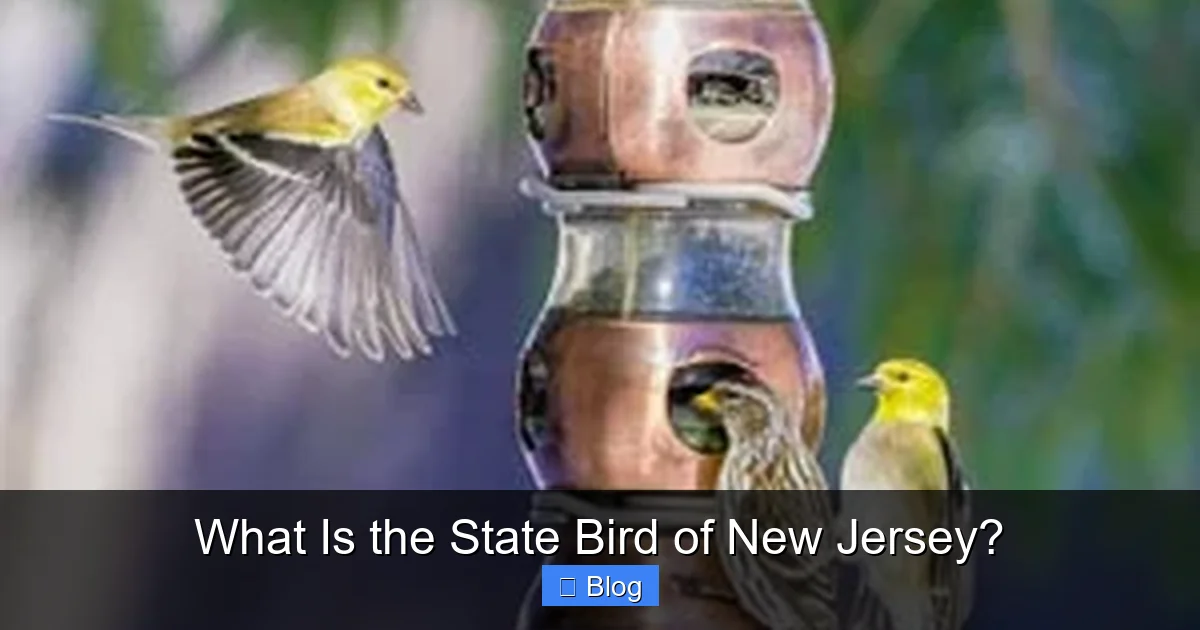
Visual guide about What Is the State Bird of New Jersey?
Image source: thayerbirding.com
Brilliant Plumage: A Dazzling Display
During the breeding season, typically from late spring through summer, the male American Goldfinch is a sight to behold. He transforms into a brilliant lemon-yellow, almost glowing against the green foliage. This vibrant yellow covers most of his body, contrasted sharply by jet-black wings with prominent white wing bars and a distinct black cap on his head. His small, conical, pinkish-orange bill is perfectly adapted for cracking seeds. This striking summer plumage is what most people picture when they think of an American Goldfinch and definitely helps explain why it was chosen as the state bird of New Jersey.
The female, while still attractive, is a bit more subdued. She sports a duller yellow, often an olive-yellow or brownish-yellow, lacking the male’s bright cap. Her wings are also blackish with white bars, but her overall coloration provides better camouflage, which is essential during nesting.
Seasonal Transformations: More Than Meets the Eye
One of the most fascinating aspects of the American Goldfinch is its molting pattern, which leads to dramatic seasonal changes in its appearance. Unlike many songbirds that molt once a year, goldfinches undergo two complete molts annually.
- Summer Splendor: As mentioned, the males are at their peak brightness in summer, ready to attract mates.
- Winter Wardrobe: As autumn approaches, both males and females molt into their winter plumage. The male loses his brilliant yellow and black cap, becoming a much duller, buffy brown or olive-yellow, quite similar to the female’s year-round look. His black wings and white wing bars remain, offering the best way to distinguish him from a female in winter. The females also become browner, blending in even more with the winter landscape. This change in coloration helps them evade predators during the colder months when camouflage is critical.
Observing these transformations throughout the year is a delight for birdwatchers and a wonderful way to appreciate the adaptability of the state bird of New Jersey. Even in winter, when the landscape might seem drab, a flock of goldfinches, even in their muted tones, brings a lively spirit to fields and feeders.
Where the Goldfinch Calls Home: Habitat and Habits
Understanding what is the state bird of New Jersey also means understanding its lifestyle and preferred environment. The American Goldfinch is remarkably adaptable, which contributes to its widespread presence across New Jersey and beyond.
Preferred Habitats: Open Spaces and Weedy Wonders
American Goldfinches are not forest dwellers. Instead, they prefer open, weedy fields, meadows, cultivated areas, roadsides, and suburban gardens – essentially any place where seed-bearing plants are abundant. You’ll often find them flitting among thistle patches, sunflower fields, or foraging in backyard feeders. Their flight pattern is distinctive: a bouncy, undulating flight, often accompanied by a cheerful “po-ta-to-chip” call, making them easy to identify even at a distance.
In New Jersey, these habitats are plentiful, from the vast agricultural lands in the southern part of the state to the many parks and green spaces found even in more developed regions. This broad distribution makes it relatively easy for residents across the state to encounter their official state bird, fostering a deeper connection to their natural surroundings.
A Seed-Loving Specialist: What’s on the Menu?
One of the most unique aspects of the American Goldfinch is its diet. Unlike most songbirds, which feed their young insects, goldfinches are almost exclusively vegetarian, even when feeding their nestlings. Their diet consists almost entirely of seeds, particularly those from thistles, dandelions, sunflowers, and nyjer (Guizotia abyssinica). Their small, conical bills are perfectly shaped for extracting tiny seeds from composite flower heads.
This specialized diet explains their late nesting schedule. They wait until mid to late summer, typically July through September, when thistle and other seed plants are abundant and mature. This ensures a plentiful food supply for their young, a strategy that sets them apart from many other bird species that breed earlier in the spring. This fascinating dietary preference is a key characteristic that defines the state bird of New Jersey.
Late Nesters: A Unique Breeding Strategy
As mentioned, American Goldfinches are renowned for their late breeding season. They are among the last North American passerines to nest. Building their nests high in shrubs or small trees, the female constructs a tightly woven cup-shaped nest, often using spider silk, plant fibers, and thistle down. These nests are so compact and well-built that they can even hold water, a testament to the female’s engineering skills!
The female typically lays 4-6 pale bluish-white eggs, which she incubates while the male brings her food. Once hatched, both parents feed the nestlings a diet of regurgitated seeds. This late nesting strategy ensures that their young fledge just as the autumn migration season begins for many other birds, making them perfectly timed for a bounty of fresh seeds. This distinctive life cycle is a hallmark of the state bird of New Jersey.
Symbolism Beyond the Feathers: Why the American Goldfinch Represents New Jersey
The choice of the American Goldfinch as New Jersey’s state bird is more than just an arbitrary selection; it’s a symbolic reflection of various qualities cherished by the state and its people. This vibrant bird embodies attributes that resonate deeply with the spirit of the Garden State.
Nature’s Resilience and Adaptability
Like many New Jerseyans, the American Goldfinch demonstrates remarkable resilience and adaptability. It thrives in various environments, from untouched meadows to bustling suburban gardens, finding sustenance and shelter wherever it goes. This ability to adapt and flourish, even in changing landscapes, mirrors New Jersey’s own dynamic character, a state that balances urban development with vast natural preserves and agricultural lands.
Its migratory patterns, though sometimes subtle (some populations are resident, while others migrate short distances), also speak to a connection with broader natural cycles and the ever-changing seasons that define life in New Jersey. This resilience makes the American Goldfinch a fitting symbol for the state.
A Touch of Joy and Beauty
Perhaps the most obvious reason for its selection is its sheer beauty and the joy it brings. The male’s brilliant yellow plumage against the backdrop of summer greenery is a breathtaking sight. Its cheerful, undulating flight and melodic, sometimes twittering, song add a lively soundtrack to our outdoor spaces. The presence of the state bird of New Jersey evokes feelings of happiness, natural wonder, and a sense of calm.
In a state that prides itself on its “Garden” status, a bird that frequents gardens and meadows, feasting on the seeds of beautiful plants, is a natural fit. It’s a living jewel that reminds us to appreciate the smaller, more delicate wonders of our local ecosystems, reinforcing the importance of preserving these habitats for future generations. This vivid connection to beauty is central to understanding what is the state bird of New Jersey.
Connection to Agriculture and Natural Abundance
New Jersey has a rich agricultural heritage, and while perhaps not directly a farm animal, the goldfinch’s preference for seeds from common field and garden plants links it to the state’s natural abundance and farming traditions. It reminds us of the cycles of growth, harvest, and the interconnectedness of all living things within our environment. This subtle connection reinforces the goldfinch’s role as a symbol for a state that truly lives up to its “Garden” moniker.
Attracting and Appreciating Your State Bird
Now that you know what is the state bird of New Jersey, you might be eager to see more of these delightful creatures. The good news is that American Goldfinches are relatively easy to attract to your backyard, especially if you create a welcoming environment for them.
Creating a Goldfinch-Friendly Yard: Tips for Success
If you want to enjoy the vibrant presence of the state bird of New Jersey right outside your window, here are some practical tips:
- Plant Thistle and Sunflowers: Since seeds are their primary food source, planting native thistle varieties, coneflowers, asters, and sunflowers will naturally attract them. Allow some of these plants to go to seed, and you’ll often see goldfinches clinging to the seed heads, feasting.
- Offer Nyjer (Thistle) Seeds: This is by far their favorite feeder food. Nyjer seeds are tiny, so you’ll need a special thistle feeder, which has very small openings or a mesh sock feeder, to offer them. Goldfinches will often visit these feeders in large groups.
- Provide Water: A bird bath with fresh, clean water is essential for all birds, including goldfinches, for drinking and bathing.
- Avoid Pesticides: Since goldfinches rely on seeds, minimizing pesticides in your garden ensures a healthier, more natural food source and overall environment for them and other wildlife.
- Offer Shelter: Planting dense shrubs or small trees can provide safe roosting and nesting spots, though they prefer open areas for foraging.
Birdwatching Tips: Spotting the Goldfinch
Goldfinches are active during the day, making them great subjects for birdwatching. Here’s how to increase your chances of spotting the state bird of New Jersey:
- Best Times: They are often most active in the morning and late afternoon.
- Listen for Their Song: Their cheerful, warbling song, often described as a series of “potato-chip” calls as they fly, is a distinctive identifier. Learning their calls can help you locate them even before you see them.
- Look in Open Areas: Scan fields, meadows, and areas with tall weeds or seed-bearing plants. Don’t forget your feeders!
- Observe Their Flight: Their characteristic undulating or “bouncy” flight pattern is a key visual clue.
By implementing these simple strategies, you can transform your yard into a haven for the American Goldfinch and enjoy the beauty and vitality it brings.
Conclusion: Celebrating New Jersey’s Feathered Ambassador
So, what is the state bird of New Jersey? It is, without a doubt, the splendid American Goldfinch. This little bird, with its vibrant yellow plumage, distinctive song, and unique lifestyle, truly embodies the essence of the Garden State. From its late nesting habits centered around abundant thistle seeds to its cheerful presence in our fields and gardens, the American Goldfinch is a constant reminder of the natural wonders that thrive amidst New Jersey’s diverse landscapes.
Understanding and appreciating our state bird goes beyond mere recognition; it fosters a deeper connection to our local environment and encourages conservation efforts. The American Goldfinch symbolizes resilience, joy, and the inherent beauty of nature, qualities that resonate strongly with the spirit of New Jersey. Its presence encourages us to slow down, observe, and protect the precious wildlife that shares our home.
Next time you see a flash of brilliant yellow against a summer sky, or hear a cheerful “po-ta-to-chip” call from a nearby meadow, take a moment to acknowledge New Jersey’s official avian ambassador. The American Goldfinch is more than just a symbol; it’s a living testament to the vibrant and enduring natural heritage of the Garden State, inviting us all to become better stewards of its beauty. Let’s celebrate and protect this beautiful creature for generations to come!
Frequently Asked Questions
Why was the American Goldfinch chosen as New Jersey’s state bird?
The American Goldfinch was chosen for its widespread presence across the state, its distinctive and beautiful plumage, and its cheerful disposition. It embodies the natural beauty and resilience found within New Jersey’s diverse landscapes, making it a beloved and fitting symbol.
Can I attract American Goldfinches to my backyard?
Absolutely! You can attract American Goldfinches by planting seed-producing plants like thistles, sunflowers, and coneflowers. Offering nyjer (thistle) seeds in a specialized feeder is also highly effective, as they are their favorite food source.
What is unique about the American Goldfinch’s diet?
American Goldfinches have a highly specialized, almost exclusively vegetarian diet, focusing on seeds rather than insects. This unique dietary preference dictates their late breeding season, as they wait for seeds, particularly thistle, to mature and become abundant.
Do American Goldfinches migrate?
Yes, American Goldfinches are partial migrants. While some populations in warmer areas might remain year-round, many individuals from northern regions will migrate shorter distances south during the colder months, though they don’t undertake long-distance migrations like some other bird species.
How can I distinguish between a male and female American Goldfinch?
During the summer breeding season, male goldfinches are unmistakable with their brilliant yellow body and black cap, contrasted by black wings with white bars. Females are a more subdued olive-yellow and lack the black cap. In winter, both sexes become duller, buffy-brown, making identification trickier, though males often retain some yellow on their shoulders.
Are American Goldfinches endangered?
No, thankfully, the American Goldfinch is not considered endangered. They are a common and widespread species throughout North America, and their populations are currently stable, making them a joyful and frequent sight in many areas, including New Jersey.