
Minnesota proudly recognizes the Common Loon as what is the state bird of Minnesota. This magnificent aquatic bird, with its distinctive black and white plumage and haunting calls, embodies the pristine wilderness of the Land of 10,000 Lakes. Its presence symbolizes the state’s commitment to nature and provides a unique soundtrack to its countless freshwater bodies, captivating residents and visitors alike with its wild beauty.
What Is the State Bird of Minnesota?
Minnesota, affectionately known as the “Land of 10,000 Lakes,” is a state renowned for its breathtaking natural beauty. From its expansive forests to its countless shimmering bodies of water, the North Star State offers a unique blend of rugged wilderness and serene landscapes. For generations, this natural splendor has captivated residents and visitors alike, fostering a deep appreciation for the environment and the creatures that call it home.
Every state boasts symbols that encapsulate its unique spirit and heritage. These emblems – from state flowers to state trees – tell a story about the land and its people. For Minnesota, one of the most beloved and iconic symbols is its state bird. This avian representative embodies the essence of the state’s pristine waters and vast wilderness, making it instantly recognizable and deeply cherished. If you’ve ever spent time near a clear, quiet lake in Minnesota, you’ve likely already encountered or at least heard the unmistakable presence of this magnificent creature.
So, for those wondering, “What is the state bird of Minnesota?” the answer lies in one of nature’s most extraordinary aquatic birds: the Common Loon. This article will dive deep into the world of Minnesota’s state bird, exploring its characteristics, history, habitat, and the vital role it plays in the state’s ecological and cultural landscape. Get ready to discover why the Common Loon is not just a bird, but a living symbol of Minnesota’s wild heart.
Key Takeaways
- Identity: The Common Loon (Gavia immer) is what is the state bird of Minnesota, officially designated in 1961.
- Symbolism: It is a powerful emblem of Minnesota’s vast, pristine wilderness, particularly its “Land of 10,000 Lakes,” reflecting the state’s natural beauty and commitment to conservation.
- Distinctive Traits: Loons are renowned for their striking black and white plumage, exceptional diving abilities, and their diverse, haunting vocalizations, including the iconic wail, yodel, tremolo, and hoot.
- Habitat and Habits: These migratory birds breed on Minnesota’s northern lakes, laying 1-3 eggs in nests close to the water, and are master fish hunters, perfectly adapted to aquatic life.
- Conservation Status: While generally stable in Minnesota, loons face threats from habitat loss, lead fishing tackle, mercury pollution, and human disturbance, necessitating ongoing conservation efforts.
- Cultural Significance: The Common Loon is deeply woven into Minnesota’s cultural fabric, featuring prominently in tourism, art, and the state’s overall identity, cherished by residents and recognized worldwide.
Quick Answers to Common Questions
Question 1?
What is the official state bird of Minnesota?
Answer 1?
The official state bird of Minnesota is the Common Loon (Gavia immer).
Question 2?
When was the Common Loon designated as Minnesota’s state bird?
Answer 2?
The Common Loon was officially designated as Minnesota’s state bird on March 19, 1961.
Question 3?
What are some distinctive calls of the Common Loon?
Answer 3?
The Common Loon is known for its distinctive wail, tremolo, yodel, and hoot calls.
Question 4?
Where do Common Loons typically nest?
Answer 4?
Common Loons typically nest on quiet, secluded coves or islands of clear freshwater lakes, close to the water’s edge.
Question 5?
What is a major threat to loons from human activity?
Answer 5?
A major threat to loons from human activity is the ingestion of lead fishing tackle, which can cause fatal lead poisoning.
📑 Table of Contents
- The Common Loon: What Is the State Bird of Minnesota?
- A Legacy of Lakes: Why the Loon Was Chosen
- Life on the Water: Habits and Habitat of Minnesota’s State Bird
- Protecting a Symbol: Conservation of the Common Loon
- Experiencing the Icon: Where and How to Observe Minnesota’s State Bird
- More Than Just a Bird: The Cultural Significance of the Common Loon
- Conclusion
The Common Loon: What Is the State Bird of Minnesota?
The majestic Common Loon (Gavia immer) proudly holds the title of what is the state bird of Minnesota. Officially designated on March 19, 1961, this striking bird is far more than just a pretty face; it’s a master of its aquatic environment, perfectly adapted to life on the northern lakes. Its presence is synonymous with untouched wilderness and clean, clear waters, making it an ideal ambassador for Minnesota.
Physically, the Common Loon is unmistakable. During its breeding season, typically from spring through early fall in Minnesota, adults display a stunning black and white plumage. They feature a glossy black head and neck, piercing red eyes that stand out against their dark feathers, and a distinctive white “necklace” pattern around the throat. Their back is a mosaic of black and white checks and stripes, complementing their streamlined body. These birds are quite large, generally ranging from 28 to 36 inches in length with a wingspan of up to five feet, giving them an imposing yet elegant presence on the water.
A Bird Built for Water
Loons are primarily aquatic birds, meaning they spend most of their lives on water. Their legs are set far back on their bodies, which makes them incredibly agile swimmers and divers, allowing them to pursue fish with remarkable speed and precision. However, this adaptation also means they are quite clumsy on land, often only coming ashore to nest. When you see a loon, you’ll notice its powerful, paddle-like feet, which are key to its underwater prowess. Their heavy bones also aid in diving, helping them submerge quickly and stay underwater for extended periods.
The Voice of the Wilderness
Perhaps even more iconic than its appearance are the loon’s haunting and varied calls. These vocalizations are an integral part of the northern lake experience and instantly answer the question “What is the state bird of Minnesota?” through sound alone. Their diverse repertoire includes:
- The Wail: A long, mournful sound, often heard at dusk or dawn, used to communicate with other loons over long distances. It evokes a sense of wildness and solitude.
- The Tremolo: A high-pitched, almost maniacal laughter-like call, often used when feeling alarmed or threatened, or when flying.
- The Yodel: A complex, rising and falling call unique to male loons, often heard during territorial disputes. Each male’s yodel is distinct.
- The Hoot: A soft, single-note call used for short-range communication between family members.
These calls are not just beautiful; they are a vital part of the loon’s social structure and warning system, contributing to the mystique of Minnesota’s lake country.
A Legacy of Lakes: Why the Loon Was Chosen
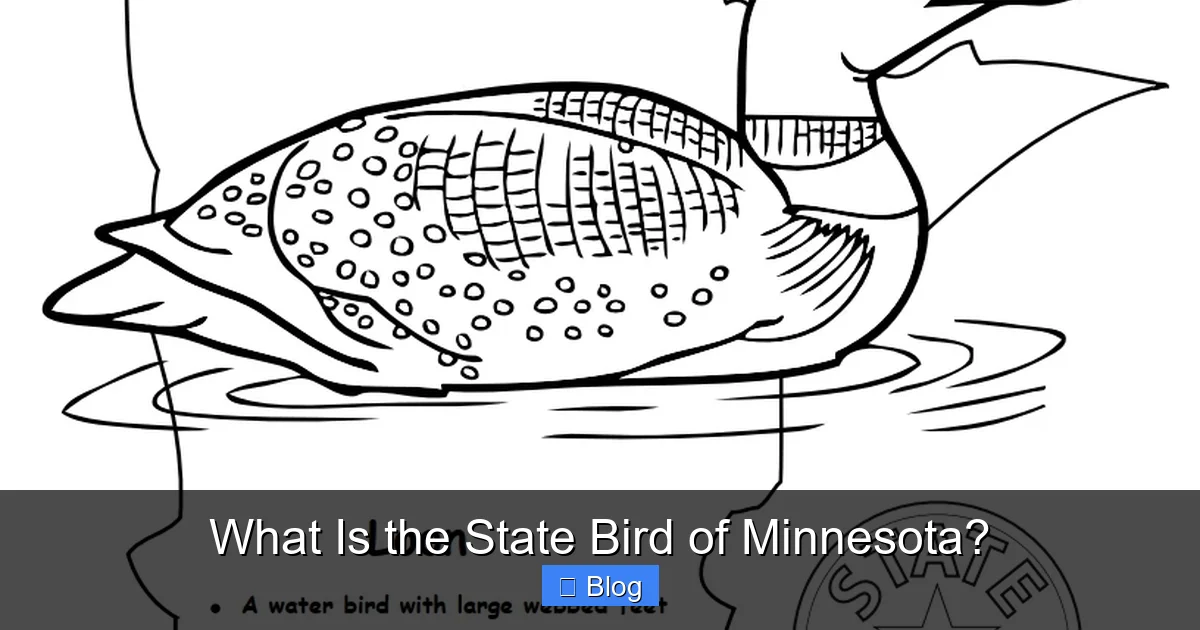
Visual guide about What Is the State Bird of Minnesota?
Image source: data.thuvientienganh.com
The selection of what is the state bird of Minnesota wasn’t merely arbitrary; it was a testament to the bird’s deep connection to the state’s natural identity. When the Common Loon was officially designated in 1961, it solidified a long-held informal recognition. Minnesotans had cherished this bird for decades, recognizing its symbolic fit with their beloved landscapes.
The primary reason for its selection is clear: the loon embodies the essence of Minnesota’s wilderness. With its thousands of lakes, Minnesota offers an ideal habitat for these birds, which require large, clear freshwater bodies for breeding. The loon’s wild calls resonate through the Northwoods, becoming the soundtrack to peaceful mornings and tranquil evenings on Minnesota’s waters. It represents the quiet majesty and untamed beauty that residents and tourists seek in the state’s natural areas.
Embodying Minnesota’s Spirit
The loon’s lifestyle reflects many qualities admired in Minnesota. It is resilient, independent, and deeply connected to its home territory. Its commitment to its young, often raising one or two chicks through meticulous care, also resonates with the strong family values found in the state. Furthermore, the loon is a wild creature, thriving in undisturbed environments, which serves as a constant reminder of the importance of preserving Minnesota’s pristine habitats. For many, the sight of a loon gliding across a glassy lake or hearing its haunting cry is the quintessential Minnesota experience, cementing its role as what is the state bird of Minnesota.
Life on the Water: Habits and Habitat of Minnesota’s State Bird
To truly appreciate what is the state bird of Minnesota, it’s essential to understand its fascinating life cycle and adaptations. Common Loons are migratory birds, spending their breeding season in the northern United States and Canada, including a significant population in Minnesota. As winter approaches, they migrate south to coastal waters along the Atlantic and Pacific oceans, and the Gulf of Mexico, where open water and abundant food sources are available.
Nesting and Rearing Young
In Minnesota, loons typically arrive back on their breeding lakes as soon as the ice melts, usually in April or May. They are very particular about their nesting sites, preferring quiet, secluded coves or islands that offer protection from predators and human disturbance. Their nests are simple affairs, often just a mound of vegetation and mud built close to the water’s edge, allowing easy access for incubation and escape.
Female loons typically lay one to three, but most commonly two, olive-brown, speckled eggs. Both parents share incubation duties, which last for about 28 days. Once hatched, the loon chicks are precocial, meaning they are relatively mature and mobile from birth. They can swim shortly after hatching, often riding on their parents’ backs for warmth and protection from predators like eagles and large fish. This behavior is incredibly endearing and a favorite sight for those lucky enough to witness it. The parents diligently care for their young throughout the summer, teaching them how to dive and hunt for fish, until they are old enough to fend for themselves, typically by late summer or early fall.
A Hunter’s Life Underwater
Loons are expert fish hunters, and their diet primarily consists of small to medium-sized fish like perch, minnows, and sunfish. They are visual hunters, relying on their keen eyesight to spot prey underwater. A loon can dive to depths of over 200 feet and stay submerged for several minutes, propelling themselves with their powerful feet. Their streamlined bodies and ability to adjust their buoyancy make them incredibly efficient predators, perfectly adapted to their aquatic environment. This aquatic prowess is another reason why what is the state bird of Minnesota is so special.
Protecting a Symbol: Conservation of the Common Loon
While the Common Loon population in Minnesota is generally stable, the state bird of Minnesota faces a number of threats that require ongoing conservation efforts. The health of the loon population is often seen as an indicator of the overall health of Minnesota’s aquatic ecosystems, making their protection crucial not just for the species, but for the entire environment.
Challenges Facing the Loon
Several factors put loons at risk:
- Lead Fishing Tackle: One of the most significant threats comes from lead fishing sinkers and jigs. Loons, when preening or feeding, can accidentally ingest lost lead tackle from the bottom of lakes. Lead poisoning is often fatal for loons, as even a small amount can cause severe neurological damage and death.
- Habitat Loss and Degradation: Development along lake shores can reduce critical nesting sites and increase human disturbance. Pollution from runoff and septic systems can also degrade water quality, impacting the fish populations that loons rely on.
- Human Disturbance: Excessive boat traffic, jet skis, and recreational activities can disturb nesting loons, causing them to abandon their nests or chicks. Noise pollution and close approaches by curious observers can also cause stress.
- Mercury Contamination: Mercury released into the atmosphere from industrial sources can settle in lakes, where it’s converted into methylmercury. This toxin accumulates up the food chain, and loons, being top predators, can ingest high levels, leading to reproductive failure and behavioral changes.
- Climate Change: Changes in weather patterns, including earlier ice-outs and increased severe storms, can impact nesting success and chick survival.
What Minnesotans Are Doing
Recognizing the importance of what is the state bird of Minnesota, various organizations, state agencies, and concerned citizens are actively involved in conservation efforts:
- Lead Tackle Exchange Programs: Many initiatives encourage anglers to exchange their lead tackle for safer, non-toxic alternatives like steel or tin, significantly reducing the risk of lead poisoning.
- Loon Monitoring Programs: Citizen science plays a huge role, with volunteers across the state monitoring loon nests, chick survival, and population trends. This data helps researchers understand loon health and informs conservation strategies.
- Habitat Protection: Land trusts and state agencies work to protect critical shoreline habitats, establishing no-wake zones, and educating property owners about loon-friendly landscaping.
- Public Education: Campaigns raise awareness about ethical loon viewing, the dangers of lead tackle, and the importance of minimizing disturbance, especially during nesting season.
- Research: Scientists continue to study loon behavior, diet, and health to better understand their needs and how to protect them from emerging threats.
These efforts demonstrate Minnesota’s commitment to ensuring that future generations will also be able to enjoy the sight and sound of what is the state bird of Minnesota.
Experiencing the Icon: Where and How to Observe Minnesota’s State Bird
For anyone visiting or residing in the Land of 10,000 Lakes, witnessing the Common Loon in its natural habitat is an unforgettable experience. Knowing where and how to observe what is the state bird of Minnesota ethically enhances this encounter and ensures the birds’ well-being.
Prime Loon Viewing Locations
While loons can be found on many of Minnesota’s larger, clearer lakes, especially those with quiet bays and islands, some areas are particularly renowned for their loon populations:
- Voyageurs National Park: This water-based park in northern Minnesota is a prime habitat for loons, offering vast stretches of interconnected lakes and channels.
- Boundary Waters Canoe Area Wilderness (BWCAW): A pristine wilderness area, the BWCAW is synonymous with loons. The quiet, motor-free lakes provide an ideal environment for these birds.
- Itasca State Park: Home to the headwaters of the Mississippi River, Itasca’s many lakes are also great spots to find loons.
- Smaller Northern Lakes: Many smaller, less developed lakes throughout northern Minnesota, particularly in the Brainerd Lakes Area, Park Rapids, and Grand Rapids regions, host breeding loons.
Generally, any lake over 10-20 acres in size with clear water and a healthy fish population in the northern half of the state has the potential to host loons.
Ethical Loon Watching
Observing loons responsibly is crucial for their safety and allows for a more rewarding experience for you.
- Maintain Distance: Always keep a respectful distance, especially if loons have chicks. Use binoculars or a spotting scope for close-up views. A general guideline is to stay at least 150 feet (about 50 yards) away.
- Avoid Nesting Sites: If you spot a loon nest, steer clear. Disturbing nesting loons can cause them to abandon their eggs or chicks, leaving them vulnerable to predators.
- Minimize Noise: Keep voices low and avoid sudden loud noises. Loons are sensitive to sound and can be easily startled.
- No Feeding: Never attempt to feed loons. It can alter their natural foraging behavior and make them dependent on humans, which is detrimental to their survival.
- Proper Waste Disposal: Always pack out what you pack in, and dispose of fishing line and tackle properly to prevent accidental ingestion by wildlife.
- Use Non-Lead Tackle: If you fish, commit to using non-lead sinkers and jigs to protect loons from lead poisoning.
By following these guidelines, you can ensure that your enjoyment of what is the state bird of Minnesota does not come at its expense.
More Than Just a Bird: The Cultural Significance of the Common Loon
The Common Loon is far more than just what is the state bird of Minnesota; it is a deeply ingrained symbol in the state’s cultural identity. Its image and calls evoke a sense of home, wilderness, and belonging for Minnesotans, and it plays a significant role in how the state is perceived by the outside world.
The Loon in Minnesota’s Identity
The loon’s iconic status is evident everywhere you look in Minnesota. Its image graces tourism brochures, local artwork, souvenirs, and even license plates. The sight of a loon is often the first thing people associate with a trip to Minnesota’s cabin country or a wilderness adventure. It represents the peace, tranquility, and natural escape that so many seek in the state’s lake regions.
For indigenous communities in Minnesota, particularly the Ojibwe (Anishinaabe), the loon (Maang) holds significant cultural and spiritual importance. It often appears in legends and stories, sometimes as a messenger or a symbol of strength and perseverance. Its distinctive calls are often interwoven with traditional narratives, highlighting a deep, ancient connection to the land and its creatures.
The loon is also a source of local pride. Minnesotans often share stories of their loon encounters, whether it’s hearing a wail across a foggy lake or spotting a chick riding on a parent’s back. This personal connection reinforces the loon’s status as a beloved member of the state’s natural family and underscores why it truly is what is the state bird of Minnesota. It’s a living, breathing testament to the wild beauty that defines the North Star State.
Conclusion
In conclusion, the answer to “What is the state bird of Minnesota?” is unequivocally the Common Loon. This magnificent bird, with its striking appearance, haunting calls, and unparalleled aquatic abilities, stands as a proud and fitting emblem for the Land of 10,000 Lakes. Its story is deeply intertwined with Minnesota’s natural heritage, reflecting the state’s pristine waters and vast wilderness areas.
Beyond its ecological role, the Common Loon holds a cherished place in the hearts of Minnesotans and is recognized globally as a symbol of the state’s wild beauty. Its continued presence serves as a reminder of the delicate balance of nature and the ongoing responsibility we share to protect our environment. By understanding and appreciating the Common Loon, we not only celebrate what is the state bird of Minnesota but also commit ourselves to preserving the precious landscapes it calls home for generations to come. So, the next time you find yourself by a Minnesota lake, listen closely for the soulful wail of the loon – it’s the sound of Minnesota itself.
Frequently Asked Questions
What makes the Common Loon a good symbol for Minnesota?
The Common Loon is an excellent symbol for Minnesota because it embodies the state’s vast, pristine wilderness and its “Land of 10,000 Lakes.” Its presence and haunting calls are synonymous with untouched nature, reflecting the serene beauty and commitment to conservation that defines Minnesota’s identity.
Do Common Loons stay in Minnesota all year round?
No, Common Loons are migratory birds. They spend their breeding season (spring and summer) on Minnesota’s northern lakes but migrate south to open coastal waters along the Atlantic and Pacific oceans, and the Gulf of Mexico for the winter months.
How can I tell the difference between a male and female loon?
It can be very difficult to distinguish between male and female loons based on appearance alone, as they have similar plumage. Males are generally slightly larger than females, but this difference is often not noticeable without direct comparison. The male’s distinctive “yodel” call is often used in territorial disputes and is unique to male loons.
What should I do if I see a loon nest?
If you see a loon nest, it’s crucial to maintain a respectful distance and avoid disturbing it. Approaching too closely can cause the adult loons to abandon their eggs or chicks, leaving them vulnerable to predators or exposure. Observe from afar with binoculars and keep noise to a minimum.
Are loons endangered in Minnesota?
While the Common Loon is not currently listed as endangered in Minnesota, it faces various threats. Factors like habitat degradation, lead fishing tackle, mercury contamination, and human disturbance all pose risks to their population, making ongoing conservation efforts essential for their continued well-being in the state.
What do loons eat?
Common Loons are expert fish hunters, and their diet primarily consists of small to medium-sized fish such as perch, minnows, sunfish, and suckers. They are visual predators, diving deep underwater to pursue and catch their prey with their powerful, specialized bills. They also occasionally eat crustaceans and insects.