
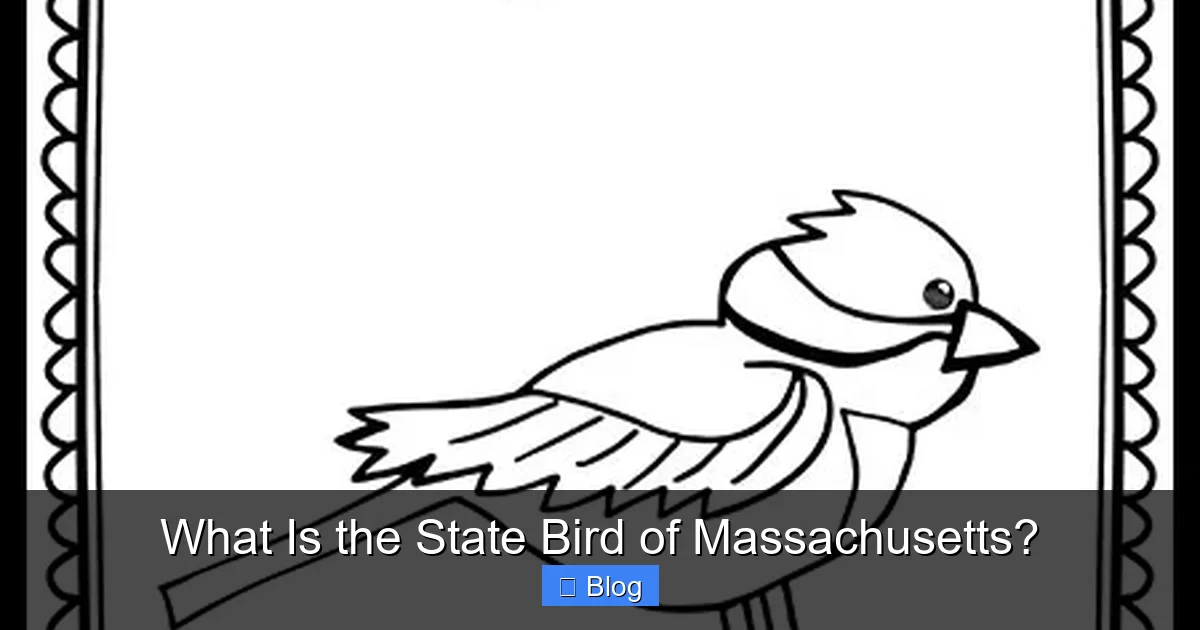
The official state bird of Massachusetts is the charming Black-capped Chickadee. This tiny, resilient songbird, recognizable by its distinctive “chick-a-dee-dee-dee” call and black cap, was chosen for its widespread presence, hardiness, and cheerful demeanor across the Bay State. Learn more about why this beloved bird holds such a special place in Massachusetts’s natural heritage.
What Is the State Bird of Massachusetts?
Have you ever wondered which feathered friend holds the esteemed title of official state bird for Massachusetts? It’s a question that often sparks curiosity, especially among those who love nature, local history, or simply enjoy spotting birds in their backyard. Every state proudly selects a bird that embodies its spirit, landscape, and values, and Massachusetts is no exception. This chosen symbol is more than just a pretty face; it tells a story about the state’s natural heritage and the qualities its residents hold dear.
Massachusetts, with its rich history, diverse landscapes ranging from coastal beaches to rolling hills, and vibrant communities, offers a home to countless bird species. From majestic ospreys soaring over the coast to tiny warblers flitting through dense forests, the Bay State is a haven for avian life. But among all these remarkable creatures, one small, hardy, and undeniably charming bird stands out as the beloved emblem of Massachusetts. Let’s embark on a journey to discover which bird proudly carries this distinguished title and why it was chosen.
So, if you’re ready to unravel this avian mystery and learn all about the delightful creature that represents the Commonwealth, read on! You’re about to discover not just its name, but also what makes this particular bird so special, how it thrives in Massachusetts, and perhaps even how you can invite it into your own garden. Prepare to be enchanted by the fascinating story of what is the state bird of Massachusetts.
Key Takeaways
- Massachusetts’s State Bird: The official state bird of Massachusetts is the Black-capped Chickadee (Poecile atricapillus), a small, recognizable songbird.
- Distinctive Features: Known for its black cap, black bib, white cheeks, and characteristic “chick-a-dee-dee-dee” call, making it easy to identify.
- Selection History: Designated in 1941, the Chickadee was chosen after a period of advocacy, particularly by school children, for its familiarity, resilience, and year-round presence.
- Adaptability and Habitat: These birds are highly adaptable, thriving in a variety of Massachusetts habitats from dense forests to suburban backyards, and are permanent residents.
- Diet and Behavior: Black-capped Chickadees are active foragers, primarily eating insects, seeds, and berries. They are known for their inquisitive nature and can become quite bold around humans, especially at feeders.
- Attracting Chickadees: You can easily attract these friendly birds to your yard by providing black oil sunflower seeds, suet, clean water, and natural cover like shrubs and trees.
- Symbolic Significance: The Black-capped Chickadee symbolizes the spirit of Massachusetts residents – adaptable, cheerful, and resilient, enduring through all seasons.
Quick Answers to Common Questions
What is the official state bird of Massachusetts?
The official state bird of Massachusetts is the Black-capped Chickadee (Poecile atricapillus).
When was the Black-capped Chickadee designated as Massachusetts’s state bird?
The Black-capped Chickadee was officially designated as the state bird of Massachusetts in 1941.
What are the key identifying features of a Black-capped Chickadee?
Key identifying features include its glossy black cap, black bib, white cheeks, and a gray back with buffy flanks.
Do Black-capped Chickadees migrate from Massachusetts in winter?
No, Black-capped Chickadees are non-migratory and remain in Massachusetts year-round, even during the coldest winter months.
What is the most recognizable call of the Black-capped Chickadee?
The most recognizable call is its namesake “chick-a-dee-dee-dee,” which also gives the bird its common name.
📑 Table of Contents
- Unveiling the Massachusetts State Bird: The Black-capped Chickadee
- Why the Chickadee? A Deep Dive into Its Selection
- The Chickadee’s Life in the Bay State
- The Iconic “Chick-a-dee-dee-dee” Call and Other Vocalizations
- Observing and Attracting Black-capped Chickadees to Your Massachusetts Yard
- Beyond the Bird: The Chickadee’s Cultural Significance
- Conclusion
Unveiling the Massachusetts State Bird: The Black-capped Chickadee
The answer to the question, “What is the state bird of Massachusetts?” is none other than the charming and ubiquitous Black-capped Chickadee (Poecile atricapillus). This tiny powerhouse of a bird, known for its distinctive appearance and cheerful call, was officially designated as the Commonwealth’s state bird in 1941. It’s a choice that resonates deeply with the state’s character, representing resilience, intelligence, and an enduring presence through all seasons.
A Tiny Titan of the Tundra (and Suburbia)
Don’t let its small size fool you; the Black-capped Chickadee is a true survivor. Weighing barely an ounce and measuring about 5-6 inches in length, this bird is incredibly well-adapted to the sometimes harsh New England climate. It doesn’t migrate south for the winter like many other songbirds, instead choosing to tough it out, thanks to its clever foraging strategies and remarkable ability to lower its body temperature at night, entering a state of controlled hypothermia. This makes it a year-round resident and a familiar sight even on the coldest Massachusetts days, offering a welcome splash of life and sound.
Distinctive Features of the Black-capped Chickadee
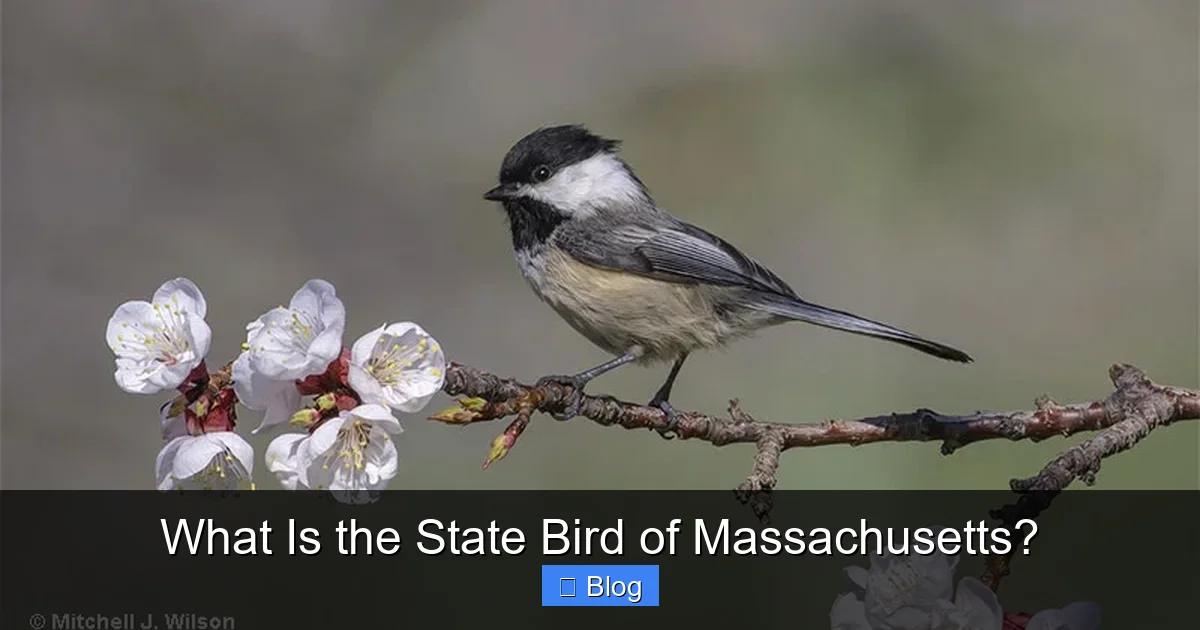
Identifying the Black-capped Chickadee is quite straightforward, even for novice birdwatchers. Its most prominent features are its namesake glossy black cap and a matching black bib under its chin. These are beautifully contrasted by crisp white cheeks, which give the bird a perpetually “smiley” or friendly expression. The rest of its plumage is subtle but elegant: a soft gray back and wings, with slightly buffy or brownish flanks. Its small, stout bill is perfectly suited for cracking seeds and gleaning insects from bark. When you see one, you’ll immediately understand why it’s so beloved – it’s undeniably cute and charismatic.
Why the Chickadee? A Deep Dive into Its Selection
The selection of the Black-capped Chickadee as the Massachusetts state bird was not arbitrary. It was the culmination of public interest, particularly from the younger generation, and a recognition of the bird’s intrinsic connection to the state’s natural identity. The process highlights a charming piece of Massachusetts history.
A Voice for Native Wildlife
In the early 20th century, there was a growing movement across the United States to designate state birds, often driven by educational initiatives in schools. Children were encouraged to learn about local wildlife and advocate for a bird that best represented their state. In Massachusetts, the Chickadee quickly emerged as a popular choice. It’s a native species, found throughout the state, and doesn’t require specific rare habitats, making it accessible to everyone. This familiarity fostered a strong connection, as it was a bird most people in Massachusetts had seen and heard.
Resilience and Adaptability
One of the key reasons the Black-capped Chickadee was championed was its remarkable hardiness and adaptability. Unlike many migratory birds that disappear with the first frost, the Chickadee remains a constant presence throughout the frigid New England winter. It symbolizes perseverance and endurance, qualities often associated with the people of Massachusetts. This ability to thrive in diverse environments, from dense forests to urban parks and suburban backyards, made it a relatable and fitting symbol for a state with varied landscapes and communities. Its cheerful disposition, even in adverse weather, also contributed to its appeal, offering a little spark of joy during the long winter months.
The Chickadee’s Life in the Bay State
To truly appreciate why the Black-capped Chickadee is the state bird of Massachusetts, it helps to understand its daily life and ecological role within the Bay State. These birds are active and fascinating creatures, contributing to the health of local ecosystems.
Habitat Sweet Habitat
The Black-capped Chickadee is incredibly versatile when it comes to habitat. In Massachusetts, you can find them in almost any wooded or semi-wooded area. This includes deciduous and mixed forests, swamps, open woodlands, suburban parks, and even urban gardens with a few trees. They prefer areas with plenty of trees and shrubs for foraging, nesting, and shelter. During the breeding season, they seek out tree cavities for nesting, often excavating their own in soft, decaying wood, or using abandoned woodpecker holes.
A Forager’s Feast
Chickadees are opportunistic and agile foragers. Their diet varies seasonally. In the warmer months, they primarily feast on insects and spiders, including caterpillars, beetles, and insect eggs, which makes them beneficial for pest control. As temperatures drop, their diet shifts to seeds, berries, and nuts. They are particularly fond of black oil sunflower seeds, peanuts, and suet offered at bird feeders. A fascinating aspect of their foraging behavior is their habit of caching food – hiding seeds and retrieving them later. They have an impressive memory for these hiding spots, enabling them to survive when food is scarce.
Social Butterflies (or Birds!)
While chickadees are often seen individually, they are quite social, especially outside the breeding season. They form small, mixed-species flocks with other birds like nuthatches, downy woodpeckers, and kinglets. These flocks provide safety in numbers, as more eyes can spot predators. Within their own species, chickadees have a complex social hierarchy. They are known for their inquisitive nature and can become quite tame around humans who regularly offer food, often landing on outstretched hands. This friendliness adds to their charm and makes them a favorite among backyard birdwatchers.
The Iconic “Chick-a-dee-dee-dee” Call and Other Vocalizations
Perhaps as famous as its appearance is the Black-capped Chickadee’s distinctive vocalizations. The call itself is the origin of its name, a testament to how iconic it is. Learning to recognize its sounds is one of the quickest ways to identify this Massachusetts state bird.
More Than Just a Call: Deciphering Chickadee Communication
The classic “chick-a-dee-dee-dee” call is multi-faceted. It’s primarily a contact call, used to keep the flock together while foraging. However, the number of “dee” notes at the end can signal varying levels of alarm. More “dees” often means a greater perceived threat, alerting other birds to danger. This complex communication system makes them central figures in mixed-species foraging flocks, as their alarm calls are heeded by other birds. Listening to a group of chickadees is like tuning into a tiny, bustling conversation in the woods.
Musical Melodies: The “Fee-bee” Song
Beyond their namesake call, Black-capped Chickadees also have a lovely, clear whistle song, often transcribed as “fee-bee” or “fee-bee-ee.” This two-note or three-note song is typically heard more frequently during the breeding season and is primarily sung by males to attract mates and defend their territory. It’s a much more melodic and drawn-out sound than their quick, sharp call. Hearing both the “chick-a-dee-dee-dee” and the “fee-bee” song is a sure sign that the friendly Massachusetts state bird is nearby.
Observing and Attracting Black-capped Chickadees to Your Massachusetts Yard
Since the Black-capped Chickadee is such a prevalent and friendly bird, observing and attracting them to your own yard in Massachusetts is relatively easy and incredibly rewarding. They bring a lively energy and often become regular visitors.
Setting Up a Chickadee-Friendly Environment
To welcome the Massachusetts state bird to your garden, focus on providing three essential things: food, water, and shelter.
- Food: Chickadees adore black oil sunflower seeds. These seeds have thin shells, making them easy for small birds to crack open. Suet, especially during colder months, is also a highly prized energy source. You can use various feeder types, but tube feeders or hopper feeders work well for these agile birds.
- Water: A bird bath with fresh, clean water is a magnet for all birds, including chickadees, for drinking and bathing. In winter, consider a heated bird bath to prevent freezing.
- Shelter: Dense shrubs, evergreen trees, and brush piles offer crucial protection from predators and harsh weather. Chickadees will also utilize nest boxes designed for small cavity nesters, though they often prefer to excavate their own holes in dead trees.
Visual guide about What Is the State Bird of Massachusetts?
Image source: birdzilla.com
Best Practices for Bird Feeding
When feeding the Black-capped Chickadee and other birds, always maintain good hygiene. Clean your feeders regularly (at least every couple of weeks, more often in warm, damp weather) to prevent the spread of diseases. Use a diluted bleach solution (1 part bleach to 9 parts water), rinse thoroughly, and let them dry completely before refilling. Place feeders at varying heights and distances from potential predator perches, ensuring birds feel safe. Avoid using mixed seed bags with a lot of filler, as these often go to waste and can attract unwanted visitors. Stick to high-quality seeds like black oil sunflower.
When and Where to Spot Them
You can spot Black-capped Chickadees year-round in Massachusetts. They are non-migratory and are one of the most consistently present birds, even in the depths of winter. Look for them in areas with trees, whether it’s a dense forest, a local park, or your own suburban backyard. Their distinctive calls often give them away before you even see them. They are active during the day, constantly flitting between branches, inspecting bark for insects, or darting to and from feeders. Their curious nature often means they will allow close observation, making them a joy for birdwatchers of all ages.
Beyond the Bird: The Chickadee’s Cultural Significance
The designation of the Black-capped Chickadee as the state bird of Massachusetts goes beyond mere recognition of a species. It speaks to a deeper connection between the people of the Commonwealth and their natural environment.
A Symbol of Perseverance
The Chickadee’s ability to withstand the challenging New England winters, its industrious foraging, and its cheerful vocalizations despite the cold, make it a powerful symbol. It embodies the spirit of perseverance, adaptability, and resilience that has long been a hallmark of Massachusetts residents. It’s a small reminder that even in challenging times, there is beauty, life, and a reason for a cheerful “chick-a-dee-dee-dee.”
Connecting with Nature
For many, the Black-capped Chickadee is often one of the first birds they learn to identify, especially children. Its approachable nature and clear call make it an excellent gateway species for fostering an interest in ornithology and nature conservation. By understanding and appreciating our state bird, we take a step toward understanding and protecting the broader ecosystem of Massachusetts. The Chickadee reminds us of the constant, vibrant natural world that exists right outside our doors, even in highly populated areas.
Conclusion
So, what is the state bird of Massachusetts? It is the charismatic and enduring Black-capped Chickadee. This tiny, spirited songbird, with its distinctive black cap, white cheeks, and cheerful call, embodies the very essence of the Bay State. From its resilience in the face of harsh winters to its ubiquitous presence in every corner of the Commonwealth, the Chickadee is a fitting and beloved emblem.
Its story is one of natural adaptability, a strong connection to its native habitat, and a delightful presence in our daily lives. Whether you’re an avid birder or simply enjoy a quiet moment in your garden, the Black-capped Chickadee offers a constant source of wonder and a comforting reminder of the vibrant natural world around us. So next time you hear that familiar “chick-a-dee-dee-dee,” take a moment to appreciate this remarkable little bird – the official state bird of Massachusetts – and the rich natural heritage it represents.
Frequently Asked Questions
What makes the Black-capped Chickadee a good choice for the state bird of Massachusetts?
The Black-capped Chickadee is an excellent choice due to its widespread presence across the entire state, its resilience in adapting to Massachusetts’s varied climates, and its recognizable, cheerful demeanor. It truly represents the natural spirit of the Commonwealth.
Where can I typically spot a Black-capped Chickadee in Massachusetts?
You can spot Black-capped Chickadees in almost any wooded area in Massachusetts, including forests, parks, and suburban backyards. They are year-round residents and are often found near bird feeders.
What do Black-capped Chickadees primarily eat?
Their diet consists mainly of insects, spiders, and insect eggs in warmer months, shifting to seeds, berries, and nuts during the colder seasons. They are particularly fond of black oil sunflower seeds and suet at feeders.
How do Black-capped Chickadees survive the cold Massachusetts winters?
They survive by caching food (hiding seeds for later retrieval), maintaining a high metabolic rate, and entering a state of controlled hypothermia (lowering their body temperature) at night to conserve energy.
Besides the “chick-a-dee-dee-dee” call, what other sounds do they make?
In addition to their famous call, male Black-capped Chickadees also sing a clear, whistled two- or three-note song, often described as “fee-bee” or “fee-bee-ee,” especially during the breeding season.
Are Black-capped Chickadees friendly towards humans?
Yes, Black-capped Chickadees are known for their inquisitive and relatively fearless nature. With consistent feeding, they can become quite tame and may even land on a person’s hand to take seeds.