
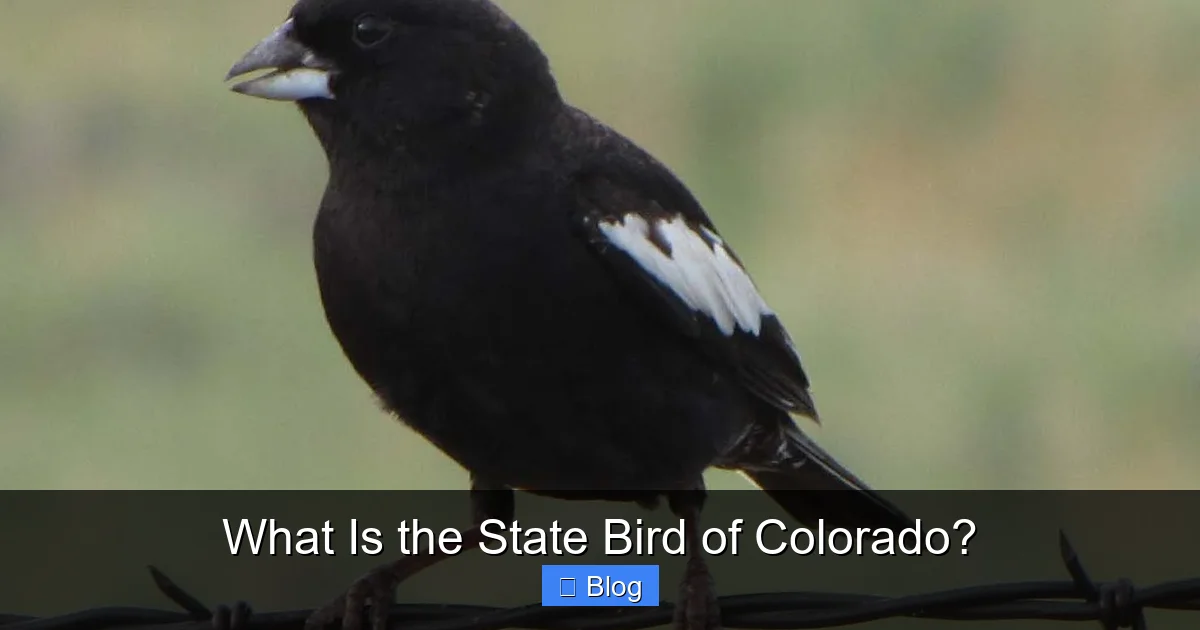
Colorado proudly recognizes the Lark Bunting as its official state bird. This resilient and striking songbird, known for its distinctive black and white plumage during breeding season and its melodious song, perfectly embodies the spirit and beauty of the Centennial State’s plains. Its fascinating migratory patterns and adaptability make it a beloved symbol of Colorado’s natural heritage.
Every state in the United States boasts a collection of symbols that represent its unique history, culture, and natural heritage. From state flags and mottos to state trees and flowers, these emblems tell a story about the land and its people. For nature lovers and curious minds alike, one of the most enchanting of these symbols is the state bird. It’s a creature that often embodies the spirit of the region, its resilience, and its inherent beauty, fluttering through the skies and often serenading the landscape with its distinct song.
When you think of Colorado, images of majestic Rocky Mountains, vast high plains, and clear blue skies often come to mind. It’s a state of incredible natural diversity, home to a wide array of wildlife. So, it’s only natural to wonder: what is the state bird of Colorado? Which feathered friend has been chosen to represent the Centennial State, and what makes it so special? Prepare to embark on a journey into the world of one of North America’s most captivating prairie birds, a symbol truly fitting for Colorado’s expansive landscapes.
The answer to “what is the state bird of Colorado?” is the remarkable Lark Bunting (scientific name: Calamospiza melanocorys). This distinctive songbird, though perhaps not as universally recognized as some other state birds, holds a deep connection to Colorado’s vast eastern plains and truly embodies the essence of the state. Let’s delve into what makes the Lark Bunting such a cherished and appropriate emblem for the Rocky Mountain State.
Key Takeaways
- Identity: The Lark Bunting is the official state bird of Colorado, chosen for its beauty and prevalence in the state’s prairies.
- Designation: It was officially designated as Colorado’s state bird in 1931, following a campaign led by Colorado schoolchildren.
- Appearance: Breeding males are strikingly black with large white wing patches, while females and non-breeding males exhibit more camouflaged streaky brown plumage.
- Habitat: This bird is primarily found in the shortgrass prairies and plains of eastern Colorado, which serve as its crucial breeding grounds.
- Migration: Lark Buntings are migratory, spending their winters in the southwestern United States and Mexico before returning to Colorado each spring to nest.
- Significance: The Lark Bunting symbolizes the unique natural beauty, resilience, and vast prairie ecosystems of Colorado, highlighting the importance of grassland conservation.
- Unique Song: Males are famous for their captivating, varied flight song, performed while hovering over their territory.
Quick Answers to Common Questions
Question 1?
What is the state bird of Colorado?
Answer 1?
The state bird of Colorado is the Lark Bunting (Calamospiza melanocorys).
Question 2?
When was the Lark Bunting designated as Colorado’s state bird?
Answer 2?
The Lark Bunting was officially designated as Colorado’s state bird on April 29, 1931.
Question 3?
What makes the male Lark Bunting distinctive?
Answer 3?
During the breeding season, the male Lark Bunting is distinctive for its striking velvety black body with large, bright white wing patches.
Question 4?
Where can you typically find Lark Buntings in Colorado?
Answer 4?
You can typically find Lark Buntings on the shortgrass prairies and plains of eastern Colorado, which are their primary breeding grounds.
Question 5?
Is the Lark Bunting a migratory bird?
Answer 5?
Yes, the Lark Bunting is a migratory bird, spending its winters in the southwestern U.S. and Mexico before returning to Colorado for the breeding season.
📑 Table of Contents
- Colorado’s Official Feathered Friend: The Lark Bunting
- Getting to Know the Lark Bunting: A Portrait in Plumage and Song
- The Lark Bunting’s Colorado Home: Habitat and Habits
- A Life on the Wing: Migration and Breeding in the Centennial State
- Conservation Challenges and the Lark Bunting’s Enduring Legacy
- Spotting Colorado’s State Bird: Tips for Birdwatchers
- Conclusion: The Lark Bunting, a Symbol of Colorado’s Heart
Colorado’s Official Feathered Friend: The Lark Bunting
The selection of a state bird is often a thoughtful process, sometimes involving legislative debates, but frequently sparked by the enthusiastic advocacy of schoolchildren. In the case of Colorado, the choice of the Lark Bunting as the state bird followed this latter, heartwarming tradition, cementing its place in the state’s natural identity.
How the Lark Bunting Became Colorado’s State Bird
The Lark Bunting officially became the state bird of Colorado on April 29, 1931. This designation wasn’t the result of a top-down mandate but rather a grassroots effort. Young students across Colorado played a pivotal role in its selection. They engaged in spirited debates, researched various bird species, and ultimately voted for the bird they felt best represented their home state. Their enthusiasm and compelling arguments convinced the state legislature to pass a bill, officially enshrining the Lark Bunting as Colorado’s avian emblem. This story makes the Lark Bunting even more special, as it’s a symbol chosen by the future generations of Coloradans.
Why the Lark Bunting?
The reasons for choosing the Lark Bunting are numerous and compelling. It is a native bird, prominently found across the eastern plains of Colorado during its breeding season. Its striking appearance, especially the breeding male, and its unique, melodious song, make it a memorable presence. Furthermore, its connection to the prairies – an often-overlooked but vital ecosystem of Colorado – resonated deeply. The Lark Bunting symbolizes the wild beauty, the open spaces, and the quiet resilience that are all hallmarks of the Centennial State. It’s a constant reminder of the state’s natural heritage, distinct from its towering mountains.
Getting to Know the Lark Bunting: A Portrait in Plumage and Song
To truly appreciate what is the state bird of Colorado, one must understand its unique characteristics. The Lark Bunting is a medium-sized songbird, often described as similar in size to a sparrow or small robin, typically measuring about 5.5 to 7 inches in length with a wingspan of about 10-12 inches. But it’s their appearance and vocalizations that truly set them apart.
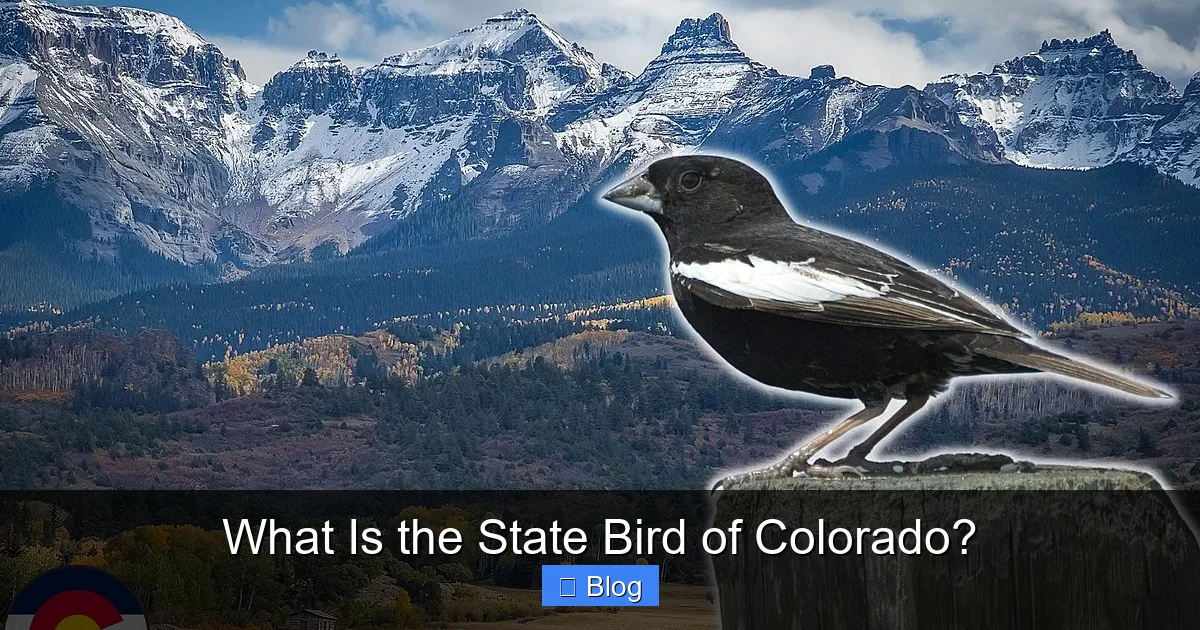
Visual guide about What Is the State Bird of Colorado?
Image source: townsquare.media
Distinctive Plumage: A Study in Black and White
The most striking feature of the Lark Bunting is the male’s breeding plumage. During the spring and summer breeding season, the male undergoes a dramatic transformation, becoming almost entirely velvety black, adorned with large, brilliant white patches on his wings. These white wing patches are particularly noticeable in flight, creating a stunning contrast against his dark body. This striking black and white pattern makes the breeding male Lark Bunting easily identifiable and quite a spectacle to behold against the green and gold backdrop of the prairies.
In contrast, the female Lark Bunting and the male outside of breeding season are much more subdued. They sport a streaky brown and white plumage, providing excellent camouflage against the grassy plains. While less flashy, their subtle patterns are equally beautiful and perfectly adapted for their environment. Young Lark Buntings also resemble the females, ensuring they blend in during their vulnerable early life stages.
The Melodious Flight Song
The Lark Bunting is not just visually captivating; it’s also a talented vocalist. The males are particularly famous for their elaborate and complex song, which they often deliver during a distinctive “flight song.” They will launch themselves into the air, hovering several feet above the ground, and pour out a rich, varied melody that includes trills, whistles, and buzzy notes. This aerial serenade is part of their courtship display and a way to defend their territory. Hearing the Lark Bunting’s song echoing across the vast Colorado plains is an unforgettable experience, truly embodying the spirit of the open landscape.
The Lark Bunting’s Colorado Home: Habitat and Habits
Understanding where and how the Lark Bunting lives helps us appreciate why it’s the perfect answer to what is the state bird of Colorado. This species is intrinsically linked to a specific type of environment, and Colorado offers precisely what it needs.
Prairie Dweller: Shortgrass Plains and Arid Grasslands
The Lark Bunting is a quintessential bird of the North American grasslands. In Colorado, its preferred habitat is the shortgrass prairie and arid grasslands of the eastern plains. These wide-open spaces, characterized by grasses like buffalo grass and blue grama, provide the ideal environment for foraging, nesting, and raising young. You won’t typically find Lark Buntings high in the Rocky Mountains or deep in dense forests; they thrive where the land stretches out, largely unobstructed by trees, offering clear views and ample foraging opportunities. This habitat choice highlights a vital part of Colorado’s ecosystem often overshadowed by its mountains.
A Diet of Insects and Seeds
Like many grassland birds, the Lark Bunting’s diet primarily consists of insects during the breeding season. They are particularly fond of grasshoppers, crickets, and beetles, which are abundant in their prairie habitats. This makes them important contributors to insect control within their ecosystems. As the seasons change and insects become scarcer, their diet shifts to seeds, foraging on the ground for various types of grass and forb seeds. This adaptability in diet is crucial for their survival across different times of the year.
Ground Foragers and Social Behaviors
Lark Buntings are predominantly ground foragers, often seen walking or running through the grasses in search of food. They can also be observed perched on fence posts, shrubs, or other elevated points, using these vantage points to sing and scan for predators. While they are territorial during the breeding season, they can form large, loose flocks during migration and in their wintering grounds, demonstrating a degree of social behavior outside of nesting responsibilities. Observing these birds often involves a patient gaze across the plains, watching for their distinctive movements.
A Life on the Wing: Migration and Breeding in the Centennial State
The life cycle of the Lark Bunting is a testament to its resilience and adaptability, involving impressive seasonal migrations that bring it to Colorado each year for a specific and vital purpose: breeding. This migratory pattern is a key aspect of what is the state bird of Colorado.
The Annual Migration Journey
Lark Buntings are truly migratory birds. They spend their winters much further south, primarily in the southwestern United States (especially parts of Arizona, New Mexico, and Texas) and extending into Mexico. As spring arrives, typically from April to May, they undertake a journey north to their breeding grounds. For many, these grounds are the shortgrass prairies of the Great Plains, including a significant portion of eastern Colorado. They will remain in Colorado through the summer, raising their young, before beginning their southbound migration again in August and September.
Nesting and Raising Young
Upon arriving in Colorado, the male Lark Bunting establishes a territory, marked by his impressive flight songs. Nesting typically occurs from late May through July. Unlike many songbirds that build nests in trees or shrubs, Lark Buntings are ground nesters. The female constructs a well-hidden nest, often a shallow depression lined with grass and other plant materials, tucked away at the base of a grass clump. This provides excellent camouflage from predators. She will typically lay a clutch of 3 to 5 pale bluish-green eggs. Both parents participate in caring for the young, with the male often taking on a significant role in feeding the nestlings.
The young Lark Buntings develop quickly, fledging (leaving the nest) within about 9 to 10 days after hatching. Even after fledging, they remain dependent on their parents for a short period, learning essential foraging skills. This rapid development is crucial for species that face the pressures of a short breeding season and the impending need to migrate.
Conservation Challenges and the Lark Bunting’s Enduring Legacy
While the Lark Bunting thrives in Colorado’s prairies, it faces significant challenges. Its status as the state bird of Colorado brings a heightened awareness to these issues and underscores the importance of conservation efforts for grassland ecosystems.
Population Declines and Habitat Loss
Unfortunately, like many grassland bird species, Lark Bunting populations have experienced significant declines over recent decades. The primary driver of these declines is habitat loss and degradation. The conversion of native prairies to agricultural land, urban and suburban development, and unsustainable grazing practices all reduce the amount of suitable habitat available for these birds. Changes in climate and increased frequency of severe weather events can also impact their breeding success and migratory journeys. These factors highlight a critical need for focused conservation strategies.
The Importance of Prairie Conservation
Protecting the Lark Bunting means protecting the shortgrass prairie ecosystem itself. These prairies are incredibly biodiverse environments, supporting a vast array of plant and animal life, many of which are endemic to these grasslands. Conservation efforts often involve restoring native prairie habitats, implementing sustainable land management practices, and creating protected areas. Organizations like the National Audubon Society, local land trusts, and state wildlife agencies in Colorado are actively working to preserve these vital landscapes, ensuring that the Lark Bunting and countless other species continue to have a place to thrive. Understanding what is the state bird of Colorado directly leads to an appreciation of these broader ecological efforts.
A Symbol of Resilience and Wildness
Despite the challenges, the Lark Bunting remains a resilient species, continuing its annual migrations and bringing life to the Colorado plains. Its status as the state bird of Colorado serves as a powerful symbol, reminding residents and visitors alike of the importance of these unique ecosystems. It encourages a deeper connection to the natural world and inspires action to protect the wild places that define much of the state’s beauty. The Lark Bunting represents not just a bird, but the enduring spirit of Colorado’s vast and beautiful grasslands.
Spotting Colorado’s State Bird: Tips for Birdwatchers
For those eager to answer the question “what is the state bird of Colorado?” with a real-life sighting, the eastern plains offer fantastic opportunities. Spotting a Lark Bunting can be a rewarding experience for any bird enthusiast.
Best Time and Places to See Them
The best time to observe Lark Buntings in Colorado is during their breeding season, which typically runs from late April through August. This is when the males are in their striking black and white plumage and are actively singing and displaying. To find them, head to the vast open spaces of eastern Colorado. Excellent locations include the Pawnee National Grassland, which is specifically managed for grassland wildlife, as well as various state wildlife areas and county open spaces with shortgrass prairie habitats. Look for areas with sparse shrubs and plenty of grasses.
Identification Tips for a Successful Sighting
- Look for the Male: During breeding season, focus on finding the distinct black male with bright white wing patches, especially when perched on a fence post or flying low over the grass.
- Listen for the Song: The male’s flight song is very distinctive. Learn to recognize its unique trills and whistles. Often, you’ll hear them before you see them.
- Observe Behavior: Lark Buntings are often seen foraging on the ground. Watch for small birds moving through the grass.
- Binoculars are Your Friend: While they can be quite visible, binoculars will greatly enhance your viewing experience, allowing you to appreciate the details of their plumage.
Responsible Birdwatching
When seeking out Colorado’s state bird, always practice responsible birdwatching. Stay on marked trails, avoid disturbing the birds or their nests, and keep a respectful distance. Use a field guide to confirm your identification and contribute to citizen science projects if you’re feeling adventurous. By observing respectfully, we ensure that these beautiful birds can continue their vital life cycles without interference.
Conclusion: The Lark Bunting, a Symbol of Colorado’s Heart
So, what is the state bird of Colorado? It is the Lark Bunting, a bird that might not be as famous as an eagle or a cardinal, but one that is perfectly suited to represent the Centennial State. From its striking black and white breeding plumage to its complex flight song that echoes across the plains, the Lark Bunting is a testament to the beauty and resilience of Colorado’s often-underappreciated grassland ecosystems.
Its journey from wintering grounds in the south to the breeding grounds in Colorado’s eastern plains is a cyclical promise of new life and the enduring spirit of migration. The story of its selection, championed by the state’s schoolchildren, adds another layer of charm to this avian symbol. As populations face challenges due to habitat loss, the Lark Bunting stands as a poignant reminder of the critical importance of conservation efforts for our natural landscapes.
Next time you traverse the vast plains of eastern Colorado, keep an eye out and an ear open for this magnificent creature. Spotting the Lark Bunting, Colorado’s state bird, isn’t just about identifying a species; it’s about connecting with the heart of Colorado’s wild, open spaces and appreciating the vibrant life that thrives within them. It truly is a symbol to cherish.
Frequently Asked Questions
How big is the Lark Bunting?
The Lark Bunting is a medium-sized songbird, typically measuring about 5.5 to 7 inches in length. This makes it roughly similar in size to a sparrow or a small robin.
What do Lark Buntings eat?
During the breeding season, Lark Buntings primarily feed on insects like grasshoppers, crickets, and beetles. In the non-breeding season and winter, their diet shifts to various types of seeds found on the ground.
Do Lark Buntings sing?
Yes, male Lark Buntings are renowned for their beautiful and complex flight songs. They often perform these melodious serenades while hovering high above their territory during the breeding season.
Are Lark Bunting populations declining?
Yes, unfortunately, Lark Bunting populations have experienced significant declines over recent decades. This is primarily due to habitat loss and degradation of their native prairie ecosystems.
Can I see Lark Buntings year-round in Colorado?
No, Lark Buntings are migratory birds and are only present in Colorado during their breeding season, typically from late April to August. They migrate south for the winter months.
Why was the Lark Bunting chosen as Colorado’s state bird?
It was chosen for its strong association with Colorado’s native prairies, its distinctive appearance, and its beautiful song. The decision was notably influenced by the advocacy of Colorado schoolchildren.