
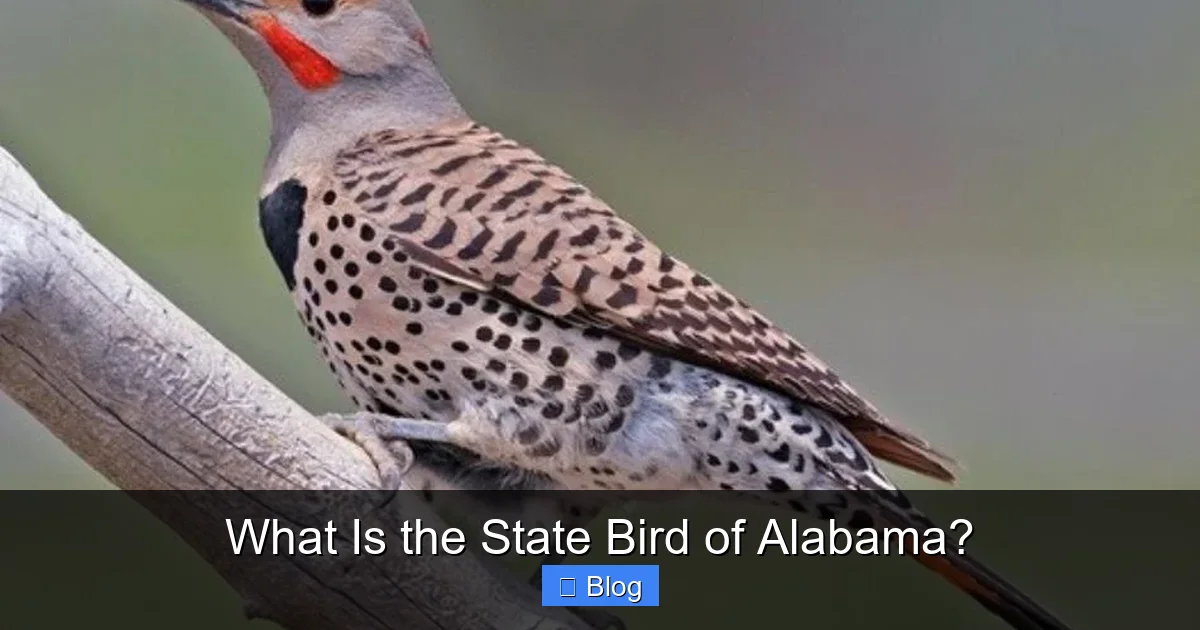
Alabama’s official state bird is the Northern Flicker, specifically the Yellowhammer subspecies. Designated in 1927, this distinctive woodpecker is celebrated for its vibrant yellow underwings and tail, earning Alabama the nickname “The Yellowhammer State.” It symbolizes the state’s natural beauty and the resilience of its people.
What Is the State Bird of Alabama?
Have you ever stopped to wonder about the natural symbols that represent your home state? Every state in the U.S. has a bird, a flower, and often a tree or other natural emblem that tells a story about its unique character and heritage. For those living in or curious about the Heart of Dixie, the question often arises: What is the state bird of Alabama?
The answer is not just a simple name; it’s a fascinating tale wrapped in history, natural beauty, and a dash of unique avian behavior. Alabama’s state bird is a creature that perfectly encapsulates the state’s vibrant natural world and even its historical narrative. Let’s embark on a journey to discover this iconic bird, understand its significance, and appreciate why it holds such a special place in the hearts of Alabamians. Prepare to learn about a bird that’s as distinctive as the state it represents!
We’re going to dive deep into the world of Alabama’s feathered ambassador. From its official designation to its striking appearance and intriguing habits, we’ll uncover everything you need to know about the beloved state bird of Alabama. So, grab a cup of sweet tea, settle in, and let’s explore the captivating story of this remarkable bird.
Key Takeaways
- The Northern Flicker is Alabama’s State Bird: Specifically, the yellow-shafted subspecies, also known as the Yellowhammer, holds this esteemed title.
- Designated in 1927: The Northern Flicker officially became the state bird through legislative action, cementing its place in Alabama’s identity.
- Origin of “Yellowhammer State”: The nickname dates back to the Civil War, where Confederate soldiers from Alabama wore uniforms with yellow trim, resembling the flicker’s underwings.
- Distinctive Appearance: Northern Flickers are medium-sized woodpeckers identifiable by their brown barred plumage, black crescent on the chest, and striking yellow flashes under their wings and tail during flight.
- Unique Foraging Habits: Unlike many woodpeckers, the Northern Flicker spends a significant amount of time foraging on the ground, primarily for ants, using its long, sticky tongue.
- Symbol of Resilience and Nature: The bird represents Alabama’s rich biodiversity, its historical past, and the enduring spirit of its residents.
- Conservation is Key: Protecting the Northern Flicker’s habitats and ensuring its survival contributes to the overall health of Alabama’s ecosystems.
Quick Answers to Common Questions
What is the official state bird of Alabama?
The official state bird of Alabama is the Northern Flicker, specifically the yellow-shafted subspecies, also affectionately known as the Yellowhammer.
When was the Northern Flicker designated as Alabama’s state bird?
The Northern Flicker was officially designated as the state bird of Alabama on September 6, 1927, by an act of the Alabama Legislature.
Why is Alabama called the “Yellowhammer State”?
Alabama earned the nickname “Yellowhammer State” during the Civil War, when Confederate soldiers from Alabama wore uniforms with yellow trim, reminding onlookers of the yellow underwings of the Northern Flicker.
What do Northern Flickers primarily eat?
Unlike many woodpeckers, Northern Flickers primarily feed on the ground, with ants and their larvae being their main dietary staple, which they retrieve with their long, sticky tongues.
Are Northern Flickers common in Alabama?
Yes, Northern Flickers are quite common in Alabama and can be found year-round in various habitats, including woodlands, parks, and suburban areas.
📑 Table of Contents
- Unveiling Alabama’s Feathered Emblem: The Northern Flicker
- Meet the Northern Flicker: A Bird of Many Colors
- Habitat and Lifestyle of Alabama’s State Bird
- The Symbolism of the Northern Flicker in Alabama
- Protecting Alabama’s State Bird and Its Habitat
- Conclusion: The Enduring Charm of Alabama’s Yellowhammer
Unveiling Alabama’s Feathered Emblem: The Northern Flicker
At last, the big reveal! The official state bird of Alabama is the magnificent Northern Flicker. But wait, there’s a little more to this story. While “Northern Flicker” is the common name, Alabamians often refer to it by a more specific, affectionate moniker: the Yellowhammer. This isn’t just a casual nickname; it’s deeply ingrained in the state’s identity.
When Was the Northern Flicker Designated?
The Northern Flicker officially became the state bird of Alabama on September 6, 1927. This designation was made by an act of the Alabama Legislature, recognizing the bird’s cultural significance and widespread presence throughout the state. It wasn’t a random choice; the bird already had a strong connection to Alabama’s history, which we’ll explore shortly. The decision to make the Northern Flicker Alabama’s state bird was a formal acknowledgment of a symbol that was already well-loved and recognized by its people.
The “Yellowhammer State” Nickname Explained
To truly understand why the Northern Flicker is the state bird of Alabama, we must delve into the origins of the “Yellowhammer State” nickname. This moniker predates the official bird designation and has roots stretching back to the American Civil War. During the war, a company of Confederate soldiers from Huntsville, Alabama, arrived at Hopkinsville, Kentucky, for training. Their new uniforms were adorned with bright yellow trimmings on the sleeves, collars, and coattails. As they marched, a passing Kentuckian observed their vibrant attire and exclaimed that they looked “like a parcel of yellowhammers!”
The comparison stuck. Northern Flickers, especially the yellow-shafted variety common in Alabama, display brilliant yellow feathers on the underside of their wings and tail, which are prominently visible when they fly. These flashes of yellow were reminiscent of the soldiers’ uniforms. Soon, the entire Alabama contingent became known as “Yellowhammers,” and eventually, the nickname extended to the entire state. This historical connection solidified the Northern Flicker’s place as a symbol of Alabama’s heritage and the resilience of its people. So, when you hear “Yellowhammer State,” you know exactly which feathered friend they’re referring to.
Meet the Northern Flicker: A Bird of Many Colors
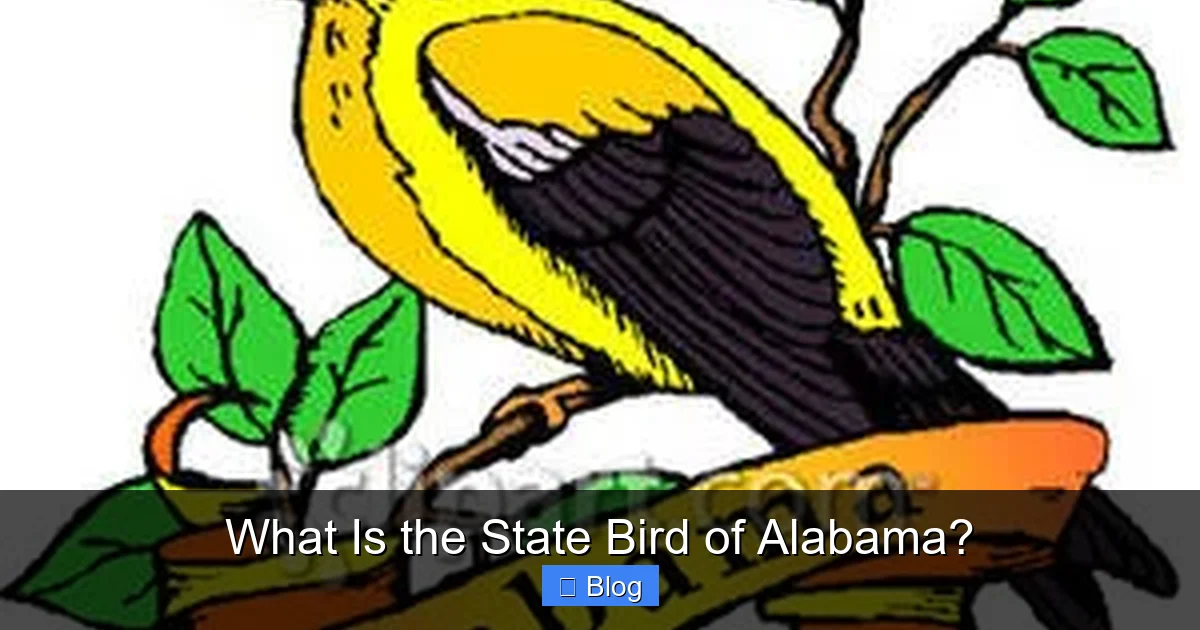
Visual guide about What Is the State Bird of Alabama?
Image source: images.clipartpanda.com
The Northern Flicker is a medium-sized woodpecker with a unique appearance that sets it apart from its avian relatives. It’s not your typical tree-drilling woodpecker, as you’ll soon find out. Identifying Alabama’s state bird is a rewarding experience, especially when you see its distinctive flashes of yellow in flight.
What Does the Northern Flicker Look Like?
Imagine a bird about 11 to 12 inches long, with a wingspan of roughly 18-20 inches. That’s the Northern Flicker. Here’s a breakdown of its key features:
- Overall Plumage: The bird’s back and wings are a beautiful barred brown, covered with black stripes. Its underparts are white or light buff, spotted with black, and it has a striking black crescent or “bib” on its chest.
- Head and Face: The head is grayish, often with a subtle brown wash. Males have a distinctive black “mustache” or malar stripe extending from the base of the beak, which females lack. Both sexes have a red patch on the nape (back of the neck), though it can be subtle.
- The Defining Yellow: The most iconic feature, especially for the Yellowhammer subspecies found in Alabama, is the brilliant yellow color on the underside of its wings and tail feathers. When the bird takes flight, these flashes of yellow are unmistakable and truly breathtaking. It’s this vibrant splash of color that gives the Yellowhammer its name and strong connection to the state of Alabama.
- Bill: Its bill is slightly curved and pointed, ideal for probing rather than just hammering.
This combination of brown, black, gray, and vibrant yellow makes the Northern Flicker a truly captivating bird to observe. It’s a bird that doesn’t just blend into the background; it stands out with its unique color palette and markings.
Regional Variations: Yellow-Shafted vs. Red-Shafted
It’s important to note that the Northern Flicker species has regional variations. The one predominantly found in the eastern U.S., including Alabama, is the “yellow-shafted” subspecies. Its underwings and undertail feathers are distinctly yellow. In the western U.S., you’ll find the “red-shafted” subspecies, which, as the name suggests, has salmon-red flashes instead of yellow. These two subspecies interbreed where their ranges overlap, creating fascinating hybrid individuals with mixed colorings. However, in Alabama, it’s the iconic yellow-shafted variety that reigns supreme and proudly holds the title of the state bird.
Habitat and Lifestyle of Alabama’s State Bird
The Northern Flicker is a remarkably adaptable bird, thriving in a variety of environments across Alabama. Understanding its habitat and lifestyle helps us appreciate its role in the ecosystem and why it’s such a common and beloved sight.
Where Do Northern Flickers Live?
You’re likely to spot a Northern Flicker in many different settings across Alabama. They are not particularly picky, making them quite successful birds. Their preferred habitats include:
- Open Woodlands: They love forests with open understories, allowing them space to forage on the ground.
- Parks and Suburban Areas: Flickers readily adapt to human-modified landscapes, frequently visiting backyards, parks, and golf courses, especially if mature trees are present.
- Orchards and Farmlands: Areas with scattered trees and open ground are also favored.
- Forest Edges: The transition zones between forests and open fields are ideal for their foraging style.
They are cavity nesters, meaning they excavate holes in dead trees or dead parts of living trees for nesting. Sometimes, they’ll even use old pilings, fence posts, or nest boxes. This adaptability to different environments contributes to their widespread presence and makes them a familiar sight to many Alabamians.
What Do Northern Flickers Eat?
Here’s where the Northern Flicker truly distinguishes itself from most other woodpeckers. While other woodpeckers are known for drilling into trees to find insects, the flicker has a different primary food source: ants!
- Ants are Key: Northern Flickers spend a significant amount of time on the ground, hopping around and digging for ants and their larvae. They have a long, barbed, sticky tongue that can extend far to lap up ants from their nests.
- Other Insects: They also eat beetles, crickets, grasshoppers, and other insects found on the ground or in rotting wood.
- Berries and Seeds: Especially during colder months or when insects are scarce, flickers will supplement their diet with various fruits, berries, and seeds. This includes poison ivy berries, sumac, wild grapes, and even birdseed from feeders.
Watching a flicker forage on the ground is quite entertaining. They often assume an almost upright posture, head cocked, listening for the sounds of insect activity beneath the soil. This unique dietary preference is another reason why they are so valuable to Alabama’s ecosystems, helping to control insect populations.
Migration Patterns
While some Northern Flickers in the northern parts of their range migrate south for the winter, many populations in Alabama and the southern U.S. are year-round residents. This means you have a good chance of spotting Alabama’s state bird any time of year! Those that do migrate typically travel relatively short distances, and they often return to the same breeding grounds year after year. Their presence throughout the seasons further strengthens their connection to the state.
The Symbolism of the Northern Flicker in Alabama
Beyond its official status and historical connections, the Northern Flicker carries a deeper symbolic meaning for the state of Alabama. It represents various aspects of the state’s character and natural heritage.
A Symbol of Natural Beauty and Biodiversity
Alabama is a state renowned for its incredible biodiversity, boasting a wide array of ecosystems from coastal plains to Appalachian foothills. The Northern Flicker, with its striking colors and adaptable nature, is a perfect emblem of this natural richness. Its presence reminds us of the importance of preserving Alabama’s diverse habitats and the myriad of species that call them home. Seeing the flash of yellow wings against the green backdrop of Alabama’s forests is a testament to the state’s vibrant natural world.
Resilience and Adaptability
The Northern Flicker’s ability to thrive in various environments, from dense woodlands to urban parks, speaks to its resilience. It adapts its foraging techniques and nesting habits to suit its surroundings. This adaptability can be seen as a metaphor for the people of Alabama, who have historically demonstrated a strong spirit of resilience and the ability to adapt to challenges, much like the “Yellowhammer” soldiers who inspired the state’s famous nickname.
Connection to History
As we discussed, the “Yellowhammer State” moniker ties the Northern Flicker directly to a pivotal moment in Alabama’s history – the Civil War. This makes the state bird of Alabama not just a natural symbol, but a living reminder of the state’s past, its trials, and its enduring identity. It’s a powerful connection that few other state birds share with such a specific historical event.
Protecting Alabama’s State Bird and Its Habitat
While the Northern Flicker is currently a relatively common and widespread species, it’s crucial to ensure its continued well-being. Conservation efforts play a vital role in maintaining healthy populations of this beautiful bird and the ecosystems it inhabits.
Challenges Faced by Northern Flickers
Like many bird species, Northern Flickers face several challenges:
- Habitat Loss: Development and deforestation can reduce the availability of suitable nesting and foraging sites.
- Pesticide Use: As ground feeders, flickers are susceptible to pesticides used to control insects, which can impact their primary food source.
- Competition for Nest Sites: They may compete with invasive species like European Starlings for nesting cavities.
- Window Collisions: Urban and suburban environments pose risks like collisions with glass windows.
Understanding these threats is the first step toward effective conservation.
How You Can Help Protect the Northern Flicker
As individuals, there are many ways we can contribute to the protection of Alabama’s state bird:
- Plant Native Trees and Shrubs: This provides food sources (berries, insects) and potential nesting sites. Consider leaving snags (dead trees) if they don’t pose a safety hazard, as flickers use them for nesting.
- Reduce Pesticide Use: Opt for organic gardening methods or integrated pest management to protect insect populations, which are a vital food source for flickers.
- Provide Water Sources: A bird bath can be a lifesaver, especially during hot Alabama summers.
- Make Windows Bird-Safe: Use decals, screens, or other methods to prevent window collisions.
- Educate Others: Share your knowledge about the Northern Flicker and its importance with friends and family. The more people who understand and appreciate this bird, the stronger its conservation efforts will be.
- Support Conservation Organizations: Organizations dedicated to bird research and habitat preservation in Alabama play a crucial role.
By taking these simple steps, you can help ensure that the vibrant flash of yellow continues to grace Alabama’s skies for generations to come. Protecting the state bird of Alabama is not just about one species; it’s about safeguarding the health and beauty of the entire natural environment.
Conclusion: The Enduring Charm of Alabama’s Yellowhammer
From its deep historical roots stemming from the Civil War to its vibrant presence in Alabama’s diverse landscapes, the Northern Flicker, or Yellowhammer, is truly a fitting and cherished state bird. It embodies the natural beauty, resilience, and unique character of Alabama. Its distinctive appearance, with those unmistakable flashes of yellow, makes it a joy to observe, whether it’s probing for ants on your lawn or swooping between trees in a forest.
Understanding what is the state bird of Alabama reveals more than just a name; it uncovers a rich tapestry of ecological significance, historical narrative, and symbolic meaning. The Northern Flicker reminds us of the profound connections between nature and human history, and the importance of preserving both. So, the next time you see a brown woodpecker with a rhythmic, undulating flight and a flash of brilliant yellow, take a moment to appreciate Alabama’s official state bird – a living emblem of the Yellowhammer State. Let its continued presence inspire us to be vigilant stewards of our natural world, ensuring that this beautiful bird, the state bird of Alabama, thrives for years to come.
Frequently Asked Questions
What makes the Northern Flicker unique among woodpeckers?
The Northern Flicker is unique primarily because of its foraging habits; it spends a significant amount of time on the ground searching for ants, a behavior less common among other woodpecker species that typically forage on tree trunks.
Can you tell the difference between male and female Northern Flickers?
Yes, male Northern Flickers have a distinct black “mustache” (malar stripe) extending from the base of their bill, which is absent in females. Both sexes typically have a red patch on the nape of their neck.
Do Northern Flickers migrate?
Some Northern Flickers in the northern parts of their range do migrate south for the winter. However, many populations in Alabama and the southeastern U.S. are year-round residents, so you can often spot them throughout the year.
What sound does the Northern Flicker make?
Northern Flickers have a variety of calls, but they are most famously known for their loud, distinctive “wicka-wicka-wicka” call, as well as a long, piercing “kew” sound and a rapid drumming similar to other woodpeckers.
What is the conservation status of the Northern Flicker?
The Northern Flicker is currently listed as a species of “Least Concern” globally, meaning its populations are relatively stable. However, localized declines can occur due to habitat loss and pesticide use, making local conservation efforts important.
Where is the best place in Alabama to spot a Northern Flicker?
You can spot Northern Flickers in almost any habitat across Alabama that has mature trees and open ground, including local parks, suburban backyards, open woodlands, and forest edges. Look for them on the ground or clinging to tree trunks.