
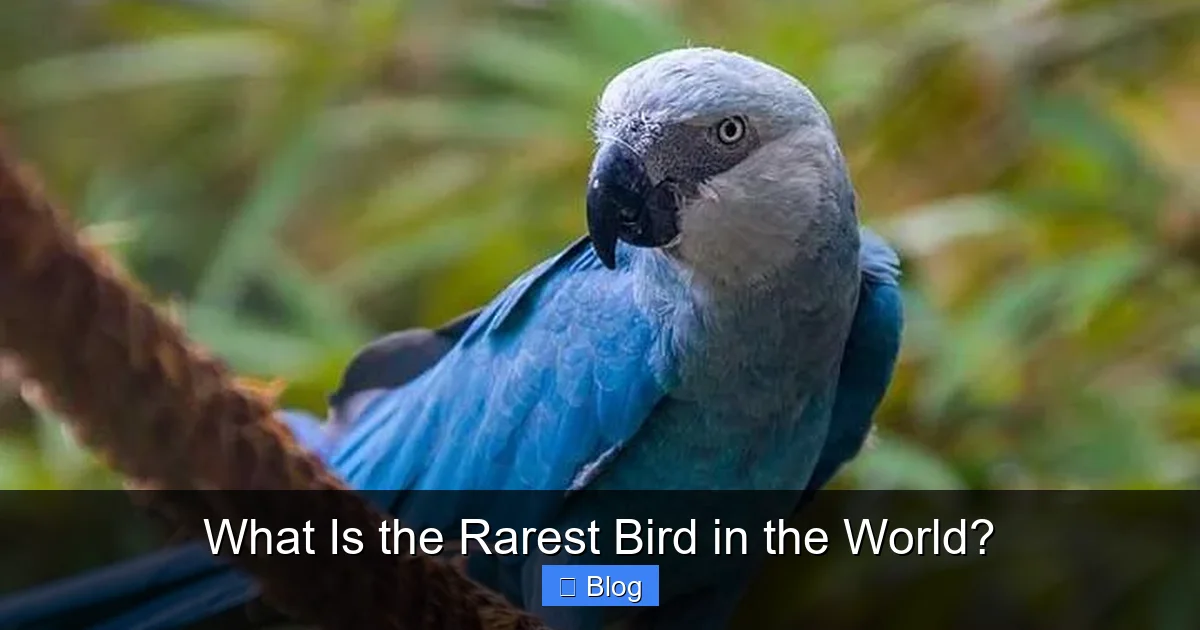
Pinpointing what is the rarest bird in the world is a complex challenge, as rarity is dynamic and often debated, considering factors like population size, restricted range, and observability. While many contenders exist, the Stresemann’s Bristlefront from Brazil is often cited due to its extremely low confirmed numbers. Understanding these birds highlights the urgent need for global conservation efforts to prevent their extinction.
Imagine a world where only a handful of individuals of a particular species remain. A world where seeing one of these creatures is like finding a mythical beast, an almost impossible dream. This is the reality for many birds teetering on the brink of extinction, making the question “What is the rarest bird in the world?” not just a curiosity, but a poignant reminder of our planet’s fragile biodiversity.
The quest to identify the rarest bird is fraught with challenges. It’s not a simple headcount, but a complex interplay of scientific observation, geographic isolation, human impact, and the sheer elusiveness of some species. While one bird might hold the title today, another could claim it tomorrow as populations fluctuate and new discoveries (or tragic losses) occur. Yet, delving into this question brings us face-to-face with the incredible beauty and vulnerability of avian life, urging us to understand what makes a species rare and, more importantly, what we can do to protect them.
Join us on a journey to explore the concept of avian rarity, meet some of the most critically endangered feathered residents of our planet, and understand the monumental efforts being made to ensure their survival. We’ll uncover why certain birds are so scarce and what it means for the intricate web of life on Earth.
Key Takeaways
- Defining Rarity is Complex: “Rarest” isn’t just about population numbers; it also involves factors like geographic range, observability, and the dynamic nature of conservation status.
- The Stresemann’s Bristlefront is a Top Contender: With possibly only a single known individual confirmed in recent years, this Brazilian bird is often considered a strong candidate for the title of “rarest bird in the world.”
- Many Birds Are Critically Endangered: Beyond the “rarest,” numerous species like the Kakapo, California Condor, Night Parrot, and Fatu Hiva Monarch face critically low populations due to habitat loss, climate change, and invasive species.
- Conservation is Crucial and Effective: Dedicated efforts involving habitat protection, captive breeding, invasive species control, and community engagement have brought some species back from the brink of extinction.
- Human Impact is the Primary Threat: Habitat destruction, pollution, illegal wildlife trade, and the introduction of non-native species are leading causes of avian population decline.
- Citizen Involvement Matters: Supporting conservation organizations, reducing your ecological footprint, advocating for wildlife, and spreading awareness can significantly contribute to protecting rare birds.
- Hope for the Future: Despite dire situations for many species, ongoing research, technological advancements, and increasing public awareness offer hope that we can prevent further extinctions and help rare birds thrive.
Quick Answers to Common Questions
What makes a bird the “rarest” in the world?
A bird is considered the “rarest” due to an exceptionally low global population (often in the tens or single digits), a highly restricted geographic range, and significant threats to its survival. The elusiveness of some species also makes accurate counting difficult.
Is the Stresemann’s Bristlefront definitively the rarest bird?
While definitive statements are hard due to the challenge of counting extremely rare and elusive birds, the Stresemann’s Bristlefront is currently a top contender. With possibly only one or two confirmed individuals known to exist in the wild in recent years, its rarity is exceptionally dire.
What is the biggest threat to the world’s rarest birds?
The biggest threat is habitat loss and degradation, primarily driven by human activities such as deforestation for agriculture, urban development, and resource extraction. Climate change and invasive species also pose significant threats.
Are there any success stories in saving rare birds?
Yes, absolutely! The California Condor, once down to 22 individuals, has recovered to over 500 birds thanks to captive breeding. The Mauritius Kestrel and Echo Parakeet also represent remarkable comebacks from critically low numbers, demonstrating that dedicated conservation efforts can work.
How can an average person help protect rare birds?
An average person can help by supporting conservation organizations, reducing their ecological footprint (e.g., sustainable consumption, energy conservation), advocating for wildlife protection, keeping pets indoors, and educating themselves and others about avian conservation.
📑 Table of Contents
- Defining Rarity: More Than Just Low Numbers
- The Elusive Candidates for “Rarest Bird”
- The Stresemann’s Bristlefront: A Deep Dive into Extreme Rarity
- Conservation Efforts: A Beacon of Hope for Rare Birds
- How You Can Help Protect the World’s Rarest Birds
- Conclusion: A Fragile Future for the Feathered Few
Defining Rarity: More Than Just Low Numbers
Before we can name the rarest bird, we need to understand what “rare” truly means in an ornithological context. It’s more nuanced than simply counting the fewest individuals. While population size is a primary factor, other elements contribute significantly to a bird’s rarity.
The Complex Equation of Scarcity
Firstly, a bird is considered rare if its global population is exceptionally low, often in the tens or hundreds. However, a bird can also be considered rare if it has an extremely restricted geographic range, even if its population within that tiny area is relatively stable. For example, a species might thrive on a single small island, making it inherently rare globally compared to a widespread species, even if it has thousands of individuals. Furthermore, some birds are naturally secretive, making accurate population counts incredibly difficult. A species could be rarer than we know simply because it’s so good at hiding!
Factors Driving Avian Rarity
The reasons behind a bird’s extreme rarity are almost always linked to human activity, either directly or indirectly. The primary drivers include:
- Habitat Loss and Degradation: The most significant threat. Forests are cleared, wetlands drained, and grasslands converted for agriculture, development, and resource extraction, leaving birds with nowhere to live or feed.
- Climate Change: Shifting weather patterns, rising sea levels, and extreme weather events disrupt delicate ecosystems, alter migration routes, and affect food sources, pushing vulnerable species to the brink.
- Invasive Species: Non-native predators (like rats, cats, and stoats) introduced to fragile ecosystems, especially islands, can decimate ground-nesting birds and those unequipped to defend themselves. Invasive plants can also outcompete native flora, destroying food sources and nesting sites.
- Pollution: Pesticides, herbicides, industrial chemicals, and plastic waste can poison birds directly or indirectly through their food chain, impacting reproduction and survival.
- Illegal Wildlife Trade and Poaching: Some rare birds, especially those with vibrant plumage or unique calls, are targeted for the pet trade or for their feathers, eggs, or other body parts.
- Disease: With reduced genetic diversity in small populations, a single disease outbreak can wipe out a significant portion, or even all, of a species.
Understanding these intertwined factors helps us appreciate the monumental challenge faced by conservationists trying to save these extraordinary creatures.
The Elusive Candidates for “Rarest Bird”
When you ask what is the rarest bird in the world, you’ll find that the answer isn’t always definitive. It’s a title fiercely debated among ornithologists and conservationists, often changing as new data emerges or tragic losses occur. However, several species consistently appear on the list of top contenders due to their critically low numbers and precarious existence.
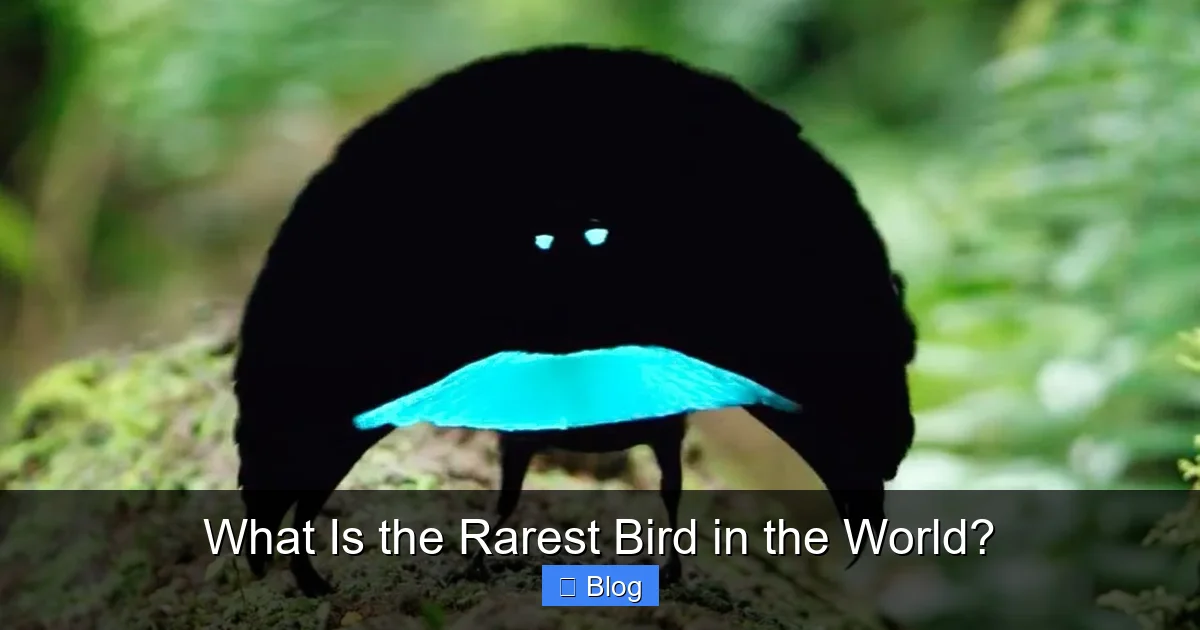
Visual guide about What Is the Rarest Bird in the World?
Image source: i.ytimg.com
The Search for the Utmost Rarity
Some birds are so rare that they are known from only a handful of sightings, or even from single individuals that have been intensely studied. Others have endured through dedicated conservation programs but remain in dangerously low numbers. Let’s look at a few prominent candidates that exemplify extreme rarity.
The Stresemann’s Bristlefront (Merulaxis stresemanni)
This incredibly shy and elusive bird from the Atlantic Forest of Brazil is arguably the strongest contender for the title of the rarest bird in the world. For decades, it was considered possibly extinct, known only from a few specimens collected in the 20th century. A rediscovery in 1995 reignited hope, but sightings remained incredibly sparse. The biggest news came in 2018 when a single female was sighted and filmed, sparking intense conservation efforts around her known territory. As of recent updates, confirmed sightings of this species are extremely rare, with possibly only one or two individuals known to exist in the wild, making its survival a truly day-to-day struggle. Its habitat is fragmented and under constant threat, making every known individual precious beyond measure.
The Kakapo (Strigops habroptilus)
While its population is now around 200 individuals, which might seem “high” compared to the Bristlefront, the Kakapo’s unique status makes it an icon of rarity. It is the world’s only flightless parrot, the heaviest parrot, and nocturnal. Endemic to New Zealand, it evolved without ground predators, making it incredibly vulnerable to introduced stoats, cats, and rats. Every single Kakapo is known by name, microchipped, and intensively managed on predator-free islands. Its story is one of dramatic decline and a monumental, ongoing conservation battle, making it one of the most unique and historically rare birds on Earth.
The Night Parrot (Pezoporus occidentalis)
Australia’s Night Parrot is often called the “holy grail” of ornithology. For over a century, it was believed to be extinct, with only a few museum specimens. Then, in 2013, an incredible rediscovery was made in Queensland, sparking a flurry of excitement and subsequent limited sightings. This small, nocturnal, incredibly secretive parrot lives in remote, arid spinifex grasslands, making it exceptionally difficult to find and study. Its current population is unknown but presumed to be incredibly small, scattered across vast, inaccessible areas. Its elusiveness makes it one of the rarest and most mysterious birds globally.
The Fatu Hiva Monarch (Pomarea whitneyi)
Hailing from the small French Polynesian island of Fatu Hiva, this tiny black monarch bird is critically endangered. Its population has plummeted due to predation by invasive black rats, which were introduced to the island. In recent years, its numbers have been reduced to critically low levels, perhaps fewer than 20 individuals, making it another contender for the rarest bird in the world. Intensive rat eradication programs are underway, but the fight to save this delicate species is an uphill battle.
The California Condor (Gymnogyps californianus)
A true conservation success story, yet still incredibly rare. In the 1980s, the California Condor population had dwindled to just 22 individuals worldwide, making it one of the rarest birds on Earth. An ambitious captive breeding program was initiated, bringing all remaining wild condors into human care. Today, thanks to decades of dedicated effort, the population has grown to over 500 birds, with more than half flying free in the wild. While their numbers are rising, they still face threats like lead poisoning from ammunition and habitat loss, keeping them on the critically endangered list and a powerful symbol of rarity and resilience.
The Stresemann’s Bristlefront: A Deep Dive into Extreme Rarity
Among the many critically endangered species, the Stresemann’s Bristlefront (Merulaxis stresemanni) stands out as a prime candidate for the title “what is the rarest bird in the world?” Its story is a testament to both the beauty of discovery and the heartbreak of biodiversity loss.
A Ghost of the Atlantic Forest
The Stresemann’s Bristlefront is a medium-sized bird, roughly 20 centimeters long, characterized by its distinctive “bristles” or stiff feathers around its nostrils. The male has a glossy black plumage with a greyish-brown belly, while the female is duller brown. Its song is a series of low, whistling notes, incredibly difficult to pinpoint in the dense undergrowth of its habitat. It lives exclusively in the rapidly vanishing Atlantic Forest of southeastern Bahia, Brazil—a biodiversity hotspot that has been severely fragmented by deforestation for agriculture and cattle ranching.
Decades of Elusiveness
This species was first described in 1960 from a single male specimen collected in 1945. For many years, it remained virtually unknown, with only a handful of subsequent specimens. It was largely considered a “ghost” species, possibly extinct, until a groundbreaking rediscovery in 1995 when a small population was found. However, even then, sightings were few and far between, underscoring its extreme shyness and the difficulty of accessing its remote habitat. Its reclassification to Critically Endangered by the IUCN highlights the dire situation.
The Sole Known Survivor?
The situation became even more critical in the 21st century. While efforts were made to protect known territories, habitat destruction continued. In 2018, a monumental achievement occurred when a team of researchers managed to locate and film a single female Stresemann’s Bristlefront. This individual, often referred to as “the last known female,” became the focus of intense conservation efforts. While there is always a slim hope that other individuals exist deep within the remaining forest fragments, confirmed sightings have been incredibly scarce. The thought that an entire species might rest on the survival of one or two individuals is a stark and heartbreaking reality, firmly placing the Stresemann’s Bristlefront at the pinnacle of rarity.
The challenges in protecting this bird are immense: its habitat is highly fragmented, making it difficult to establish contiguous protected areas. Local communities might not be aware of its importance, and resources for extensive surveys and protection are limited. Yet, the dedicated researchers and conservationists who continue to search for and protect this elusive bird embody the hope that even the rarest of species can still be saved.
Conservation Efforts: A Beacon of Hope for Rare Birds
The stories of the world’s rarest birds are often tales of despair, but they are also powerful narratives of hope and human ingenuity. Conservation efforts, ranging from local grassroots initiatives to global collaborations, are vital in preventing these unique species from vanishing forever.
Strategies for Survival
Saving a critically endangered bird requires a multi-faceted approach, often tailored to the specific threats and ecological needs of each species. Some common and highly effective strategies include:
- Habitat Protection and Restoration: This is often the most critical step. It involves establishing national parks, wildlife reserves, and protected areas, as well as actively restoring degraded habitats by replanting native vegetation and controlling erosion. For example, large tracts of the Atlantic Forest are being targeted for protection to help species like the Stresemann’s Bristlefront.
- Captive Breeding and Reintroduction Programs: For species with dangerously low numbers, bringing individuals into zoos or specialized breeding centers can be a lifeline. Here, populations can be carefully managed to maintain genetic diversity and increase numbers. The California Condor is a shining example of this, where a successful program brought the species back from just 22 individuals. Spix’s Macaw, once extinct in the wild, is another species undergoing reintroduction from captive populations.
- Invasive Species Control: On islands and other vulnerable ecosystems, removing or controlling introduced predators like rats, cats, and stoats is paramount. New Zealand’s efforts to create predator-free islands have been instrumental in saving the Kakapo and other endemic species.
- Disease Management: For small, isolated populations, disease can be devastating. Scientists monitor the health of rare birds and, when possible, vaccinate them against common threats.
- Community Engagement and Education: Long-term conservation success depends on the cooperation of local communities. Educating people about the importance of biodiversity, involving them in conservation projects, and finding sustainable livelihoods that don’t conflict with wildlife are crucial. For example, some programs pay landowners to protect rare bird habitats on their property.
- Legal Protection and Enforcement: Strong laws protecting endangered species and their habitats, coupled with effective enforcement against poaching and illegal trade, are essential deterrents.
Success Stories and Ongoing Battles
While the focus on “what is the rarest bird in the world” often highlights the most precarious situations, it’s important to remember that conservation does work. The Mauritius Kestrel, once down to just four individuals, has been brought back from the brink. The Echo Parakeet, also from Mauritius, faced similar odds but now thrives thanks to intensive management. These successes provide blueprints and hope for species still struggling, like the Stresemann’s Bristlefront and Fatu Hiva Monarch.
The fight is far from over. Climate change, continued habitat destruction, and emerging threats mean that conservation is an ongoing battle. But with continued dedication, scientific innovation, and global collaboration, we can ensure that these magnificent and rare birds continue to grace our planet.
How You Can Help Protect the World’s Rarest Birds
You don’t need to be an ornithologist or a field biologist to contribute to the protection of the world’s rarest birds. Every individual action, no matter how small, adds up and makes a difference in the global effort to conserve biodiversity.
Practical Steps for Everyday Conservation
Understanding what is the rarest bird in the world is the first step; taking action is the next. Here’s how you can make a tangible impact:
- Support Conservation Organizations: Donate to or volunteer with reputable organizations that specialize in avian conservation, such as the IUCN, BirdLife International, the Cornell Lab of Ornithology, or local Audubon societies. Your financial contributions directly fund habitat protection, research, and breeding programs.
- Reduce Your Ecological Footprint: Make conscious choices in your daily life.
- Consume Sustainably: Choose products that are sustainably sourced, avoiding those linked to deforestation (e.g., unsustainable palm oil) or destructive harvesting practices. Look for certifications like FSC for wood products.
- Reduce, Reuse, Recycle: Minimize waste, especially plastics, which can harm birds directly (ingestion) or indirectly (habitat pollution).
- Conserve Energy: Reduce your carbon footprint by using less energy, choosing renewable sources where possible, and supporting policies that address climate change.
- Advocate for Wildlife: Speak up! Contact your elected officials to express your support for environmental legislation, protected areas, and funding for conservation programs. Share information about rare birds and their plights on social media or with friends and family to raise awareness.
- Be a Responsible Pet Owner: If you own cats, keep them indoors, especially during peak bird activity times, to prevent them from preying on native birds. Never release unwanted pets into the wild, as they can become invasive species.
- Practice Responsible Tourism: If you travel to areas with rare birds, choose eco-tourism operators who prioritize conservation and minimize disturbance to wildlife. Follow all guidelines from park rangers or guides.
- Educate Yourself and Others: Learn more about local and global bird species, their habitats, and the threats they face. Share this knowledge. The more people understand, the more likely they are to care and act.
- Create Bird-Friendly Habitats: Even in your own backyard, you can make a difference. Plant native trees and shrubs that provide food and shelter for local birds, avoid pesticides, and provide clean water sources.
Remember, the survival of the Stresemann’s Bristlefront, the Kakapo, the California Condor, and countless other species depends on a collective effort. Your conscious choices and active participation are powerful tools in the fight to protect the world’s most vulnerable and rarest birds.
Conclusion: A Fragile Future for the Feathered Few
The question “What is the rarest bird in the world?” leads us down a path of scientific discovery, environmental concern, and profound appreciation for life’s diversity. While the Stresemann’s Bristlefront currently holds a strong claim to this somber title due to its incredibly low confirmed population, the truth is that rarity is a dynamic and often heartbreaking metric. It serves as a stark reminder that numerous species across the globe are clinging to existence by the thinnest of threads, each one unique and irreplaceable.
The plight of these rare birds is a mirror reflecting the broader health of our planet. Their scarcity is almost universally a direct consequence of human activities—habitat destruction, climate change, pollution, and the introduction of invasive species. Yet, their stories are not solely ones of impending loss. They are also narratives of incredible resilience and the powerful impact of dedicated conservation efforts.
From the intensive care given to every single Kakapo, to the miraculous comeback of the California Condor, and the unwavering search for the elusive Night Parrot, humanity is demonstrating its capacity for profound change and commitment. The future of the Stresemann’s Bristlefront, and indeed all rare birds, hangs in the balance, a delicate ecosystem reliant on our choices. By understanding their struggles, supporting conservation initiatives, and making conscious decisions in our daily lives, we can all play a part in ensuring that the extraordinary diversity of avian life continues to enrich our world for generations to come. The rarest bird in the world is not just a scientific curiosity; it is a call to action.
Frequently Asked Questions
What is the current estimated population of the Stresemann’s Bristlefront?
The exact population is unknown and likely extremely low, possibly down to a single confirmed female identified in 2018. While there’s always hope for more, confirmed sightings are exceptionally rare, making it one of the most critically endangered birds on the planet.
Why is it so difficult to count the exact number of individuals for the rarest birds?
Many of the rarest birds live in extremely remote, dense, or inaccessible habitats. They are often shy, secretive, and well-camouflaged, making visual sightings and population surveys incredibly challenging and labor-intensive.
Are all rare birds found in tropical regions?
While many critically endangered birds are found in biodiversity hotspots like tropical forests, rarity can occur anywhere. For example, the Kakapo is from New Zealand, the California Condor from North America, and the Night Parrot from Australia’s arid interior.
What role do zoos play in protecting the rarest birds?
Zoos and specialized breeding centers are vital for captive breeding programs, which act as an “ark” for species on the brink of extinction. They help boost populations, maintain genetic diversity, and educate the public, with the ultimate goal of reintroducing birds back into protected wild habitats.
Can climate change make a bird rare even if its population is currently stable?
Yes, climate change can drastically impact a bird’s rarity over time. It can alter habitats, shift food sources, disrupt migration patterns, and intensify extreme weather events, all of which can lead to rapid population declines and push previously stable species towards rarity and extinction.
What’s the difference between “endangered” and “critically endangered”?
These terms are classifications used by the IUCN Red List. “Endangered” means a species faces a very high risk of extinction in the wild. “Critically Endangered” signifies an even more severe status, indicating an extremely high risk of extinction in the wild, often with extremely low populations and rapidly declining numbers, making it the category just before “Extinct in the Wild.”