
When a bird hits your window, it’s usually an unfortunate accident due to glass reflections, not a mystical omen. Birds perceive reflections as clear sky or habitat, leading to collisions that can injure or kill them. Understanding the science helps us take simple, effective steps to prevent these strikes and protect our feathered friends.
Have you ever been startled by that distinct thud, followed by the sight of a stunned bird at your window? It’s a common and often distressing experience that leaves many of us wondering, “What does it mean when a bird hits your window?” For centuries, humans have looked to nature for signs and symbols, and a bird striking glass certainly feels like an event laden with meaning. Is it a bad omen? A message from beyond? Or just a sad accident?
In this comprehensive guide, we’re going to dive deep into this widespread phenomenon. We’ll explore the scientific reasons behind why birds hit windows, separate fact from folklore, and most importantly, equip you with practical steps to help any bird that has suffered a collision. We’ll also provide actionable advice on how to prevent these incidents from happening again, making your home a safer haven for our feathered neighbors.
So, let’s pull back the curtain on this everyday mystery. Whether you’re seeking to understand the immediate impact, the deeper symbolic interpretations, or just want to make a difference for local wildlife, you’ve come to the right place. Let’s find out what does it mean when a bird hits your window and how we can respond with both understanding and compassion.
Key Takeaways
- Window collisions are primarily accidental: Birds often perceive reflections on glass as open sky or a continuation of their habitat, leading to unavoidable impacts.
- Multiple factors contribute: Reflections, window placement, nearby feeders, houseplants, and even territorial aggression can all cause birds to hit windows.
- Superstitions are common but unfounded: While many cultures attach symbolic meaning to bird strikes, these beliefs are generally not supported by scientific fact and can distract from practical solutions.
- Immediate action is crucial for injured birds: If a bird hits your window, provide a safe, quiet recovery space, but avoid direct contact if possible. Know when to contact a wildlife rehabilitator.
- Prevention is the best solution: Simple modifications like applying decals, using screens, angling windows, or repositioning feeders can significantly reduce the risk of future strikes.
- Every bird matters: Window collisions are a significant cause of bird mortality, making even small preventative measures impactful for local bird populations.
Quick Answers to Common Questions
What is the main reason birds hit windows?
The primary reason birds hit windows is that they cannot perceive glass as a solid barrier. Instead, they see reflections of the sky or surrounding vegetation, or they see straight through a house to an appealing habitat on the other side, leading them to fly directly into the glass.
What should I do if a bird hits my window and is stunned?
If a bird hits your window and is stunned but not visibly injured, gently place an opaque box (like a shoebox with air holes) over it and bring it to a warm, quiet indoor space for 30-60 minutes. Then, release it in a safe outdoor spot away from predators.
Are bird window strikes a bad omen?
From a scientific perspective, bird window strikes are unfortunate accidents, not bad omens. While many cultures have spiritual interpretations, there’s no evidence to suggest they carry mystical significance like impending death or bad luck.
How can I tell if a bird that hit my window is seriously injured?
Look for visible injuries like blood, broken or drooping wings, inability to stand, constant shaking, or if the bird is still grounded and disoriented after two hours of recovery time. These signs indicate a need for professional wildlife rehabilitation.
What is the most effective way to prevent birds from hitting my windows?
The most effective way is to make your windows visible to birds. This can be done by applying bird-friendly decals or static clings (spaced 2-4 inches apart), installing exterior window screens, or hanging strings or cords outside the glass to break up reflections.
📑 Table of Contents
The Immediate Reality: What Actually Happens?
When you hear that jarring sound, your first thought might be about the bird’s well-being. And rightly so. While the event can feel symbolic, the immediate reality for the bird is often one of injury or confusion.
The Physical Impact and Its Consequences
A bird hitting a window, even at a seemingly slow speed, can be devastating. Birds are incredibly delicate creatures, designed for flight. Their bones are hollow, making them lightweight but also fragile. The impact can cause a range of injuries:
- Concussion: This is the most common injury. The bird might be stunned, dazed, or unresponsive, struggling to fly straight.
- Internal Bleeding: Impact can cause internal organ damage, which isn’t always visible externally.
- Broken Bones: Wings, legs, or beaks can break upon impact, severely hindering their ability to survive.
- Spinal Cord Damage: In severe cases, the spine can be damaged, leading to paralysis.
Sadly, many birds die instantly or succumb to their injuries later, even if they manage to fly away. They might become easy prey for predators due to disorientation or be unable to forage for food. Understanding the severity of these incidents underscores why prevention is so important.
Why Birds Struggle with Glass
From a bird’s perspective, glass is a deceptive trap. They don’t perceive it as a solid barrier. Instead, they interpret it in one of two main ways:
- Reflection: During the day, windows often reflect the sky, trees, or surrounding landscape. To a bird, this reflection looks like a continuation of their environment, an open path to fly through. They literally see more sky or more trees where there’s only glass.
- Transparency: If a window is particularly clean or there’s another window or opening directly opposite, the bird might see right through the house. It appears as an unobstructed flight path, especially if there are plants inside that look like inviting habitat.
This optical illusion is the primary culprit behind the tragic question of what does it mean when a bird hits your window. It’s not malice or a deliberate act; it’s a fundamental misunderstanding of our built environment.
Common Reasons Birds Hit Windows (The Scientific Explanations)
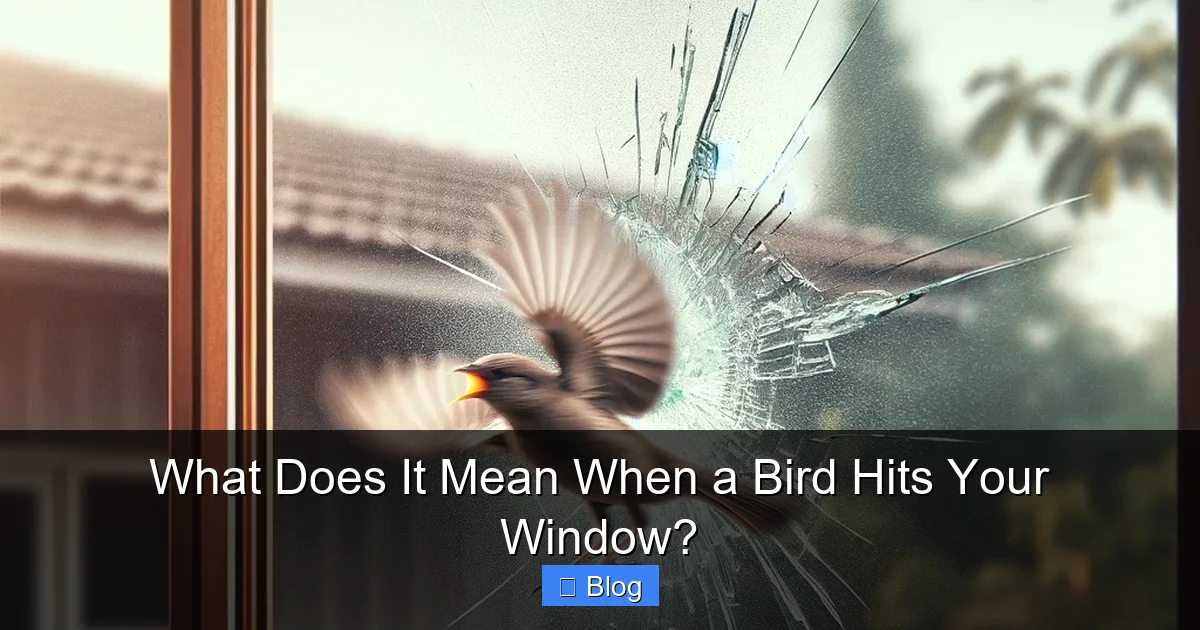
Visual guide about What Does It Mean When a Bird Hits Your Window?
Image source: birdepedia.com
Beyond the basic visual deception, several specific factors contribute to why birds frequently collide with windows. These aren’t just random occurrences; they often stem from predictable patterns in bird behavior and our home environments.
Reflections and Illusions
As mentioned, reflections are a huge problem. Think about it: a perfectly blue sky, a lush green tree, or a vibrant flower garden reflected in a window looks incredibly inviting to a bird. They might be flying from one tree to another, see a reflection of “more trees,” and simply fly directly into what appears to be an extension of their route. This is especially true for large windows or those that are highly reflective. This is the most common answer to what does it mean when a bird hits your window from a scientific perspective.
Window Placement and Bird Flight Paths
The location of your windows relative to popular bird flight paths can also play a role. If your windows are on a migratory route or between a bird’s feeding ground and nesting site, the chances of a collision increase. Corner windows, which create a tunnel effect of reflections, are particularly hazardous. Birds flying at high speeds or those just emerging from dense foliage might have less time to react to the unexpected barrier.
Bird Feeders and Houseplants
While bird feeders are wonderful for attracting birds, their placement is crucial. If a feeder is too close to a window (less than 3 feet), birds might take off quickly, become startled, and fly directly into the glass. If it’s too far (more than 30 feet), they might gain too much speed before impact. The “sweet spot” is typically very close (within 3 feet), where they don’t gain enough momentum for a serious strike, or far away enough that they can perceive the window as a barrier.
Similarly, houseplants visible through a window can appear to be inviting vegetation, drawing birds in. They see a green haven and fly towards it, only to be met with glass.
Aggression and Territorial Disputes (Mirror Effect)
Sometimes, what does it mean when a bird hits your window is not about transparency or reflection of nature, but about another bird. During breeding season, male birds are highly territorial. If a bird sees its own reflection in a window, it might perceive it as a rival challenging its territory. It will then repeatedly fly at the window, pecking or even dive-bombing its reflection to drive the “intruder” away. This can be exhausting and stressful for the bird, making it vulnerable.
Environmental Factors and Stress
Less common but still significant factors include weather conditions. Strong winds can push birds off course, making them less able to navigate obstacles. Birds fleeing predators might also fly erratically and be less aware of their surroundings, increasing their risk of collision. Also, light pollution, especially during migration, can disorient birds, leading them to fly into brightly lit buildings.
Is It a Bad Omen? Cultural Beliefs and Superstitions
When something as jarring as a bird hitting your window happens, it’s natural to seek meaning, especially in an event that seems so out of the ordinary. While science offers practical explanations, many cultures worldwide have long held symbolic interpretations for such occurrences. So, what does it mean when a bird hits your window in a spiritual sense?
Diverse Interpretations Across Cultures
Across different traditions, a bird striking a window can carry various, often contradictory, meanings:
- Portent of Death or Bad News: In some Western superstitions, particularly in the past, a bird flying into a house or hitting a window was seen as an omen of death or serious illness, often for someone in the household or a close loved one. This belief often stemmed from the idea of the bird as a messenger from the spirit world, and its unusual behavior signaling an impending significant event.
- A Visit from a Loved One: Conversely, in other cultures or even within the same culture, a bird appearing close to a window, especially a specific type of bird like a robin or cardinal, might be interpreted as a visit from a deceased loved one, bringing comfort or a message.
- A Warning or Change: Some interpretations suggest it’s a warning to pay attention to your surroundings, an indication of impending change, or a signal that you need to protect yourself from negative energies. The “message” is often open to personal interpretation.
- Good Fortune (less common for strikes): While birds flying *into* a house is rarely seen as good luck, some birds (like swallows nesting) are universally symbols of good fortune. A strike, however, almost always carries a more somber or cautionary tone in folklore.
These beliefs often depend heavily on the type of bird, the time of day, and the specific circumstances of the strike, creating a rich tapestry of folklore.
Finding Personal Meaning vs. Fact
It’s important to recognize the difference between personal interpretation and objective reality. For many, finding spiritual meaning in such events provides comfort, a sense of connection, or a framework for understanding difficult experiences. If you choose to find personal meaning in what does it mean when a bird hits your window, that’s a deeply personal journey.
However, when it comes to action, relying solely on superstition can be detrimental. Attributing a bird strike to a spiritual omen, for example, might prevent you from taking practical steps to help an injured bird or prevent future collisions.
Separating Myth from Reality
From a scientific perspective, a bird hitting your window is an accident. It’s a tragic consequence of birds failing to perceive glass as a barrier. There is no scientific evidence to support the idea that these events are omens of death, bad luck, or messages from the spirit world.
Embracing the scientific understanding doesn’t diminish the sense of wonder or even sadness you might feel. Instead, it empowers you to act constructively. Rather than pondering a negative omen, you can focus on helping the bird and preventing future incidents, which is arguably a more positive and impactful response.
What to Do When a Bird Hits Your Window (Practical Steps)
So, a bird has hit your window. Your immediate concern should be for the bird’s safety and recovery. Knowing what to do can make a significant difference.
Assessing the Bird’s Condition
First, observe from a distance. The bird might be stunned but otherwise okay.
- Stunned and still: If the bird is lying motionless, it’s likely stunned. Give it time.
- Attempting to fly but disoriented: It might try to fly but crash or fly in circles.
- Visible injuries: Look for drooping wings, blood, or unnatural angles of limbs.
Do not immediately pick up the bird. A stunned bird might suddenly regain consciousness and fly into you or another object, causing further injury to itself or you.
Providing a Safe Recovery Space
If the bird is stunned but shows no obvious severe injuries:
- Find a Container: Gently place an opaque box (like a shoebox with air holes) or a paper bag over the bird. This provides a dark, quiet, safe space where it won’t be exposed to predators or human activity.
- Keep it Warm and Quiet: Bring the container indoors to a warm, quiet room. Extreme temperatures can hinder recovery.
- Check Periodically: After 30 minutes to an hour, take the box outside to a quiet, sheltered spot (away from predators). Gently open the box and step back. If the bird flies away strongly, great! If it’s still disoriented or can’t fly, repeat the process for another hour.
- Do NOT Offer Food or Water: A stunned bird cannot properly digest food or water, and attempting to force it can cause aspiration or further stress.
When to Seek Professional Help
If the bird shows any of the following, it needs professional help:
- Visible Injuries: Broken bones, blood, deep cuts.
- Unable to Fly After Two Hours: If it’s still grounded after repeated attempts to fly after a couple of hours.
- Shaking or Seizures: Signs of severe head trauma.
- A Predator Nearby: If you cannot safely deter a cat or other predator.
Contact a local wildlife rehabilitator or animal rescue organization immediately. You can usually find them through a quick online search for “wildlife rehabilitator near me” or by contacting your local humane society. They are trained to handle injured wildlife and give the bird the best chance of survival.
Important Safety Precautions
- Wear Gloves: If you must handle the bird, always wear gloves to protect yourself from potential bites, scratches, or diseases.
- Minimize Stress: Handle the bird as little as possible. Your presence can be very stressful for a wild animal.
- Keep Pets Away: Ensure cats, dogs, and other pets are kept far away from the bird to prevent further injury or stress.
Understanding what does it mean when a bird hits your window and how to respond properly is key to being a responsible neighbor to wildlife.
How to Prevent Future Window Strikes (Proactive Solutions)
The best response to what does it mean when a bird hits your window is to prevent it from happening again. Most window collisions are avoidable with some simple modifications to your home and yard.
Making Windows Visible to Birds
This is the most effective strategy. You need to break up the reflection or transparency of the glass.
- Apply Decals or Stickers: Bird-friendly window decals, static clings, or even simple shapes cut from contact paper can be applied to the *outside* of your windows. They need to be spaced no more than 2-4 inches apart to be effective for small birds. Consider fun patterns or designs that still allow light in.
- Use Window Screens: Installing exterior window screens creates a buffer and breaks up reflections. Even if a bird does hit a screened window, the impact is softened, reducing injury.
- Hang Strips or Cords: You can hang paracord, string, or special “Acopian BirdSavers” outside your windows, spaced a few inches apart. These create a visible barrier for birds.
- Install Exterior Shutters or Awnings: These can reduce reflections by shading the window surface.
- Consider Bird-Friendly Glass: If you’re building or renovating, consider bird-friendly glass that has patterns or UV coatings visible to birds but not to humans.
- Paint or Etch Patterns: For certain windows, painting designs or even etching patterns onto the outside surface can make them more visible.
Strategic Placement of Feeders and Plants
Re-evaluating where you place feeders and indoor plants can significantly reduce strikes.
- Feeders: Place bird feeders either very close (within 3 feet) or far away (over 30 feet) from windows. Close placement prevents birds from building up speed, while far placement gives them ample time to recognize the window.
- Houseplants: Move houseplants away from windows where they might be visible from the outside. If you can’t move them, make sure the window itself is treated with prevention methods.
Lighting and Night-Time Prevention
Migrating birds are often disoriented by artificial lights at night, especially during cloudy conditions.
- Turn Off Unnecessary Lights: During peak migration seasons (spring and fall), turn off non-essential interior and exterior lights, especially those facing outwards.
- Use Motion Sensors: For necessary outdoor lighting, use motion-activated lights or downward-facing fixtures.
- Close Blinds and Curtains: At night, close blinds, drapes, or curtains to prevent interior lights from streaming out.
Landscape Design
The way your garden is designed can also help.
- Avoid Reflective Surfaces: Be mindful of highly reflective garden ornaments or features near windows.
- Planting Near Windows: Strategically placed trees or shrubs can break up reflections and offer birds a visual cue of a barrier. However, ensure they aren’t so close that they provide cover for predators.
By implementing a few of these solutions, you can dramatically decrease the chances of a bird hitting your window. It’s a small effort that can have a huge positive impact on local bird populations.
Conclusion
The question, “What does it mean when a bird hits your window?” is one that has sparked curiosity, concern, and superstition for generations. We’ve explored the immediate, often tragic, reality for the bird, understanding that these are mostly accidental collisions due to the deceptive nature of glass. From reflections of sky and trees to territorial disputes with their own image, the scientific explanations are clear: birds simply don’t perceive windows as solid barriers.
While cultural beliefs and superstitions offer intriguing, sometimes comforting, interpretations, it’s crucial to distinguish myth from the actionable reality. The most impactful response isn’t to decode a mystical message, but to understand the science and respond with compassion and proactive measures. By knowing how to assist an injured bird responsibly and, more importantly, how to prevent these incidents in the first place, we can make a tangible difference.
Implementing simple solutions like applying window decals, adjusting feeder placement, or managing night-time lighting can transform your home from a potential hazard into a safe haven for our avian friends. Every preventative step helps protect these vital members of our ecosystem. So, next time you hear that startling thud, remember it’s an opportunity to act, to protect, and to coexist harmoniously with the wonderful wildlife around us.
Frequently Asked Questions
Is a bird hitting a window good luck or bad luck?
From a scientific standpoint, a bird hitting a window is neither good nor bad luck; it’s an unfortunate accident. While various cultural beliefs attribute symbolic meaning to such events, these are folklore, not based on factual evidence. The bird’s well-being is the primary concern.
Do birds die immediately when they hit a window?
Not always immediately. Some birds die on impact due to severe trauma, but many are merely stunned or suffer internal injuries that may lead to death later. A bird flying away after impact might still succumb to its injuries or disorientation.
What time of day are birds most likely to hit windows?
Birds are most likely to hit windows during daylight hours when reflections are strongest, particularly in the early morning and late afternoon when the sun’s angle creates intense reflections. During migration seasons, light pollution can also cause strikes at night.
Can bird feeders cause birds to hit windows?
Yes, improperly placed bird feeders can contribute to window strikes. If a feeder is too close (but not directly next to the glass) or too far from a window, birds might startle, fly away quickly, and hit the glass. Placing feeders very close (within 3 feet) or more than 30 feet away is generally safer.
Are certain types of windows more prone to bird strikes?
Yes, large, clean, highly reflective windows, and those that have another window or an inviting view directly opposite, are more prone to bird strikes. Corner windows can also be particularly dangerous due to their tunnel-like reflections.
Should I try to feed or give water to a stunned bird?
No, you should not try to feed or give water to a stunned bird. A bird suffering from head trauma cannot properly swallow, and attempting to force food or water can cause aspiration (liquid entering the lungs) or further stress, which can be fatal.