
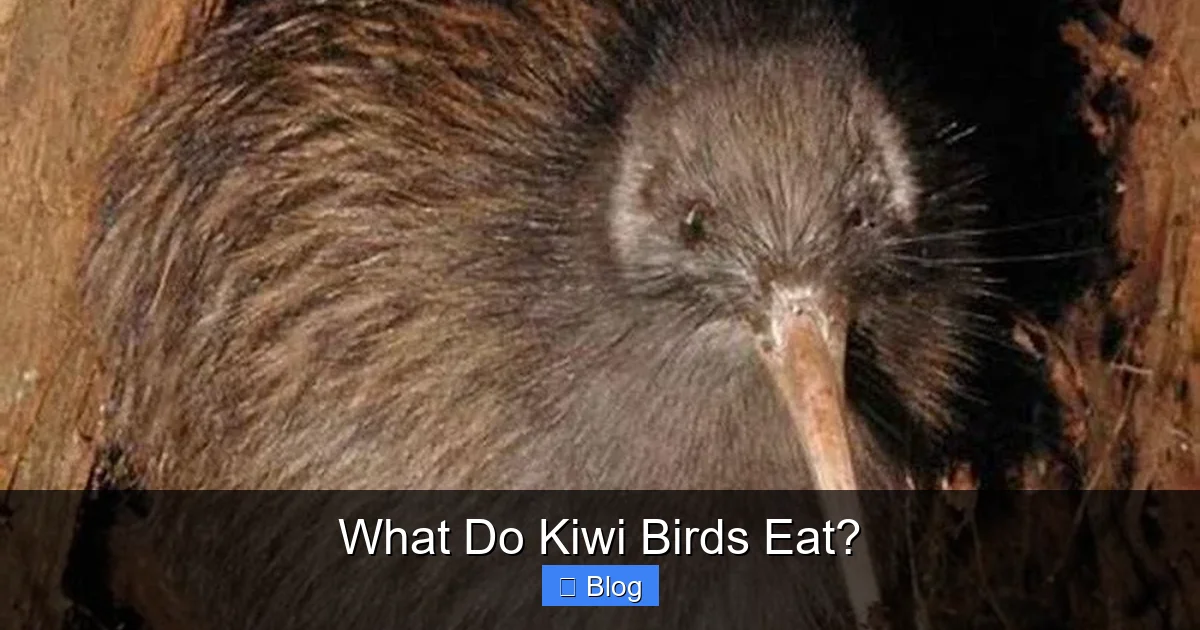
Kiwi birds primarily eat a diverse range of invertebrates, including earthworms, insect larvae, spiders, and centipedes, which they skillfully locate using their highly developed sense of smell and long beaks. They also supplement their diet with native fruits, fungi, and some plant matter, adapting their foraging to seasonal availability. This varied diet is crucial for their survival in New Zealand’s unique ecosystems.
What Do Kiwi Birds Eat?
New Zealand, a land renowned for its stunning landscapes and unique wildlife, is home to a true avian marvel: the kiwi. This iconic, flightless bird, with its shaggy feathers and long beak, is not just a national symbol; it’s a fascinating creature perfectly adapted to its nocturnal forest environment. Many people know the kiwi by sight, or at least by reputation, but fewer truly understand the intricacies of its daily life, especially when it comes to something as fundamental as its diet. So, what do kiwi birds eat to thrive in their unique world?
Imagine a bird that hunts like a badger, snuffling through the undergrowth with an extraordinary sense of smell. That’s essentially the kiwi. Unlike most birds that rely on sight, the kiwi bird is a master of olfactory foraging, using its beak-tip nostrils to pinpoint prey buried deep underground. This incredible adaptation allows them to feast on a rich smorgasbord of invertebrates, making them vital ecological engineers in their native habitats. But their diet isn’t just about digging for bugs; it’s a diverse menu that shifts with the seasons and the specific environment.
Join us on a journey into the dark, damp forests of New Zealand to uncover the culinary secrets of these beloved birds. We’ll explore the primary components of their diet, from juicy earthworms to exotic fungi, understand how they find their food, and learn why their eating habits are so crucial for their survival and the health of their ecosystem. Understanding what kiwi birds eat gives us a deeper appreciation for these magnificent creatures and the conservation efforts aimed at protecting them.
Key Takeaways
- Primary Diet: Kiwi birds are mainly insectivores, with earthworms and a wide array of insects and their larvae forming the bulk of what they eat.
- Unique Foraging: They use their exceptional sense of smell, with nostrils located at the end of their long beaks, to probe the ground and precisely locate food in the dark.
- Dietary Diversity: Beyond invertebrates, kiwi birds eat native fruits, various fungi, seeds, and even some leaves, especially when insect availability is low or as a seasonal supplement.
- Nocturnal Habits: Being nocturnal, kiwis hunt for food during the night, which helps them avoid many predators and exploit the natural activity cycles of their invertebrate prey.
- Habitat Influence: The specific diet can vary slightly among the different kiwi species and their habitats, reflecting the local abundance and availability of food sources.
- Conservation Link: A healthy and abundant natural food source is absolutely vital for the survival, growth, and breeding success of kiwi birds, making habitat preservation efforts crucial for protecting their pantry.
Quick Answers to Common Questions
Do kiwi birds eat plants?
While their diet is primarily animal-based, kiwi birds do supplement their meals with native fruits, fungi, and occasionally leaves or seeds, especially when invertebrate prey is scarce.
How do kiwi birds find their food?
Kiwi birds are unique in that they use their highly developed sense of smell to locate food. Their nostrils are at the very tip of their long beaks, allowing them to sniff out earthworms and insects buried underground.
Are kiwi birds picky eaters?
No, kiwi birds are quite opportunistic foragers. While they have preferred foods like earthworms, they will readily consume a wide variety of available invertebrates, fruits, and fungi, adapting their diet to what’s available in their environment.
What is the main food source for kiwi birds?
The main food source for kiwi birds consists of a diverse range of invertebrates, particularly earthworms, insect larvae, beetles, crickets, spiders, and centipedes found in the forest floor.
Do young kiwi birds eat the same as adults?
Young kiwi chicks typically start with smaller invertebrates but quickly transition to a diet similar to adults as they grow. They learn foraging techniques by observing their parents and through instinct, becoming adept at finding what kiwi birds eat in their habitat.
📑 Table of Contents
The Primary Diet: Invertebrates Galore
When you ask what do kiwi birds eat, the first and most significant answer is invertebrates. These creatures form the cornerstone of the kiwi’s diet, providing essential protein, fats, and other nutrients vital for their active lifestyle. The damp, rich forest floors of New Zealand are teeming with life, creating a perfect pantry for these nocturnal foragers.
Worms: The Kiwi’s Favorite Snack
Earthworms are, without a doubt, the kiwi’s absolute favorite food. These wriggly, protein-rich morsels are abundant in the forest soil, especially after rain, and are relatively easy for a kiwi to locate and extract. A single kiwi can devour hundreds of earthworms in a single night! Their long, sensitive beaks are perfectly designed to probe deep into the soil, and once a worm is detected, the kiwi can quickly pull it out with surprising dexterity. The sheer volume of worms consumed highlights their importance in providing consistent energy and nutrition for these busy birds.
Insects and Larvae: A Diverse Buffet
Beyond worms, a vast array of insects and their larvae make up a significant portion of what kiwi birds eat. The forest floor is a bustling metropolis of insect life, and kiwis are expert hunters of many species.
- Beetles: Both adult beetles and their grubs (larvae), such as the large, juicy huhu grubs, are a highly prized food source. These grubs are packed with energy and are often found burrowed in decaying wood or soil.
- Crickets and Wētā: New Zealand is home to several species of wētā, large, flightless crickets that are a substantial meal for a kiwi. Regular crickets are also on the menu.
- Cicadas: During their emergence, cicadas can provide a seasonal feast.
- Caterpillars: Various caterpillars are also readily consumed, adding to the dietary diversity.
These insects are often active on the forest floor at night, making them accessible targets for a foraging kiwi. The variety ensures a balanced intake of nutrients, even if one type of prey is less available.
Spiders, Centipedes, and Other Creepy Crawlies
The kiwi’s diet doesn’t stop at worms and insects. They are opportunistic feeders and will happily consume other small invertebrates they encounter. Spiders, with their soft bodies, are easily digestible and provide another source of protein. Centipedes and millipedes are also on the menu, though centipedes can sometimes deliver a mild bite, it doesn’t deter a hungry kiwi. Any small, soft-bodied invertebrate found during their nightly foraging is fair game, demonstrating the adaptability of what kiwi birds eat.
Beyond Bugs: Fruits, Fungi, and Seeds
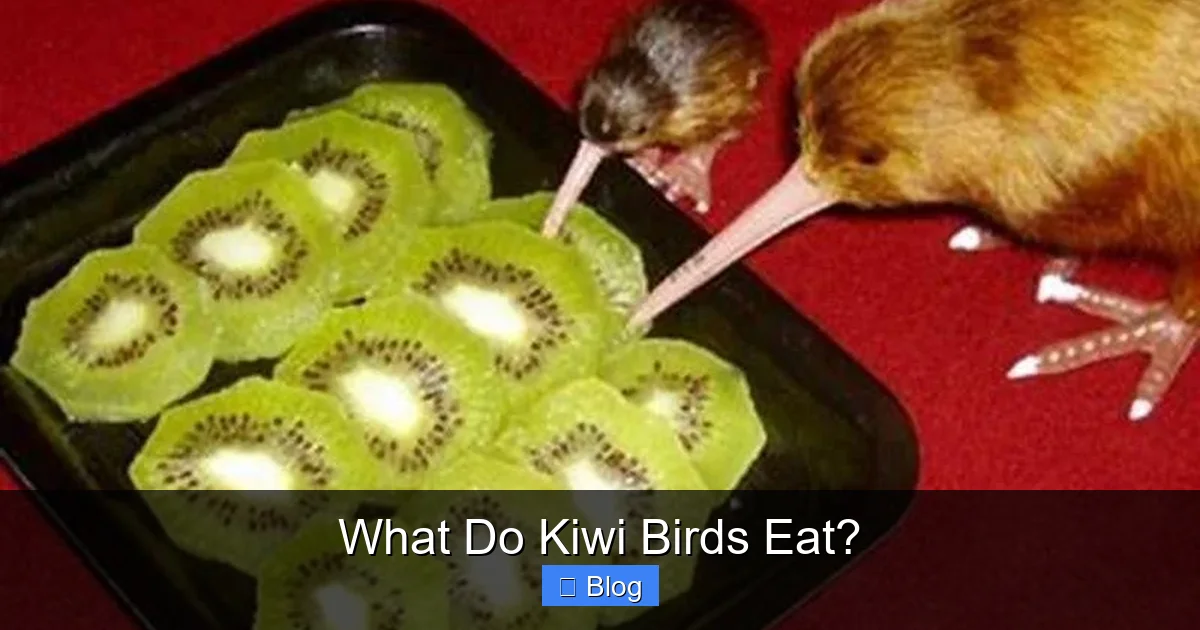
Visual guide about What Do Kiwi Birds Eat?
Image source: diyseattle.com
While invertebrates form the bulk of the kiwi’s diet, these birds are not exclusively insectivorous. They cleverly supplement their diet with plant matter, adding crucial vitamins, minerals, and carbohydrates that might be less abundant in their primary prey. This flexibility in what kiwi birds eat is key to their survival through different seasons and varying prey availability.
Native Fruits: A Sweet Addition
New Zealand’s forests offer a seasonal bounty of native fruits, and kiwis are known to enjoy many of them. These fruits are typically small, soft-fleshed, and often fall to the forest floor, making them easily accessible.
- Coprosma berries: These small, often brightly colored berries are a common food source.
- Hīnau berries: Rich and nutritious, hīnau berries are also consumed when available.
- Tawa and Karaka fruits: While requiring more effort to process, the fleshy fruits of these native trees can provide a significant energy boost.
The consumption of fruits also plays an important ecological role, as kiwis can help disperse the seeds of these native plants, aiding in forest regeneration. This makes them not just eaters, but also gardeners of the forest.
Fungi: An Unexpected Delight
Perhaps one of the more surprising items on the menu for what kiwi birds eat is fungi. Mushrooms and other fungal growths are common on the forest floor, especially in damp conditions. Kiwis will occasionally forage for and consume these, adding another layer of nutritional complexity to their diet. While not a primary food source, fungi can offer unique compounds and minerals not found in other foods, contributing to the kiwi’s overall health.
Seeds and Leaves: Opportunistic Foraging
On occasion, kiwis may also consume seeds and even some soft leaves or fern fronds. This usually occurs when their preferred invertebrate prey is scarce, or simply as an opportunistic snack during their nocturnal wanderings. While less significant in terms of overall dietary volume, these plant materials highlight the kiwi’s ability to make use of whatever resources are available in their environment, ensuring they remain well-fed even during lean times.
How Kiwis Find Their Food: A Masterclass in Olfaction
Understanding what kiwi birds eat isn’t complete without appreciating *how* they find their food. Unlike most birds that rely heavily on their eyesight, the kiwi has evolved an extraordinary sense of smell, making it one of the few birds in the world with nostrils at the very tip of its long beak. This unique adaptation is central to its foraging success.
The Unique Nostrils at the End of the Beak
Imagine having your nose at the end of a long probe – that’s essentially how a kiwi experiences its world. The kiwi’s elongated, slender beak can range from 9 to 15 centimeters (3.5 to 6 inches) in length, and critically, its nostrils are located right at the tip. This allows the kiwi to literally “sniff out” its prey buried beneath the soil surface. As the kiwi walks, it taps and probes its beak into the ground, taking in scent information with each jab. This method is incredibly efficient for locating hidden earthworms, beetle larvae, and other subterranean invertebrates.
Sensory Papillae and Vibrissae: Feeling for Food
But it’s not just about smell. The kiwi’s beak is also equipped with highly sensitive touch receptors. Along the length of its beak, and particularly towards the tip, are specialized sensory pits and tiny bristles, sometimes referred to as vibrissae (though not true whiskers like mammals). These enable the kiwi to detect the subtle movements and vibrations of prey once its beak has penetrated the soil. So, while the powerful sense of smell guides them to the general area, the tactile sensitivity helps pinpoint the exact location for capture. This combination of smell and touch makes the kiwi an unparalleled subterranean hunter.
Nocturnal Foraging Strategies
Being primarily nocturnal, kiwis conduct their foraging under the cover of darkness. This helps them avoid daytime predators and also allows them to capitalize on the activity of many invertebrates, which often come closer to the surface at night. They move slowly and deliberately through the forest, pausing frequently to listen and probe the ground. Their excellent hearing also plays a role, helping them detect the faint sounds of insects or worms moving beneath leaves or in shallow soil. This sophisticated, multi-sensory approach ensures that even in pitch blackness, a kiwi can consistently find what kiwi birds eat.
Dietary Adaptations Across Kiwi Species and Habitats
New Zealand is home to five recognized species of kiwi: the Great Spotted Kiwi (Roroa), Little Spotted Kiwi (Kiwi Pukupuku), North Island Brown Kiwi, Okarito Kiwi (Rowi), and Southern Brown Kiwi (Tokoeka). While their general dietary preferences are similar, there are subtle differences in what kiwi birds eat based on their specific species, geographic location, and the unique characteristics of their habitat.
Different Beak Lengths, Different Diets
One of the most noticeable physical differences among kiwi species is their beak length. For instance, the Great Spotted Kiwi generally has a longer beak than the Little Spotted Kiwi. These variations can influence the depth at which a kiwi can probe the soil, potentially leading to slight differences in the types of invertebrates they can access. A longer beak might allow for deeper foraging, while a shorter, sturdier beak might be better suited for prying insects out of decaying wood. These subtle adaptations mean that while the overall category of what kiwi birds eat remains consistent, the specific mix of prey might shift.
Habitat Influences: Forest vs. Open Land
The environment where a kiwi lives significantly impacts the availability of its food.
- Dense Forests: Most kiwi species inhabit dense native forests, where the deep leaf litter and rich soil create ideal conditions for earthworms, grubs, and other invertebrates. These forests also provide the native fruits and fungi that supplement their diet.
- Coastal Areas/Grasslands: Some populations, particularly of the Southern Brown Kiwi (Tokoeka), live in more varied habitats, including coastal areas, sub-alpine scrub, and even some grasslands. In these areas, the invertebrate community might differ, with more emphasis on ground-dwelling beetles or surface-active insects, and different native plants providing fruits. What kiwi birds eat in these regions will naturally reflect the local flora and fauna.
These environmental factors drive subtle but important variations in the specific items found in a kiwi’s stomach analysis, showcasing their ability to adapt their foraging to local conditions.
Seasonal Variations in Food Availability
The availability of food, especially fruits and certain insects, can fluctuate with the seasons. During warmer, wetter months, earthworms and many insects are more abundant and active. In contrast, colder or drier periods might see a reduction in invertebrate activity. Kiwis adapt to these changes by broadening their diet when necessary. For example, they might consume more fungi or specific native fruits when they are in season, providing a valuable energy source when other foods are scarce. This seasonal flexibility is crucial for maintaining a healthy and consistent diet throughout the year.
The Importance of Diet for Kiwi Conservation
Understanding what kiwi birds eat is not just a matter of scientific curiosity; it’s fundamental to their conservation. The health of a kiwi population is directly tied to the abundance and diversity of its food sources. When their pantry is full, kiwis are healthier, more robust, and more successful at breeding, which is vital for the survival of this endangered species.
Healthy Diet, Healthy Kiwi
A consistent and varied diet of invertebrates, supplemented by fruits and fungi, ensures kiwis receive all the necessary nutrients for growth, energy, and reproduction. Well-fed kiwis are more resilient to disease, can better fend off predators, and have the energy reserves needed to lay eggs and raise chicks. Chicks, in particular, need a steady supply of nutritious food to grow rapidly and survive their vulnerable early months. A lack of food can lead to weaker birds, reduced breeding success, and ultimately, a decline in population numbers.
Threats to Food Sources: Pests and Habitat Loss
Unfortunately, the kiwi’s food supply faces several significant threats, primarily from human activities and introduced species.
- Introduced Predators: While often highlighted for preying directly on kiwis, introduced predators like stoats, ferrets, cats, and possums also compete with kiwis for food. Rats, in particular, consume large quantities of insects, grubs, and native fruits that kiwis rely on, directly reducing the available food supply.
- Habitat Loss and Degradation: The destruction or fragmentation of native forests for agriculture, logging, or development directly eliminates the kiwi’s foraging grounds and the invertebrate communities within them. Even subtle changes, like altered soil composition due to livestock or invasive plants, can diminish earthworm populations and other crucial prey.
- Climate Change: Changes in temperature and rainfall patterns can impact the life cycles and abundance of invertebrates, as well as the fruiting cycles of native plants, potentially disrupting the kiwi’s natural food calendar.
These threats directly impact what kiwi birds eat, making their struggle for survival even more challenging.
Conservation Efforts: Protecting Their Pantry
Conservation efforts for kiwis extend beyond predator control; they also focus heavily on habitat restoration and protection. By fencing off native forests, eradicating invasive predators and competitors, and replanting native trees, conservationists are working to restore the rich, diverse ecosystems that kiwis depend on for food. Projects like these ensure that future generations of kiwis will continue to have access to the plentiful invertebrates, fruits, and fungi that make up their unique diet, allowing these iconic birds to thrive in their homeland.
Conclusion
The question of what do kiwi birds eat reveals a fascinating story of adaptation, survival, and ecological interconnectedness. These remarkable nocturnal birds are primarily insectivores, relying heavily on a rich diet of earthworms, insect larvae, and a variety of other invertebrates found in the damp New Zealand forest floor. Their unique sensory beak, with nostrils at the tip, is a testament to their extraordinary ability to sniff out prey in the darkest nights.
Beyond their invertebrate staples, kiwis display an impressive dietary flexibility, supplementing their meals with native fruits, fungi, and occasionally other plant matter. This varied diet not only provides essential nutrients but also highlights their crucial role in the forest ecosystem, even aiding in seed dispersal. Understanding the nuances of what kiwi birds eat underscores the importance of habitat preservation and predator control, ensuring that these cherished national icons continue to find the food they need to thrive. As we continue to protect their homes, we’re not just saving a bird; we’re safeguarding a unique and vital part of New Zealand’s natural heritage.
🎥 Related Video: Cutting a kiwi in half! 😱 #shorts #animation #toonsquid #meme #experiment #funny #fake
📺 Free at sea
Frequently Asked Questions
What specific insects do kiwi birds eat?
Kiwi birds consume a wide array of insects, including beetles (both adults and larvae like huhu grubs), crickets, wētā, cicadas, and various caterpillars. They are not particular about species as long as the insect is a suitable size and accessible to them in the soil or leaf litter.
How important are earthworms to a kiwi’s diet?
Earthworms are extremely important to a kiwi’s diet, often making up a significant portion of their food intake. They are highly nutritious and relatively easy for kiwis to locate and extract from the soil using their specialized beaks, providing consistent energy.
Do kiwi birds ever eat small vertebrates?
While primarily insectivorous and herbivorous, there have been rare instances of kiwi birds consuming small frogs or lizards if encountered. However, this is not a regular part of their diet and is considered opportunistic rather than typical behavior for what kiwi birds eat.
Is fruit an important part of what kiwi birds eat?
Yes, native fruits are an important supplementary food source for kiwi birds, particularly when invertebrates are less abundant or during certain seasons. Fruits provide essential vitamins, minerals, and sugars that round out their diet and aid in overall health.
How does habitat loss affect what kiwi birds eat?
Habitat loss directly reduces the availability of food sources for kiwi birds. When native forests are cleared or degraded, it depletes the populations of invertebrates, fruits, and fungi that kiwis rely on, severely impacting their ability to find enough food to survive and reproduce.
Do kiwi birds eat anything that might be harmful?
Kiwi birds generally stick to natural food sources in their habitat. However, invasive species like introduced rats or possums can compete with kiwis for food, indirectly harming them by depleting their natural pantry. Kiwis typically avoid anything truly toxic in their environment through their innate foraging instincts.