
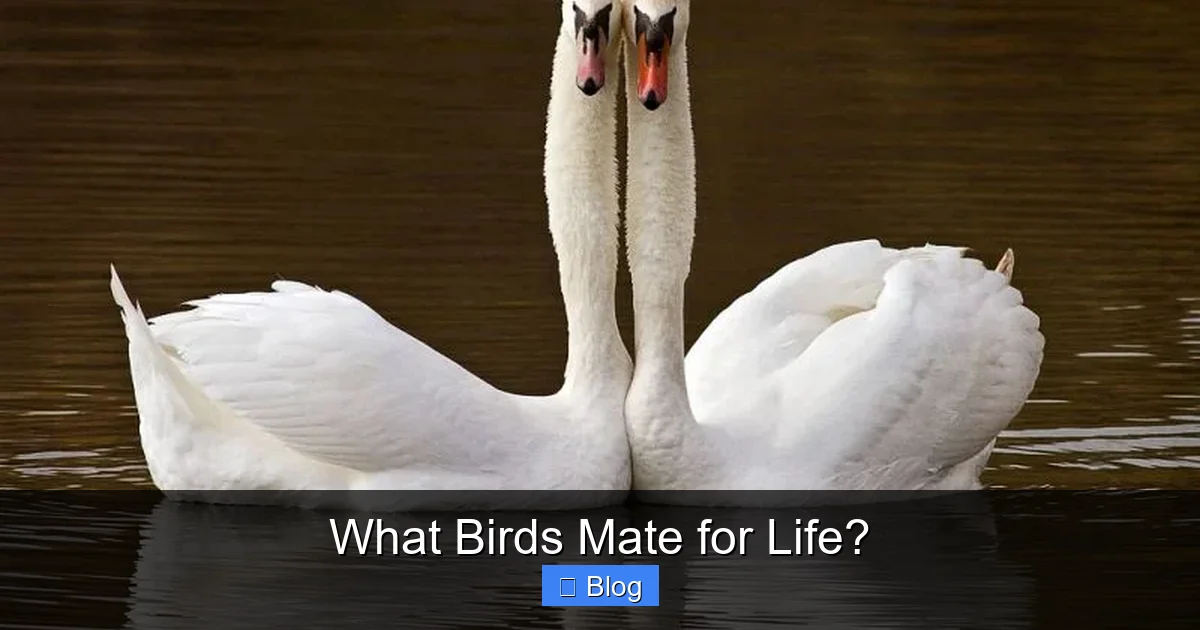
Many bird species capture our hearts with their devotion, leading us to wonder: What birds mate for life? While “for life” often means social monogamy rather than genetic exclusivity, iconic examples like swans, albatrosses, and various raptors demonstrate incredible pair bonds. These enduring partnerships are crucial for shared parenting, territory defense, and enhanced survival, showcasing nature’s profound commitment and the complex strategies birds use to thrive.
What Birds Mate for Life?
Have you ever watched a pair of swans gracefully glide across a lake, always together, and wondered if they’re truly a couple for life? There’s something incredibly romantic and deeply reassuring about the idea of a lifelong partnership in the animal kingdom. In our human experience, we often look for lasting connections, and seeing similar devotion in nature can be truly inspiring. But when it comes to birds, what does “mating for life” really mean, and which species actually commit to such a journey?
The concept of birds mating for life is a fascinating one, revealing much about their survival strategies, parental care, and social structures. While many birds are socially monogamous, meaning a male and female pair up to raise young, the duration and exclusivity of these bonds can vary wildly. Some partnerships last just a single breeding season, while others, indeed, can span many years, even decades, until one partner perishes. It’s a complex world of avian relationships, much richer than a simple yes or no answer.
Today, we’re going to dive deep into the world of avian fidelity. We’ll explore the beautiful examples of birds that truly mate for life, understand the science behind their enduring commitments, and even uncover some of the surprising nuances that challenge our romantic notions. So, let’s feather our nest and embark on this journey to discover the ultimate avian romantics!
Key Takeaways
- Understanding Avian Monogamy: When we talk about what birds mate for life, it generally refers to “social monogamy.” This means a pair shares a territory and raises offspring together, even if they sometimes have extra-pair copulations.
- Lifelong Bonds for Survival: Birds often mate for life because it offers significant advantages, such as shared parental duties, defense of prime territories, and increased reproductive success over many breeding seasons.
- Iconic Examples Abound: Many well-known species form strong, enduring bonds. Swans, albatrosses, eagles, cranes, and some parrot species are prime examples of birds that truly mate for life.
- The Science Behind the Bond: Hormones and specific brain chemistry play a vital role in reinforcing pair bonds in birds, similar to attachment mechanisms seen in mammals.
- “Divorce” and Extra-Pair Paternity: Not all lifelong bonds are absolute. Birds can “divorce” due to repeated breeding failures, and genetic testing often reveals that not all chicks in a nest are fathered by the social mate (extra-pair paternity).
- Appreciating Nature’s Devotion: Observing these committed pairs in the wild offers a fascinating glimpse into avian social structures and the incredible strategies birds employ for successful propagation.
Quick Answers to Common Questions
Do all swans mate for life?
Most swan species, including Mute Swans, Black Swans, and Trumpeter Swans, are known to form strong, lifelong pair bonds that can last for many years, often until one partner dies. However, like all birds, they may “divorce” in rare cases of repeated breeding failure.
Why do birds mate for life?
Birds mate for life primarily to maximize reproductive success. It allows for shared parental care, more effective defense of a territory, accumulated breeding experience, and can be an energy-efficient strategy for long-lived species by avoiding the annual search for a new mate.
What is “divorce” in birds?
Avian “divorce” refers to the breakup of a pair bond between breeding seasons, even in species known for lifelong monogamy. It typically occurs after repeated breeding failures or if one mate proves to be of poor quality, prompting the birds to seek a new partner for the next season.
Are penguins birds that mate for life?
Many penguin species, such as Gentoo, Adélie, and Macaroni penguins, form socially monogamous pair bonds for a breeding season and often reunite with the same mate in subsequent years. While not strictly “for life” in all cases, many pairs demonstrate remarkable fidelity over multiple breeding seasons, returning to the same nesting sites and partners.
How long do albatrosses stay together?
Albatrosses are among the most committed birds, with pair bonds that can last for decades, often for their entire lives. They may spend years apart at sea but reliably return to the same breeding colonies and reunite with their mates for a new breeding cycle, demonstrating extraordinary fidelity.
📑 Table of Contents
Understanding Monogamy in the Avian World
Before we start listing species, it’s important to clarify what “mating for life” actually means for birds. It’s not always as simple as it sounds.
Social vs. Genetic Monogamy
The term we most often use is social monogamy. This means a male and female pair up to raise offspring together, share a territory, and cooperate in incubation and chick-rearing. This partnership is visible and observable. However, social monogamy doesn’t always equal genetic monogamy. Genetic monogamy means that all the offspring produced by that pair are genetically related to both parents. In reality, DNA testing has shown that many socially monogamous pairs will engage in “extra-pair copulations” (EPCs) with other birds. This means a female might lay eggs fertilized by a male other than her social mate, or a male might fertilize eggs in another nest. So, while they share the chores, they might be diversifying their genes.
Why Do Birds Choose Lifelong Bonds?
There are several compelling reasons why birds mate for life, or at least for extended periods:
- Shared Parental Care: Many bird species have demanding offspring that require a lot of time and effort from both parents. Having two parents ensures more food, better protection, and higher survival rates for the chicks. Think about raptors, for instance; one parent hunts while the other guards the nest.
- Resource Defense: A pair can more effectively defend a valuable territory from rivals than a single bird can. This secures nesting sites and food sources year after year.
- Experience and Efficiency: An established pair knows their territory well, understands each other’s behaviors, and often has a proven track record of successful breeding. This experience can lead to greater reproductive success in subsequent years.
- Predator Avoidance: Two sets of eyes are better than one for spotting danger.
- Long Lifespans: Species with long lifespans often find it more efficient to maintain a stable pair bond rather than investing time and energy in finding a new mate each season.
These advantages often outweigh the potential costs, such as being tied to a mate who might be infertile or less skilled at raising young.
Iconic Examples of Birds That Mate for Life
Visual guide about What Birds Mate for Life?
Image source: safarisafricana.com
Now, let’s get to the stars of our show – the birds that truly epitomize lifelong devotion in the avian world. These are the species that consistently form enduring pair bonds.
Swans: The Emblem of Love
Perhaps the most famous example of birds that mate for life are swans. These large, elegant waterfowl are practically synonymous with romance and fidelity. Mute swans, in particular, are known for their strong pair bonds that can last for many years, often for their entire lives. They perform beautiful courtship rituals and are devoted parents, with both the male (cob) and female (pen) sharing duties in raising their cygnets. If one partner dies, the other may go through a period of mourning before eventually seeking a new mate, but their initial commitment is profound.
Albatrosses: The Ultimate Long-Distance Lovers
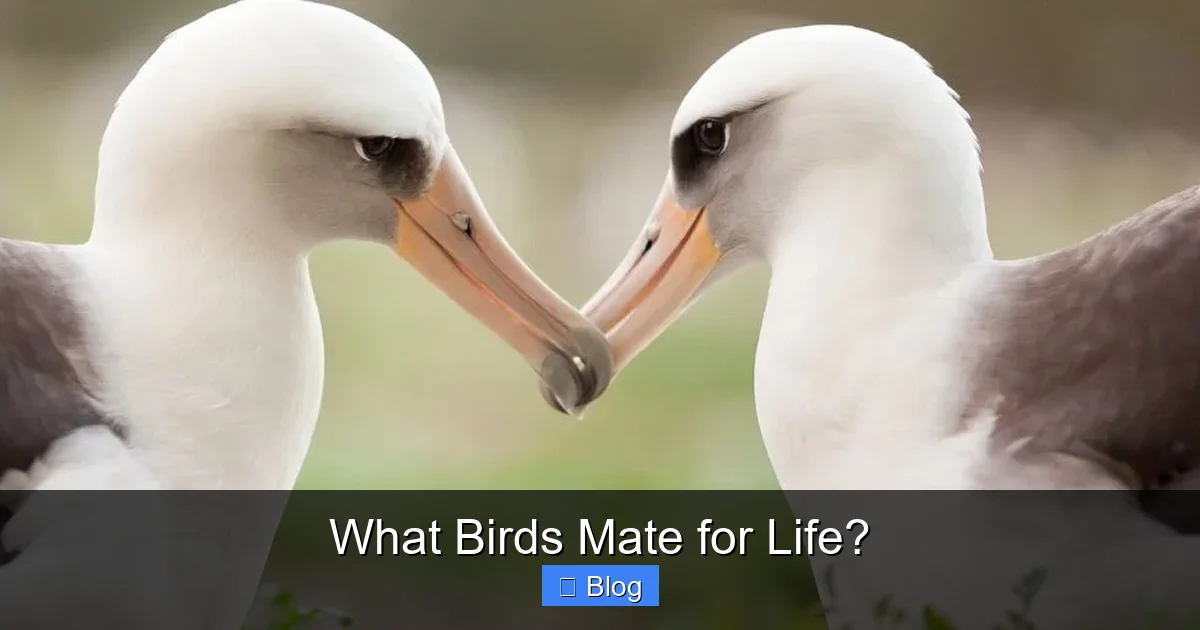
Albatrosses are perhaps the most astonishing example of lifelong avian commitment. These magnificent seabirds spend most of their lives soaring over vast oceans, only returning to land to breed. They often live for several decades, and once they choose a mate, they stay together for life. Their courtship rituals can be elaborate, involving complex “dances” and calls that strengthen their bond. They may spend years apart at sea but will return to the same colony and often the same nest site to reunite with their partner. The Laysan Albatross, for example, is famous for its long-term fidelity, with pairs successfully raising chicks for over 40 years together!
Cranes: Graceful and Loyal Dancers
Cranes, with their stately presence and elaborate courtship dances, also form strong, long-lasting pair bonds. Species like the Sandhill Crane and Whooping Crane return to the same breeding grounds year after year with their mates. Their unison calls and synchronized displays are a testament to their deep connection. Both parents share incubation and chick-rearing duties, fiercely defending their young.
Eagles and Hawks: Raptors with Steadfast Bonds
Many birds of prey, including eagles, hawks, and even some owls, are known for their lifelong monogamous relationships. Bald Eagles, for instance, build massive nests (eyries) that they return to year after year with the same mate. These powerful birds require a lot of energy to raise their large chicks, making a two-parent effort crucial. Their commitment ensures the successful defense of prime hunting and nesting territories. Ospreys are another excellent example, often returning to the same nest platform with their mate after long migrations.
Parrots and Macaws: Intelligent and Affectionate Partners
Among the more colorful and intelligent birds, many parrot species, including various macaws, cockatoos, and lovebirds, exhibit strong, enduring pair bonds. These birds are highly social and often live for a very long time, sometimes mirroring human lifespans in captivity. Their lifelong partnerships involve mutual preening, shared food, and constant vocal communication, all strengthening their bond. Their intelligence likely plays a role in their ability to maintain complex, long-term relationships.
Puffins: Faithful Seabird Friends
Atlantic Puffins, with their colorful bills and comical waddle, also mate for life. They return to the same burrows on remote islands each breeding season, often with the same mate. Their loyalty extends not just to their partner but often to their specific nesting site, a testament to the advantages of returning to a familiar, safe place to raise their young.
The Science Behind Lifelong Bonds
What makes some birds commit for life while others are more fickle? Beyond the ecological and survival advantages, there’s a fascinating biological basis for these enduring connections.
Hormones and Neurotransmitters: The Avian Love Potion
Just like in humans and other mammals, hormones and brain chemistry play a critical role in pair bonding in birds. Studies have shown that certain neuropeptides, similar to oxytocin and vasopressin in mammals, are involved in forming and maintaining these strong attachments. These chemicals are released during courtship and mating, reinforcing the bond between partners and fostering behaviors like mutual preening, shared vigilance, and coordinated parenting. For example, dopamine, a neurotransmitter associated with reward and pleasure, can also be involved in strengthening pair bonds. When birds perform actions that strengthen their bond, their brains might release dopamine, creating a positive feedback loop.
Learning and Memory
Birds, especially intelligent ones, learn and remember their mates. They recognize each other through unique calls, visual cues, and specific behaviors. This recognition is crucial, especially for species that migrate long distances and must reunite after months apart. The shared history and successful past breeding attempts reinforce the perceived value of the existing partner over seeking a new one.
Benefits of an Established Partnership
From a biological perspective, an established pair bond is often more reproductively successful. They know their territory, they know each other’s strengths and weaknesses as parents, and they can coordinate their efforts more efficiently. This often leads to larger clutch sizes, higher rates of egg hatching, and more fledglings surviving to adulthood. For long-lived species, investing in a stable, lifelong partner is a highly effective evolutionary strategy to maximize their genetic legacy.
Are All “Lifelong” Bonds Truly Forever?
While the idea of birds mating for life is beautiful, nature is rarely absolute. There are nuances and exceptions even among the most committed species.
Avian “Divorce”: When Bonds Break
Yes, birds can “divorce.” Even species known for lifelong monogamy may break their bonds. The most common reasons for avian divorce include:
- Repeated Breeding Failure: If a pair consistently fails to produce offspring or raise them successfully, one or both partners may decide to seek a new mate in the following season. It’s an evolutionary strategy to improve reproductive success.
- Mate Quality: Sometimes, a partner may prove to be a poor hunter, an inattentive parent, or simply less healthy. The other bird might then choose a new, potentially better, mate.
- Death of a Partner: This is a straightforward reason for a bond to end. The surviving bird will typically find a new mate, though some species may go through a period of grieving or take a season off from breeding.
- Environmental Changes: Loss of territory, habitat destruction, or changes in food availability can also put stress on a pair bond and lead to separation.
The term “divorce rate” is even used in ornithology to describe how frequently pairs split. While lower in species known for lifelong bonds, it still occurs.
Extra-Pair Copulations (EPCs) and Genetic Diversity
As mentioned earlier, social monogamy does not always mean genetic monogamy. Many socially bonded pairs engage in EPCs. For males, this can mean more offspring. For females, it can mean diversifying the genetic makeup of her clutch, potentially leading to stronger, more disease-resistant offspring. She gets the benefit of her social mate’s parental care for the bulk of the chicks while also gaining a genetic boost from another male. It’s a clever evolutionary workaround that allows birds to balance the benefits of cooperative parenting with the advantages of genetic variation.
Observing and Appreciating These Bonds
For birdwatchers and nature enthusiasts, observing pair-bonded birds offers a truly rewarding experience. It provides a unique window into the social lives of these amazing creatures.
Tips for Spotting Lifelong Pairs
- Synchronized Behaviors: Look for birds that are consistently together, engaging in synchronized activities like foraging, preening each other (allopreening), or flying in close formation.
- Shared Duties: Observe who is incubating eggs or feeding chicks. If both parents are actively involved, it’s a strong indicator of a pair bond.
- Vocalizations: Many pair-bonded birds have duets or specific calls they share only with their mate. Listen for these unique vocalizations.
- Territorial Defense: A pair will often jointly defend their nesting or foraging territory against intruders.
- Returning to the Same Spot: If you observe a particular pair of raptors or waterfowl returning to the same nest or territory year after year, it’s highly likely they are a lifelong pair.
The Importance of Conservation
Species that mate for life often invest heavily in each breeding attempt, producing fewer offspring but giving them a higher chance of survival. This makes them particularly vulnerable to environmental threats. Loss of habitat, pollution, and climate change can severely impact their ability to find mates, raise young, and maintain their stable populations. Protecting these species means preserving their specific habitats and ensuring they have the undisturbed environments they need to continue their enduring partnerships. By supporting conservation efforts, we help ensure that future generations can also witness the beauty of birds that mate for life.
Conclusion
The question of “what birds mate for life?” opens up a world of remarkable avian behavior. From the elegant swans symbolizing romantic love to the incredible, long-distance fidelity of albatrosses, the avian kingdom offers numerous examples of enduring commitment. These lifelong partnerships are not just charming; they are deeply strategic, providing crucial advantages for survival, parental care, and successful reproduction.
While the concept of “mating for life” in birds carries nuances like social versus genetic monogamy and the occasional “divorce,” the underlying devotion and cooperation between many bird pairs are undeniable. They remind us that complex social bonds are not unique to humans but are a widespread and powerful force in the natural world. So, the next time you see a pair of birds together, take a moment to appreciate the depth of their connection – it might just be a bond that will last a lifetime.
Frequently Asked Questions
Is it rare for birds to mate for life?
No, it’s not rare. While many bird species are only monogamous for a single breeding season, a significant number, particularly long-lived species, form strong, enduring pair bonds that can last for many years or even their entire lifespan. This strategy is common when raising young requires the dedication of both parents.
Do birds show affection to their mates?
Yes, many birds that mate for life exhibit behaviors that can be interpreted as affection. These include mutual preening (allopreening), intertwining necks (like swans), synchronized displays, sharing food, and sitting closely together. These actions strengthen their pair bond and contribute to their cooperative success.
Can birds grieve for a lost mate?
While birds don’t express grief in the same way humans do, observations suggest that some species, particularly those with strong, lifelong pair bonds, can exhibit behavioral changes after losing a mate. They might become lethargic, call out frequently for their missing partner, or struggle to re-establish themselves, sometimes taking a season or more to find a new mate.
What happens if a bird’s mate dies?
If a bird’s mate dies, the surviving bird will often attempt to find a new partner, especially if it’s still within its reproductive years. However, the timing varies by species; some may re-pair within the same breeding season, while others might wait until the next, or even choose to remain solitary for a period.
Do birds recognize their mates?
Absolutely! Birds recognize their mates through a combination of visual cues (plumage, size, specific markings), vocalizations (unique calls or duets), and learned behaviors. This recognition is crucial for reuniting after periods of separation, especially for migratory species that travel vast distances.
Are there any small birds that mate for life?
Yes, while large birds like swans and eagles are often highlighted, several smaller bird species also mate for life. Examples include certain species of parrots (like lovebirds and some parakeets), some finches, and often colonial nesting birds like Common Terns, where consistent partnership aids in raising young.