
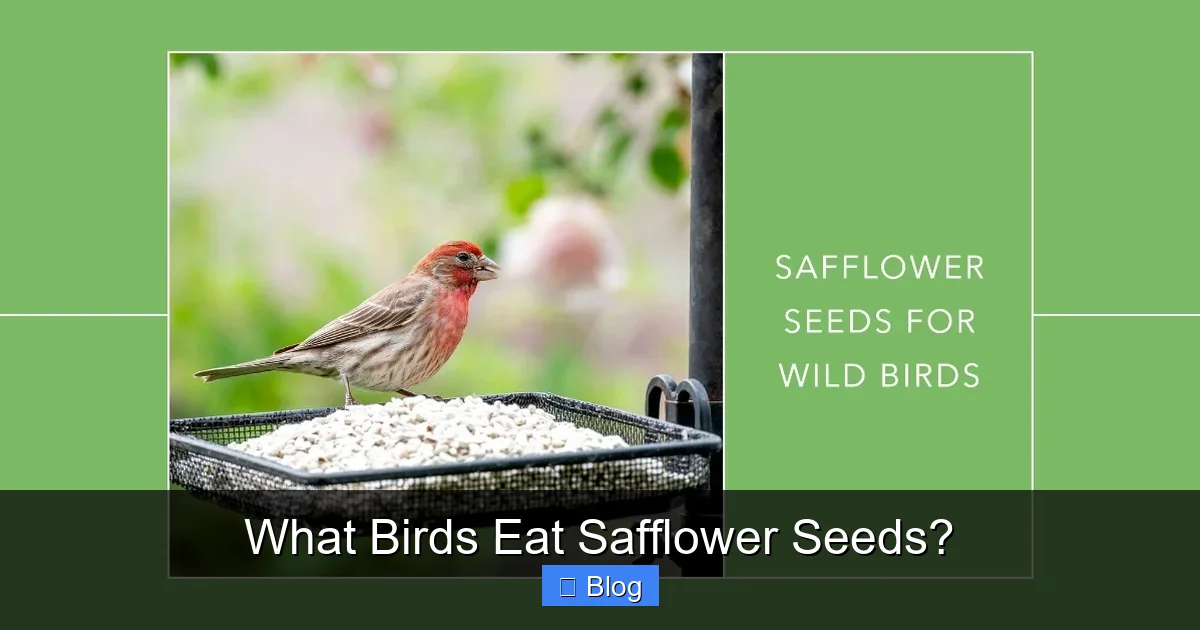
Safflower seeds are a game-changer for backyard bird feeding, offering a win-win solution: they attract beloved species while deterring common pests. Cardinals, grosbeaks, and finches readily consume these nutritious seeds, appreciating their high fat and protein content. Meanwhile, squirrels, grackles, and blackbirds typically avoid safflower due to its bitter taste, leading to less waste and a more peaceful feeding station for your desired feathered friends.
What Birds Eat Safflower Seeds?
Welcome to the wonderful world of backyard bird feeding! It’s a joy to watch our feathered friends. But sometimes, the experience can be, well, a little frustrating. Ever filled your feeder only to have a greedy squirrel raid it in minutes? Or watched as a flock of aggressive starlings chased away your beloved cardinals? If you’ve nodded along, you’re not alone. Many bird enthusiasts face these common challenges, often wishing for a magical solution to attract the “right” birds while discouraging the “unwanted” guests.
Well, guess what? There’s a special seed that comes pretty close to magic: safflower seeds! This often-overlooked seed is a true game-changer for many backyard birders. It has a unique superpower: it’s loved by some of the most beautiful and desired bird species, yet it’s largely ignored by those pesky squirrels, grackles, and blackbirds that tend to dominate feeders. It sounds almost too good to be true, right?
So, what birds eat safflower seeds? That’s the million-dollar question we’re diving into today! We’ll explore why safflower is such an exceptional choice, which specific birds will flock to your feeders for it, and how you can successfully introduce it to create a peaceful, vibrant bird haven in your own backyard. Get ready to transform your bird feeding experience and welcome more of your favorite feathered visitors!
Key Takeaways
- Safflower’s Appeal: Safflower seeds are a highly nutritious option specifically chosen by bird enthusiasts to attract certain desirable bird species while deterring common feeder pests like squirrels, grackles, and European starlings.
- Primary Safflower Eaters: The most enthusiastic consumers of safflower seeds are Northern Cardinals, Rose-breasted Grosbeaks, Evening Grosbeaks, Purple Finches, House Finches, Tufted Titmice, and Black-capped Chickadees.
- Pest Deterrent: The natural bitterness of safflower seeds makes them unappealing to squirrels, raccoons, and many aggressive bird species, such as grackles, European starlings, and blackbirds, reducing competition and waste at feeders.
- Nutritional Value: Safflower seeds are rich in fat, protein, and fiber, providing excellent energy for birds, especially important during colder months or breeding season.
- Feeder Setup: To successfully attract safflower-eating birds, use sturdy feeders (hopper or tray) placed in open areas, kept clean, and be patient as birds adjust to the new food source.
- Cleaner Feeding Stations: Because fewer pests are attracted, using safflower seeds often results in a cleaner feeding area with less mess and discarded seed on the ground.
- Patience is Key: It might take some time for local birds to discover and adapt to safflower seeds if they’re not used to them, so persistence in offering them is important.
Quick Answers to Common Questions
What is safflower seed?
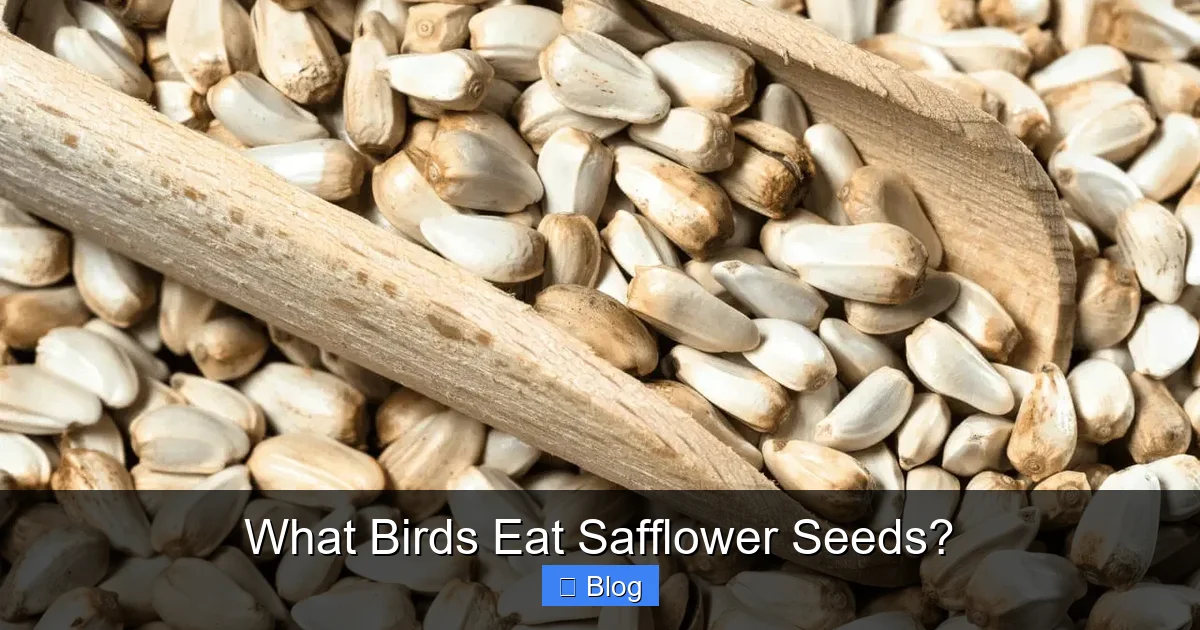
Safflower seed is a white, oil-rich seed from the safflower plant, resembling a small sunflower seed. It’s known for its high nutritional value for birds and a slightly bitter taste that deters many common feeder pests.
Which bird species are most attracted to safflower seeds?
Northern Cardinals are famously fond of safflower seeds. Other enthusiastic eaters include Rose-breasted and Evening Grosbeaks, Purple and House Finches, Tufted Titmice, Black-capped Chickadees, and Mourning Doves.
Do squirrels eat safflower seeds?
No, squirrels generally do not eat safflower seeds. While they might occasionally sample a seed, the naturally bitter taste of safflower is unappealing to them, making it an excellent deterrent for squirrel control at your feeders.
Can I mix safflower seeds with other bird seeds?
Yes, you can mix safflower seeds with other bird seeds, especially if you’re introducing it for the first time. Mixing it with a small amount of a bird’s favorite seed (like black oil sunflower) can encourage them to try the safflower.
How do safflower seeds benefit birds nutritionally?
Safflower seeds are highly nutritious, packed with fat, protein, and fiber. This provides birds with essential energy, helps with muscle and feather growth, and supports overall health, particularly important during cold weather and breeding seasons.
📑 Table of Contents
The Magic of Safflower: Why Bird Lovers Choose It
The decision to switch to or incorporate safflower seeds into your bird feeding routine is often driven by a desire for a more harmonious and targeted feeding experience. But what exactly makes these seeds so special? Let’s peel back the layers and understand the true magic behind safflower seeds.
What is Safflower?
Safflower (Carthamus tinctorius) is an annual plant, part of the thistle family. It’s primarily grown for its vegetable oil and its distinctive red, yellow, or orange flowers. The safflower seeds themselves are small, white, and about the size of a sunflower kernel. They have a relatively hard outer shell. This requires birds to have a strong beak to crack them open. This characteristic alone helps deter some smaller, weaker-billed birds. It further narrows down the specific species that will enjoy the safflower seeds. When you purchase safflower seeds for birds, you’re typically getting the raw, unhulled seeds.
The Bitter Secret: Why Some Pests Avoid It
Here’s the real genius of safflower seeds: their natural taste. While delicious and nutritious for certain bird species, safflower has a slightly bitter flavor. This taste is unappealing to many common feeder pests. This includes squirrels, chipmunks, and aggressive birds like grackles, European starlings, and blackbirds. These animals often sample the safflower seeds, decide they don’t like the taste, and move on to easier, tastier options. This selectivity is precisely why so many bird watchers turn to safflower seeds. It’s a natural, humane way to manage your feeder traffic. You won’t need specialized (and often expensive) pest-proof feeders or deterrents. This bitter secret ensures that the birds who truly appreciate safflower get to enjoy their meal in peace.
Nutritional Benefits for Birds
Beyond its pest-deterring qualities, safflower seeds are packed with excellent nutrition for birds. They are rich in fat, protein, and fiber. This makes them an energy-dense food source.
- High Fat Content: This provides crucial energy. It is especially vital during cold winter months when birds need extra calories to maintain body heat. It’s also beneficial for long migratory journeys.
- Good Protein Levels: This is essential for muscle development, feather growth, and overall health. It is particularly important for young birds and during breeding season.
- Fiber: Fiber aids in digestion and overall gut health.
These nutritional advantages mean that when birds eat safflower seeds, they are getting a truly beneficial boost to their diet. It’s not just a filler; it’s a powerhouse food that supports their well-being.
So, What Birds Actually Eat Safflower Seeds? The Enthusiasts
Now for the exciting part! While some creatures turn up their noses at safflower, a specific group of birds absolutely adores these seeds. These are the species you can expect to see flocking to your feeders once you start offering safflower. Knowing what birds eat safflower seeds will help you target your feeding efforts effectively.
Visual guide about What Birds Eat Safflower Seeds?
Image source: etabx8chtks.exactdn.com
The Cardinals: A Safflower Favorite
Perhaps the most famous fans of safflower seeds are the Northern Cardinals. These vibrant red (males) and muted reddish-brown (females) birds are easily recognizable and a joy to watch. Their strong, conical beaks are perfectly adapted for cracking open the tough shells of safflower seeds. If you dream of having a yard full of cardinals, offering safflower seeds is one of the best ways to achieve it. They often visit feeders at dawn and dusk, bringing a splash of color and cheerful song to your garden. Many birders report a significant increase in cardinal activity after switching to safflower.
Grosbeaks: Strong Bills, Happy Bellies
The name “grosbeak” literally means “large beak,” and these birds certainly live up to it! Both Rose-breasted Grosbeaks and Evening Grosbeaks are enthusiastic consumers of safflower seeds.
- Rose-breasted Grosbeaks: Males are strikingly black and white with a bright red triangular patch on their breast. They are often summer visitors in eastern North America.
- Evening Grosbeaks: These are stocky, finch-like birds with chunky yellow bills. They appear in flocks, particularly in western North America and parts of the east during winter irruptions.
Their powerful beaks make quick work of safflower seeds, and they appreciate the rich nutritional content. If you’re lucky enough to have these stunning birds in your area, safflower seeds are sure to be a hit.
Finches (Purple and House): Small Birds, Big Appetites
While smaller than cardinals and grosbeaks, certain finch species also enjoy safflower seeds.
- Purple Finches: Males are a lovely raspberry-red, and females are streaky brown. They have strong enough bills to tackle safflower seeds, especially if they are accustomed to cracking other seeds.
- House Finches: Males display varying shades of red on their heads and breasts, while females are plain brown. They are adaptable birds. While they might initially prefer sunflower, many will readily switch to safflower, especially if it’s the primary offering.
Observing these beautiful finches adding safflower seeds to their diet is a testament to its broad appeal among seed-eating birds.
Titmice and Chickadees: Tiny but Tenacious
Don’t let their small size fool you! Birds like the Tufted Titmouse and various chickadee species (Black-capped, Carolina) are surprisingly adept at handling safflower seeds. They often take a single seed, fly off to a nearby branch, and skillfully crack it open before returning for more. Their intelligence and agility make them charming visitors to any safflower feeder. While they might take a bit longer to process each seed, they clearly find the reward worth the effort. Knowing what birds eat safflower seeds allows you to specifically cater to these charming, active species.
Doves: Ground Feeders with a Taste for Safflower
Mourning Doves and other dove species are primarily ground feeders. But they will also visit platform feeders. They don’t typically crack safflower seeds like other birds; instead, they swallow them whole or pick up pieces that other birds have dropped. Safflower seeds are a good size for doves to consume directly, and they seem to enjoy the taste. If you offer safflower in a tray feeder or spread some on the ground beneath a hanging feeder, you’re likely to attract these gentle, cooing birds.
Birds That Might Try Safflower (But Prefer Other Things)
It’s important to remember that not all birds are equally enthusiastic about safflower. Some species might occasionally sample it, especially if other preferred food sources are scarce. But it won’t be their first choice. This section helps manage expectations about what birds eat safflower seeds outside of the main fan club.
Woodpeckers and Nuthatches: Sometimes, for a Change
Birds like Downy Woodpeckers, Hairy Woodpeckers, and various nuthatch species are primarily interested in suet, nuts, or sunflower seeds. However, they are opportunistic feeders. If safflower is the only option, or if they see other birds enjoying it, they might give it a try. They have strong enough beaks to handle the shells, but it’s generally not their preferred fare. You might see them at a safflower feeder occasionally, especially if you mix it with other seeds or offer it in conjunction with their favorites.
Sparrows: Not Their First Choice
While House Sparrows are known for being adaptable and often aggressive at feeders, they generally don’t show a strong preference for safflower seeds. They will eat almost anything. But sunflower, millet, and cracked corn are usually more attractive to them. You might see a few sparrows sampling safflower, especially if other food is scarce. But it’s unlikely to become their primary food source. This can be a benefit for birders looking to reduce the number of sparrows monopolizing their feeders.
Setting Up Your Safflower Feeder for Success
Introducing a new seed like safflower might require a little patience and strategy. Here are some practical tips to ensure your safflower feeding station becomes a bustling hub for your desired feathered friends. Understanding how to present these safflower seeds is just as important as knowing what birds eat safflower seeds.
Choosing the Right Feeder
The type of feeder you use plays a crucial role in attracting the right birds and maximizing the effectiveness of your safflower seeds.
- Hopper Feeders: These are excellent for safflower. They protect the seeds from rain and moisture, keeping them fresh. Birds can perch on the ledge and access the seeds easily.
- Tray or Platform Feeders: These are also very popular for safflower seeds. They offer an open design, making the seeds highly visible and accessible to a wider range of birds, including ground feeders like doves. Just ensure they have good drainage to prevent spoilage.
- Tube Feeders: While some larger birds might struggle, tube feeders with wider ports can work for titmice, chickadees, and finches.
Avoid feeders that are too small or difficult for larger-billed birds like cardinals and grosbeaks to access comfortably.
Placement is Key
Where you hang your safflower feeder matters!
- Near Cover: Place your safflower feeder within a few feet of dense shrubs, trees, or bushes. This provides birds with a safe place to retreat if a predator appears and offers a spot to crack seeds.
- Open Space Around Feeder: While cover is important, ensure there’s enough open space directly around the feeder so birds can easily approach and have a clear line of sight, which makes them feel safer.
- Away from Squirrel Paths: Try to position feeders away from fences, low branches, or anything squirrels can use as a launching pad. While safflower deters them, making it harder to reach is an added layer of protection.
Keep It Clean!
Regardless of the type of seed, hygiene is paramount in bird feeding.
- Regular Cleaning: Clean your safflower feeders regularly, at least every two weeks, or more often during wet or hot weather. Use a mild bleach solution (one part bleach to nine parts water), rinse thoroughly, and let it dry completely before refilling.
- Prevent Mold and Spoilage: Safflower seeds, like any organic material, can get moldy if wet. Ensure your feeder provides good drainage and protection from rain. Discard any wet or clumped safflower seeds immediately.
A clean feeder prevents the spread of diseases and keeps birds healthy and coming back.
Patience, My Friend, Patience
Birds, especially wild birds, can be creatures of habit. If they’re not used to safflower seeds, it might take some time for them to discover and accept this new food source.
- Start Gradually: You might start by mixing safflower with a small amount of their current favorite seed (like black oil sunflower) to encourage them to try it.
- Be Consistent: Keep the safflower feeder full and regularly cleaned. Consistency signals to the birds that this is a reliable food source.
- It Could Take Weeks: Don’t get discouraged if you don’t see immediate results. Some birders report it taking several weeks or even a month for birds to fully embrace safflower. But once they do, they become regular visitors!
Remember, the reward of seeing cardinals, grosbeaks, and other desired species enjoying their meal peacefully is well worth the initial wait.
The Benefits Beyond Bird Watching: Pest Control and Peace of Mind
Choosing safflower seeds offers advantages that extend beyond simply attracting beautiful birds. It contributes to a more efficient, enjoyable, and sustainable bird feeding ecosystem in your backyard.
Discouraging Unwanted Guests (Squirrels, Grackles, Starlings)
This is, for many, the primary reason to use safflower. The bitter taste is a natural deterrent.
- Squirrels: Instead of constantly battling these clever acrobats, you can significantly reduce their interest in your feeders. They might try a seed or two, but they rarely stick around for a full meal of safflower.
- Grackles, Blackbirds, and European Starlings: These often aggressive and numerous birds can quickly empty a feeder and dominate a feeding station, chasing away smaller or more timid species. Safflower is largely ignored by them, allowing more desirable birds to feed undisturbed.
By deterring these common pests, you create a more welcoming environment for the birds you truly want to attract.
A Cleaner Feeding Station
When squirrels and aggressive birds are less interested, there’s less frantic activity, less scattering of seeds, and fewer wasted resources. Safflower’s harder shell also means less “mess” from birds discarding hulls compared to, say, black oil sunflower. This often translates to:
- Less Waste: Seeds aren’t constantly being knocked out or discarded by unwanted guests.
- Reduced Spoilage: Fewer safflower seeds on the ground mean less chance for mold growth or attracting rodents that feast on fallen seeds.
- Tidier Ground: Your lawn or patio beneath the feeder will stay cleaner.
This makes your bird feeding hobby more enjoyable and less of a chore.
Enjoying the “Right” Birds
Ultimately, using safflower seeds allows you to curate your bird watching experience. By knowing what birds eat safflower seeds and what birds avoid them, you can specifically cater to a desired subset of your local avian population. Imagine your feeders regularly visited by stunning cardinals, elegant grosbeaks, and charming titmice, all feeding peacefully without constant interruption. Safflower makes this vision a reality for many bird lovers. It provides a sense of peace and satisfaction, knowing you’re providing a valuable food source for specific species while naturally managing common feeding challenges.
Conclusion
So, what birds eat safflower seeds? As we’ve discovered, a delightful array of species, including the beloved Northern Cardinals, impressive Grosbeaks, cheerful Finches, and active Titmice and Chickadees, all heartily enjoy this unique seed. Safflower is more than just another option for your bird feeder; it’s a strategic choice. It offers a powerful combination of rich nutrition for desired birds and a natural deterrent against common feeder pests like squirrels, grackles, and starlings.
By understanding the benefits of safflower seeds and implementing a few simple strategies for feeder setup and maintenance, you can transform your backyard into a peaceful sanctuary for specific feathered friends. It might take a little patience for your local birds to discover its charms, but the reward of a vibrant, serene feeding station, free from unwanted guests, is well worth the effort. Embrace the magic of safflower seeds and enjoy a whole new level of bird watching satisfaction in your own garden!
🎥 Related Video: 🌻 Sunflower vs Safflower Seeds — Which Is Healthier for birds #PetBirdCare #SunflowerVsSafflower
📺 Feathery Babies
Are sunflower seeds really good for your bird? Or is safflower the healthier choice? In this video, we compare sunflower vs …
Frequently Asked Questions
Why should I choose safflower seeds over other bird seeds?
You should choose safflower seeds primarily to attract specific desirable birds like cardinals and grosbeaks, while simultaneously deterring common feeder pests such as squirrels, grackles, and blackbirds. Its unique taste profile allows for targeted bird feeding and reduces waste, leading to a more peaceful backyard feeding station.
How long does it take for birds to start eating safflower seeds?
It can take some time for birds to discover and accept safflower seeds, especially if they are not used to it. Patience is key; it might be a few days, weeks, or even a month before they consistently start visiting the safflower feeder, but persistence usually pays off.
Are there any birds that absolutely won’t eat safflower seeds?
While some birds might occasionally try a seed, many aggressive species like European Starlings, Common Grackles, and Red-winged Blackbirds generally avoid safflower due to its bitter taste. Smaller birds with weaker bills might also struggle to open the hard shells.
What type of feeder is best for safflower seeds?
Hopper feeders and platform or tray feeders are generally best for safflower seeds. These feeders protect the seeds from moisture, make them easily visible, and provide comfortable access for birds with stronger bills like cardinals and grosbeaks.
Does safflower attract pigeons or collared doves?
While Mourning Doves are known to eat safflower, larger birds like pigeons and Eurasian Collared Doves may also consume them, especially if offered in platform feeders or on the ground. However, their interest may vary compared to their preference for corn or other grains.
Is safflower more expensive than other bird seeds?
Safflower seeds can sometimes be slightly more expensive per pound than common options like black oil sunflower or millet. However, because less is wasted on squirrels and unwanted birds, and the feeding experience is more targeted, many birders find it a cost-effective choice in the long run.