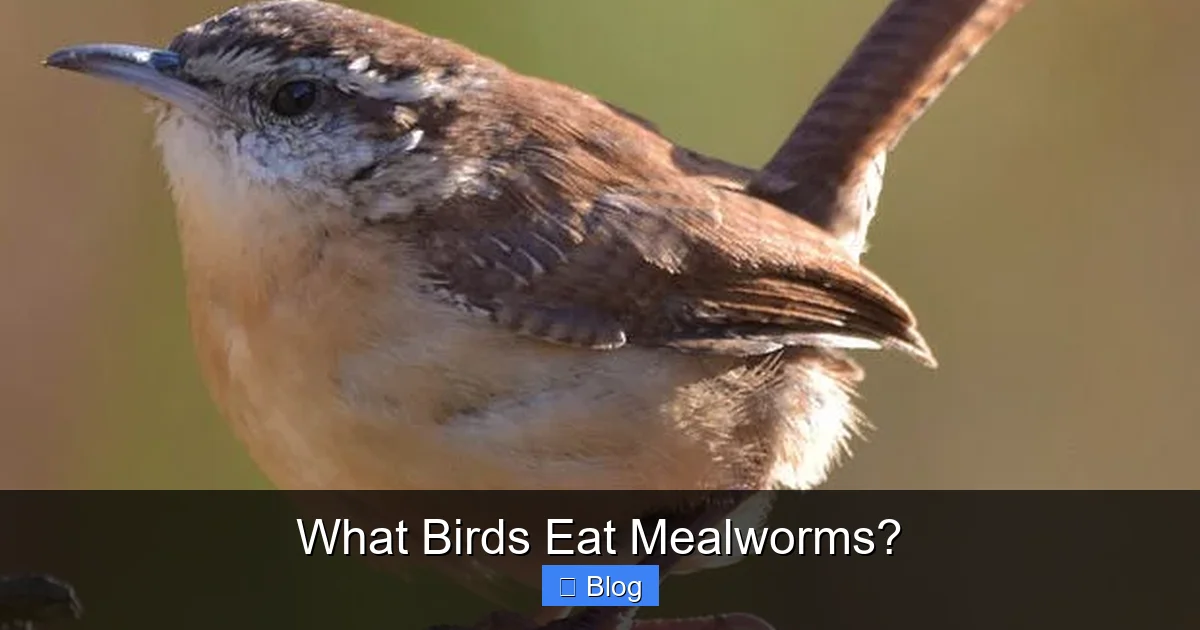
Attracting birds with mealworms is a rewarding experience, providing a high-protein treat that many species adore. From beloved bluebirds and robins to active wrens and chickadees, a variety of birds eagerly consume these nutritious larvae. Offering mealworms correctly, whether live or dried, can transform your backyard into a bustling avian haven, enriching your bird-watching adventures.
There’s a special kind of joy that comes from watching birds flutter and feast in your backyard. It’s a simple pleasure, yet deeply connecting, bringing a touch of wild nature right to your doorstep. If you’re looking to elevate your bird-feeding game and attract some truly delightful feathered friends, you’ve probably heard whispers about a secret weapon: mealworms!
Mealworms are more than just a novelty; they’re a nutritional powerhouse that can entice a surprising variety of birds that might otherwise bypass your traditional seed feeders. But the question many bird enthusiasts ask is, “What birds eat mealworms?” It’s a great question, and understanding which species are drawn to these tasty treats can help you tailor your feeding strategy for maximum success and enjoyment.
In this comprehensive guide, we’ll dive deep into the world of mealworm feeding. We’ll explore why birds crave them, spotlight the top species that can’t get enough, and provide practical tips on how to offer mealworms effectively. Get ready to discover a whole new dimension of backyard birding!
Key Takeaways
- High Protein Source: Mealworms are packed with protein and fat, essential for birds, especially during breeding, migration, and for growing fledglings.
- Diverse Fanbase: While Eastern Bluebirds are famous mealworm lovers, species like American Robins, Carolina Wrens, Chickadees, Titmice, and even some Woodpeckers readily consume them.
- Live vs. Dried: Live mealworms are generally preferred by birds due to their movement, but dried mealworms are convenient and can be rehydrated for better appeal.
- Effective Feeding Methods: Use specialized mealworm feeders, shallow dishes, or tray feeders, placed in open areas with nearby cover, to attract various species.
- Consistency is Key: Regular feeding, especially at consistent times, helps birds learn to visit your feeder and associate your yard with a reliable food source.
- Hygiene Matters: Regularly clean mealworm feeders to prevent mold and bacteria, ensuring a safe and healthy feeding environment for your avian visitors.
Quick Answers to Common Questions
Do all birds eat mealworms?
No, primarily insectivorous and omnivorous birds eat mealworms. Seed-eating birds like finches are less likely to be attracted, though some might try them occasionally.
Are live or dried mealworms better?
Live mealworms are generally preferred by birds due to their movement, which simulates natural prey. Dried mealworms are convenient and can be made more appealing by rehydrating them in warm water.
How often should I offer mealworms?
It’s best to offer mealworms daily, especially during breeding season or cold weather. Start with small quantities (a tablespoon or two) and replenish as needed to prevent waste and spoilage, and to establish a consistent food source.
Can baby birds eat mealworms?
Yes, adult birds often feed mealworms to their nestlings, as they are a rich source of protein essential for rapid growth and development. Ensure the mealworms are gut-loaded for maximum nutrition.
What kind of feeder is best for mealworms?
Shallow, smooth-sided dishes, specialized mealworm feeders with clear domes, or open tray feeders work well. These designs prevent live mealworms from escaping and allow birds easy access, while also protecting them from weather and larger birds.
📑 Table of Contents
The Allure of Mealworms: Why Birds Can’t Resist
Imagine you’re a bird. You’re constantly on the go, searching for food, raising a family, and preparing for long migrations. You need energy, and you need it fast. That’s where mealworms come in. These tiny larvae are like superfood for our avian friends, offering benefits that go far beyond a simple snack.
A Nutritional Powerhouse
Mealworms are essentially protein bombs wrapped in a soft, easy-to-digest package. They’re rich in essential amino acids, healthy fats, and other vital nutrients that birds need to thrive. Think of them as the equivalent of a hearty steak dinner for a bird! This high nutritional content makes them incredibly valuable, especially for species that rely heavily on insects in their natural diet.
Unlike seeds, which provide carbohydrates and some fats, mealworms offer a complete protein profile that’s crucial for muscle development, feather growth, and overall health. When you offer mealworms, you’re not just providing food; you’re providing vital nourishment that supports a bird’s demanding lifestyle.
Crucial for Key Life Stages
The importance of mealworms really shines during specific times of a bird’s life. Breeding season, for example, is incredibly taxing. Parent birds need extra protein to lay eggs and then feed their rapidly growing nestlings. Mealworms are an ideal food source for fledglings because they are soft, easy to swallow, and packed with the protein needed for rapid development.
Migration is another period of intense energy demand. Birds undertaking long journeys need to fuel up, and the concentrated energy in mealworms helps them build fat reserves for their arduous travels. Even during cold winter months, when natural insect sources are scarce, mealworms can provide a critical boost of warmth and energy.
A Natural Instinct
Many of the birds that eat mealworms are naturally insectivorous or omnivorous, meaning insects form a significant part of their diet. Offering mealworms taps into their innate foraging instincts. It’s a familiar food type, and the wiggling motion of live mealworms can be irresistible, mimicking the prey they’d naturally find under leaves or in tree bark. This natural appeal is a big reason why so many different birds eat mealworms.
What Birds Eat Mealworms? A Detailed Guide to Avian Fans
So, the moment of truth! Which birds will flock to your feeders once you start offering mealworms? While a wide variety of birds eat mealworms, some species are particularly enthusiastic about them. Let’s explore the most common and beloved visitors you can expect.
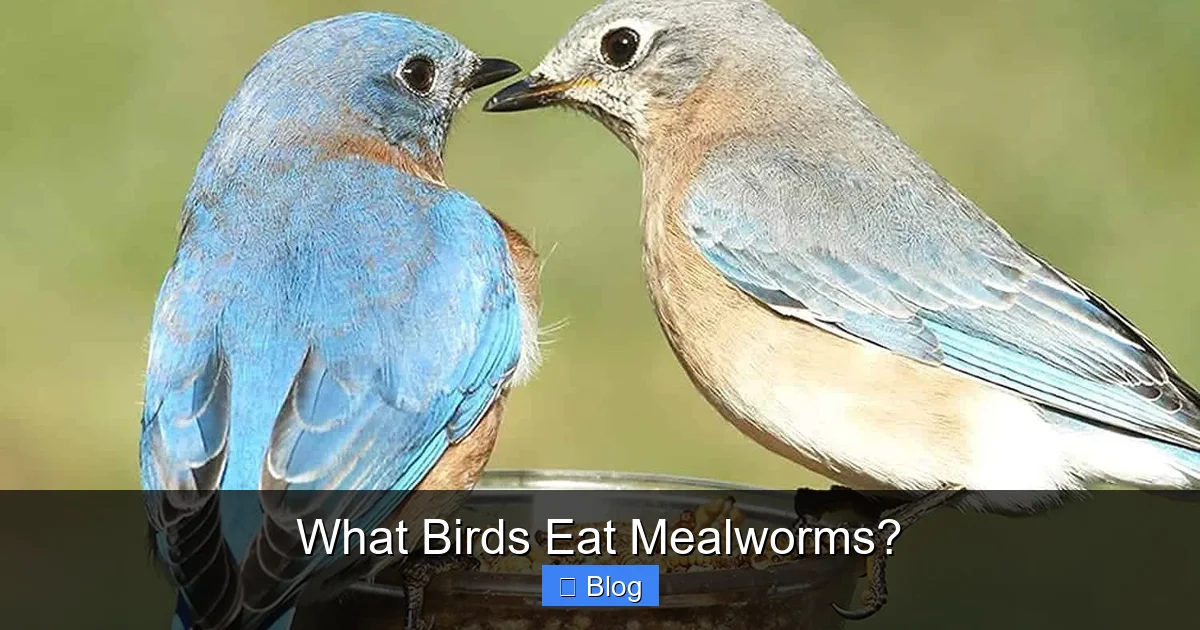
Visual guide about What Birds Eat Mealworms?
Image source: petfood.guide
The Bluebird Bonanza
If there’s one bird synonymous with mealworm feeding, it’s the Eastern Bluebird. These charming, sky-blue thrushes absolutely adore mealworms. Many birders start feeding mealworms specifically to attract bluebirds, and for good reason—they are often the first to arrive and can become regular visitors. Western Bluebirds and Mountain Bluebirds also share this fondness, making mealworms a universal bluebird treat. Watching a bluebird swoop down for a mealworm is a truly captivating sight.
Ground Foragers & Thrushes
Another big fan of mealworms is the American Robin. Known for their cheerful songs and familiar presence, robins spend a lot of time foraging on the ground for worms and insects. Mealworms are a natural fit for their diet, and they will readily visit feeders if offered in an accessible way. You might also spot other thrushes, such as the Wood Thrush, and even larger members of the Mimic family, like Northern Mockingbirds and Brown Thrashers, enjoying these nutritious snacks. They are often quick to discover new food sources, and mealworms are a high-value find.
Energetic Small Birds
Don’t let their small size fool you; many active, smaller birds are insect-eaters and will readily devour mealworms. Look out for the busy Carolina Wren and other wren species, known for their darting movements and loud songs. Chickadees (like the Black-capped and Carolina Chickadee) and Titmice (such as the Tufted Titmouse) are also frequent visitors, often snatching a mealworm and flying off to eat it in a safe spot. Even the agile Nuthatches, with their upside-down climbing antics, will appreciate a mealworm offering, especially species like the White-breasted Nuthatch.
Woodpeckers and Jays
Many woodpecker species, including the smaller Downy Woodpecker and the slightly larger Hairy Woodpecker, are known to eat mealworms. The colorful Red-bellied Woodpecker also won’t pass up an easy mealworm. These birds primarily forage for insects in tree bark, so finding an open dish of mealworms is a welcome change. Similarly, the intelligent and sometimes boisterous Blue Jay will eagerly take mealworms. They often grab a mouthful and fly off to cache them for later, demonstrating their clever foraging habits.
Occasional Visitors and Others
Beyond these dedicated fans, you might be surprised by other birds that eat mealworms. Some species like European Starlings, though often considered a nuisance at feeders due to their aggressive nature, are very fond of mealworms. Sparrows, particularly House Sparrows and some native sparrows, might also take advantage of the easy protein. Even occasional warblers or vireos during migration could stop by for a quick energy boost, though they are less common at feeders. The diverse range of birds that eat mealworms truly makes them a versatile bird food!
Choosing and Offering Mealworms Effectively
Now that you know what birds eat mealworms, let’s talk about the best ways to present these delectable treats to your feathered guests. The method you choose can significantly impact your success in attracting birds.
Live Mealworms: The Top Choice
For most birds, live mealworms are the undisputed champion. Their movement is highly attractive, mimicking natural prey, and they are generally more palatable. You can buy live mealworms from pet stores or online suppliers. Store them in a cool, dark place (like a refrigerator) in a container with some oatmeal or cornmeal, which serves as both bedding and food. This slows their metabolism and extends their shelf life.
Dried Mealworms: Convenience and Tips
Dried mealworms are a fantastic alternative if you’re not keen on handling live ones. They are shelf-stable, easy to store, and less expensive in the long run. However, birds often find them less appealing than live ones. To boost their attractiveness, try rehydrating dried mealworms by soaking them in warm water for 10-15 minutes before placing them in the feeder. This softens them and makes them more palatable, often tricking birds into thinking they’re live!
The Right Feeder for the Right Bird
- Shallow Dishes or Trays: These are ideal for ground-feeding birds like robins and thrushes. They offer easy access and a natural foraging feel.
- Specialized Mealworm Feeders: Many feeders are designed specifically for mealworms. These often have smooth, high sides to prevent live mealworms from crawling out, or clear domes to protect them from rain and larger birds while allowing smaller birds easy access.
- Platform or Hopper Feeders: You can place a small dish of mealworms inside a larger platform feeder or even on the tray of a hopper feeder. Just make sure the mealworms are contained so they don’t get mixed with seeds or escape.
Strategic Feeder Placement
Where you place your mealworm feeder makes a big difference. Birds like bluebirds prefer feeders in open areas, often mounted on poles, allowing them a clear view of potential predators. However, all birds appreciate having some cover nearby – a tree or shrub where they can perch and quickly retreat if needed. Keep the feeder away from direct sunlight if possible to prevent live mealworms from getting too hot or dried ones from spoiling too quickly.
Feeding Schedule and Quantity
Consistency is key! Birds learn to associate your yard with a reliable food source. Try to offer mealworms at roughly the same time each day, perhaps in the early morning and late afternoon when birds are most active. Start with a small amount—a tablespoon or two—to avoid waste. You can always add more if they’re quickly devoured. It’s better to offer small, fresh quantities throughout the day than a large amount that might spoil.
Maximizing Your Mealworm Attraction Success
You’ve got the mealworms, the right feeder, and a good spot. Now, how do you really make your backyard the hottest mealworm spot in town?
Tailoring to Specific Species
If you’re specifically hoping to attract bluebirds, consider a bluebird-specific mealworm feeder. These often have a mesh cage or a specific entry size that allows bluebirds in but keeps larger, more aggressive birds out. For robins, placing mealworms directly on the ground or in a ground-level dish works best. For chickadees and wrens, smaller feeders mounted closer to dense shrubbery might be more effective. Understanding the habits of what birds eat mealworms helps you cater to their preferences.
Combining with Other Offerings
Don’t put all your eggs (or mealworms!) in one basket. While mealworms are fantastic, offering a variety of foods will attract an even wider range of birds. Combine mealworms with traditional birdseed mixes, suet cakes, and a reliable source of fresh water (like a bird bath). This creates a comprehensive buffet that caters to different dietary needs and preferences, making your yard an irresistible haven.
Patience and Consistency are Virtues
It can take time for birds to discover a new food source, especially if they’ve never encountered mealworms before. Be patient! Keep offering them consistently, and eventually, a curious bird will try them. Once one bird discovers the bounty, others will quickly follow suit. Word travels fast in the avian community! Maintaining a regular feeding schedule builds trust and ensures birds know they can count on your feeder.
Keeping Your Avian Visitors Safe and Healthy
Responsible bird feeding is crucial for the health of your backyard birds and the environment. Here’s how to ensure your mealworm feeding venture is a positive one for everyone.
Feeder Hygiene: A Must-Do
Mealworms can create a moist environment, especially if you’re rehydrating dried ones, which can lead to mold and bacterial growth. Regularly clean your mealworm feeders. A good scrubbing with a mild soap solution and thorough rinsing (or a 10% bleach solution followed by a thorough rinse) will keep them clean and disease-free. Dry them completely before refilling. This simple step is vital for the health of the birds that eat mealworms.
Sourcing Responsibly
Always purchase mealworms from reputable suppliers. This ensures that the mealworms are healthy, gut-loaded (fed a nutritious diet themselves), and free from pesticides or other harmful chemicals. High-quality mealworms provide the best nutrition for your birds.
Managing Unwanted Guests
While you want to attract desirable birds, sometimes mealworms can also draw in less welcome visitors like squirrels, raccoons, or overly aggressive birds like European Starlings. Use baffles on feeder poles to deter squirrels and raccoons. For starlings, you might consider feeders with cages or smaller openings that only allow smaller birds access. Sometimes, temporarily removing mealworms for a day or two can encourage starlings to move on, while your desired birds will likely return when you resume feeding.
Offering mealworms is a wonderful way to connect with the birds in your garden and provide them with a vital food source. With a little knowledge and consistency, you can transform your yard into a bustling hub for insectivorous birds, enjoying the vibrant spectacle of nature right outside your window. Knowing what birds eat mealworms empowers you to create a truly special environment.
Conclusion
The journey of discovering what birds eat mealworms and how to attract them is incredibly rewarding. From the striking Eastern Bluebird to the cheerful American Robin and the busy Carolina Wren, a diverse array of feathered friends eagerly awaits these protein-packed treats. By understanding their nutritional value, choosing the right feeders, and committing to consistent, hygienic practices, you can create an inviting space for these fascinating creatures.
Feeding mealworms isn’t just about providing food; it’s about fostering a deeper connection with nature, observing unique behaviors, and supporting the health of local bird populations. So, go ahead, try offering mealworms in your backyard. You might just be amazed by the vibrant, active birdlife that flocks to your feeders, bringing endless moments of joy and wonder. Happy birding!
🎥 Related Video: How to Raise Mealworms for ChickensIf you have chickens, you know how much they love #mealworms.
📺 Blood Boy Beats
Frequently Asked Questions
What time of day is best to offer mealworms?
Birds are most active in the early morning and late afternoon, making these ideal times to offer mealworms. Consistency helps birds learn when to visit your feeders, establishing a reliable routine.
Can I feed mealworms to birds year-round?
Absolutely! While mealworms are especially beneficial during breeding season for protein and during winter for extra energy, birds appreciate them as a high-value treat year-round. They supplement natural food sources.
How do I store live mealworms?
Live mealworms should be stored in a cool, dark place, ideally in your refrigerator (40-50°F / 4-10°C) in a container with oatmeal or cornmeal as bedding and food. This slows their metabolism and extends their shelf life.
Will mealworms attract pests like mice or raccoons?
Any food source can attract pests. To deter them, bring feeders in at night, clean up spilled mealworms regularly, and consider using baffles on feeder poles to prevent climbing access.
Is it safe to handle live mealworms?
Yes, live mealworms are generally safe to handle. Always wash your hands thoroughly before and after touching them, especially if you have sensitive skin or allergies. They do not bite or carry diseases harmful to humans.
What’s the difference between mealworms and superworms?
Mealworms are smaller, softer-bodied larvae, while superworms are larger and have a harder exoskeleton. Most birds prefer mealworms due to their size and texture, but some larger birds might also consume superworms.