

Birds of prey, also known as raptors, are a fascinating group of predatory birds defined by their exceptional hunting adaptations. They possess sharp talons, powerful hooked beaks, and incredible eyesight, enabling them to locate, capture, and consume their prey with precision. These magnificent creatures play a crucial role in maintaining healthy ecosystems worldwide.
What Are Birds of Prey?
Imagine a shadow passing overhead, silent and swift, before a blur of feathers descends with incredible speed and precision. This dramatic scene is a common sight in the natural world, performed by some of Earth’s most skilled hunters: birds of prey. These magnificent avian predators captivate us with their power, grace, and unparalleled adaptations for survival.
From the majestic eagle soaring high above mountain peaks to the elusive owl silently navigating the night, birds of prey represent a diverse and awe-inspiring group. But what exactly defines a “bird of prey”? It’s more than just a catchy name; it refers to a specific set of physical and behavioral characteristics that equip them for a predatory lifestyle. Join us as we explore the fascinating world of these aerial hunters, uncovering what makes them so special, their crucial role in ecosystems, and how we can appreciate them responsibly.
Key Takeaways
- Defining Characteristics: Birds of prey are distinguished by their exceptional hunting tools, including incredibly sharp talons for grasping prey, powerful hooked beaks for tearing flesh, and remarkably keen eyesight for spotting prey from great distances.
- Diverse Groups: The term “birds of prey” encompasses several orders, primarily Accipitriformes (eagles, hawks, kites, most vultures), Falconiformes (falcons), and Strigiformes (owls), each with unique adaptations for their specific hunting styles and environments.
- Apex Predators: Raptors often sit at the top of their respective food chains, controlling populations of rodents, insects, and other small animals, thereby preventing overpopulation and disease spread within ecosystems.
- Specialized Hunting Techniques: From the swift, acrobatic pursuits of falcons to the silent, nocturnal pounces of owls and the soaring, scavenging patrols of vultures, birds of prey exhibit a wide array of highly specialized hunting and feeding strategies.
- Ecological Importance: These majestic birds are vital indicators of environmental health; their presence and well-being often reflect the overall health of their habitats and the broader ecosystem.
- Conservation Challenges: Birds of prey face significant threats, including habitat loss, pesticide use, climate change, and human disturbance, making conservation efforts crucial for their survival and the balance of nature.
Quick Answers to Common Questions
What is the main characteristic that defines a bird of prey?
The primary defining characteristics of birds of prey are their specialized hunting adaptations: powerful, sharp talons for grasping, a strong, hooked beak for tearing, and exceptionally keen eyesight for spotting prey.
Are all birds of prey nocturnal?
No, not all birds of prey are nocturnal. While owls are predominantly nocturnal hunters, many other raptors like eagles, hawks, and falcons are diurnal, meaning they hunt during the day.
What is the fastest bird of prey?
The Peregrine Falcon is the fastest bird of prey, and indeed the fastest animal on Earth, capable of reaching speeds over 200 miles per hour during its hunting dive, known as a “stoop.”
Do birds of prey only eat meat?
Yes, birds of prey are carnivorous, meaning their diet consists primarily of meat, which they obtain by hunting live prey or scavenging carrion. Their digestive systems are specifically adapted for this diet.
Why are vultures considered birds of prey even though they mostly scavenge?
Vultures are considered birds of prey because they possess many of the characteristic adaptations, such as powerful beaks and strong feet, even if their talons are not as sharp for active hunting. Their ecological role as apex scavengers is also critical, fitting the broader definition of a top predator/consumer in their niche.
📑 Table of Contents
Defining Birds of Prey: The Essentials
The term “bird of prey” often conjures images of powerful hunters, and for good reason. Scientifically, these birds are known as raptors, derived from the Latin word rapere, meaning “to seize” or “to snatch.” This name perfectly encapsulates their primary mode of obtaining food. What truly sets birds of prey apart are their highly specialized physical adaptations, meticulously honed over millennia to make them supremely efficient predators.
Talons: Nature’s Hunting Hooks
Perhaps the most defining feature of birds of prey are their powerful, sharp talons. These aren’t just claws; they are formidable gripping tools, designed for capturing, holding, and sometimes even killing prey. Each talon is a curved, pointed weapon, backed by incredibly strong muscles in their legs and feet. The grip strength of some raptors is astonishing. For example, a Bald Eagle can exert hundreds of pounds per square inch of pressure, enough to crush the bones of its prey.
Different species of birds of prey have talons adapted to their specific prey. Osprey, which specialize in fishing, have particularly rough, spiky pads on the soles of their feet to help them hold slippery fish. Owls have unique zygodactyl feet, meaning two toes point forward and two backward, allowing them to rotate one toe to the rear for a more secure grip on their often squirming prey.
Beaks: The Ultimate Tool for Tearing
While talons secure the prey, the hooked beak of a bird of prey is essential for the final act: tearing flesh. Their beaks are strong, sharp, and distinctly curved downwards, forming a powerful ripping tool. This design allows them to efficiently dismember their catch, making it easier to swallow, or to pick apart smaller pieces to feed their young.
Again, variations exist depending on diet. Falcons have a specialized “tomial tooth” or “falcon’s notch” on the upper mandible, which acts like a sharp knife, enabling them to sever the spinal cord of their prey with remarkable precision. Vultures, on the other hand, have robust but often less sharply hooked beaks, designed for tearing through tough hides and carrion rather than actively hunting and killing.
Eyesight: Super Senses from the Sky
One of the most impressive adaptations of birds of prey is their extraordinary eyesight. Raptors possess vision that is among the keenest in the animal kingdom, often many times better than that of humans. Their eyes are typically large, forward-facing, and fixed in their sockets, which gives them excellent binocular vision for judging distance. To compensate for their fixed eyes, birds of prey can turn their heads up to 270 degrees in some species, like owls, allowing them a wide field of view without moving their bodies.
Their retinas are packed with a high density of photoreceptor cells, giving them exceptional visual acuity and the ability to detect tiny movements from great heights. Some species, like eagles, can spot a rabbit from several miles away. Many also have a high concentration of cone cells, allowing them to see a wider spectrum of colors than humans, potentially even into the ultraviolet range, which can help them spot rodent urine trails or other subtle clues from prey.
Diverse Families of Raptors
When we talk about birds of prey, we’re actually referring to several distinct evolutionary lineages, not just one single family. While they share common predatory traits, their evolutionary paths have led to fascinating differences in anatomy, behavior, and ecology. The main groups recognized today include Accipitriformes (hawks, eagles, kites, most vultures), Falconiformes (falcons), and Strigiformes (owls).
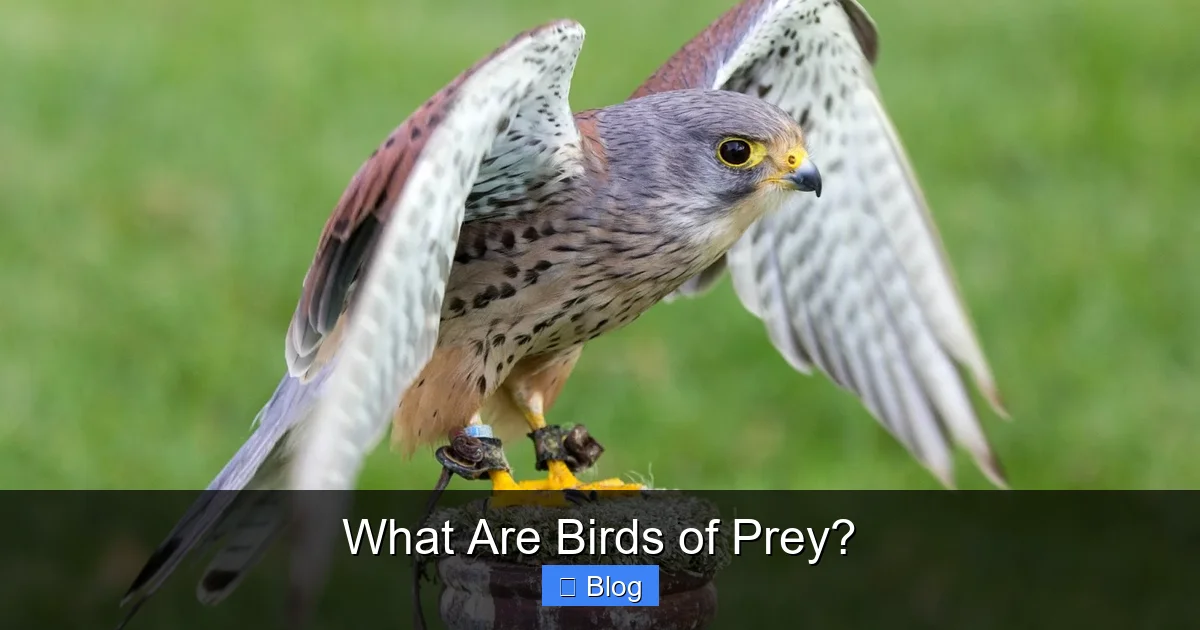
Visual guide about What Are Birds of Prey?
Image source: 3.bp.blogspot.com
Eagles, Hawks, and Kites (Accipitriformes)
This is a large and diverse order, often considered the “classic” diurnal (daytime) birds of prey. It includes some of the most iconic raptors:
- Eagles: Known for their impressive size, powerful build, and majestic appearance. Species like the Bald Eagle, Golden Eagle, and Harpy Eagle are formidable hunters, often preying on medium-sized mammals and birds.
- Hawks: A broad category encompassing various sizes. Accipiters (like the Goshawk or Sharp-shinned Hawk) are typically forest dwellers with short, rounded wings and long tails, enabling agile pursuit through dense foliage. Buteos (like the Red-tailed Hawk or Buzzard) are broad-winged, soaring hawks often seen circling open country, scanning for prey.
- Kites: Generally smaller and more graceful than eagles and hawks, kites often have forked tails and elegant flight. Many are insectivores, while others specialize in small vertebrates or even carrion. The Snail Kite is a famous specialist, feeding almost exclusively on apple snails.
Most of the “Old World” vultures (those found in Africa, Asia, and Europe) also belong to Accipitriformes, sharing an ancestry with eagles and hawks.
Falcons (Falconiformes)
Falcons are distinguished by their sleek, pointed wings, rapid flight, and incredibly fast dives. They are often described as the “fighter jets” of the avian world. Unlike hawks and eagles, falcons typically kill their prey with their beaks, often using their specialized “tomial tooth” to sever the neck. The Peregrine Falcon is world-renowned as the fastest animal on Earth, capable of dives (stoops) exceeding 200 miles per hour.
Kestrels and Merlins are smaller falcons, specializing in insects and small birds, respectively. Despite their size differences, all falcons share that distinctive aerial prowess and hunting style.
Owls (Strigiformes)
Owls are the masters of the night, primarily nocturnal birds of prey with a suite of unique adaptations for hunting in low light. Their large, forward-facing eyes are highly sensitive to light, giving them excellent night vision. Their broad, rounded wings allow for virtually silent flight, a crucial advantage when ambushing unsuspecting prey. Their asymmetrical ear openings in some species provide highly accurate triangulation of sounds, enabling them to pinpoint prey in complete darkness.
There are two main families of owls: Strigidae (typical owls like Great Horned Owls and Barn Owls) and Tytonidae (barn owls, known for their heart-shaped faces). Owls feed on a wide range of prey, from insects and rodents to fish and even other birds.
Vultures (Cathartiformes)
While often grouped with other birds of prey due to their powerful beaks and talons (though generally weaker than true raptors), the New World Vultures (found in the Americas) are now classified in their own order, Cathartiformes. This includes species like the Turkey Vulture, Black Vulture, and Andean Condor. They are primarily scavengers, feeding on carrion, and play a vital role in cleaning up ecosystems.
New World Vultures have distinct adaptations for scavenging, such as excellent senses of smell (uncommon in birds) in species like the Turkey Vulture, and featherless heads and necks to prevent fouling while feeding inside carcasses. Their role is no less important than active hunters; they prevent the spread of disease and recycle nutrients.
Hunting Strategies and Adaptations
The lives of birds of prey revolve around the hunt. Their strategies are as varied as the species themselves, each perfected to suit their environment and preferred diet. Observing these hunting techniques offers a glimpse into the incredible efficiency of natural selection.
Ambush Predators
Many forest-dwelling birds of prey, particularly accipiter hawks and some owls, are ambush predators. They perch patiently on a hidden branch, using their camouflage to blend into the surroundings. When an unsuspecting bird or small mammal passes below, they burst from cover with incredible speed, relying on surprise and agility to capture their prey. This requires excellent hearing and keen observation skills to detect the subtle sounds or movements of potential meals.
Soaring and Searching
Buteo hawks, eagles, and many vultures employ a strategy of soaring high above the landscape. They use thermals (rising columns of warm air) to conserve energy, circling effortlessly while their exceptional eyesight scans the ground below. Once prey is spotted – be it a scurrying rodent, a sunbathing snake, or a fresh carcass – they descend in a controlled glide or a more direct dive. This method is highly effective in open habitats like grasslands, deserts, or agricultural fields.
Dive Bombers
Falcons are the quintessential dive bombers. Their streamlined bodies and pointed wings are built for speed. They often gain immense altitude, then fold their wings and plummet towards their prey in a spectacular “stoop.” The force of impact alone can stun or kill the target, which they then retrieve. This high-speed pursuit is particularly effective for catching other birds in mid-flight.
Nocturnal Hunters
Owls, with their silent flight and superior night vision and hearing, are perfectly adapted for nocturnal hunting. They often perch, listening intently, then launch into silent flight to snatch rodents, insects, or other small creatures moving under the cover of darkness. Their specialized feather structure muffles the sound of their wings, making their approach virtually undetectable to their prey.
Ospreys are also specialized hunters, but for fish. They hover over water, then plunge feet-first, often submerging completely to grab fish with their powerful, spiky talons. It’s a spectacular sight to behold!
The Crucial Role of Birds of Prey in Ecosystems
Far from being mere predators, birds of prey are cornerstones of healthy ecosystems. Their presence signifies a balanced environment, and their activities contribute significantly to maintaining that balance. They are essential components of the food web, impacting populations from the top down.
Natural Pest Control
One of the most valuable services birds of prey provide is natural pest control. Owls and hawks consume vast numbers of rodents like mice, voles, and rats, which can otherwise destroy crops, spread disease, and damage infrastructure. Kestrels and some smaller hawks are adept at catching large insects, further regulating pest populations. By reducing the need for chemical pesticides, raptors contribute to healthier agricultural practices and a cleaner environment.
Ecosystem Health Indicators
Birds of prey often sit atop their respective food chains, meaning they accumulate toxins that are present at lower trophic levels. Because of this, their populations are often excellent indicators of environmental health. A decline in raptor populations can signal widespread issues like pesticide contamination, habitat degradation, or a decline in prey populations. Conversely, thriving raptor populations suggest a healthy, balanced ecosystem. The recovery of the Bald Eagle in North America after the ban on DDT is a prime example of their role as indicator species.
Scavengers: Nature’s Clean-Up Crew
Vultures, in particular, are indispensable as nature’s clean-up crew. By consuming carrion, they prevent the spread of disease that decaying carcasses could harbor. They recycle nutrients back into the ecosystem and reduce the need for humans to dispose of dead animals. While perhaps not as glamorous as an eagle soaring, a vulture’s role is critically important and deserves immense appreciation.
Threats and Conservation Efforts
Despite their power and adaptability, birds of prey face numerous threats in the modern world. Their position at the top of the food chain makes them particularly vulnerable to environmental changes and human impacts. Understanding these challenges is the first step towards effective conservation.
Habitat Loss and Degradation
The most pervasive threat to birds of prey is the loss and degradation of their habitats. Forests are cleared for development, wetlands are drained, and grasslands are converted to agriculture. This reduces not only nesting sites but also hunting grounds and the availability of prey. Fragmentation of remaining habitats further isolates populations, making them more vulnerable.
Pesticides and Pollution
Chemical pollutants, especially pesticides like DDT (now banned in many countries but still lingering), have historically devastated raptor populations. These chemicals accumulate in the food chain, leading to reproductive failure (e.g., thin eggshells) and direct poisoning of birds of prey. Rodenticides, used to control rodent populations, can also secondarily poison raptors that consume affected rodents.
Collisions and Human Impact
Collisions with vehicles, power lines, and wind turbines are significant threats. Raptors often hunt along roadsides, making them susceptible to traffic. Power lines can lead to electrocution or collision, especially for larger birds. Wind energy, while beneficial for reducing carbon emissions, poses a collision risk if turbines are not strategically placed or managed.
Conservation Success Stories
Fortunately, dedicated conservation efforts have yielded remarkable successes. The ban on DDT led to dramatic recoveries of species like the Bald Eagle, Osprey, and Peregrine Falcon. Captive breeding programs, habitat restoration projects, and public awareness campaigns are ongoing. Wildlife rehabilitation centers play a crucial role in rescuing and treating injured raptors, giving them a second chance at life in the wild.
Observing Birds of Prey Safely and Responsibly
One of the great joys of spending time outdoors is the chance to spot a bird of prey. Whether it’s a Red-tailed Hawk circling overhead or an owl perched silently in a tree, these encounters are always memorable. However, it’s crucial to observe them in a way that is respectful and does not disturb their natural behaviors.
Best Practices for Birdwatching
- Use Binoculars or a Spotting Scope: Get a great view without getting too close. Distance is key to preventing disturbance.
- Stay on Designated Paths: Wandering off trails can disturb nesting sites or disrupt hunting activities.
- Avoid Nesting Sites: If you discover a nest, observe from a very safe distance and minimize your presence. Constant human activity near a nest can cause parents to abandon their young.
- Never Feed Wildlife: Feeding birds of prey can habituate them to humans, leading to dependence or dangerous interactions. It can also disrupt their natural hunting instincts and diet.
- Be Mindful of Sound: Keep noise levels down. Sudden loud noises can startle birds and cause them to flee.
- Educate Yourself: Learn about the species in your area – their habitats, behaviors, and conservation status. This knowledge enhances your experience and makes you a more responsible observer.
- Photography Etiquette: If you’re a photographer, use long lenses and avoid flushing or baiting birds for a shot. The welfare of the bird always comes first.
Supporting Raptor Conservation
There are many ways you can contribute to the well-being of birds of prey:
- Support Conservation Organizations: Donate time or money to local and national groups dedicated to raptor research, rehabilitation, and habitat protection.
- Reduce Pesticide Use: Opt for organic pest control methods in your garden and home to prevent secondary poisoning.
- Advocate for Habitat Protection: Support policies that protect natural areas and promote sustainable land use.
- Report Injured Birds: If you find an injured bird of prey, contact your local wildlife rehabilitation center immediately. Do not attempt to handle it yourself, as they can inflict serious injury.
- Educate Others: Share your knowledge and passion for birds of prey with friends and family, encouraging responsible enjoyment and conservation.
Birds of prey are more than just impressive hunters; they are a vital thread in the fabric of life on Earth. Their power, grace, and adaptations remind us of the incredible diversity and ingenuity of the natural world. By understanding their roles, appreciating their beauty, and actively participating in their conservation, we can ensure that future generations will continue to marvel at these magnificent aerial artists.
🎥 Related Video: All 13 Birds of Prey & What Makes Them Incredible
📺 Textbook Travel
All birds of prey pursue other animals for food. What sets them apart from birds such as kingfishers and albatross—who also prey …
Frequently Asked Questions
What is another common name for birds of prey?
Another common name for birds of prey is “raptors.” This term comes from the Latin word “rapere,” which means “to seize” or “to snatch,” perfectly describing their hunting method of grasping prey with their talons.
How good is a bird of prey’s eyesight compared to humans?
A bird of prey’s eyesight is significantly better than a human’s, often 4 to 8 times sharper. They can spot small prey from incredible distances and have excellent binocular vision for judging depth and distance, crucial for successful hunting.
Do birds of prey mate for life?
Many species of birds of prey, such as Bald Eagles and Great Horned Owls, are monogamous and form long-term pair bonds, often mating for life. However, this isn’t universal, and some species may find new mates if one dies or if breeding attempts fail repeatedly.
What is the difference between a hawk and a falcon?
Hawks (Accipitriformes) typically have broader, rounded wings and wider tails, often soaring and ambushing prey. Falcons (Falconiformes) have more pointed, narrow wings and are built for incredible speed and aerial agility, often killing prey with their beaks during high-speed dives.
Why is silent flight important for owls?
Silent flight is crucial for owls, especially nocturnal hunters, because it allows them to approach their prey undetected in the dark. Their specialized feather structure, with serrated leading edges and soft, velvety surfaces, reduces turbulence and muffles the sound of their wingbeats.
Can birds of prey be found all over the world?
Yes, birds of prey are found on every continent except Antarctica. They inhabit a wide variety of ecosystems, from dense forests and expansive deserts to open grasslands and bustling urban areas, demonstrating their remarkable adaptability to diverse environments.