
Introduction
Have you ever seen a bird so tiny that it could almost disappear among the leaves of a tree? The smallest birds in the world are some of the most fascinating creatures in nature. Although they have very small bodies, these birds possess incredible abilities that help them fly, find food, escape predators, and survive in different environments.
From the tiny bee hummingbird of Cuba to the colorful flowerpeckers of Asia, small birds demonstrate that size is not everything in the natural world. Some can hover in front of flowers, while others move quickly through forests in search of insects and seeds. Their delicate feathers, lightweight bodies, and energetic movements make them truly remarkable.
Small birds live in tropical forests, gardens, grasslands, mountain regions, and many other habitats. Some are famous for their brilliant colors, while others are difficult to notice because their feathers blend into their surroundings.
In this vlog, we will explore the smallest birds in the world, discover their unique characteristics, learn what they eat, and understand how these tiny creatures survive in a challenging natural environment.
What Are the Smallest Birds in the World?
The smallest birds in the world are species with extremely short body lengths and very low body weights. Many are only a few centimeters long, making them much smaller than familiar birds such as pigeons, crows, and sparrows.
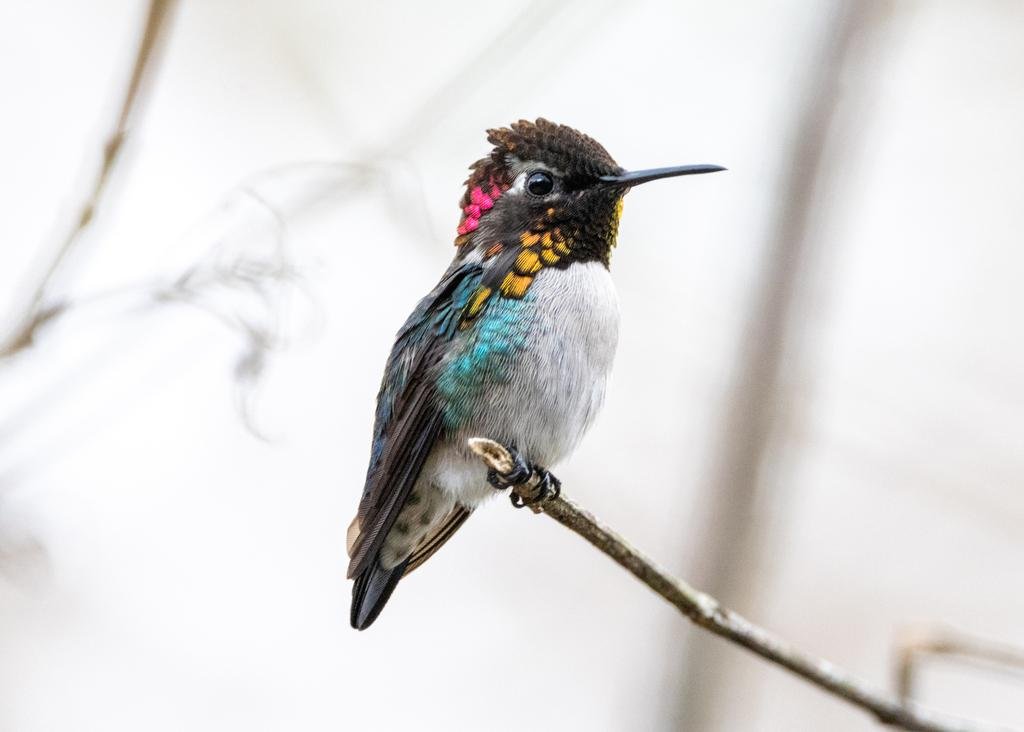
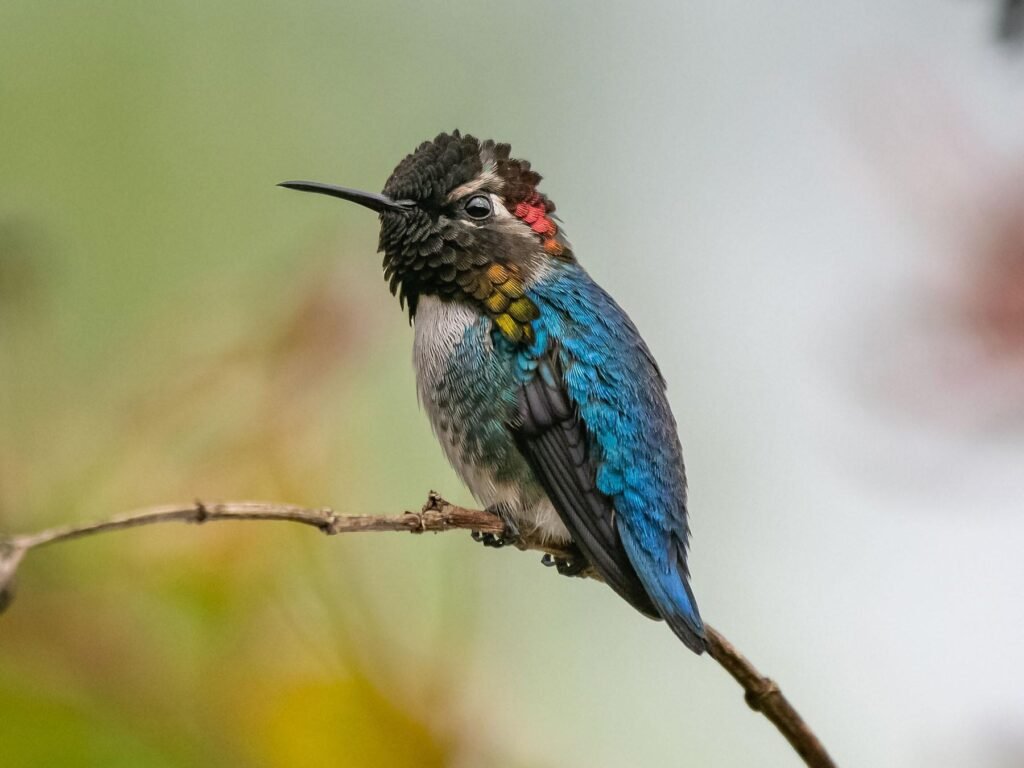
The bee hummingbird is generally recognized as the smallest living bird species. It is native to Cuba and the nearby Isla de la Juventud.
However, the smallest bird can be identified in different ways. Scientists may compare body length, average weight, or the size of particular individuals. Some tiny birds are especially lightweight, while others have slightly longer bodies or tails.
Despite their small size, these birds have specialized adaptations that allow them to find food, reproduce, and avoid danger.
1. Bee Hummingbird – The Smallest Bird in the World
The bee hummingbird (Mellisuga helenae) is widely recognized as the smallest living bird in the world. It is native to Cuba and is one of the most remarkable members of the hummingbird family.
An adult bee hummingbird is approximately 5–6 centimeters long, and some individuals weigh around 2 grams. Its tiny body makes it resemble a large flying insect when seen from a distance.
Appearance of the Bee Hummingbird
Male bee hummingbirds have colorful feathers, particularly around the head and throat, which can appear brilliant in sunlight. Females generally have less brightly colored plumage.
Their wings beat extremely rapidly during hovering flight, allowing them to remain in front of flowers while feeding.
What Does the Bee Hummingbird Eat?
Bee hummingbirds mainly consume nectar from flowers. They also eat tiny insects and spiders, which provide important protein and other nutrients.
Their long, slender bills and specialized tongues help them collect nectar from flowers.
Where Does It Live?
Bee hummingbirds inhabit parts of Cuba, including forested areas, woodland edges, and places with suitable flowering plants.
Habitat loss can threaten their survival by reducing the availability of food and nesting sites.
Interesting Facts
- It is generally considered the smallest living bird species.
- It can hover while feeding on nectar.
- Its tiny body requires frequent access to energy-rich food.
- Males display colorful feathers during courtship.
The bee hummingbird shows how an extremely small bird can develop remarkable flight skills and specialized feeding behavior.
2. Vervain Hummingbird – One of the World’s Smallest Birds
The vervain hummingbird (Mellisuga minima) is another exceptionally small hummingbird. It is native to Jamaica and Hispaniola in the Caribbean.
It is slightly larger than the bee hummingbird but remains among the smallest birds in the world.
Appearance and Size
Vervain hummingbirds generally measure around 6 centimeters in length, although measurements vary among individuals.
Like other hummingbirds, they have slender bills and wings adapted for hovering and rapid movement.
Feeding Habits
These birds mainly feed on flower nectar. They also capture small insects and other tiny invertebrates to obtain additional nutrients.
Their small size allows them to explore flowers and vegetation that may be difficult for larger birds to access.
Habitat
Vervain hummingbirds live in suitable woodland, forest edges, gardens, and other areas where flowering plants provide food.
Their survival depends on the availability of nectar sources, nesting locations, and appropriate vegetation.
3. Goldcrest – Europe’s Tiny Crowned Bird
The goldcrest (Regulus regulus) is one of the smallest birds in Europe. It is commonly found in coniferous forests, woodland areas, and gardens with suitable trees.
Goldcrests generally measure around 9 centimeters long and weigh only a few grams.
Appearance
The goldcrest has olive-green upperparts, pale underparts, and a distinctive yellow or orange-yellow crown stripe. This colorful crown gives the bird its name.
Because of its small size and constant movement, it can be difficult to spot among dense branches.
What Does It Eat?
Goldcrests mainly eat tiny insects, spiders, and other small invertebrates.
They search carefully among needles, twigs, and leaves for food. Their lightweight bodies allow them to explore narrow branches.
How Does It Survive Cold Weather?
Despite their small bodies, goldcrests can survive cold conditions by seeking sheltered locations, feeding regularly, and using their insulating feathers.
Cold weather can still be dangerous, particularly when food is scarce.
4. Firecrest – A Tiny Bird With a Bright Crown
The firecrest (Regulus ignicapilla) is another small European bird. It resembles the goldcrest but has a distinctive facial pattern, including a dark stripe through the eye and a bright crown.
Firecrests generally measure around 9 centimeters long.
Appearance and Behavior
Firecrests are active birds that move rapidly through trees and shrubs. They frequently search leaves and branches for small insects.
Their colorful head markings make them especially attractive to birdwatchers.
Habitat and Diet
They occur in various woodland habitats, including coniferous and mixed forests.
Their diet mainly consists of insects and other small invertebrates. During colder periods, finding enough food is essential for maintaining their energy.
Firecrests demonstrate that even tiny birds can have striking appearances and specialized feeding behaviors.
5. Weebill – Australia’s Tiny Bird
The weebill (Smicrornis brevirostris) is one of Australia’s smallest birds. It usually measures approximately 8–9 centimeters long.
It is found across much of Australia in suitable woodland habitats, particularly areas with eucalyptus trees.
Appearance
The weebill has soft olive-brown or grayish plumage, a small bill, and a compact body. Its understated colors help it blend into tree foliage.
Feeding Habits
Weebills mainly feed on tiny insects and other small invertebrates found among leaves and branches.
They move actively through trees while searching for food and often forage in pairs or small groups.
Why Is It Special?
The weebill shows how a very small bird can thrive in Australia’s varied environments by specializing in searching for food among foliage.
Its tiny body and active behavior make it an interesting species for birdwatchers.
6. Pale-billed Flowerpecker – A Tiny Bird of Asia
The pale-billed flowerpecker (Dicaeum erythrorhynchos) is a small bird found across parts of South Asia, including India and Sri Lanka.
Flowerpeckers are known for their small size, short bills, and feeding habits centered on fruits and nectar.
Appearance
The pale-billed flowerpecker has subdued plumage and a small, pale-colored bill. Its modest appearance can make it easy to overlook among leaves and fruiting plants.
What Does It Eat?
Its diet includes small fruits, berries, and nectar. Flowerpeckers can also contribute to seed dispersal by eating fruit and depositing seeds in other locations.
Habitat
These birds occur in woodland, gardens, plantations, and other habitats with suitable fruiting and flowering plants.
Their feeding behavior connects them closely with the plants in their environment.
7. Costa’s Hummingbird – A Tiny Desert Visitor
Costa’s hummingbird (Calypte costae) is a small hummingbird native to the southwestern United States and parts of Mexico.
It is especially associated with dry regions where flowering plants provide seasonal food resources.
Appearance
Male Costa’s hummingbirds are known for their striking purple crown and throat feathers. Females have more subdued coloration.
Their small bodies and rapid wing movements allow them to hover while feeding.
Feeding Habits
They consume nectar from flowers and also catch small insects.
During hot or dry periods, access to flowering plants is particularly important for their survival.
Flying Skills
Costa’s hummingbirds can hover and maneuver quickly around vegetation. These abilities help them reach flowers and compete for feeding opportunities.
8. Calliope Hummingbird – One of the Smallest Migratory Birds
The calliope hummingbird (Selasphorus calliope) is one of the smallest bird species found in North America.
It is especially interesting because it undertakes seasonal migration despite its tiny body.
Appearance
Calliope hummingbirds typically measure around 7–9 centimeters long. Males have distinctive streaks of magenta feathers on the throat.
Their small size makes their long-distance journeys particularly impressive.
Migration
These hummingbirds breed in western North America and migrate to warmer regions, including parts of Mexico, during the nonbreeding season.
They depend on suitable feeding areas along their migration routes.
Diet
They mainly feed on nectar and supplement their diet with insects and other small invertebrates.
Their migration demonstrates that small size does not prevent a bird from traveling substantial distances.
9. Esmeraldas Woodstar – A Tiny Hummingbird of South America
The Esmeraldas woodstar (Chaetocercus berlepschi) is a very small hummingbird associated with western Ecuador.
It is an uncommon species with a restricted distribution, making habitat protection especially important.
Appearance and Size
This tiny hummingbird has a slender body and specialized wings that allow it to hover near flowers.
As with other hummingbirds, males and females differ in plumage.
Habitat and Feeding
The Esmeraldas woodstar uses habitats that provide suitable flowering plants and nesting areas.
It feeds mainly on nectar and supplements its diet with tiny insects.
Because it occupies a limited geographic range, changes to local habitats may have a significant impact on its population.
10. Short-tailed Pygmy Tyrant – A Tiny Forest Bird
The short-tailed pygmy tyrant (Myiornis ecaudatus) is a very small bird found in parts of tropical South America.
It is often described as one of the smallest passerine birds, which are commonly known as perching birds.
Appearance
This tiny bird has a compact body, a small bill, and a very short tail.
Its muted colors help it blend into the dense vegetation of tropical forests.
Feeding Habits
Like many small flycatchers, it feeds on tiny insects and other small arthropods.
Its small size allows it to forage among foliage in search of prey.
Why Is It Important?
Even the smallest forest birds contribute to ecosystem health by consuming insects and participating in local food webs.
Protecting tropical forests helps preserve the habitats of these little-known species.
How Do Tiny Birds Survive in the Wild?
Tiny birds face special challenges because their bodies have limited energy reserves. They must find sufficient food, avoid predators, and cope with changes in temperature.
1. Eating Frequently
Many small birds need to feed regularly because their small bodies lose heat quickly and have limited energy reserves.
Nectar, insects, and other nutrient-rich foods help provide the energy needed for flight and daily activity.
2. Moving Quickly
Small birds can often maneuver through narrow spaces and dense vegetation.
Quick movements help them locate food and sometimes escape predators, although small size can also make them vulnerable.
3. Using Camouflage
Many tiny birds have green, brown, gray, or olive feathers that blend into leaves and branches.
Camouflage can make it harder for predators to detect them.
4. Choosing Safe Nesting Sites
Small birds may build nests in protected branches, shrubs, tree cavities, or other sheltered locations.
A well-hidden nest can reduce some risks to eggs and chicks.
5. Conserving Energy
Birds may rest in sheltered places, reduce unnecessary activity, or use special physiological responses during periods of low temperature or limited food availability.
The exact strategies vary among species.
What Do the Smallest Birds Eat?
The diets of the world’s smallest birds differ depending on their species and habitat.
- Bee hummingbirds: Flower nectar, tiny insects, and spiders.
- Vervain hummingbirds: Nectar and small insects.
- Goldcrests: Small insects, spiders, and other invertebrates.
- Firecrests: Tiny insects and other invertebrates.
- Weebills: Small insects and other arthropods.
- Pale-billed flowerpeckers: Small fruits, berries, and nectar.
- Costa’s hummingbirds: Nectar and small insects.
- Calliope hummingbirds: Nectar and small invertebrates.
- Esmeraldas woodstars: Nectar and tiny insects.
- Short-tailed pygmy tyrants: Small insects and other arthropods.
Their diets reveal how tiny birds occupy different ecological roles, from pollination and seed dispersal to insect control.
Why Are Tiny Birds Important to Nature?
Small birds play valuable roles in healthy ecosystems.
Pollination
Hummingbirds visit flowers while feeding on nectar. As they move between flowers, they can transfer pollen and help certain plants reproduce.
Seed Dispersal
Flowerpeckers and other fruit-eating birds swallow fruits and may deposit seeds away from the parent plant.
This process can support forest regeneration and plant diversity.
Insect Control
Many tiny birds consume insects and other small invertebrates, helping regulate insect populations.
Supporting Food Webs
Small birds are also part of food webs, serving as prey for some larger birds and other predators.
Protecting tiny birds helps preserve the ecological relationships that keep natural environments functioning.
Threats Facing the Smallest Birds in the World
Although tiny birds have remarkable survival abilities, many face serious threats.
Habitat Loss
Deforestation, urban expansion, and agricultural development can destroy the vegetation and nesting sites that small birds need.
Climate Change
Changes in temperature, rainfall, and flowering seasons can affect food availability and breeding success.
Pesticides
Some pesticides can reduce insect populations or expose birds to harmful chemicals. This is particularly concerning for species that depend on insects for food.
Domestic Cats
Cats can kill small wild birds, especially in gardens and residential areas.
Keeping cats indoors or in secure outdoor enclosures can reduce risks to wildlife.
Loss of Flowering Plants
Hummingbirds and other nectar-feeding birds depend on suitable flowers. Removing flowering vegetation can reduce their food supplies.
How Can We Protect Tiny Birds?
Everyone can help protect small birds by taking practical steps.
- Plant native flowers, shrubs, and trees suited to local conditions.
- Avoid using pesticides unnecessarily.
- Protect forests and other natural habitats.
- Keep domestic cats away from wild birds.
- Provide clean water in safe locations where appropriate.
- Avoid disturbing nests or handling wild chicks.
- Support bird conservation projects and responsible wildlife organizations.
- Learn to recognize local bird species and share accurate information about them.
Even small actions can help create safer environments for birds.Amazing Facts About the Smallest Birds in the World
Here are some fascinating facts about tiny birds:
- The bee hummingbird is generally considered the smallest living bird species.
- Bee hummingbirds are native to Cuba.
- Hummingbirds can hover while feeding on nectar.
- Some tiny birds weigh only a few grams.
- Goldcrests are among the smallest birds in Europe.
- The weebill is one of Australia’s smallest birds.
- Flowerpeckers can help disperse seeds.
- Calliope hummingbirds undertake seasonal migration despite their small size.
- Many tiny birds rely on insects for protein and other nutrients.
- Small birds play important roles in pollination, insect control, and food webs.
These facts show that tiny birds are not only beautiful but also ecologically important.
Frequently Asked Questions (FAQ)
1. What is the smallest bird in the world?
The bee hummingbird (Mellisuga helenae) is generally recognized as the smallest living bird species.
2. Where does the smallest bird in the world live?
The bee hummingbird is native to Cuba and the nearby Isla de la Juventud.
3. How long is a bee hummingbird?
An adult bee hummingbird is approximately 5–6 centimeters long, although measurements vary between individuals.
4. What do the smallest birds eat?
Depending on the species, tiny birds eat nectar, insects, spiders, small fruits, berries, or other small food items.
5. Can tiny birds fly long distances?
Yes. Some small birds, including calliope hummingbirds, undertake seasonal migrations across substantial distances.
6. Why do hummingbirds hover?
Hummingbirds hover to feed on nectar while remaining in front of flowers. Their specialized wings generate lift during both halves of the wing stroke.
7. Are all small birds hummingbirds?
No. Many tiny birds belong to other groups, including kinglets, flowerpeckers, and pygmy tyrants.
8. How can we help small birds survive?
Protecting habitats, planting native vegetation, reducing unnecessary pesticide use, and keeping cats away from wild birds can help support small bird populations.
Conclusion
The smallest birds in the world demonstrate that nature’s most remarkable abilities do not always come in large packages. From the tiny bee hummingbird of Cuba to the goldcrest of Europe and the weebill of Australia, these birds have developed special adaptations that help them survive.
Some hover beside flowers, others search leaves for insects, and many use camouflage to remain hidden from predators. Their small bodies require careful energy management, yet their flying skills, feeding strategies, and reproductive behaviors are remarkably complex.