
Introduction
Birds are among the most beautiful and fascinating creatures on Earth. From the tiny sparrow singing outside our windows to the majestic eagle soaring high above the mountains, birds play important roles in the natural world. They bring beauty to our surroundings, spread seeds, pollinate certain plants, and help control insect populations. However, many bird species face growing threats because of habitat destruction, pollution, climate change, hunting, and other human activities.
Protecting Birds and Their Natural Habitats is essential for maintaining healthy ecosystems and preserving the incredible diversity of wildlife on our planet. Birds need suitable places to find food, build nests, raise their young, and escape from predators. When forests disappear, wetlands dry up, or grasslands are converted into buildings and roads, birds can lose the resources they need to survive.
The good news is that everyone can contribute to bird conservation. Governments, conservation organizations, communities, farmers, and individuals can work together to protect natural environments and make human settlements safer for birds.
In this vlog, we will explore why birds need protection, the biggest threats they face, the importance of their habitats, and practical ways we can help birds live safely in the wild.
1. Why Are Birds Important to Nature?
Birds are an essential part of many ecosystems. Their activities help maintain ecological balance and support the survival of other plants and animals.
One important role of birds is seed dispersal. Fruit-eating birds consume fruits and later deposit seeds in different locations. This helps plants spread and can support forest regeneration.
Many birds also help control insect populations. Insect-eating species consume large numbers of insects and other small invertebrates, although their diets vary by species. This natural feeding behavior contributes to the balance of ecosystems.
Some birds, including certain nectar-feeding species, help pollinate flowers as they move between plants. Scavenging birds, such as vultures, consume animal remains and contribute to the natural removal of carcasses.
Birds can also act as indicators of environmental change. Changes in bird populations may reveal problems such as habitat degradation, pollution, or reduced food availability.
Beyond their ecological roles, birds enrich human life through their songs, colors, behavior, and presence in natural landscapes. Protecting birds helps preserve both biodiversity and the beauty of the natural world.
2. What Are Natural Habitats for Birds?
A natural habitat is an environment that provides the resources an organism needs to survive. Different bird species depend on different habitats according to their feeding habits, nesting requirements, and lifestyles.
Forests
Forests provide trees for nesting, branches for resting, insects for food, and fruits and seeds for many species. Some birds depend on old trees with holes and cavities, while others build nests among branches or dense vegetation.
When forests are cut down or fragmented, birds may lose both their homes and their access to food.
Wetlands
Wetlands include marshes, swamps, floodplains, and other water-rich environments. They support ducks, herons, kingfishers, shorebirds, and many other species.
Wetlands provide fish, aquatic insects, plants, and safe feeding areas. They can also serve as important resting places for migratory birds.
Grasslands
Grasslands support birds that feed on seeds, insects, and small animals. Some species nest directly on the ground, making them particularly vulnerable to habitat disturbance and agricultural machinery.
Rivers, Lakes, and Coastal Areas
Waterways and coastlines provide feeding and resting areas for numerous waterbirds. These habitats may be threatened by plastic pollution, chemical contamination, construction, and changes in water levels.
Gardens and Urban Green Spaces
Parks, gardens, roadside trees, and green spaces can provide food and shelter for adaptable bird species. Although these places cannot replace every natural habitat, thoughtful landscaping can make towns and cities more bird-friendly.
Protecting different habitat types is essential because no single environment can meet the needs of every bird species.
3. The Biggest Threats to Birds and Their Habitats
Birds face many challenges, and several of the most serious are linked to human activities.
Habitat Destruction
Habitat destruction occurs when natural environments are cleared, drained, burned, or converted for other uses. Forest clearing, wetland drainage, and the expansion of roads and buildings can remove nesting areas and feeding grounds.
When suitable habitats disappear, some birds must move elsewhere. Others may decline if they cannot find an appropriate replacement.
Pollution
Plastic waste can entangle birds or be mistaken for food. Oil spills can damage feathers and affect the ability of waterbirds to stay warm and move normally.
Pesticides and other chemicals may harm birds directly or reduce the insects and other organisms they depend on for food.
Climate Change
Climate change can alter temperatures, rainfall patterns, vegetation, and the timing of seasonal events. These changes may affect migration, breeding, and food availability.
For example, if chicks hatch at a time when their usual food is scarce, parents may struggle to feed them adequately.
Hunting and Illegal Wildlife Trade
Some birds are captured for the pet trade, hunted for food, or killed for other purposes. Unsustainable capture and hunting can place pressure on wild populations, particularly when species reproduce slowly.
Invasive Species
Introduced predators and competitors can threaten birds that evolved without them. On some islands, introduced cats and rats have severely affected ground-nesting birds and seabirds.
Collisions With Buildings and Vehicles
Glass windows can be difficult for birds to recognize, especially when they reflect trees or sky. Birds may also collide with vehicles and other human-made structures.
Reducing these threats requires a combination of habitat protection, responsible planning, public awareness, and conservation action.
4. Why Protecting Birds’ Nests Is Important
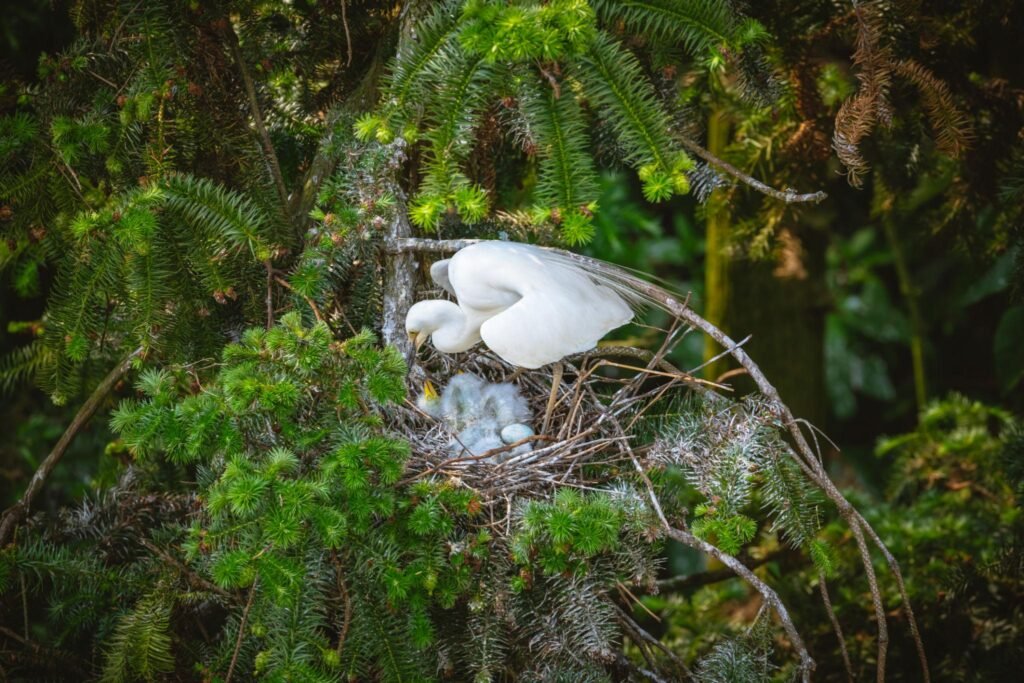
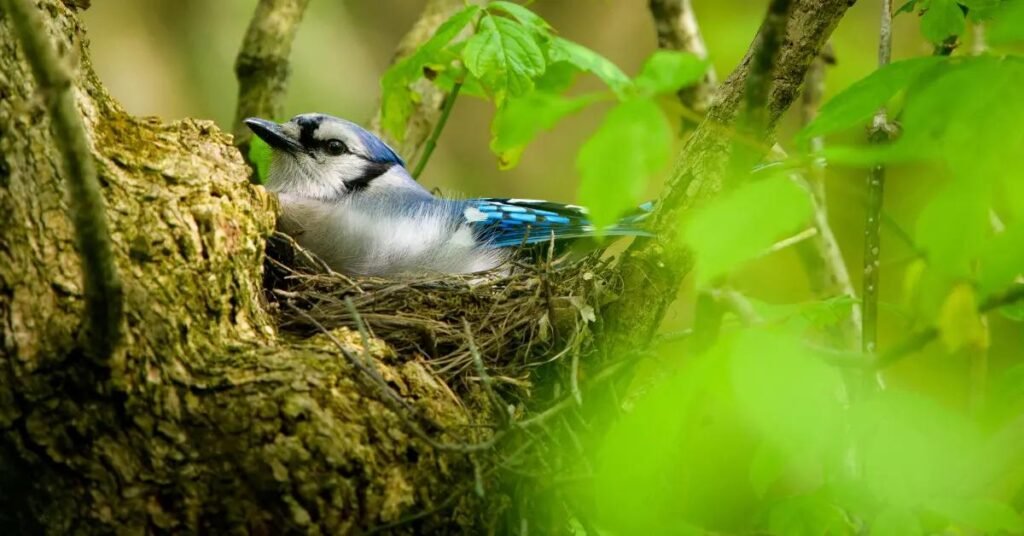
Bird nests are essential places where many species lay eggs and raise their young. A nest provides a location for incubation and, in many species, protection for chicks during their early development.
Different birds build nests using materials such as grass, leaves, twigs, moss, feathers, and mud. Others use natural cavities in trees or holes in cliffs and buildings.
Nest destruction can lead to the loss of eggs or chicks. Repeated disturbance may also cause parent birds to spend less time incubating eggs or feeding their young.
People can help by avoiding unnecessary disturbance near active nests. Tree trimming and hedge cutting should be planned carefully to avoid harming nesting birds, following local wildlife rules.
If you discover a nest, observe it from a distance rather than touching it or moving it. Adult birds may temporarily leave while searching for food, so an unattended nest does not necessarily mean it has been abandoned.
Protecting nesting places gives birds a better chance to reproduce successfully and maintain their populations.
5. How Trees and Forests Help Birds Survive
Trees are among the most valuable natural resources for many bird species. They provide nesting sites, shelter, feeding opportunities, and places to escape from predators.
Different tree species produce different resources. Some offer fruits and seeds, while others support insects that birds eat. Large, mature trees may contain cavities used by owls, parrots, woodpeckers, and other cavity-nesting species.
Dense branches and leaves also provide shelter from wind and heavy rain. In hot weather, tree shade can create cooler resting areas.
Deforestation removes these resources and may divide continuous forests into small, isolated patches. Small habitat fragments can be less suitable for species that require large territories or specific nesting conditions.
Planting trees can help, especially when native species appropriate to the area are chosen. However, planting trees does not always replace the ecological value of an old forest.
The best approach is to protect existing natural forests first, restore damaged habitats where possible, and maintain connected green spaces that allow birds to move between suitable areas.
6. Protecting Wetlands and Water Sources for Birds
Wetlands are among the most productive ecosystems in the world. They provide food, shelter, and breeding areas for many birds, including migratory species that travel long distances between seasonal habitats.
Herons may search shallow water for fish, while ducks feed on aquatic plants and small animals. Shorebirds often use muddy shorelines to find worms, crustaceans, and other invertebrates.
When wetlands are drained or polluted, these feeding opportunities can disappear. Changes in water levels may also expose nests to predators or flooding.
People can help protect wetlands by preventing waste from entering rivers and ponds, supporting wetland restoration, and encouraging responsible land-use planning.
Communities can also participate in clean-up activities and local conservation projects. Farmers and landowners may help by maintaining natural vegetation around waterways and reducing harmful chemical runoff.
Protecting wetlands benefits birds as well as fish, amphibians, plants, and people who depend on healthy water systems.
7. How Plastic Pollution Harms Birds
Plastic pollution is a serious environmental problem. Plastic bags, fishing lines, bottle caps, packaging, and other discarded materials can harm birds in several ways.
Some birds mistake small plastic pieces for food and swallow them. Plastic may cause digestive problems or make it harder for an animal to obtain sufficient nutrition.
Birds can also become entangled in fishing lines, nets, and plastic loops. Entanglement can restrict movement, cause injuries, or prevent birds from feeding normally.
Waterbirds and seabirds may be particularly exposed to plastic waste in aquatic environments, although terrestrial birds are also affected.
Reducing plastic pollution begins with preventing waste from reaching the environment. Reusable bags and containers, proper waste disposal, recycling where available, and community clean-up activities can all help.
Fishing equipment should be handled and disposed of responsibly to reduce the risk of entanglement.
Small actions become more effective when communities, businesses, and governments work together to reduce plastic waste at its source.
8. How Climate Change Affects Birds
Climate change influences bird habitats through changing temperatures, rainfall, droughts, storms, sea levels, and seasonal patterns.
Some birds migrate to areas where food is available at particular times of the year. If climate change alters the timing of insect emergence or plant growth, birds may arrive when their preferred food is less abundant.
Rising sea levels can reduce coastal habitats used by nesting seabirds and shorebirds. More frequent or intense extreme weather in some regions can damage nests, flood feeding areas, or disrupt migration.
Bird species living in specialized environments may have fewer options when conditions change. Birds adapted to cool mountain habitats, for example, may face pressure as suitable conditions shift to higher elevations.
Protecting large, connected habitats can help birds move as their environments change. Restoring wetlands, conserving forests, reducing pollution, and limiting greenhouse gas emissions are important parts of broader conservation efforts.
Although individual actions alone cannot solve climate change, collective efforts can help reduce risks to wildlife.
9. How We Can Protect Birds at Home
You do not need to live near a forest to help birds. Many useful conservation actions can begin in a garden, on a balcony, or in a neighborhood.
Plant Native Flowers and Trees
Native plants often support local insects and provide fruits, seeds, or shelter for birds. Choose plants that suit the local climate and available space.
Provide Clean Water
A shallow birdbath can provide drinking and bathing water. Place it in a suitable location, clean it regularly, and change the water frequently to reduce contamination.
Keep Food Safe
If you choose to feed birds, offer appropriate food for local species and maintain clean feeding areas. Avoid spoiled, moldy, salty, or heavily processed foods.
Feeding should not replace natural food sources or create conditions that encourage the spread of disease.
Make Windows Safer
Apply suitable external window markers or other effective collision-prevention treatments to glass that birds may mistake for open sky or vegetation.
Keep Cats From Hunting Wildlife
Keeping pet cats indoors, particularly during sensitive wildlife periods, can reduce predation on wild birds. Secure outdoor enclosures can provide cats with safe access to fresh air.
Avoid Pesticides When Possible
Reducing pesticide use can help protect insects and other organisms that many birds depend on for food. Choose safer, targeted approaches to garden pest management where appropriate.
A bird-friendly home supports wildlife while helping people develop a closer connection with nature.
10. How Farmers Can Help Protect Birds
Farmers and agricultural communities can make important contributions to bird conservation because farmland often overlaps with bird feeding and breeding areas.
Hedgerows, native trees, field margins, and small patches of natural vegetation provide food and shelter. Leaving suitable areas undisturbed can benefit ground-nesting birds and other wildlife.
Reducing unnecessary pesticide use may help maintain insect populations that provide food for birds. Responsible management of irrigation and drainage can also reduce damage to nearby wetlands and waterways.
Farmers can protect known nesting areas from disturbance during sensitive periods where practical. Conservation measures should be adapted to the local ecosystem, agricultural needs, and the species present.
In some regions, farmers can participate in habitat restoration or wildlife-friendly farming programs.
Agriculture and bird conservation do not always have to conflict. With thoughtful planning, productive farmland can sometimes support both food production and healthy bird populations.
11. Why Migratory Birds Need International Protection
Migratory birds travel between breeding grounds, feeding areas, and wintering locations. Some journeys span thousands of kilometers and cross national borders.
A bird may depend on several habitats during a single migration. Losing an important wetland or resting site along its route can make the journey more difficult, even if its breeding habitat remains protected.
This means that conservation in one country may not be enough. Countries along migration routes need to cooperate to protect important habitats and reduce threats such as illegal hunting, pollution, and dangerous infrastructure.
International agreements, including the Convention on Migratory Species and other conservation frameworks, help countries coordinate their efforts.
Local communities can contribute by protecting wetlands, reporting illegal wildlife activity where appropriate, and supporting responsible conservation projects.
Migratory birds remind us that nature connects countries and ecosystems. Protecting them requires cooperation across borders.
12. The Role of Education in Bird Conservation
Education helps people understand why birds matter and how everyday activities can affect wildlife.
Children who learn to recognize local birds may become more interested in protecting trees, keeping the environment clean, and respecting animals. Schools can organize birdwatching activities, habitat projects, and environmental awareness programs.
Community groups can share information about responsible feeding, safe nesting areas, plastic pollution, and the importance of wetlands.
Birdwatchers and nature photographers can also contribute by recording observations and participating in citizen-science projects. These records can help researchers understand where birds live, when they migrate, and how their populations change.
Responsible observation is important. People should avoid disturbing nests, chasing birds, or using methods that stress wildlife merely to obtain photographs.
Knowledge creates opportunities for action. When people understand the needs of birds, they are better equipped to support effective conservation.
13. How Governments and Conservation Organizations Protect Birds
Bird conservation often requires action beyond what individuals can accomplish alone.
Governments can protect important habitats by establishing and properly managing national parks, wildlife sanctuaries, and protected wetlands. Environmental laws can regulate harmful activities and help prevent illegal hunting or wildlife trade.
Conservation organizations conduct research, restore habitats, monitor populations, and educate communities. Some organizations also rescue injured birds and rehabilitate wildlife when suitable facilities are available.
Scientists study breeding success, migration routes, habitat loss, and population trends to identify species that need urgent attention.
Conservation plans are most effective when they use reliable scientific information and involve local communities. People who live near important habitats often have valuable knowledge and play a major role in long-term protection.
Protecting birds is a shared responsibility involving science, policy, education, and community participation.
14. Endangered Birds and Why They Need Special Care
An endangered species faces a very high risk of extinction in the wild according to recognized conservation assessments. Such birds may have small populations, restricted habitats, or declining numbers.
Habitat loss is a major cause of risk for many species. Others are threatened by hunting, pollution, invasive predators, disease, or changes in climate.
Species with specialized habitat requirements may be particularly vulnerable because they cannot easily move to a different environment.
Protecting endangered birds often involves several actions: safeguarding breeding sites, restoring habitat, preventing illegal capture, controlling invasive predators where appropriate, and monitoring population changes.
Captive breeding and reintroduction can help certain species under carefully planned programs, but these measures do not replace the need to protect suitable wild habitats.
The conservation needs of each species are different. Decisions should be based on scientific evidence and the conditions of the local ecosystem.
Every species that disappears represents a loss of natural diversity that may be impossible to reverse.
15. Simple Ways Children and Students Can Help Birds
Children and students can become important supporters of bird conservation through safe, practical activities.
They can learn to identify common birds, observe them quietly, and record which species visit a schoolyard or garden.
Students can help plant suitable native vegetation with permission from teachers or guardians. They can also participate in litter collection, environmental posters, and awareness campaigns.
Keeping outdoor areas free of plastic waste can reduce hazards for wildlife. Schools can encourage responsible waste management and discuss why birds need trees, clean water, and safe nesting places.
Children should not handle wild birds, climb to reach nests, or attempt to rescue injured wildlife without adult supervision and appropriate expert advice.
Small educational projects can inspire lifelong respect for animals and the environment.
When young people understand the value of biodiversity, they can share that knowledge with families, friends, and their wider communities.
16. The Future of Birds Depends on Us
The future of birds depends partly on the choices people make today. Growing cities, changing agricultural practices, pollution, and climate change place pressure on many natural environments.
However, successful conservation efforts show that positive change is possible. Protecting important habitats, restoring degraded ecosystems, reducing harmful pollution, and enforcing wildlife protection laws can help birds recover.
Communities can support conservation by preserving trees, caring for local wetlands, making buildings safer for wildlife, and reporting illegal activities through appropriate channels.
It is also important to recognize that conservation is not simply about saving individual birds. It involves maintaining the natural systems that provide food, clean water, healthy soil, and suitable habitats for many species.
By combining scientific knowledge with local action and international cooperation, people can help create a future in which birds continue to thrive.
The decisions we make now will influence whether future generations can enjoy the sight of birds flying freely across forests, wetlands, fields, and open skies.
Frequently Asked Questions (FAQ)
Why is protecting birds and their natural habitats important?
Birds support ecosystems through seed dispersal, insect control, pollination by certain species, and other ecological roles. Protecting their habitats also helps conserve biodiversity.
What is the biggest threat to wild birds?
Habitat loss and degradation are major threats to many bird species. Other serious threats include pollution, climate change, invasive species, hunting, and collisions with human-made structures.
How can I help birds in my garden?
Plant native vegetation, provide clean water, keep feeding areas hygienic, reduce pesticide use, and make windows safer to help prevent collisions.
Why are trees important for birds?
Trees provide nesting sites, shelter, resting places, and food resources such as fruits, seeds, and insects.
How does plastic pollution harm birds?
Birds may swallow plastic or become entangled in discarded materials. These hazards can cause injury, interfere with feeding, and sometimes lead to death.
How can we protect endangered birds?
Protecting and restoring habitat, preventing illegal hunting and capture, controlling invasive threats where appropriate, and monitoring populations can support endangered species.
Why do migratory birds need international protection?
Migratory birds travel across national borders and depend on multiple habitats along their routes. International cooperation helps protect these connected environments.
Can students contribute to bird conservation?
Yes. Students can learn about local birds, plant native vegetation with permission, reduce litter, join educational projects, and encourage their communities to protect wildlife.
Conclusion
Protecting Birds and Their Natural Habitats is essential for preserving biodiversity and maintaining healthy ecosystems. Birds need forests, wetlands, grasslands, rivers, and other suitable environments where they can find food, build nests, raise their young, and move safely through the landscape.
Unfortunately, habitat destruction, pollution, climate change, illegal hunting, and other human activities threaten many bird species. These problems cannot be solved by one person or organization alone, but meaningful progress is possible when individuals, communities, scientists, governments, and conservation groups work together.
We can all make a difference by planting native trees, protecting wetlands, reducing plastic waste, keeping our surroundings clean, making windows safer, and respecting birds in their natural environments.
Every tree preserved, every habitat restored, and every harmful activity prevented can contribute to a healthier world for wildlife.
Birds are not merely beautiful visitors to our gardens and skies. They are living parts of the ecosystems on which people and other species depend.
Let us protect birds today so that future generations can continue to hear their songs, observe their remarkable behavior, and enjoy their freedom in the natural world.
Call to Action: What steps do you take to protect birds and their habitats? Share your ideas in the comments, and follow our blog for more bird facts, wildlife stories, and nature conservation tips.