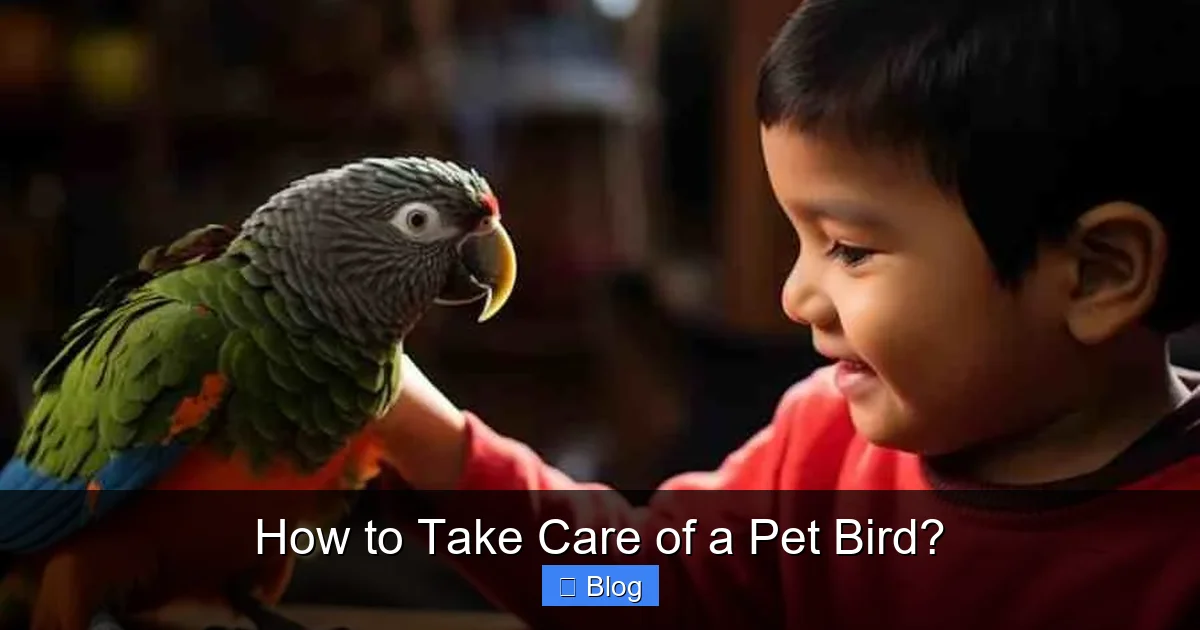
Caring for a pet bird is a rewarding experience that involves commitment and understanding their unique needs. This guide covers everything from providing a safe, stimulating habitat and a balanced diet to maintaining their health, encouraging social interaction, and recognizing signs of illness. Following these guidelines will help you build a strong, lasting bond with your beloved feathered companion.
How to Take Care of a Pet Bird?
Bringing a pet bird into your home is an incredibly joyful and enriching experience. These intelligent, vibrant creatures can become cherished members of your family, offering companionship, amusement, and even a unique form of communication. However, unlike cats or dogs, pet birds have distinct needs that require a specific understanding and commitment. Many first-time bird owners might feel a little overwhelmed, wondering exactly how to take care of a pet bird properly. But don’t worry, it’s easier than you might think once you learn the basics!
Caring for a pet bird goes beyond just providing food and water. It involves creating a stimulating environment, ensuring proper nutrition, maintaining their health, and fostering a strong, trusting bond through daily interaction. With the right knowledge and dedication, you can provide a loving home where your feathered friend can thrive, live a long, happy life, and bring immense joy to yours. This comprehensive guide will walk you through every essential aspect of how to take care of a pet bird, ensuring you’re well-equipped for your avian adventure.
Let’s dive into the specifics of how to take care of a pet bird, covering everything from habitat to health, and how to create a lasting connection with your avian companion.
Key Takeaways
- Proper Cage Setup is Crucial: Choose the largest appropriate cage, ensure safe bar spacing, and equip it with perches of varying textures and sizes, toys, food/water dishes, and a bird bath.
- Balanced Nutrition is Key: Provide a high-quality pelleted diet as a base, supplemented with fresh fruits, vegetables, and occasional seeds. Avoid avocado, chocolate, and caffeine.
- Maintain Excellent Hygiene: Daily cleaning of food/water dishes and weekly cage cleaning are vital to prevent bacterial growth and maintain your bird’s health.
- Mental and Physical Enrichment are Essential: Offer a variety of toys, provide opportunities for flight or supervised out-of-cage time, and engage with your bird daily through talking, singing, or training.
- Monitor Your Bird’s Health Closely: Be alert for subtle changes in behavior, appetite, droppings, or appearance, as birds often hide illness. Regular vet check-ups are also important.
- Socialization and Training Build Bonds: Spend quality time with your bird, teach simple commands, and encourage interaction to foster trust and prevent behavioral issues.
Quick Answers to Common Questions
How often should I clean my bird’s cage?
You should clean food and water dishes daily. A full, thorough cage cleaning, including scrubbing the bottom and sides, should be done at least once a week.
What are the signs of a happy bird?
A happy bird will often be active, playful, have bright eyes, sleek feathers (unless molting), and engage in vocalizations and preening. They might also interact positively with you.
Can my bird eat human food?
Yes, many fresh fruits and vegetables are safe, but avoid processed foods, sugary items, avocado, chocolate, caffeine, and alcohol. Always research before offering new foods.
How do I stop my bird from biting?
Biting often stems from fear, territoriality, or overstimulation. Understand their body language, avoid provoking situations, use positive reinforcement for desired behaviors, and ensure they have enough enrichment.
Do birds need playtime outside their cage?
Yes, supervised out-of-cage time is highly beneficial for most pet birds. It provides essential exercise, mental stimulation, and opportunities for social interaction outside their primary habitat.
📑 Table of Contents
Creating the Perfect Habitat: Cage and Environment
The cornerstone of how to take care of a pet bird successfully starts with their living space. A proper cage isn’t just a container; it’s their home, their sanctuary, and their playground.
Choosing the Right Cage
Size truly matters! Always choose the largest cage you can reasonably accommodate. A bird needs space to spread its wings, climb, play, and move around comfortably. For smaller birds like parakeets or finches, a minimum of 18″W x 18″D x 18″H is recommended, but bigger is always better. For larger birds like cockatiels or conures, cages upwards of 24″W x 24″D x 30″H are necessary, and even larger for parrots. The bar spacing is also critical; it should be narrow enough to prevent your bird from sticking its head through or escaping.
Cage Placement and Setup
Place the cage in an active, but not overly noisy, part of your home. Birds are social creatures and enjoy being part of family life. Avoid direct sunlight, drafts, and areas near strong fumes (like in the kitchen if you use non-stick cookware, which can emit toxic fumes when overheated). Cover the cage at night to ensure your bird gets 10-12 hours of uninterrupted sleep, mimicking natural darkness.
Inside the cage, provide a variety of perches made from different materials (natural branches, rope, concrete, wood) and thicknesses. This helps keep their feet healthy and prevents pressure sores. Include a few engaging toys that are appropriate for your bird’s species and size – rotate them regularly to keep things interesting. Don’t forget easily accessible food and water dishes, preferably stainless steel or ceramic, which are easy to clean and sanitize. A bird bath or misting bottle for bathing is also a great addition.
Nutrition Matters: What to Feed Your Feathered Friend
Visual guide about How to Take Care of a Pet Bird?
Image source: thayerbirding.com
Understanding how to take care of a pet bird’s nutritional needs is paramount for their longevity and vitality. A balanced diet is essential.
The Foundation: Pellets vs. Seeds
For many years, bird seed mixes were considered the standard diet. However, most veterinarians now recommend a high-quality, commercially formulated pelleted diet as the primary food source (around 60-80% of their diet). Pellets are nutritionally complete and prevent birds from picking out only their favorite, often fatty, seeds. Introduce pellets gradually if your bird is accustomed to seeds. Seeds can be offered as treats in moderation.
Fresh Fruits and Vegetables
Complement the pelleted diet with a daily variety of fresh fruits and vegetables (20-40% of their diet). Wash all produce thoroughly. Great options include:
- Vegetables: Leafy greens (kale, spinach, romaine lettuce), carrots, broccoli, bell peppers, sweet potatoes, peas.
- Fruits: Apples (remove seeds!), berries, melon, bananas, oranges, grapes.
Avoid avocado, chocolate, alcohol, caffeine, and fruit seeds (like apple or cherry seeds, which contain cyanide). Onions, garlic, and mushrooms are also toxic.
Water and Supplements
Always provide fresh, clean water daily. Change it multiple times a day if it becomes soiled. While a balanced diet generally provides all necessary nutrients, consult your avian vet about whether your specific bird might benefit from a calcium block, cuttlebone, or a vitamin supplement.
Health and Hygiene: Keeping Your Bird Well
A key part of how to take care of a pet bird involves proactive health management and diligent hygiene practices. Birds are delicate and can quickly succumb to illness if not properly cared for.
Daily Cleaning Routine
Food and water dishes should be cleaned daily with hot, soapy water and thoroughly rinsed. Consider having multiple sets so you can rotate them. Remove any uneaten fresh foods within a few hours to prevent spoilage.
Weekly Cage Maintenance
Once a week, perform a thorough cage cleaning. Remove all perches, toys, and accessories. Scrub the cage bottom, grates, and sides with a bird-safe disinfectant (or a dilute bleach solution followed by thorough rinsing and drying). Replace cage liners daily or every other day. Good hygiene is non-negotiable when you learn how to take care of a pet bird.
Recognizing Signs of Illness
Birds are masters at hiding illness as a survival instinct. By the time symptoms are obvious, the bird may be severely ill. Regular observation is crucial. Watch for subtle changes such as:
- Changes in appetite or thirst
- Fluffed feathers, lethargy, or sleeping more than usual
- Changes in droppings (color, consistency, volume)
- Discharge from nostrils or eyes
- Difficulty breathing (tail bobbing)
- Drooping wings or lameness
- Any lumps, bumps, or feather loss
If you notice any of these signs, contact an avian veterinarian immediately. Early intervention can make a huge difference.
Regular Vet Check-ups
Just like dogs and cats, pet birds benefit from annual check-ups with an avian veterinarian. These visits allow the vet to assess your bird’s overall health, provide preventative care, and address any potential issues before they become serious. Finding a vet experienced in avian medicine is a critical step in how to take care of a pet bird.
Socialization and Enrichment: A Happy, Stimulated Bird
Birds are incredibly intelligent and social creatures. Neglecting their mental and emotional needs can lead to behavioral problems and stress. Understanding how to take care of a pet bird means providing ample opportunities for interaction and stimulation.
Daily Interaction and Bonding
Spend quality time with your bird every day. Talk to them, sing to them, or gently offer treats. Many birds enjoy being petted (ensure you know the appropriate areas, usually the head and neck, to avoid hormonal stimulation). Some birds enjoy “shoulder time” or simply being near their human companions. Consistent, positive interaction builds trust and strengthens your bond.
Toys and Playtime
Provide a variety of bird-safe toys that encourage different types of play: chewing, climbing, foraging, and problem-solving. Rotate toys regularly to prevent boredom. Consider toys made of wood, natural fibers, shreddable materials, and foraging toys that hide treats. Make sure toys are free of small parts that could be ingested or sharp edges.
Out-of-Cage Time
If safe and practical for your bird’s species, supervised out-of-cage time is vital for physical exercise and mental stimulation. Ensure the room is bird-proofed: close windows and doors, turn off ceiling fans, remove toxic plants, and cover any open water sources. This allows them to stretch their wings, explore, and burn off energy. This is a vital aspect of how to take care of a pet bird’s well-being.
Training and Mental Stimulation
Many birds enjoy learning tricks or simple commands. Positive reinforcement training (using treats and praise) can be a fun way to interact and stimulate your bird’s mind. Teaching them to step up on your finger or a perch is a fundamental skill that makes handling much easier and safer.
Understanding Bird Behavior and Common Issues
Part of how to take care of a pet bird effectively is learning to interpret their unique behaviors. This helps you understand their moods, needs, and potential problems.
Common Bird Behaviors
- Preening: Birds meticulously clean and oil their feathers. This is a sign of good health. Over-preening or feather plucking, however, can indicate stress, illness, or boredom.
- Molting: Birds periodically shed old feathers and grow new ones. This can make them a bit irritable or lethargic. Ensure they have a good diet during this time.
- Vocalizations: Chirping, squawking, talking, or singing are all normal forms of communication. Learn what different sounds mean for your specific bird.
- Body Language: A relaxed bird might have slightly fluffed feathers, soft eyes, and be content. An agitated bird might have pinned eyes, ruffled neck feathers, and be hunched.
Addressing Behavioral Challenges
If your bird develops undesirable behaviors like biting, screaming, or feather plucking, it’s essential to identify the underlying cause. Often, these behaviors stem from:
- Boredom or Lack of Stimulation: Increase toy rotation, interaction, and foraging opportunities.
- Lack of Socialization: Spend more consistent, positive time with your bird.
- Dietary Deficiencies: Review their diet with an avian vet.
- Environmental Stress: Assess cage placement, noise levels, or perceived threats.
- Medical Issues: Always rule out a health problem with a vet visit first.
Understanding and addressing these issues is a key part of how to take care of a pet bird properly. Patience and consistency are your best tools.
Conclusion: A Lifelong Bond
Learning how to take care of a pet bird is a continuous journey of discovery and dedication. These magnificent creatures offer so much joy, personality, and companionship. By providing a safe, stimulating environment, a nutritious diet, vigilant health care, and plenty of positive social interaction, you are setting the foundation for a long and happy life together.
Remember, each bird is an individual with its own unique personality and needs. Observe your feathered friend closely, listen to their subtle cues, and always prioritize their well-being. With love, patience, and the practical knowledge outlined in this guide, you’ll not only learn how to take care of a pet bird but also forge an extraordinary bond that will enrich both your lives for many years to come. Enjoy every moment with your delightful avian companion!
Frequently Asked Questions
What is the best type of bird for a beginner?
For beginners, species like budgerigars (parakeets), cockatiels, and finches are often recommended. They are generally smaller, easier to care for, and have less complex needs than larger parrots, making them a great way to learn how to take care of a pet bird.
How do I know if my bird is getting enough sleep?
Most pet birds need 10-12 hours of uninterrupted sleep per night. If your bird is lethargic, irritable, or fluffed during the day, it might not be getting enough rest. Ensure their cage is covered in a quiet, dark room at night.
What kind of perches should I use in my bird’s cage?
Offer a variety of perches made from different materials (wood, rope, concrete) and varying diameters. This prevents foot problems and provides exercise. Avoid dowel perches as the sole option, as they can cause pressure sores.
Is it okay for my bird to eat seeds?
While seeds can be a treat, they should not be the primary diet. A high-quality pelleted diet should form 60-80% of your bird’s food, supplemented with fresh fruits and vegetables. Seeds are often high in fat and low in essential nutrients.
How often should I take my bird to the vet?
It’s highly recommended to take your pet bird for an annual check-up with an avian veterinarian. Regular vet visits are crucial for preventive care, early detection of illnesses, and ensuring your bird remains healthy and thriving.
My bird plucks its feathers. What could be the cause?
Feather plucking can be caused by various factors, including stress, boredom, poor diet, skin irritation, or underlying medical conditions. It’s essential to consult an avian vet to rule out health issues and then address environmental or behavioral factors.