
Birds nesting in the wrong places can cause quite a mess and damage, but don’t worry, there are plenty of humane ways to stop them. The key is a multi-pronged approach combining physical barriers, effective deterrents, and smart habitat modifications to make your property less inviting. Remember to act before nesting begins and always check local wildlife laws to ensure you’re protecting both your home and the birds responsibly.
Ever found yourself watching a pair of industrious birds building a cozy little home right where you absolutely don’t want it? Maybe it’s under your eaves, inside a ventilation duct, or even in that lovely hanging basket by your front door. While we all love our feathered friends, sometimes their choice of real estate just doesn’t work for us. The mess, the noise, the potential damage to your property – it can be a real headache. But don’t worry, you’re not alone, and there are plenty of humane and effective ways to stop birds from nesting where they’re not welcome.
The good news is that preventing birds from nesting is usually much easier than removing an active nest, which often comes with legal and ethical challenges. This article is your comprehensive guide to understanding why birds choose certain spots, what you can do to make your property less inviting, and how to implement practical solutions to stop birds from nesting without causing them harm. We’ll explore everything from simple DIY tricks to more advanced deterrents, ensuring you can reclaim your space peacefully.
Before we dive into the nitty-gritty, it’s important to remember that our goal is not to harm birds, but to gently encourage them to find a more suitable, less problematic nesting site. Most native bird species are protected by law, especially once they’ve started building a nest or laying eggs. So, timing and method are everything. Let’s get started on creating a bird-free zone where you need it most!
Key Takeaways
- Timing is Crucial: The most effective way to stop birds from nesting is to implement deterrents and preventative measures *before* they start building a nest. Once eggs are laid or young are present, disturbing the nest is often illegal and inhumane.
- Understand Bird Attractants: Identify what makes your property appealing to birds – be it sheltered spots, food sources, water, or available nesting materials. Eliminating these attractants is a fundamental step in prevention.
- Utilize Physical Barriers: Bird netting, spikes, and sealing entry points are highly effective methods to physically block access to preferred nesting sites like eaves, vents, ledges, and open structures.
- Employ a Variety of Deterrents: Birds can become accustomed to single deterrents. Combine visual (shiny objects, predator decoys), auditory (ultrasonic devices, distress calls), and tactile (gel repellents) methods for better long-term success in keeping them away.
- Modify Your Habitat: Regularly trim trees and bushes, remove stagnant water sources, and keep outdoor areas clean of food scraps or potential nesting materials to make your environment less appealing for nesting.
- Check Local Laws: Before taking any action, be aware of federal, state, and local laws regarding migratory birds and their nests, especially the Migratory Bird Treaty Act (MBTA) in the U.S., which protects most native bird species.
- Consider Professional Help: For persistent problems, large properties, or complex situations, a professional bird control specialist can offer expert advice and implement advanced, humane solutions.
Quick Answers to Common Questions
Can I remove a bird’s nest once it’s built?
No, once a bird has started building a nest, or especially if there are eggs or chicks, it is generally illegal to disturb or remove it under laws like the Migratory Bird Treaty Act in the U.S. It’s best to wait until the nesting season is over and the nest is abandoned before removing it and implementing prevention measures.
What’s the best time of year to prevent birds from nesting?
The best time is in late winter or early spring, before birds begin their nesting rituals. This allows you to install barriers and deterrents before they even start scouting for potential nesting sites.
Are bird spikes harmful to birds?
No, bird spikes are designed to be humane. They consist of blunt prongs that simply make it uncomfortable or impossible for birds to land on a surface, not to injure them. They act as a physical deterrent.
Do ultrasonic bird repellents actually work?
The effectiveness of ultrasonic bird repellents is highly debated and often varies. Some studies suggest birds can habituate to the sounds quickly, while others claim some success. They are often best used as part of a multi-faceted deterrence strategy rather than as a standalone solution.
What if birds are nesting in my dryer vent?
If you find an active nest in your dryer vent, you should not remove it yourself due to legal protections. Once the nesting season is over and the birds have left, clean out the vent thoroughly and then install a bird-proof screen or cap over the exterior opening to prevent future nesting.
📑 Table of Contents
Understanding Why Birds Choose Your Property
To effectively stop birds from nesting, you first need to think like a bird. What makes your home or garden such an attractive spot for them to raise a family? Birds are looking for three main things: shelter, security, and proximity to food and water. If your property offers an abundance of these, it becomes prime real estate for nesting.
Common Nesting Locations
Birds are incredibly resourceful and can build nests in some surprising places. Common problem areas include:
- Eaves and Overhangs: These offer excellent protection from rain, sun, and predators.
- Gutters and Downspouts: Often filled with leaves and debris, providing ready-made nesting material and a secure base.
- Vents and Chimneys: Warm, dark, and protected, these are perfect for many species.
- Attics and Garages: If there are small openings, birds can find their way in, seeking a quiet, undisturbed space.
- Porches and Patios: Hanging baskets, light fixtures, or decorative elements can be repurposed for nests.
- Sheds and Outbuildings: Any open structure offers shelter.
- Dense Shrubs and Trees Near the House: While natural nesting spots, they can sometimes be too close for comfort.
Attractants to Eliminate
Beyond the physical structure, certain things can make your property a bird magnet:
- Food Sources: Bird feeders, pet food left outdoors, fallen fruit from trees, or even accessible trash cans.
- Water Sources: Bird baths, leaky faucets, or standing water in planters.
- Nesting Materials: Loose twigs, leaves, pet hair, string, or even insulation fibers.
By identifying and addressing these attractants, you take a significant step towards how to stop birds from nesting on your property.
Ethical and Legal Considerations Before You Act
Before you start putting up netting or moving nests, it’s absolutely critical to understand the rules and act responsibly. Our goal is to gently persuade birds to nest elsewhere, not to harm them.
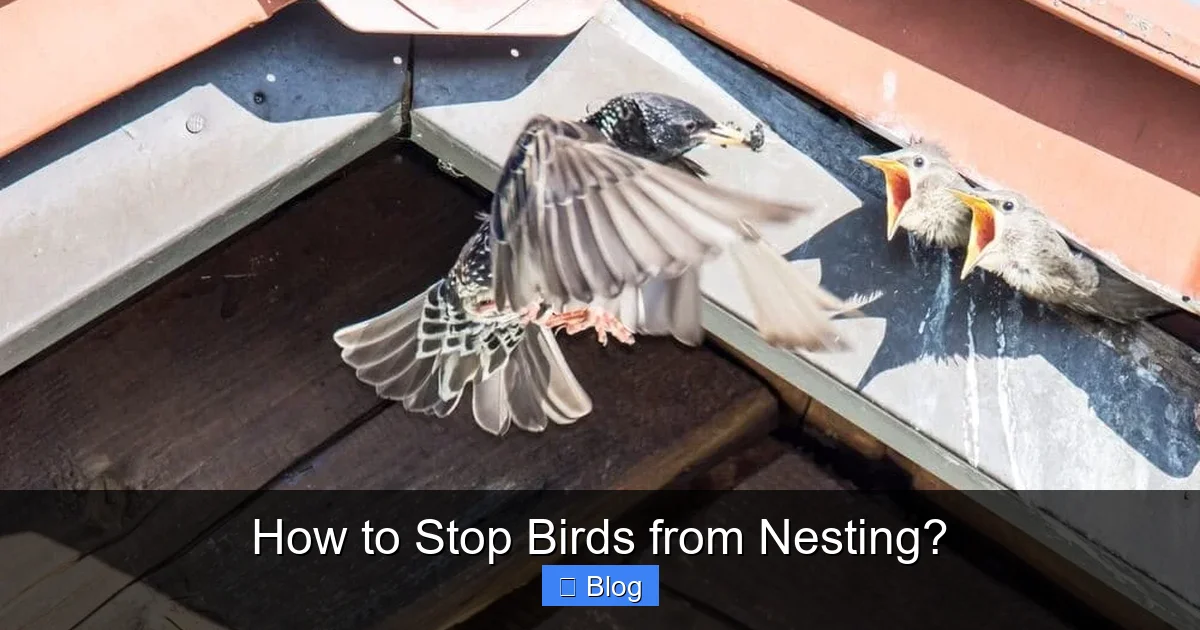
Visual guide about How to Stop Birds from Nesting?
Image source: qldsheetmetal.com.au
Migratory Bird Treaty Act and Local Laws
In the United States, most native bird species are protected under the Migratory Bird Treaty Act (MBTA). This federal law makes it illegal to “take” (which includes hunting, capturing, killing, or possessing) any migratory bird, their nests, or their eggs without a permit. This means that once a bird has started building a nest, and especially once eggs are laid or chicks are present, you generally cannot disturb or remove it. Similar laws exist in many other countries. Always check your local, state, and federal regulations before acting. Ignorance of the law is not an excuse!
Timing is Everything
This is perhaps the most important tip on how to stop birds from nesting: act early! The best time to implement preventative measures is before nesting season even begins, usually in late winter or early spring, or immediately as you notice birds showing interest in a spot but before any nesting material is present. If you see a bird repeatedly visiting a spot, carrying twigs or other materials, that’s your cue to spring into action. Once construction begins, and definitely once eggs are present, your options become severely limited and potentially illegal.
Physical Barriers: The First Line of Defense
When it comes to how to stop birds from nesting, physical exclusion is often the most effective and humane method. If birds can’t physically access a spot, they can’t build a nest there.
Bird Netting
Bird netting is a simple yet powerful tool. It’s especially useful for larger areas like under eaves, canopies, or even over entire fruit trees. Ensure the netting is taut and securely fastened so birds can’t get tangled or squeeze through gaps. The mesh size should be appropriate for the type of bird you’re trying to deter. For smaller birds like sparrows or starlings, a smaller mesh size will be needed.
- Installation Tips: Stretch the net tightly and secure it with staples, zip ties, or specialized clips. Make sure there are no gaps for birds to get trapped behind.
- Best for: Large open spaces, eaves, roofs, gardens, preventing birds from entering sheds or garages.
Bird Spikes and Wires
Don’t let the name scare you! Bird spikes are not sharp and don’t harm birds. They consist of blunt, stainless steel or plastic prongs that make it uncomfortable or impossible for birds to land on ledges, railings, fences, or other flat surfaces. Similarly, bird wires create an unstable landing surface.
- Installation Tips: Attach spikes with adhesive, screws, or zip ties to ledges, sills, beams, and gutters. Ensure they cover the entire landing surface.
- Best for: Ledges, window sills, beams, signs, statues, air conditioning units – any flat surface where birds like to perch or nest.
Sealing Entry Points
One of the most effective strategies to stop birds from nesting inside your home or outbuildings is to simply seal off their access points. Birds only need a small gap to squeeze through.
- Vents and Chimneys: Install bird-proof screens or caps on all vents (bathroom, dryer, attic) and chimneys. Check them regularly for damage.
- Attics and Eaves: Repair any holes, cracks, or gaps in your siding, soffits, and fascia boards. Use expanding foam sealant for smaller gaps, or mesh for larger openings.
- Openings in Walls: Inspect your home for any small holes where pipes or wires enter and seal them up.
- Garages and Sheds: Keep garage doors closed when not in use. Consider installing mesh screens on open windows or vents.
Regular inspection and maintenance of your home’s exterior can prevent many bird nesting issues before they even begin.
Repellents and Deterrents: Making Your Space Uninviting
Once you’ve blocked off access with physical barriers, the next step in how to stop birds from nesting is to make the remaining areas unpleasant for them. A multi-sensory approach often works best, as birds can get used to a single type of deterrent.
Visual Deterrents
Birds are often wary of anything that looks like a predator or is unusually shiny and reflective.
- Shiny Objects: Hang old CDs, aluminum foil strips, reflective tape, or Mylar balloons near problem areas. The flashing light and movement can scare birds away.
- Predator Decoys: Plastic owls, hawks, or snakes can be effective, but remember to move them frequently (daily if possible) to prevent birds from realizing they’re not real.
- Scarecrows: While traditional, modern scarecrows can incorporate reflective elements and movement.
- Eye-Spot Balloons: These balloons feature large, intimidating “eyes” that mimic predators and sway in the wind.
Auditory Deterrents
Sounds can also make an area undesirable for birds. These work best when used intermittently to prevent habituation.
- Ultrasonic Devices: These emit high-frequency sounds that are supposedly irritating to birds but inaudible to humans. Their effectiveness varies and is often debated.
- Distress Call Devices: These play recordings of bird distress calls or predator sounds. They can be very effective but should be used sparingly to avoid disturbing neighbors.
- Wind Chimes: While not designed as deterrents, some birds may find the unexpected sounds unpleasant.
Tactile and Scent Repellents
Some repellents work by making surfaces sticky or emitting scents birds dislike.
- Bird Repellent Gels: These non-toxic, sticky gels make landing surfaces uncomfortable for birds. They are transparent and can be applied to ledges, sills, and beams. Reapply as needed.
- Scent Repellents: Birds generally dislike strong smells like peppermint oil, cayenne pepper, or garlic. You can try spraying diluted solutions of these around problem areas, though they require frequent reapplication, especially after rain.
Water-Based Deterrents
Unexpected bursts of water can be very effective at startling and deterring birds, particularly in gardens or near specific nesting spots.
- Motion-Activated Sprinklers: These clever devices detect movement and spray a burst of water, scaring birds away without harming them. They are excellent for protecting specific garden areas.
The key to successful deterrence is variety and inconsistency. Birds are smart; they’ll quickly learn if a deterrent poses no real threat. Combining different types of deterrents and changing their placement or timing will yield the best results when trying to stop birds from nesting.
Habitat Modification: Long-Term Prevention
Beyond immediate deterrents, making long-term changes to your property’s landscape and resources can significantly reduce its appeal to nesting birds. This is a proactive way to stop birds from nesting season after season.
Landscaping for Prevention
Your garden and yard can either invite or deter birds. Thoughtful landscaping choices make a big difference.
- Trim Trees and Shrubs: Regularly prune dense trees and bushes, especially those close to your house. This reduces sheltered spots where birds might build nests. Thinning out branches also makes them less appealing.
- Remove Dead Foliage: Clear away dead branches, leaves, and other debris that could serve as nesting material.
- Choose Bird-Unfriendly Plants: While you might love birds, planting thorny bushes or plants with open canopies near your home can make them less desirable nesting locations.
Eliminating Resources
If birds can’t find food, water, or nesting materials readily available, they’re less likely to settle down.
- Remove Food Sources:
- Take down bird feeders, or at least move them far away from your house.
- Clean up fallen berries, nuts, or fruit promptly.
- Secure trash cans with tight-fitting lids.
- Don’t leave pet food outside.
- Eliminate Water Sources:
- Remove bird baths, or empty them regularly.
- Fix leaky outdoor faucets and irrigation systems.
- Ensure there’s no standing water in planters or outdoor containers.
- Reduce Nesting Materials:
- Keep your yard tidy. Rake up leaves, twigs, and grass clippings.
- If you have pets, regularly clean up pet hair from outdoor areas.
- Store construction materials, lumber, and other debris in sealed containers or covered areas.
These habitat modifications are crucial for how to stop birds from nesting long-term by reducing the overall desirability of your property.
Professional Help and Advanced Solutions
Sometimes, despite your best efforts, you might still struggle with persistent bird nesting issues, or the problem might be too large or complex to handle on your own.
When to Call the Experts
Consider bringing in a professional bird control specialist if:
- The Problem is Severe or Persistent: If you have a large flock of birds consistently trying to nest, or if DIY methods haven’t worked after consistent application.
- Access is Difficult or Dangerous: Nests in high places (e.g., tall chimneys, steep roofs) require specialized equipment and safety training.
- You’re Dealing with Protected Species: If you suspect the birds are a protected or endangered species, or if an active nest requires legal removal (which is rare and requires permits), professionals are equipped to handle this lawfully.
- Large Commercial Properties: Businesses often have unique challenges and stricter regulations regarding pest control.
Advanced Bird Control Systems
Professionals have access to a wider range of solutions, including:
- Electric Track Systems: Low-profile systems that deliver a mild, harmless shock to deter birds from perching.
- Optical Gel: A multi-sensory repellent that deters birds visually (looks like fire), by touch (sticky), and by smell (peppermint/citronella oil).
- Fogging/Misting Systems: For larger areas, these can disperse bird repellent into the air.
- Specialized Netting and Exclusion Devices: Custom-fit solutions for complex architectural features.
A professional can assess your specific situation, identify the bird species involved, and recommend the most effective, humane, and legal strategies to stop birds from nesting on your property.
Conclusion
Dealing with birds trying to nest in inconvenient places can be frustrating, but with a strategic and humane approach, you can effectively manage the situation. The key is prevention – acting before nesting begins and making your property less attractive to our feathered friends.
Remember to combine various methods: start by understanding why birds are attracted to your space, implement physical barriers to block access, use a combination of visual and auditory deterrents to make the area unappealing, and make long-term habitat modifications. Always prioritize humane methods and be mindful of local and federal wildlife protection laws, especially the Migratory Bird Treaty Act. By doing so, you can successfully stop birds from nesting where you don’t want them, ensuring both your peace of mind and the well-being of the birds. Good luck creating a bird-free zone in the areas you need it most!
Frequently Asked Questions
What causes birds to choose certain nesting spots on my property?
Birds select nesting spots based on several factors, including shelter from predators and weather, proximity to food and water sources, and the availability of suitable nesting materials. They look for secure, undisturbed locations like eaves, vents, or dense shrubs.
Is it always illegal to remove a bird’s nest?
In many regions, particularly the U.S. under the Migratory Bird Treaty Act, it is illegal to disturb or remove active nests (those with eggs or young) of most native bird species without a permit. If a nest is empty and abandoned outside of nesting season, it can usually be removed, but always confirm local regulations first.
How effective are shiny objects or predator decoys in deterring birds?
Shiny objects (like old CDs or reflective tape) and predator decoys (like plastic owls) can be effective initially, as birds perceive them as threats or unusual disturbances. However, birds are intelligent and can quickly habituate if the deterrents are static. To maintain effectiveness, move them frequently or combine them with other methods.
Can trimming trees and shrubs really help stop birds from nesting?
Yes, regular trimming and thinning of dense trees and shrubs, especially those close to your home, can significantly reduce available sheltered spots that birds prefer for nesting. It removes cover and makes the area less appealing as a secure home site.
What’s the most humane way to prevent bird nesting?
The most humane way is through early prevention using physical barriers and deterrents before nesting begins. This includes installing netting or spikes, sealing entry points, and removing attractants like food and water. These methods encourage birds to find natural, less problematic nesting sites without causing them harm.
When should I consider calling a professional for bird control?
You should consider calling a professional bird control specialist if you have a persistent or severe nesting problem, if nests are in hard-to-reach or dangerous locations, or if you’re dealing with protected species. Professionals can offer tailored, effective, and legally compliant solutions for complex situations.