
Dealing with pesky birds? This guide offers a comprehensive look at how to scare birds away effectively and humanely. You’ll discover a range of practical strategies, from visual deterrents like reflective tape to auditory scare tactics and physical barriers, ensuring your property remains bird-free without harm.
Oh, the joys of nature! Birds singing, flitting about – it’s often a beautiful sight. But let’s be honest, sometimes those feathered friends become more of a nuisance than a delight. Whether they’re pecking at your ripening tomatoes, leaving droppings all over your freshly washed car, or building nests in inconvenient places, you might find yourself thinking, “How can I scare birds away without hurting them?”
You’re not alone! Many homeowners, gardeners, and business owners face this very challenge. The good news is that there are plenty of humane and effective ways to encourage birds to find another spot to hang out. This comprehensive guide is all about sharing those secrets with you. We’ll explore a variety of methods, from simple DIY tricks to more advanced solutions, all designed to help you reclaim your space peacefully.
The key to successfully scaring birds away is understanding their behavior and being persistent. Birds are clever creatures and can quickly get used to static deterrents. That’s why a multi-faceted approach, often involving a combination of different tactics, tends to work best. So, let’s dive in and discover how you can keep those persistent birds from making themselves too comfortable on your property!
Key Takeaways
- Understanding Bird Behavior is Key: Before you try to scare birds away, figure out why they are attracted to your property. Removing food, water, and shelter sources can be your first and most effective step.
- Combine Deterrent Methods: Birds are smart and adapt quickly. Using a combination of different visual, auditory, and physical deterrents together, and rotating them, prevents birds from getting used to any single method.
- Visual Deterrents are Versatile: Reflective tape, predator decoys, scarecrows, and shiny objects are great for confusing and startling birds. Place them strategically and move them around regularly for best results.
- Auditory Solutions Offer Variety: From high-tech ultrasonic devices and distress calls to simple wind chimes, sound can effectively drive birds off. Be mindful of noise pollution for neighbors when using louder options.
- Physical Barriers Provide Long-Term Protection: Netting, bird spikes, and specialized screens offer reliable, permanent solutions to block birds from perching or nesting in unwanted areas. These are excellent for targeted protection.
- Habitat Modification is Crucial for Prevention: Reducing access to food (like fallen fruit or pet food), securing trash cans, and trimming dense foliage can make your property less inviting to birds from the start.
- Patience and Persistence Pay Off: Scaring birds away isn’t always a one-time fix. It requires consistent effort, observation, and adjustment of your chosen methods to achieve lasting results.
Quick Answers to Common Questions
What is the most humane way to scare birds away?
The most humane ways involve non-lethal deterrents like visual scare devices (reflective tape, predator decoys), auditory repellents (distress calls), or physical barriers (netting, bird spikes) that simply make an area uncomfortable or inaccessible without causing harm.
Do ultrasonic bird repellers really work?
The effectiveness of ultrasonic bird repellers is debated. While some users report success, others find birds quickly adapt. They work best in enclosed spaces without many obstacles and should be used as part of a multi-faceted approach.
How can I stop birds from eating my fruit?
The most effective way to stop birds from eating your fruit is by using physical barriers like bird netting draped over your fruit trees or bushes. Reflective flash tape and auditory deterrents can also help, but netting provides direct protection.
Will a plastic owl scare birds away permanently?
A static plastic owl will likely only scare birds away temporarily. Birds are intelligent and quickly learn that the owl isn’t a real threat. For better results, move the owl frequently, or use models with moving parts or reflective eyes.
What household items can I use to deter birds?
You can use old CDs, aluminum foil strips or pans, or even hang bright ribbons or old clothes that flap in the wind. These items provide shine, movement, and sound to startle birds away.
📑 Table of Contents
- Understanding Why Birds Visit and How to Deter Them
- Visual Deterrents: Making Your Space Unwelcoming
- Auditory Deterrents: Sounds That Send Birds Packing
- Tactile & Physical Barriers: Blocking Their Access
- Habitat Modification & Exclusion: Long-Term Solutions
- Integrated Pest Management: Combining Strategies for Success
- Conclusion: Peaceful Coexistence Through Smart Deterrence
Understanding Why Birds Visit and How to Deter Them
Before you can effectively scare birds away, it helps to know why they’re drawn to your property in the first place. Birds, like all animals, are looking for three basic things: food, water, and shelter. If your yard offers an irresistible buffet or a cozy nesting spot, they’re going to stick around.
Identify the Attraction
- Food Sources: This is a big one. Think about fruit trees, berry bushes, vegetable gardens, pet food left outdoors, fallen birdseed from feeders (ironic, right?), or even trash cans that aren’t securely sealed.
- Water Sources: Bird baths, leaky outdoor faucets, puddles, or even shallow dishes left outside can be attractive drinking and bathing spots.
- Shelter/Nesting Sites: Dense bushes, trees, eaves, vents, attics, or even decorative structures can provide safe havens for birds to roost or build nests.
Once you’ve identified what’s attracting them, you can start to remove or limit these draws. This often makes your deterrent efforts much more successful in the long run. It’s often the first step in how to scare birds away effectively.
Visual Deterrents: Making Your Space Unwelcoming
Birds have excellent eyesight, making visual deterrents a fantastic way to scare birds away. These methods work by creating an illusion of danger or by making an area seem less appealing or confusing.
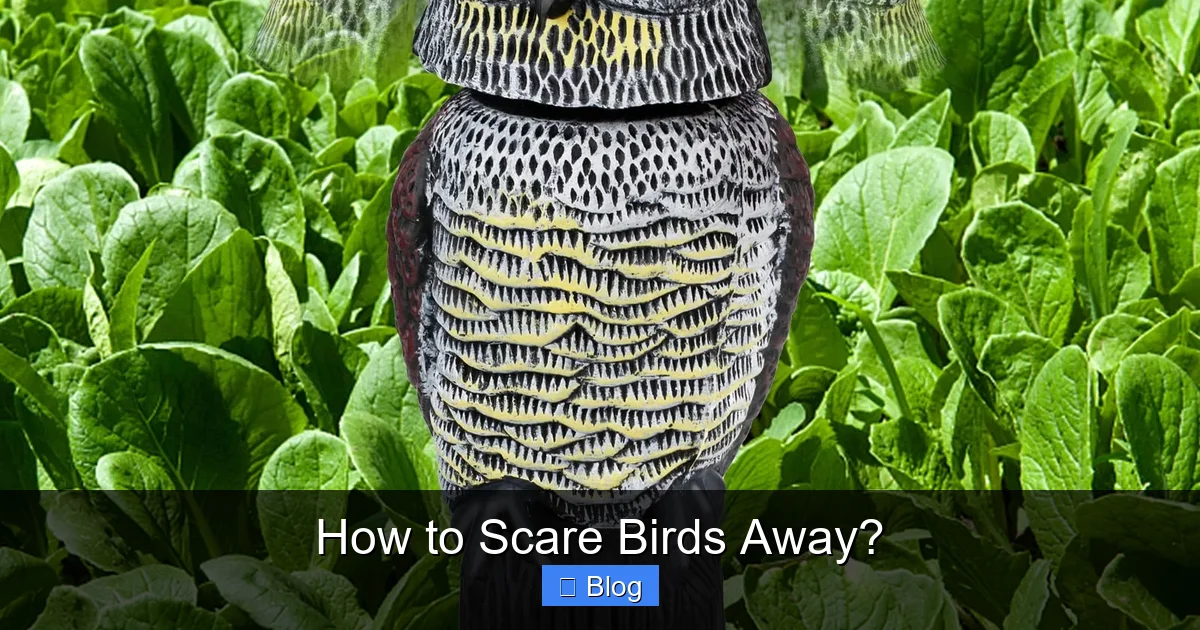
Visual guide about How to Scare Birds Away?
Image source: m.media-amazon.com
Reflective and Shiny Objects
Birds are often startled by sudden flashes of light. This is an old trick but a good one!
- Mylar Tape or Ribbons: Often called “flash tape” or “bird scare tape,” this material reflects sunlight erratically as it moves in the wind. Cut strips and hang them from branches, fences, or stakes in your garden. The movement and unpredictable flashes are very effective.
- Old CDs/DVDs: Gather your old, scratched CDs. Punch a hole in them and hang them with string where birds are a problem. They’re a cheap and cheerful way to add more sparkle and movement.
- Aluminum Foil Pans: Disposable aluminum pie plates or even strips of foil can be hung up. The reflective surface and clanking sound in the wind can deter birds.
Tip: Don’t leave these items in the exact same spot for too long. Birds are smart! Move them around every few days to keep the birds guessing and prevent them from getting used to them.
Predator Decoys
Birds naturally fear predators. Placing realistic-looking decoys can trick them into thinking a threat is nearby.
- Plastic Owls or Hawks: These are popular choices. Place them in prominent positions where birds are a problem.
- Inflatable Predator Balloons: These often feature large, intimidating eyes and bright colors, designed to mimic a predator. They can be very effective, especially when they move slightly in the wind.
Tip: Decoys work best when they aren’t static. Move them to a new spot every few days. Some advanced decoys have moving heads or reflective eyes to make them seem more lifelike. For added realism, you could even try hanging them from a string so they sway gently.
Scarecrows and Silhouettes
While traditional scarecrows might seem quaint, they can still be useful, especially when combined with other methods.
- Traditional Scarecrows: Make sure your scarecrow isn’t just a static figure. Add elements that move, like reflective strips, rattling cans, or old clothes that flap in the wind.
- Bird-Scare Silhouettes: These are cutouts of birds of prey or other intimidating shapes that can be stuck onto windows or other flat surfaces to prevent collisions and deter perching.
Remember, the goal with visual deterrents is to create a constantly changing, somewhat threatening, or confusing environment to effectively scare birds away.
Auditory Deterrents: Sounds That Send Birds Packing
Just like flashing lights, unexpected or unpleasant sounds can make an area undesirable for birds. There are various sound-based methods, from simple chimes to high-tech devices.
Sonic and Ultrasonic Devices
These devices broadcast sounds designed to annoy or frighten birds.
- Sonic Repellers: These play sounds like predator calls, bird distress calls, or even loud, startling noises. Many models allow you to program different sounds and intervals to prevent birds from becoming habituated. They are often very effective but can be audible and potentially bothersome to neighbors, so use them thoughtfully.
- Ultrasonic Repellers: These emit high-frequency sounds that are generally inaudible to humans but can be irritating to birds. Their effectiveness is sometimes debated, as the sound waves can be easily blocked by objects, and some birds may not be affected. However, they are discreet for residential use.
Tip: If using sonic devices, ensure they cover the problem area effectively. For ultrasonic, consider if there are too many obstacles that might block the sound waves. Both types benefit from being moved periodically to maintain their element of surprise.
Noise Makers and Wind Chimes
Simpler, more low-tech sound solutions can also be surprisingly effective.
- Wind Chimes: The gentle, random sounds of wind chimes can be enough to startle birds and make them think twice about landing.
- Cans and Bells: Hanging old cans with pebbles inside, or small bells, can create unexpected noises as they clank in the breeze.
- Explosive Noise Devices: While more common in agriculture, propane cannons or bird bangers create very loud explosions at timed intervals. These are generally too disruptive for residential areas but are highly effective in large open spaces.
The key to using sound to scare birds away is often unpredictability. Random, sudden noises are more effective than constant, unchanging sounds.
Tactile & Physical Barriers: Blocking Their Access
Sometimes, the most direct approach is to simply block birds from accessing the areas you want to protect. Physical barriers are highly effective and provide a long-term solution.
Netting and Mesh
Bird netting is an incredibly versatile and effective way to protect specific areas, like fruit trees, berry bushes, vegetable gardens, or even entire building facades.
- Garden Netting: Drape fine-mesh netting over plants and secure it to the ground or around the base of trees. Make sure there are no gaps for birds to squeeze through, as they can get trapped.
- Building Netting: For larger areas like balconies, eaves, or courtyards, specialized bird netting can be installed to completely exclude birds. This requires careful installation to ensure it’s taut and gap-free.
Tip: Choose netting with a mesh size appropriate for the type of bird you’re trying to deter. Smaller birds require finer mesh. Always ensure netting is installed securely and tightly to prevent birds from getting tangled, which can harm them.
Bird Spikes and Gels
These solutions make surfaces uncomfortable or impossible for birds to land on.
- Bird Spikes: These are strips of blunt, stainless steel or plastic spikes that can be installed on ledges, sills, fences, and railings. They don’t harm birds but simply prevent them from perching, making the area unusable.
- Bird Gels: These are non-toxic, sticky substances applied to ledges and surfaces. Birds dislike the sticky feeling and avoid landing on it. They are less visible than spikes but can attract dirt over time.
Tip: Bird spikes are very effective for flat surfaces where birds like to roost. Ensure you choose a reputable brand and install them correctly for maximum effect. For gels, consider the aesthetics and maintenance needs.
Window Films and Screens
Birds often collide with windows because they see reflections of trees and sky. Special films can help prevent this, and screens can block entry.
- Window Decals/Films: These are often UV-reflective or opaque patterns applied to windows that birds can see but humans mostly can’t (or find aesthetically pleasing). This breaks up the reflection and makes the window visible to birds.
- Screens: For open windows, vents, or other entry points to your home, secure screens are a simple and effective physical barrier to keep birds out.
These physical barriers are excellent long-term solutions for how to scare birds away from specific problem areas without constant vigilance.
Habitat Modification & Exclusion: Long-Term Solutions
The most sustainable way to scare birds away and prevent future problems is to make your property less inviting in the first place. This involves modifying their habitat and excluding them from desirable areas.
Remove Food and Water Sources
This is often the first and most crucial step.
- Secure Trash Cans: Use lids that lock or bungee cords to keep raccoons and birds out.
- Clean Up Spills: Promptly clean up any spilled pet food, birdseed, or fallen fruit.
- Harvest Promptly: Pick ripe fruits and vegetables as soon as they’re ready.
- Relocate Bird Feeders: If you love feeding birds but want to deter them from specific areas, move your feeders far away from those problem spots, or consider removing them entirely for a while.
- Eliminate Standing Water: Empty bird baths, repair leaky faucets, and ensure good drainage to prevent puddles.
Block Entry Points and Roosting Sites
Don’t give birds a place to call home.
- Seal Openings: Check your home for any gaps, cracks, or open vents that birds could use to get into your attic, crawl space, or chimney. Use mesh or caulk to seal them up.
- Trim Trees and Shrubs: Birds love dense foliage for nesting and roosting. Trimming back branches, especially those close to your house or areas you want to protect, can make them less appealing.
- Install Vent Covers: Use bird-proof mesh covers over dryer vents, attic vents, and chimney caps.
By making your property less attractive, you significantly reduce the incentive for birds to hang around, which is a proactive approach to scare birds away.
Integrated Pest Management: Combining Strategies for Success
Birds are smart and adaptable. If you use just one method to scare birds away, they will likely get used to it over time. This is why an integrated approach, combining several different strategies, is almost always the most effective way to achieve lasting results.
Rotate and Combine Methods
- Mix Visual and Auditory: Pair shiny flash tape with a plastic owl decoy and a sonic repeller that broadcasts distress calls.
- Add Physical Barriers: Use netting over your berry bushes while also having reflective elements and wind chimes nearby.
- Vary Your Tactics: Don’t leave the same deterrent in the same spot day after day. Move decoys, reposition reflective tape, or change the sounds emitted by repellers to keep birds constantly guessing. This unpredictability is key to scaring birds away effectively.
Be Persistent and Observe
Bird deterrence isn’t a “set it and forget it” task. You need to be diligent.
- Observe Bird Behavior: Watch where the birds are landing, what they’re doing, and when. This will help you pinpoint the best locations and times to deploy your deterrents.
- Adjust as Needed: If one method isn’t working, try another, or add more layers. Sometimes, it takes a bit of experimentation to find what works best for the specific bird species and your unique situation.
An integrated approach not only maximizes your chances of success but also ensures that you are providing a continuously unwelcoming environment that encourages birds to find a more suitable home elsewhere.
Conclusion: Peaceful Coexistence Through Smart Deterrence
Dealing with nuisance birds can certainly be a test of patience, but as you’ve seen, there are numerous humane and effective strategies to help you scare birds away from your property. The most important takeaway is to remember that birds are intelligent creatures, and they will adapt. Therefore, a successful long-term strategy almost always involves a multi-pronged approach.
Start by understanding what attracts them, then layer on various visual, auditory, and physical deterrents. Don’t be afraid to experiment, rotate your methods, and be persistent. By doing so, you can protect your garden, your home, and your peace of mind, encouraging your feathered neighbors to seek out friendlier territories without causing them harm. Here’s to a bird-free, serene space!
Frequently Asked Questions
How often should I change my bird deterrents?
You should aim to change or move your bird deterrents every few days to a week. Birds are smart and can quickly become accustomed to static objects, making them ineffective over time. Rotating different types of deterrents also helps keep them guessing.
Are commercial bird repellents safe for pets and children?
Most commercial bird repellents designed for home use, especially gels and visual/auditory devices, are formulated to be non-toxic and safe for pets and children. However, always read the product label carefully for specific safety instructions and warnings before use.
Can bird feeders attract more nuisance birds?
Yes, bird feeders, while enjoyable for birdwatching, can inadvertently attract larger numbers of birds, including species that may become a nuisance. If you’re experiencing problems, consider relocating your feeders away from sensitive areas or temporarily removing them to reduce the overall bird presence.
What is the best way to deter birds from my car?
To deter birds from your car, try parking under a car cover, in a garage, or in an area less frequented by birds. You can also hang reflective items like old CDs or Mylar strips near where you park, or use a small, motion-activated sonic repeller if feasible.
Do essential oils work to scare birds away?
Some essential oils, like peppermint or cinnamon, are sometimes suggested as bird deterrents due to their strong scents. However, their effectiveness is generally limited and short-lived, as the scent quickly dissipates. They are not considered a highly reliable method for scaring birds away over larger areas.
How do I stop birds from nesting in my vents or eaves?
To stop birds from nesting in vents or eaves, the best approach is exclusion. Install bird-proof mesh covers over all vents (like dryer or attic vents) and seal any openings or gaps under eaves before nesting season begins. Once a nest is established, it’s often illegal to disturb it.