
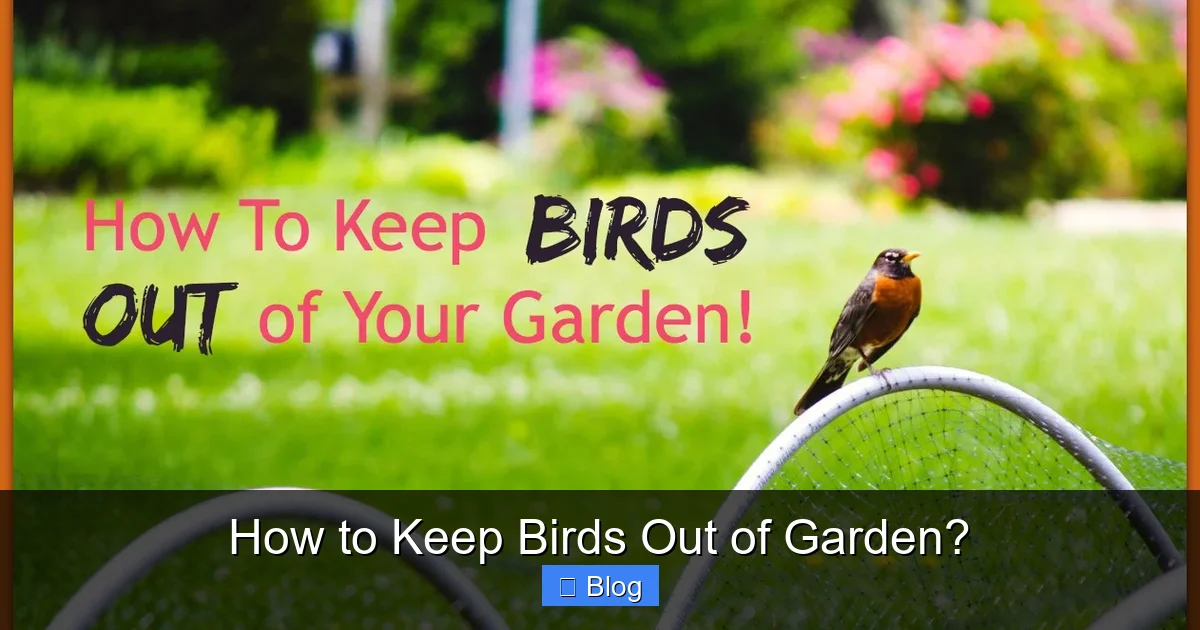
Protecting your garden from birds doesn’t have to be a battle; it’s about smart, humane strategies. By understanding why birds visit and implementing a combination of physical barriers, visual and auditory deterrents, and habitat modifications, you can successfully keep birds out of garden spaces and enjoy your harvest. Persistence and a multi-pronged approach are key to a thriving, bird-free garden.
How to Keep Birds Out of Garden?
Ah, the joys of gardening! The rich soil beneath your fingertips, the vibrant greens sprouting, and the promise of a bountiful harvest. There’s truly nothing quite like it. But then, one morning, you step outside to check on your ripening tomatoes, and what do you find? A pecked-at fruit, a stripped berry bush, or a seedling mysteriously uprooted. The culprits? Your feathered friends, of course! While birds bring beauty and song to our lives, their appetites can quickly turn them into formidable garden foes.
It’s a classic gardener’s dilemma: you love nature, including the birds, but you also love your hard-earned produce. The good news is that you don’t have to choose! There are many humane and effective strategies to keep birds out of garden areas without causing them harm. It’s all about creating an environment that encourages them to find their meals elsewhere, allowing your crops to thrive undisturbed. Let’s explore how to achieve that perfect balance and protect your garden.
The key to success in keeping birds out of your garden lies in understanding their motivations and employing a combination of deterrents. Birds are creatures of habit and opportunity. They’re looking for easy meals, water, and shelter. By strategically removing these temptations or making them less accessible, you can significantly reduce bird damage. This guide will walk you through a variety of proven techniques, from physical barriers to clever scare tactics, helping you reclaim your garden space.
Key Takeaways
- Understand Bird Motivation: Birds visit gardens for food, water, and shelter. Identifying these attractions is the first step in deterring them.
- Physical Barriers are Most Effective: Netting, row covers, and cages provide the most reliable protection for vulnerable crops against bird damage.
- Combine Deterrents for Best Results: No single deterrent works 100% of the time. Using a mix of visual (scarecrows, reflective objects) and auditory (wind chimes, ultrasonic devices) methods increases effectiveness.
- Modify Habitat to Reduce Appeal: Remove standing water, tidy up overgrown areas, and consider sacrificial crops to make your garden less inviting to nuisance birds.
- Be Persistent and Adapt: Birds are intelligent and can get used to deterrents. Regularly changing tactics and staying vigilant is crucial for long-term success.
- Humane Methods are Preferred: Focus on deterrents and exclusion rather than harm. The goal is to encourage birds to find food elsewhere, not to injure them.
Quick Answers to Common Questions
What is the most effective way to keep birds out of a vegetable garden?
The most effective method for keeping birds out of a vegetable garden is using physical barriers like fine mesh bird netting or constructing wire cages around vulnerable plants. These methods directly block birds from accessing your crops.
Do shiny objects really deter birds?
Yes, shiny objects like old CDs, aluminum foil strips, or reflective Mylar tape can deter birds, especially when they move and flash unpredictably in the sunlight. However, birds can get used to them over time, so it’s best to move them frequently or combine them with other deterrents.
Can ultrasonic devices really scare birds away?
The effectiveness of ultrasonic devices for scaring birds away is highly debated and often lacks strong scientific backing. While they claim to emit sounds irritating to birds, many studies show little or no consistent deterrent effect, and birds may quickly acclimate if there is any initial response.
How often should I move scarecrows or predator decoys to keep them effective?
To maintain their effectiveness, you should move scarecrows or predator decoys every few days, or at least once a week. Birds are intelligent and quickly learn that stationary objects pose no real threat, so regular relocation is crucial.
Are taste repellents safe for edible crops?
Many taste repellents are designed to be safe for edible crops and birds, often using natural ingredients like capsaicin or grape extract. However, always read the product label carefully for specific instructions and recommended waiting periods before harvesting and consumption. Always wash produce thoroughly after applying any repellent.
📑 Table of Contents
- Understanding Why Birds Visit Your Garden and What They Seek
- Physical Barriers: The Most Effective Defense Against Birds
- Visual Deterrents: Scare Tactics to Spook Them Away
- Auditory Deterrents: Sounds to Spook Them Away
- Habitat Modification and Repellents: Making Your Garden Less Appealing
- Embrace and Coexist: Strategic Planting and Sharing
- Conclusion: Persistence and a Multi-Pronged Approach
Understanding Why Birds Visit Your Garden and What They Seek
Before we dive into specific deterrents, it’s helpful to understand what attracts birds to your garden in the first place. Knowing their primary motivations allows you to target your prevention efforts more effectively. Birds aren’t trying to annoy you; they’re simply trying to survive.
Food: The Primary Attractor
The most obvious reason birds visit your garden is for food. They have a wide palate and are often drawn to:
- Ripening Fruits and Berries: Strawberries, blueberries, raspberries, cherries, and grapes are particular favorites. Birds love the sweet, juicy goodness.
- Vegetable Seeds and Seedlings: Newly planted seeds are an easy meal, and tender young sprouts are appealing for their moisture content and nutrients.
- Insects: While many birds help control pest insects, some also forage for beneficial insects or simply cause damage while hunting for bugs.
- Grains and Seeds: Sunflowers (before you harvest!), corn, and other grain-producing plants can be tempting targets.
Water Sources: Essential for Survival
Especially during dry spells or hot weather, birds are constantly on the lookout for water. A bird bath, a leaky faucet, or even damp leaves can be enough to draw them in. Once they find a reliable water source, they’re likely to stick around.
Shelter and Nesting Sites: A Sense of Security
Dense shrubs, tall trees, or even trellises can offer birds safe havens from predators and harsh weather. If your garden provides good nesting opportunities, birds will establish territories nearby, making your crops a convenient snack bar.
By addressing these core needs – food, water, and shelter – you can create a less appealing environment for birds and learn how to keep birds out of garden spaces you want to protect.
Physical Barriers: The Most Effective Defense Against Birds
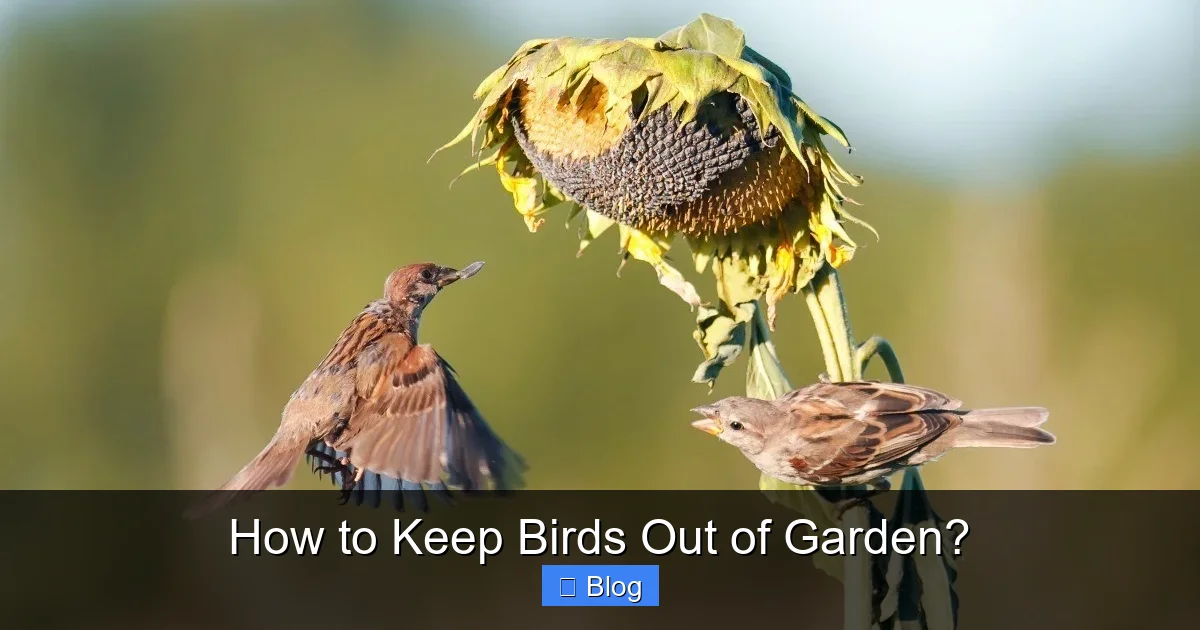
Visual guide about How to Keep Birds Out of Garden?
Image source: img.thrfun.com
When it comes to reliably keeping birds out of garden areas, physical barriers are often your most effective bet. They directly block access to your plants, leaving no room for guesswork.
Netting: Your Garden’s Invisible Shield
Bird netting is perhaps the most popular and effective method for protecting fruit trees, berry bushes, and vegetable beds.
- How to Use: Drape fine mesh netting over your plants or construct a frame (PVC pipes or stakes work well) to support the netting, creating a cage around the plants. Ensure the netting is taut and secured to the ground, leaving no gaps for birds to squeeze through.
- Pros: Highly effective, relatively inexpensive, reusable. Allows sunlight and water to reach plants.
- Cons: Can be cumbersome to install and remove for harvesting. Birds can get tangled if the netting is loose, so ensure it’s taut. Mesh size matters; a finer mesh prevents even small birds from entering.
- Tip: Use clips or clothespins to secure netting, and create an access flap for easier harvesting. For fruit trees, consider draping individual branches or entire trees once fruit begins to ripen.
Row Covers and Cages: Protecting Beds and Individual Plants
For smaller garden beds or individual plants, row covers and cages offer excellent protection.
- Row Covers: Made from lightweight fabric, these not only deter birds but can also protect against insects and provide frost protection. They allow light and water through.
- How to Use: Drape over hoops or directly over plants and secure the edges with soil, rocks, or landscape pins.
- Cages: Constructed from chicken wire, hardware cloth, or even repurposed laundry baskets, cages can be placed directly over vulnerable plants like berry bushes or seedlings.
- How to Use: Build custom cages using wood or PVC frames and staple wire mesh to them. Ensure they are tall enough for your plants to grow.
- Pros: Very effective, durable, and can be customized to fit your garden layout.
- Cons: Can be more labor-intensive to construct. May obstruct plant growth if not properly sized.
Visual Deterrents: Scare Tactics to Spook Them Away
Birds are naturally wary of predators and unfamiliar objects. Visual deterrents exploit this instinct, making your garden seem less safe. The trick is to keep them guessing.
Reflective Objects: The Shiny, Shifting Scare
Birds are often startled by sudden flashes of light and unpredictable movements.
- What to Use: Old CDs, aluminum foil strips, reflective Mylar tape, or even shiny pie pans strung up with string.
- How to Use: Hang them from stakes, trellises, or branches, allowing them to spin and reflect sunlight. The movement and flashing light mimic movement, making birds nervous.
- Pros: Inexpensive, easy to implement.
- Cons: Birds can become accustomed to them over time, especially if they are stationary. You might need to move them around periodically.
- Tip: Combine different reflective objects and vary their placement to maintain novelty.
Predator Decoys: The False Threat
Decoys of natural predators like owls, hawks, or snakes can be effective, but their success often depends on how realistically they’re perceived.
- What to Use: Plastic owl or hawk statues, rubber snakes.
- How to Use: Place them prominently near vulnerable plants.
- Pros: Can be quite convincing initially.
- Cons: Birds are intelligent. If the decoy never moves, they quickly learn it’s not a real threat.
- Tip: Move decoys frequently (daily or every few days) to maintain the illusion of a live predator. Some owl decoys even have bobble heads or reflective eyes to enhance realism.
Scarecrows: The Classic Garden Guard
The quintessential garden defender, scarecrows can still be effective if used creatively.
- What to Use: A traditional scarecrow made from old clothes and straw, or more modern versions.
- How to Use: Position it prominently.
- Pros: Adds a charming, rustic touch to your garden.
- Cons: Like other static visual deterrents, birds can quickly learn to ignore them.
- Tip: Make your scarecrow dynamic! Add shiny elements, attach streamers that flutter in the wind, or even rig up an old CD player to play occasional sounds. Change its “outfit” or position regularly to keep it fresh.
Auditory Deterrents: Sounds to Spook Them Away
While often less reliable than physical barriers, certain sounds can contribute to an overall strategy to keep birds out of garden spaces.
Wind Chimes and Metallic Noises: Subtle Scares
Unpredictable sounds can sometimes be enough to deter nervous birds.
- What to Use: Wind chimes, metallic objects that clang together, or even old aluminum cans strung up.
- How to Use: Hang them where the wind will catch them, creating intermittent noise.
- Pros: Aesthetic, can be soothing to humans, inexpensive.
- Cons: Effectiveness varies greatly, and birds may acclimate to constant noise.
Distress Calls and Ultrasonic Devices: High-Tech Harassment
More advanced auditory deterrents aim to exploit birds’ natural fear responses.
- Distress Call Replicators: These devices broadcast recordings of predator calls or bird distress calls, signaling danger to nearby birds.
- Pros: Can be highly effective, especially for specific species.
- Cons: Can be expensive. May annoy neighbors if not used judiciously. Birds can become habituated if the calls are too repetitive.
- Ultrasonic Devices: These emit high-frequency sounds that are supposedly irritating to birds but inaudible to humans.
- Pros: Silent to humans.
- Cons: Scientific evidence of their effectiveness against birds is mixed and often limited. Birds might not perceive the sound or quickly adapt.
- Tip: If using distress calls, ensure the device has a random play setting to prevent habituation.
Habitat Modification and Repellents: Making Your Garden Less Appealing
Sometimes, it’s about making your garden less attractive to birds by addressing their basic needs or making their food sources less palatable.
Remove Water Sources: Dehydrate the Temptation
If birds are visiting for water, simply removing or covering available sources can make a big difference.
- How to Use: Empty bird baths during periods of heavy damage, fix leaky hoses, and ensure no standing water collects in containers or tarps.
- Pros: Simple, effective, and environmentally friendly.
- Cons: You might be removing a beneficial element for other wildlife.
Pruning and Garden Tidy-Up: Less Shelter, Less Appeal
Birds seek shelter from predators and the elements. A tidy garden offers fewer hiding spots.
- How to Use: Keep shrubs and trees pruned, remove dense undergrowth near vulnerable plants, and clear away brush piles where birds might nest or hide.
- Pros: Improves garden health and aesthetics.
- Cons: You might be removing beneficial habitat for some species.
- Tip: Focus on areas directly surrounding your most prized crops.
Taste Repellents: Making Food Unappetizing
Some products contain ingredients that make plants taste unpleasant to birds without harming them.
- What to Use: Capsaicin-based sprays (chili pepper), grape extract (methyl anthranilate), or other commercial bird repellents.
- How to Use: Apply directly to foliage or fruits according to product instructions. Reapply after rain.
- Pros: Humane, doesn’t physically restrict access.
- Cons: Requires frequent reapplication, especially after rain or watering. Can affect the taste of edible crops for humans if not washed thoroughly. Check labels for food safety before applying to edibles.
- Tip: Always test on a small area first to ensure it doesn’t harm your plants.
Companion Planting: Natural Distractions
While not a strong deterrent, some gardeners believe certain plants might help to keep birds out of garden sections.
- What to Use: Plants with strong scents or spiky foliage, like marigolds (though some birds eat marigold seeds), basil, or even thorny roses.
- How to Use: Plant them alongside your vulnerable crops.
- Pros: Adds diversity and beauty to your garden.
- Cons: Evidence of effectiveness against birds is largely anecdotal and limited.
Embrace and Coexist: Strategic Planting and Sharing
Sometimes, the best strategy is to work *with* nature, not entirely against it.
Plant Sacrificial Crops: An Offering to the Birds
If you have the space, consider planting crops specifically for the birds. This can divert their attention from your prized produce.
- What to Use: Sunflowers (especially for finches), millet, corn, or extra berry bushes planted away from your main harvest.
- How to Use: Plant these “decoy” crops in a separate area of your garden or property, further away from your main vegetable beds.
- Pros: Can significantly reduce damage to your main crops, provides food for birds, and allows you to enjoy their presence without frustration.
- Cons: Requires extra space and resources.
Bird Feeders: A Diversionary Tactic
Similar to sacrificial crops, strategically placed bird feeders can offer an alternative food source.
- What to Use: Feeders filled with seeds (sunflower, nyjer, millet), suet, or even fruit.
- How to Use: Place feeders a good distance away from your garden beds, ideally on the opposite side of your property.
- Pros: Keeps birds occupied and away from your garden. Attracts beneficial birds that eat insects.
- Cons: Can attract more birds to your property overall. You need to commit to keeping them filled. Ensure feeders are clean to prevent disease.
Conclusion: Persistence and a Multi-Pronged Approach
Keeping birds out of your garden can feel like an ongoing battle, but with the right strategies, you can protect your crops and enjoy the beauty of nature without sacrificing your harvest. The most successful approach almost always involves a combination of methods.
Start with the most effective physical barriers for your most vulnerable plants. Then, layer in visual and auditory deterrents, remembering to change them up regularly to prevent birds from getting too comfortable. Modify your garden habitat to make it less appealing, and consider offering alternative food sources if you have the space.
Remember, birds are intelligent and adaptable. What works perfectly one season might need a tweak the next. Be persistent, observe what’s working (and what’s not), and don’t be afraid to experiment. With a little effort and a lot of patience, you’ll discover how to keep birds out of garden spaces effectively and humanely, ensuring your delicious produce makes it from plant to plate! Happy gardening!
Frequently Asked Questions
What types of birds are most likely to damage gardens?
Common garden culprits include robins, starlings, jays, blackbirds, finches, and sparrows. These birds are often attracted to soft fruits like berries and cherries, as well as young seedlings and newly planted seeds.
Is it better to net individual plants or an entire garden bed?
It depends on the scale and type of plants. For individual fruit trees or large berry bushes, individual netting can be efficient. For multiple rows of vegetables or a dense berry patch, covering an entire bed with a netting frame is often more practical and provides broader protection.
Do bird feeders attract more birds to my garden, making the problem worse?
Bird feeders can attract more birds to your property. However, if placed strategically far away from your garden beds, they can serve as a diversion, providing an alternative food source and keeping birds occupied elsewhere, potentially reducing garden damage.
Can companion planting help deter birds?
While some anecdotal evidence suggests certain plants with strong scents or spiky foliage might deter birds, the scientific support for companion planting as a primary bird deterrent is limited. It’s generally not a standalone solution but can be a small part of a broader strategy.
What should I do if a bird gets tangled in my netting?
If a bird gets tangled, approach it gently and carefully cut the netting away from its body, being extremely cautious not to injure the bird. Using a finer mesh netting and ensuring it is taut and secured at the bottom can prevent birds from getting trapped in the first place.
How can I protect my seedlings from birds without using chemicals?
To protect seedlings naturally, use physical barriers like row covers, cloches (bell-shaped covers), or mesh cages over individual plants or beds. These provide an immediate and chemical-free shield against pecking birds, allowing your young plants to establish themselves.