
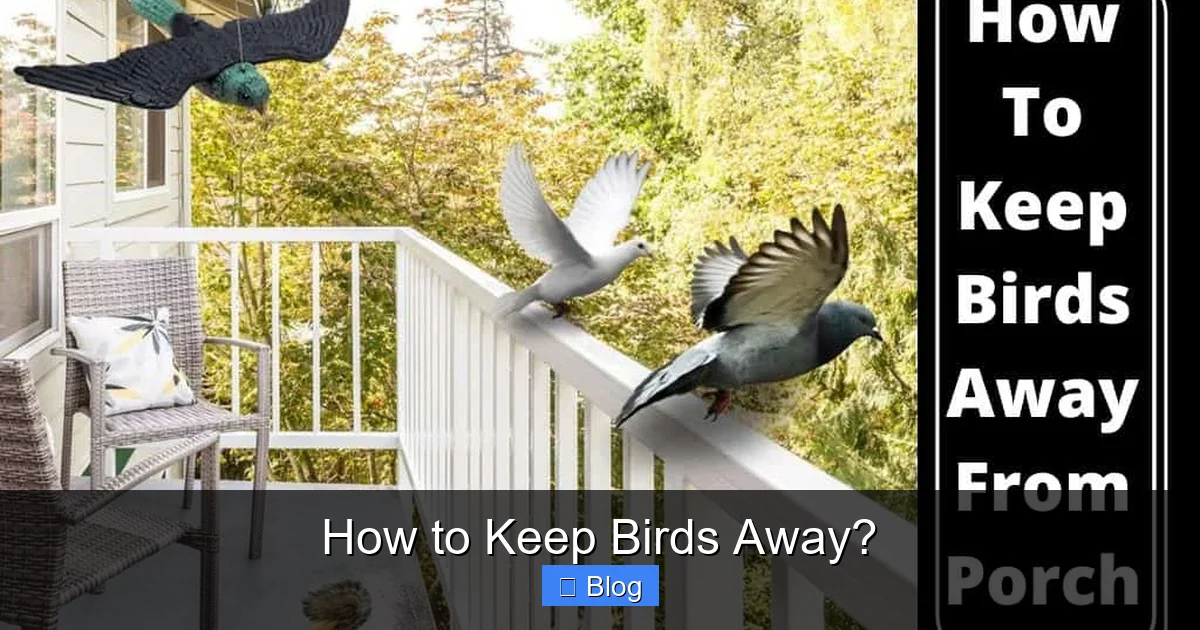
Birds can be beautiful additions to our environment, but sometimes their presence becomes a significant nuisance, leading to property damage, health concerns, or simply unwanted messes. This comprehensive guide provides homeowners with humane and effective strategies on how to keep birds away from specific areas. From simple visual deterrents and physical barriers to smart habitat modification and professional interventions, you’ll learn practical tips to protect your home and garden, ensuring peace and cleanliness without harming our feathered friends.
How to Keep Birds Away?
There’s something undeniably charming about birds. Their cheerful chirps, graceful flight, and vibrant colors can bring life to any backyard. We often go out of our way to invite them, setting up feeders and bird baths. But what happens when our feathered friends become a little *too* comfortable, transforming from delightful visitors into a persistent nuisance? Whether they’re nesting in inconvenient spots, leaving droppings on your freshly cleaned patio, pecking at your ripe garden produce, or simply making too much noise at dawn, there comes a point where you might find yourself asking, “How to keep birds away?”
You’re not alone. Many homeowners face challenges with birds taking over spaces where they’re not welcome, leading to property damage, unsanitary conditions, and general frustration. The good news is that there are many effective, humane strategies you can employ to gently encourage birds to find a more suitable habitat elsewhere. Our goal here isn’t to harm these creatures, but rather to find clever ways to protect our homes and gardens while respecting their natural instincts. This comprehensive guide will walk you through various methods, from simple DIY fixes to more robust solutions, helping you reclaim your space.
Key Takeaways
- Understand the Attraction: Identify what specific food, water, or shelter sources are drawing birds to your property before implementing solutions.
- Prioritize Humane Methods: Always choose non-lethal and non-harmful strategies to deter birds, respecting wildlife while protecting your property.
- Combine Deterrent Strategies: Birds are smart and adapt quickly, so using a mix of visual, auditory, and physical deterrents simultaneously offers the best long-term success.
- Eliminate Attractants: The most fundamental step in how to keep birds away is removing easy access to food (spills, feeders), water (leaks, bird baths), and desirable nesting sites.
- Be Persistent and Adaptable: Bird deterrence is an ongoing effort. Regularly check, move, or rotate deterrents to prevent birds from habituating to them.
- Consider Physical Barriers First: Netting, spikes, and screens are often the most reliable way to physically block access to specific areas where birds are a problem.
- Know When to Call Professionals: For large infestations, protected species, or persistent problems, don’t hesitate to contact a licensed wildlife control expert for safe and effective solutions.
Quick Answers to Common Questions
Are ultrasonic devices effective for keeping birds away?
The effectiveness of ultrasonic bird deterrents is often debated. While some users report success, birds can quickly habituate to the sounds, and their range can be limited by obstacles. They are generally not considered a standalone, highly reliable solution for significant bird problems.
What’s the most humane way to deter birds?
The most humane ways to deter birds involve physical exclusion (netting, screens), habitat modification (removing food/water), and non-harmful repellents or visual/auditory deterrents that merely make an area uncomfortable or appear unsafe without causing injury.
Can bird feeders attract nuisance birds to my home?
Yes, bird feeders can inadvertently attract nuisance birds like pigeons, starlings, or even squirrels, especially if seeds spill or they are placed too close to your home. Consider relocating feeders, using no-mess seed, or temporarily removing them if birds become a problem in unwanted areas.
How do I stop birds from nesting in my eaves?
To stop birds from nesting in your eaves, install bird netting or specialized bird-proofing mesh to block access. You can also apply bird spikes or repellent gels to ledges under the eaves where they might perch or attempt to build nests.
Are bird spikes harmful to birds?
No, bird spikes are designed to be harmless. Their purpose is not to injure birds but simply to create an uncomfortable and unstable surface that prevents them from landing or perching, thus encouraging them to find another spot.
📑 Table of Contents
Understanding Why Birds Become a Nuisance
Before you can effectively implement strategies on how to keep birds away, it’s crucial to understand *why* they’re attracted to your property in the first place. Birds are simply looking for the essentials of life: food, water, and shelter. If your home or garden provides an abundance of these, you’re essentially putting out a welcome mat.
Common Bird-Related Problems
Let’s pinpoint some of the most common issues that drive homeowners to seek bird deterrence solutions:
- Droppings: This is perhaps the most frequent complaint. Bird droppings are unsightly, unsanitary, and highly corrosive. They can damage car paint, deface statues, stain outdoor furniture, and even compromise roofing materials over time. They also carry diseases, posing a health risk.
- Nesting in Inconvenient Places: Birds often choose eaves, vents, attics, chimneys, and even outdoor light fixtures as nesting sites. This can block ventilation, create fire hazards, and lead to noise and strong odors.
- Crop and Garden Damage: If you have fruit trees, berry bushes, or a vegetable garden, you know the frustration of watching birds feast on your hard-earned produce just before harvest.
- Noise: While some bird songs are pleasant, large roosting populations can generate significant noise, especially at dawn or dusk, disrupting peace and quiet.
- Structural Damage: Some birds, like woodpeckers, can cause damage by drilling holes into siding, fascia boards, or trees. Other birds might pull apart insulation for nesting materials or clog gutters with nests and debris.
What Attracts Birds to Your Property?
Once you recognize the problem, consider the magnet that’s drawing them in:
- Food Sources: This is a big one. Spilled bird seed from feeders, fallen fruit from trees, accessible pet food bowls, unsecured trash cans, and even compost piles are all open buffets for birds. If you grow berries or fruit, that’s an obvious attraction.
- Water Sources: Bird baths, leaky outdoor faucets, unattended pet water bowls, puddles, or even an overflowing gutter can provide a crucial water source, especially in dry periods.
- Shelter and Nesting Sites: Dense shrubs, trees, open eaves, porches, attics, chimneys, and accessible vents offer ideal places for birds to roost, build nests, and raise their young, protected from predators and harsh weather.
- Building Materials: Some birds are attracted to readily available nesting materials, like loose insulation, straw, or even decorative elements on your home.
By identifying these attractants, you can start to form a targeted strategy on how to keep birds away effectively.
Visual and Auditory Deterrents: Scaring Them Off
One of the most straightforward ways to keep birds away is to make your property seem less safe or appealing. Birds are naturally wary of predators and unfamiliar movements or sounds. These methods are generally easy to implement and can be quite effective for smaller, localized problems.
Reflective and Shiny Objects
Birds are often spooked by sudden flashes of light or reflective surfaces that mimic moving eyes or predators. This is a classic, low-cost solution:
Visual guide about How to Keep Birds Away?
Image source: captainpatio.com
- Old CDs or DVDs: String them up with fishing line from tree branches, eaves, or porch ceilings. As they spin in the breeze, they create disorienting flashes of light.
- Mylar Tape or Ribbons: These shiny, metallic strips (often called “bird scare tape”) can be tied to branches, fences, or railings. Their movement and reflectivity can deter birds.
- Reflective Pinwheels: Place these in garden beds, near fruit trees, or on balconies. The spinning motion and reflection can be a constant irritant to birds.
Tip: For best results, regularly move or rehang these items. Birds are smart and will quickly get used to stationary objects.
Predator Effigies
Birds have natural enemies, and you can use this to your advantage. Life-like replicas of predators can make birds think twice about landing on your property:
- Plastic Owls or Hawks: Place these in visible locations where birds tend to congregate. Choose realistic-looking effigies, ideally with reflective eyes, for maximum impact.
- Inflatable Snakes: For ground-level problems, such as in gardens, rubber or inflatable snakes can deter birds.
- Hawk Kites: These kites are designed to look and fly like real hawks, soaring above your property. They can be very effective for larger areas like fields or orchards.
Tip: Just like with reflective objects, movement is key. Relocate predator effigies every few days, or invest in models with moving heads or wings (often battery-operated) to prevent birds from realizing they’re not real threats. If an effigy is static for too long, birds will often perch right on top of it!
Ultrasonic Devices
These devices emit high-frequency sound waves that are designed to be audible and irritating to birds, but generally inaudible to humans and many pets. They aim to create an unpleasant environment that encourages birds to leave.
- How They Work: They typically have motion sensors, activating when a bird comes into range, or can be set to emit continuous waves.
- Effectiveness and Caveats: While some people report success, the effectiveness of ultrasonic bird deterrents is often debated. Birds can habituate to the sounds, and thick foliage or obstacles can block the sound waves. It’s also worth noting that some pets (especially dogs and cats) might be able to hear these frequencies, potentially causing them distress. Use with caution and observe your pets’ reactions.
Noise Makers
Sudden or unsettling noises can certainly startle birds and make an area seem unsafe. These methods are best for intermittent use to prevent habituation:
- Bird Distress Calls: Some devices play recordings of bird distress calls or predator calls, signaling danger to birds. These are often used in agricultural settings.
- Motion-Activated Sprinklers: These are an excellent humane option, especially for gardens. When a bird (or any animal) crosses the sensor, a burst of water is emitted, startling them away without harm.
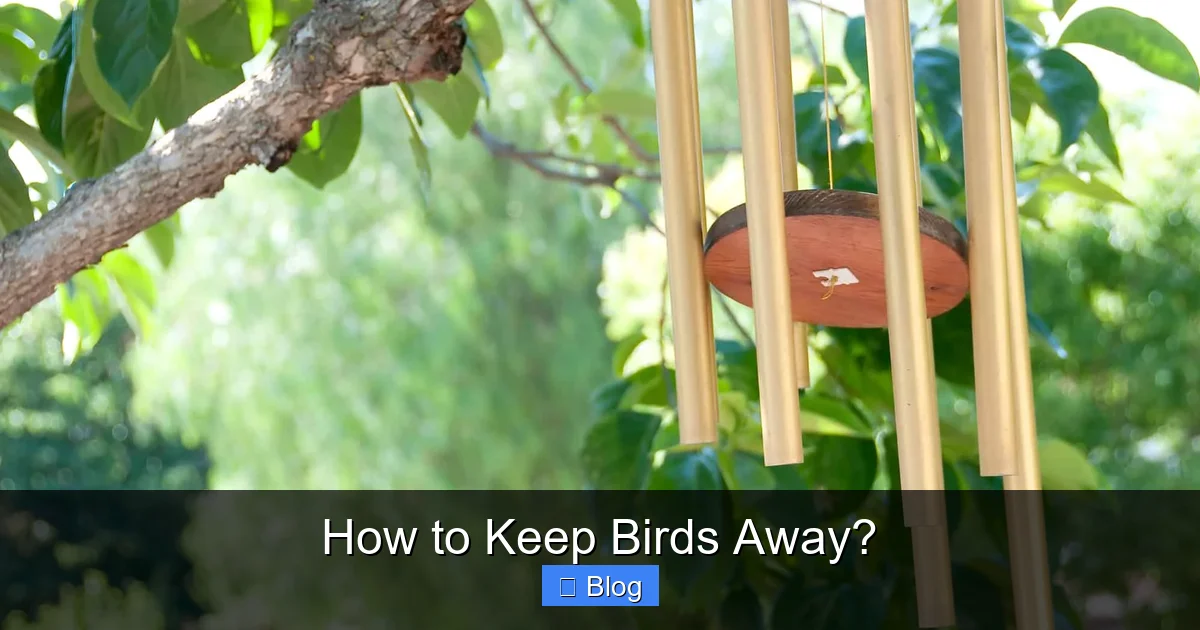
- Wind Chimes: While charming to us, the erratic sounds of wind chimes can be unsettling to some birds, especially if they are metallic and produce sharp, clanking noises.
Remember, consistency in changing up deterrents is critical on how to keep birds away. Birds are intelligent and learn quickly. If a deterrent doesn’t change or move, they’ll soon realize it’s harmless.
Physical Barriers and Exclusion: Blocking Access
Sometimes, scaring birds away isn’t enough, especially if they’re determined to access a specific area. Physical barriers are often the most effective and permanent solution because they simply prevent birds from landing or entering altogether.
Bird Netting
Netting is arguably the most reliable method for protecting specific areas like fruit trees, vegetable gardens, eaves, balconies, or even entire building facades.
- For Gardens and Fruit Trees: Drape fine mesh netting over your plants or construct a simple frame to create a “cage” around them. Ensure the netting is taut and secure at the bottom to prevent birds from sneaking underneath. Choose a mesh size small enough to prevent birds from getting tangled.
- For Eaves and Balconies: Install netting to block off these spaces. For eaves, secure it from the roofline down to the wall. For balconies, you can create a complete enclosure. This is an excellent way to keep birds away from nesting or roosting in these areas.
- Installation Tips: Use appropriate fasteners, ensure there are no gaps, and check regularly for tears or loose sections. Ensure birds cannot get trapped behind the netting once it is installed.
Bird Spikes and Wires
These devices are designed to prevent birds from landing on ledges, sills, rafters, fences, and other flat surfaces where they commonly perch or roost. They are not harmful but simply make the surface uncomfortable to land on.
- Bird Spikes: These strips feature dull, upward-pointing prongs that make it impossible for birds to land. They are made of plastic or stainless steel and can be glued, screwed, or tied down. They are highly effective for ledges, window sills, and signs.
- Bird Wires or Post and Wire Systems: These involve installing thin, spring-tensioned wires along ledges or rails. The unstable nature of the wires prevents birds from comfortably perching. They are less visible than spikes and ideal for aesthetically sensitive areas.
Sealing Entry Points
If birds are getting into your attic, chimney, or vents, the best solution is to seal off their access points. This is a critical step in how to keep birds away from nesting inside your home.
- Chimney Caps: Install a sturdy cap over your chimney flue to prevent birds (and other animals) from entering and nesting.
- Vent Covers: Use hardware cloth or specialized mesh covers over attic vents, dryer vents, and other openings to block access. Ensure the mesh is tight enough to exclude small birds but still allows for proper airflow.
- Repair Gaps and Holes: Inspect your roof, eaves, and siding for any cracks, holes, or gaps that birds could use to enter your attic or wall voids. Seal them with appropriate materials like caulk, wood, or mesh.
Garden Protectors
For ground-level protection of delicate plants or seedlings, consider:
- Row Covers: Lightweight fabric covers can protect young plants from birds while still allowing light and water to pass through.
- Fruit Cages: For serious fruit growers, a dedicated fruit cage (a walk-in structure enclosed with netting) is the ultimate solution to ensure a bird-free harvest.
Physical barriers are often the most reliable way to keep birds away from specific problem areas because they remove the possibility of access entirely. While they might require an initial investment of time and money, their long-term effectiveness often makes them worthwhile.
Habitat Modification and Repellents: Making Your Property Less Appealing
Beyond scaring birds or blocking them, you can also modify your property to make it less attractive to them in the first place. This involves removing the incentives that draw them in and, in some cases, using deterrents that affect their senses.
Eliminate Food and Water Sources
This is often the most overlooked yet crucial step in how to keep birds away. If you stop providing a convenient meal or drink, birds will naturally look elsewhere.
- Manage Bird Feeders: If you love feeding birds but have a nuisance problem in another area, consider removing feeders entirely for a period. If you keep them, place them far away from problem zones, use “no-mess” seed mixes to reduce spills, and clean up any fallen seed promptly.
- Secure Trash Cans: Use cans with tight-fitting lids. Open trash is an easy meal for many bird species, especially crows and gulls.
- Clean Up Spills: Promptly clean up any outdoor food spills, pet food, or fallen fruit from trees. Don’t leave pet food bowls outside unsupervised.
- Remove Standing Water: Empty bird baths, fix leaky faucets, and ensure gutters drain properly. Eliminate any sources of standing water that birds might use for drinking or bathing.
Remove Shelter and Nesting Opportunities
If birds don’t feel safe or have suitable places to nest, they are less likely to stay.
- Trim Dense Foliage: Prune overgrown trees and shrubs, especially those close to your home, to reduce ideal roosting and nesting spots.
- Clear Out Old Nests: Once the nesting season is over and the nest is no longer active (ensure no eggs or young are present), remove old nests from eaves, ledges, and other unwanted locations. This prevents birds from returning to the same spot next season.
- Seal Openings: As mentioned earlier, seal any openings to attics, sheds, or outbuildings.
Taste and Smell Repellents
These products work by making surfaces or food sources taste or smell unpleasant to birds, encouraging them to seek sustenance elsewhere. They are generally safe and humane.
- Capsaicin-Based Sprays: These contain capsaicin (the active ingredient in chili peppers), which birds find irritating. They can be sprayed on plants, seeds, or surfaces where birds are a problem. They are typically safe for birds to ingest but provide an unpleasant experience.
- Methyl Anthranilate (Grape Scent) Products: This naturally occurring compound, found in grapes, is used as a food-grade flavoring for humans but is an irritant to birds. It can be found in liquid or gel form and applied to surfaces or sprayed on plants. Birds dislike the smell and taste.
- Bird Repellent Gels: These sticky, non-toxic gels can be applied to ledges, sills, and rafters. Birds dislike the tacky sensation on their feet and will avoid landing on treated surfaces. The clear gels are often less noticeable.
Important: Always read product labels carefully and follow application instructions. Reapplication may be necessary, especially after rain or over time, to maintain effectiveness.
Long-Term Strategies and Professional Help
Deterring birds is rarely a one-time fix. It requires a strategic, ongoing approach. For persistent or severe problems, knowing when to call in the experts can save you a lot of hassle.
Integrated Pest Management (IPM) for Birds
The most successful approach to how to keep birds away is often an “Integrated Pest Management” (IPM) strategy. This means combining multiple methods and adapting as needed:
- Combine Deterrents: Don’t rely on just one method. Use visual deterrents alongside physical barriers and habitat modification for a multi-pronged attack. For example, netting over a fruit tree *and* reflective tape hanging nearby.
- Rotate and Relocate: Birds are intelligent and learn quickly. Regularly move your visual deterrents (e.g., predator effigies, shiny objects) to different spots or introduce new types of deterrents to prevent them from becoming accustomed.
- Monitor and Adapt: Pay attention to what’s working and what isn’t. If birds are still finding ways in, reassess your strategy and make adjustments. Bird problems often evolve with seasons and species.
When to Call the Experts
While many bird problems can be managed with DIY methods, there are situations where professional help is invaluable:
- Large Infestations: If you’re dealing with a large flock of birds (e.g., pigeons, starlings) causing extensive damage or health risks, a professional wildlife control service has the expertise and equipment to handle it safely and effectively.
- Protected Species: If the birds causing issues are a protected species (e.g., many native songbirds, migratory birds), it’s crucial to consult with wildlife experts. There are strict laws against disturbing their nests or harming them. Professionals can advise on legal and humane removal or deterrence methods.
- Hard-to-Reach Areas: Nests in high eaves, inside chimneys, or deep within ventilation systems often require specialized equipment for safe removal and exclusion.
- Persistent Problems: If you’ve tried everything and birds keep coming back, a professional can offer more advanced solutions, conduct a thorough inspection, and identify underlying attractants you might have missed.
- Health Concerns: If bird droppings are accumulating in areas that pose a significant health risk, professionals can perform clean-up safely, as droppings can contain harmful bacteria and fungi.
A licensed wildlife control specialist can often identify the specific species of bird, understand its behavior, and implement a targeted, humane, and legal solution on how to keep birds away for good.
Patience and Persistence
Finally, remember that patience is key. Birds are creatures of habit, and it might take some time and consistent effort to convince them to relocate. Don’t get discouraged if a method doesn’t work instantly. Keep trying different combinations, stay vigilant, and eventually, you’ll find the right balance to enjoy your property without the nuisance of unwanted feathered guests.
Conclusion
Dealing with nuisance birds can be a challenge, but by understanding their motivations and employing a combination of humane and effective strategies, you can successfully protect your property. From simple visual deterrents and robust physical barriers to smart habitat modifications and, when necessary, professional intervention, there are plenty of tools at your disposal on how to keep birds away.
The most successful approaches are often multi-faceted, combining several methods and adapting them over time. Remember to always prioritize humane solutions, ensuring that our efforts to protect our homes do not come at the expense of wildlife. With a little persistence and creativity, you can reclaim your space, prevent damage, and maintain a harmonious environment for both your family and the local bird population.
Frequently Asked Questions
Is it illegal to harm birds when deterring them?
Yes, in many regions, especially in the U.S. under the Migratory Bird Treaty Act, it is illegal to harm or kill most native bird species, destroy their active nests (with eggs or young), or possess their feathers without a permit. Always prioritize humane, non-lethal deterrence methods.
How often should I change my deterrents?
Birds are intelligent and adapt quickly. It’s best to rotate, move, or change your deterrents every few days or weeks, especially visual and auditory ones. This prevents birds from becoming accustomed to them and ensures their continued effectiveness.
Will reflective objects truly keep birds away?
Reflective objects like old CDs, Mylar tape, or pinwheels can be effective for keeping birds away, especially for smaller areas or as part of a multi-pronged approach. The flashing light and movement can startle birds, making them perceive the area as unsafe, but they are most effective when frequently moved or combined with other deterrents.
What should I do if birds are already nesting?
If birds have already built a nest and laid eggs or have young, it’s typically best and often legally required to wait until the young have fledged and the nest is no longer active before removing it or implementing deterrents. Disturbing an active nest can be illegal and harmful to the birds.
Are there any plants that repel birds?
While some plants are less attractive to birds, there isn’t a definitive “bird-repelling” plant species that works universally. Some might avoid plants with strong scents (like mint or garlic) or prickly foliage, but relying solely on plants for deterrence is usually not sufficient for a persistent bird problem.
How can I protect my fruit trees from birds?
The most effective way to protect fruit trees from birds is by using bird netting draped over the tree or by constructing a fruit cage around it. You can also try hanging reflective tape, old CDs, or predator effigies (moved regularly) in the branches as supplementary deterrents.