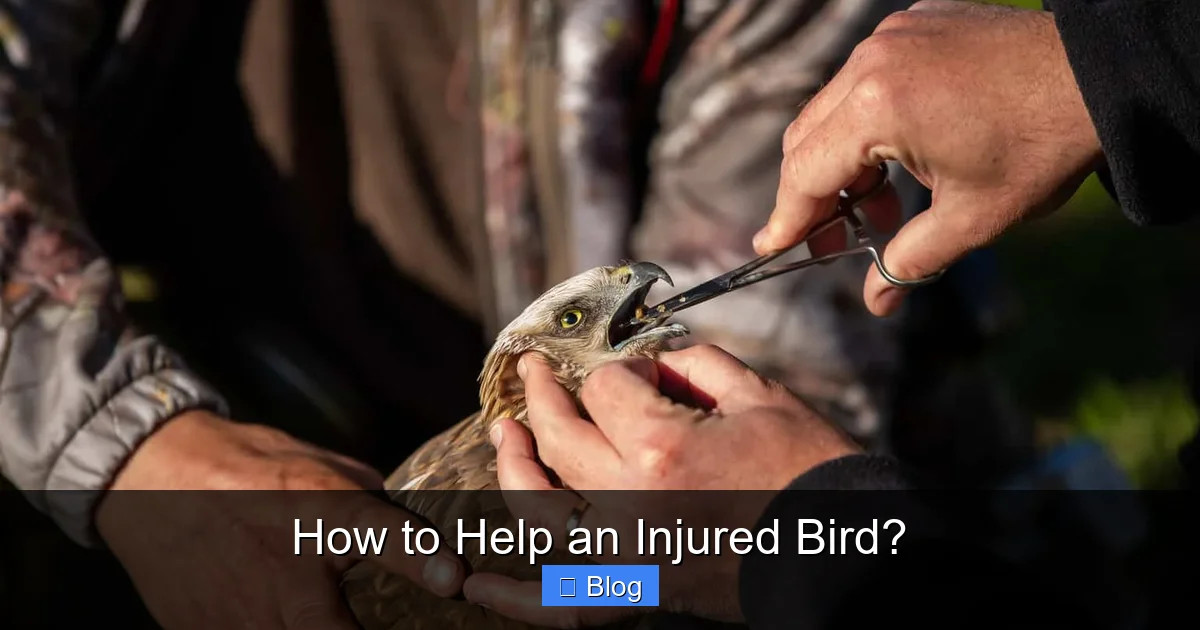
Finding an injured bird can be distressing, but your calm and informed actions can make a huge difference. The most crucial steps are to prioritize your safety, gently contain the bird in a warm, dark, and quiet space, and immediately contact a licensed wildlife rehabilitator. Remember, never attempt to feed or give water to an injured bird, as this can cause more harm. Promptly seeking professional help gives the bird the best chance for recovery.
How to Help an Injured Bird?
Imagine you’re enjoying a peaceful day in your garden or walking through a park, when suddenly, you spot it: a small bird, motionless on the ground, perhaps with a drooping wing or struggling to fly. Your heart sinks. It’s an injured bird, and your immediate instinct is to help. This moment of discovery can be unsettling, but your calm, informed response can truly make a difference in that bird’s life.
Birds are incredibly resilient creatures, but they are also fragile. Collisions with windows, attacks from predators, falls from nests, or even environmental hazards can leave them vulnerable and in need of assistance. While our intentions are always good, knowing *how* to help an injured bird correctly is crucial. The wrong actions, even with the best of intentions, can inadvertently cause more harm. This guide will walk you through the essential steps, from initial observation to getting the bird into the hands of experienced professionals, ensuring you give it the best possible chance at recovery.
Your Role in Helping an Injured Bird
It’s natural to feel a rush of compassion when you encounter a bird in distress. Your role, however, isn’t to be a veterinarian or a long-term caregiver. Instead, think of yourself as a vital first responder. Your primary goals are to ensure safety (for both you and the bird), provide immediate comfort and stabilisation, and most importantly, facilitate a swift transfer to a licensed wildlife rehabilitator. These specialists possess the knowledge, training, and facilities required to properly diagnose, treat, and ultimately release the bird back into its natural habitat. Let’s explore how you can effectively help an injured bird.
Key Takeaways
- Assess Safely: Always prioritize your own safety first. Observe the bird from a distance to determine if it truly needs help, especially differentiating between a fledging and an injured adult.
- Gentle Containment: Use gloves and a towel to carefully place the bird into a secure, well-ventilated box lined with a soft cloth. This minimises stress and prevents further injury.
- Provide Warmth & Darkness: Place the contained bird in a quiet, dark, and warm location indoors. Darkness helps reduce stress and conserve energy, critical for recovery.
- Never Offer Food or Water: Injured birds can easily aspirate (inhale liquid into lungs) or choke. Only a professional rehabilitator knows the correct diet and hydration methods.
- Contact a Professional Immediately: The most vital step is to find and contact a licensed wildlife rehabilitator or rescue centre as soon as possible. They have the expertise, permits, and resources to provide proper medical care.
- Avoid Self-Treatment: Do not attempt to medicate or provide extensive treatment yourself. Amateur care can often do more harm than good and is illegal in many places for protected species.
Quick Answers to Common Questions
Can I give an injured bird water?
No, you should never give an injured bird water or food. Injured birds can easily aspirate (inhale liquid into their lungs), leading to pneumonia, or choke. Only a trained wildlife rehabilitator can properly rehydrate and feed a bird.
What should I do if a bird hits my window?
If the bird is stunned, gently place it in a dark, quiet cardboard box for 15-30 minutes. If it recovers and flies off, great. If it remains stunned or shows signs of injury, contact a wildlife rehabilitator immediately.
Is it okay to touch a baby bird?
Yes, it’s generally okay to gently touch a baby bird to return it to its nest if it’s a nestling (featherless or downy). Parent birds do not reject their young based on human scent. However, always wear gloves for your safety and the bird’s.
How do I find a wildlife rehabilitator?
The best way is to search online for “wildlife rehabilitator near me” or “bird rescue [your city/region]”. You can also call your local animal shelter, humane society, or veterinarian for a referral.
Should I try to treat a bird’s broken wing myself?
Absolutely not. Attempting to treat a bird’s broken wing or any other injury yourself can cause further damage, pain, and reduce its chances of recovery. Wild birds require specialised veterinary care from licensed rehabilitators.
📑 Table of Contents
- 1. Safety First: Assessing the Situation and Protecting Yourself
- 2. Gentle Intervention: Preparing to Help the Injured Bird
- 3. Providing Immediate Comfort and Stabilisation
- 4. Finding Professional Help: Contacting Wildlife Rehabilitators
- 5. Common Scenarios and Quick Actions
- Conclusion: Your Kindness Makes a Difference
1. Safety First: Assessing the Situation and Protecting Yourself
Before you even think about touching an injured bird, your safety, and the bird’s safety, must be the top priority. Rushing in without caution can lead to scratches, pecks, or even put you in a dangerous situation.
Prioritising Your Safety
Wild animals, even small birds, can be unpredictable when frightened or in pain. They may bite, scratch, or flap aggressively. More importantly, birds can carry diseases or parasites that could be transmissible to humans, though the risk is generally low with proper precautions.
- Wear Gloves: Always wear sturdy gloves (garden gloves, leather gloves, or even disposable latex gloves if that’s all you have) before handling any wild animal. This protects both you from potential scratches or diseases and the bird from any oils or bacteria on your skin.
- Assess Your Surroundings: Is the bird near a busy road, in a risky location, or are there predators (like a cat or dog) nearby? Ensure it’s safe for you to approach before moving forward.
Observing from a Distance: Is the Bird Truly Injured?
Sometimes, what appears to be an injured bird is actually a young bird learning to fly, or a bird simply stunned for a moment. A few careful observations can help you decide if intervention is truly necessary.
- Look for Clear Signs of Injury:
- Visible blood, open wounds, or broken bones (e.g., a wing hanging at an unnatural angle).
- Limping or inability to stand.
- Shaking, shivering, or lethargy.
- Eyes closed or partially closed, unresponsive.
- Difficulty breathing, rapid breathing, or gasping.
- Feathers ruffled, matted, or missing.
- Is it a Fledgling? Young birds that have recently left the nest (fledglings) often spend a few days on the ground, learning to fly and forage, while their parents are usually nearby, watching and feeding them. They might look clumsy and vulnerable, but they are generally fine. Look for fully feathered birds that can hop or flutter short distances. If the bird is partially feathered, mostly featherless, or too young to hop, it might be a nestling that has fallen out of its nest and needs help returning to it (if possible and safe). Unless a fledgling is clearly injured or in immediate danger, it’s best to leave it alone.
- Stunned Birds: A bird that has flown into a window might appear injured but could just be stunned. Give it 15-30 minutes in a safe, quiet spot (like a covered box) to recover. If it doesn’t recover or shows clear signs of injury, then proceed with the steps below.
If you’ve confirmed the bird is genuinely injured or in immediate danger, it’s time for the next step: gentle intervention.
2. Gentle Intervention: Preparing to Help the Injured Bird
Once you’ve determined that the bird needs your help, the goal is to safely contain it with minimal stress. This requires a few simple supplies and a calm approach.
Gathering Your Supplies
You don’t need fancy equipment to help an injured bird. Most items you’ll find around your home.
- A Cardboard Box: A sturdy cardboard box (shoe box, tissue box, or similar) with air holes is ideal. The size should be appropriate for the bird – large enough for it to stand up and turn around, but not so large that it can bounce around and injure itself further.
- A Soft Cloth or Towel: Line the bottom of the box with an old t-shirt, towel, or paper towels. This provides cushioning, warmth, and a dark space.
- Gloves: As mentioned, for your safety.
- Small Net (Optional): If the bird is still somewhat mobile and difficult to catch, a small net can be helpful, but often a towel is sufficient.
Approaching with Caution
Remember, an injured bird is a stressed bird. Approach slowly and quietly, avoiding sudden movements or loud noises that could further panic it.
- Be Patient: Rushing will only make the bird more agitated and harder to catch.
- Minimise Talk: Keep conversations to a minimum and in a soft, soothing tone if you must speak.
How to Safely Contain the Bird
The goal is to gently secure the bird without causing further injury or stress.
Here’s a step-by-step guide:
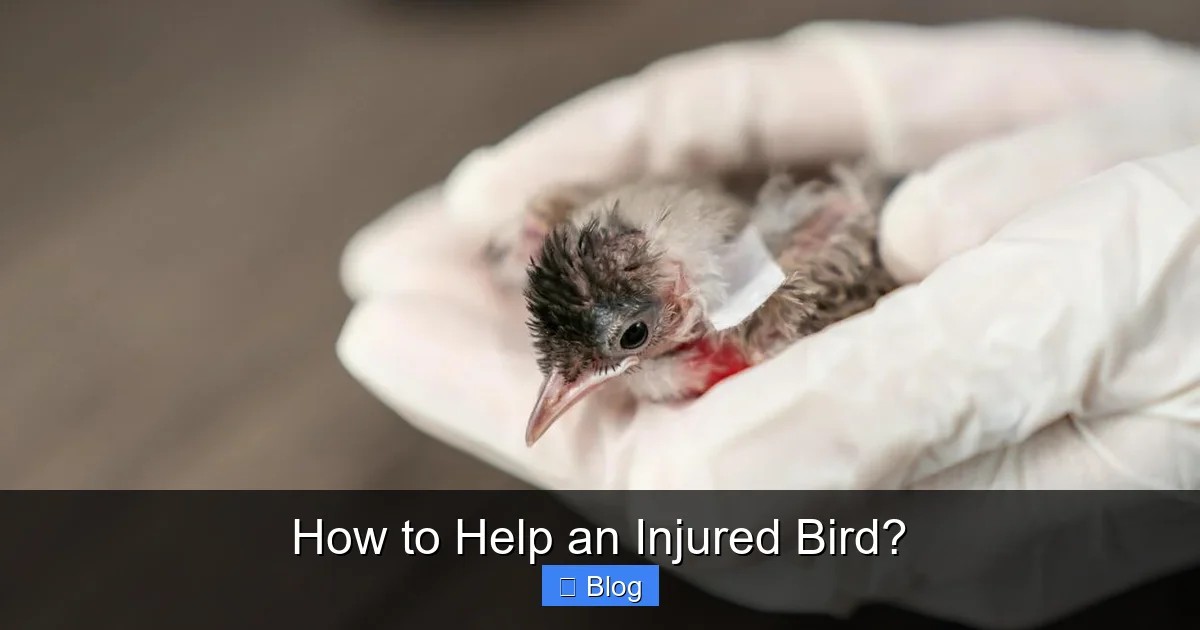
Visual guide about How to Help an Injured Bird?
Image source: static.vecteezy.com
- Drape a Towel Over It: Slowly approach the bird and gently drape a towel or cloth over its entire body, including its head. This helps to calm the bird by covering its eyes and preventing it from struggling too much.
- Gently Scoop It Up: With your gloved hands, gently scoop up the bird, holding its wings against its body to prevent flapping. Be firm but gentle. Avoid squeezing the bird, especially its chest, as this can restrict its breathing.
- Place in the Box: Carefully place the bird into the prepared cardboard box. Close the lid securely but ensure the air holes allow for proper ventilation.
- Keep it Dark and Quiet: A dark environment helps to calm the bird, reducing its stress and conserving its energy.
Practical Tip: If the bird is larger or particularly feisty, you might need a second person to help gently guide the towel over it. Always prioritise safety over speed.
3. Providing Immediate Comfort and Stabilisation
Once the bird is safely contained, your next priority is to provide a calm, warm, and dark environment while you seek professional help. This initial stabilisation can be critical for its survival.
Creating a Safe, Warm, Dark Space
The best place for an injured bird is a quiet, dark, and warm spot.
- Find a Quiet Location: Place the box in a room away from pets, children, loud noises, and direct sunlight. A spare bathroom or utility room is often suitable.
- Maintain Warmth: Injured birds often go into shock and can become hypothermic.
- You can place a gently heated water bottle (wrapped in a towel to prevent direct contact and burns) or a chemical hand warmer *underneath* one half of the box. This allows the bird to move away if it gets too warm.
- Alternatively, a desk lamp shining *on* one half of the box from a safe distance can provide warmth.
The goal is to provide supplemental warmth, not to overheat the bird.
- Keep it Dark: The darkness helps to calm the bird, reducing fear and conserving its energy, which is vital for recovery. Resist the urge to constantly check on it or open the box.
What NOT to Do: Food, Water, and Medications
This is one of the most important pieces of advice when learning how to help an injured bird. It might seem counterintuitive, but offering food or water to an injured bird can be extremely dangerous.
- No Food: An injured or shocked bird cannot properly digest food. Feeding it can cause choking, aspiration (inhaling food into its lungs), or gut stasis, all of which can be fatal.
- No Water: Similarly, trying to give an injured bird water with a dropper or syringe is very risky. Birds can easily aspirate water, leading to pneumonia. Their natural drinking mechanisms are complex and cannot be mimicked by an untrained person.
- No Medications: Never attempt to give an injured bird human or pet medications. The dosages are completely different, and you could easily poison the bird.
Remember: Your job is temporary containment and transfer to a professional. Trust the experts to handle the feeding, hydration, and medical treatment.
Minimising Stress
Stress is a major killer of wild animals in captivity. Everything you do should be aimed at reducing the bird’s stress levels.
- Limit Handling: Once the bird is in the box, avoid unnecessary handling. Each interaction is a stressor.
- Keep it Quiet: Ensure the environment around the box remains calm and quiet.
- No Pets Around: Keep dogs and cats away from the room where the bird is housed. Their mere presence, even outside the room, can cause significant stress to a wild bird.
4. Finding Professional Help: Contacting Wildlife Rehabilitators
This is the most critical step in successfully helping an injured bird. Wildlife rehabilitators are trained professionals who have the permits, experience, and facilities to properly care for injured, orphaned, or sick wild animals.
Why Professional Help is Crucial
Wildlife rehabilitators are equipped to:
- Diagnose Injuries: They can accurately assess the bird’s condition, identify injuries, and determine the best course of treatment.
- Provide Medical Care: This includes administering fluids, medication, setting fractures, treating wounds, and performing necessary surgeries.
- Offer Species-Specific Diet: They know the precise dietary needs of different bird species.
- Rehabilitation for Release: Their ultimate goal is to rehabilitate the bird so it can be released back into the wild, which often involves flight conditioning and learning to forage independently.
- Legal Compliance: In many countries, it is illegal to keep wild birds, especially migratory birds, without proper permits. Rehabilitators operate within these legal frameworks.
How to Find a Licensed Rehabilitator
Finding a local rehabilitator should be your immediate next step after containing the bird.
- Online Search: The fastest way is to search online for “wildlife rehabilitator near me,” “bird rescue,” or “animal rescue [your city/region].” Many regions have dedicated wildlife rescue hotlines.
- Local Animal Shelters/Veterinarians: If you can’t find a dedicated wildlife rehabilitator directly, call your local animal shelter, humane society, or a veterinarian’s office. While they might not treat wild birds themselves, they often have lists of licensed wildlife rehabilitators they can refer you to.
- State Wildlife Agencies: Your state’s department of natural resources or wildlife agency often maintains a list of licensed rehabilitators.
Time is of the Essence: Don’t delay. The sooner the bird gets professional attention, the better its chances of recovery.
What Information to Provide
When you call a rehabilitator, be prepared to provide clear, concise information:
- Your Contact Information: Name and phone number.
- Location of Discovery: Where exactly did you find the bird? This helps if they need to retrieve it.
- Species of Bird (if known): A general description (size, main colours) is helpful if you don’t know the exact species.
- Nature of Injury/Problem: What exactly did you observe? (e.g., “wing hanging low,” “unresponsive,” “cat attack victim”).
- Current Status: Is the bird contained? Is it active or lethargic?
Follow their instructions carefully, whether it’s to transport the bird yourself or to wait for them to arrange pick-up.
5. Common Scenarios and Quick Actions
Knowing how to help an injured bird often depends on the specific circumstances. Here are a few common situations you might encounter and what to do.
Window Collisions
Birds frequently fly into windows, especially during migration, becoming stunned or injured.
- Action: If the bird is stunned but otherwise appears uninjured, gently place it in a dark, quiet box (as described above) for 15-30 minutes. Check on it periodically without disturbing it too much. If it recovers and flies away strongly, great! If it remains stunned, shows clear signs of injury, or doesn’t recover, contact a rehabilitator.
- Prevention: To prevent future collisions, place decals, bird tape, or screens on your windows.
Cat Attacks
A bird caught by a cat, even if it appears uninjured, is always an emergency. Cat saliva contains bacteria that are highly toxic to birds, leading to fatal infections if not treated promptly with antibiotics.
- Action: If you find a bird that has been in a cat’s mouth, no matter how brief or seemingly minor the contact, contain it immediately and contact a wildlife rehabilitator. Emphasise that it was a cat attack. This information is critical for them to administer preventative antibiotics.
Stuck or Entangled Birds
Birds can get tangled in fishing line, netting, string, or even sticky traps.
- Action: Do NOT attempt to untangle the bird yourself, as you could cause more injury or break bones. Contain the bird if possible, *including* the material it’s tangled in (cutting a section of netting, for example). Contact a rehabilitator or your local animal control immediately. They have the tools and expertise to safely free the bird.
Baby Birds: Nestlings vs. Fledglings
This is a frequent point of confusion when people want to help an injured bird.
- Nestlings: These are very young birds, mostly featherless or with downy feathers, unable to hop or fly. If you find a nestling on the ground, look for its nest nearby. If you can safely return it to its nest, do so. Parent birds do not reject babies touched by humans. If the nest is destroyed or out of reach, or the nestling is injured, contact a rehabilitator.
- Fledglings: These are fully feathered young birds, often clumsy, hopping on the ground and practicing flying. Their parents are typically nearby, feeding and watching them. Unless a fledgling is clearly injured, in immediate danger (e.g., in a road, threatened by a cat), or cold/wet, it’s usually best to leave it alone. Watch from a distance for an hour or two to see if parents return. If no parents appear, or if it’s genuinely injured, then intervene and contact a rehabilitator.
Understanding these scenarios will significantly improve your ability to help an injured bird appropriately.
Conclusion: Your Kindness Makes a Difference
Finding an injured bird can be a moment of concern, but with the right knowledge and a calm approach, you can provide crucial assistance. Remember, your primary role is to be a bridge, safely guiding the bird from its moment of vulnerability to the care of professional wildlife rehabilitators. By prioritising safety, providing a secure and quiet environment, refraining from offering food or water, and promptly seeking expert help, you are giving that bird the very best chance at recovery and a return to the wild.
Every act of kindness toward wildlife helps foster a healthier, more compassionate environment for all living creatures. So, the next time you encounter an injured bird, you’ll know exactly how to help an injured bird, empowering you to make a meaningful difference.
Frequently Asked Questions
How can I tell if a bird is injured or just stunned?
An injured bird will often have visible wounds, blood, a drooping wing, be unable to stand, or appear lethargic and unresponsive. A stunned bird might be motionless for a short period but typically recovers its faculties within 15-30 minutes. If unsure, always treat it as potentially injured and contact a rehabilitator if it doesn’t recover quickly.
What if I find an injured bird after dark and can’t reach a rehabilitator?
If you find an injured bird after hours, the best approach is to safely contain it in a warm, dark, quiet box in a safe indoor location. Do not attempt to feed or water it. Contact a rehabilitator first thing in the morning. They often have emergency contact information or specific instructions for after-hours situations.
Will my pets bother an injured bird I’m trying to help?
Yes, your pets can significantly stress an injured bird. The presence of a dog or cat, even if they aren’t directly interacting, can cause immense fear in a wild bird, which can lead to further shock or even death. Always keep an injured bird in a separate room where pets cannot see or hear it.
Is it illegal to keep a wild bird?
In many places, including the United States (under the Migratory Bird Treaty Act) and numerous other countries, it is illegal to possess or keep wild birds without proper permits. This is why it’s crucial to transfer an injured bird to a licensed wildlife rehabilitator who has the necessary permissions and expertise.
What should I do if an injured bird is too large or dangerous to handle?
If the injured bird is a large raptor (like an owl or hawk), a heron, or another bird with sharp talons or a powerful beak, do not attempt to handle it yourself. Maintain a safe distance and immediately call a wildlife rehabilitator, animal control, or your local police department for assistance. They have trained personnel and equipment to safely capture such birds.
What should I do if I find a bird caught in fishing line or netting?
Do not attempt to untangle the bird yourself, as you could cause severe damage or further injury. Contain the bird if possible (including the material it’s tangled in by cutting a section of the netting or line if safe to do so) and immediately contact a wildlife rehabilitator or animal control. They have the specialized tools and expertise to safely free and treat the bird.