
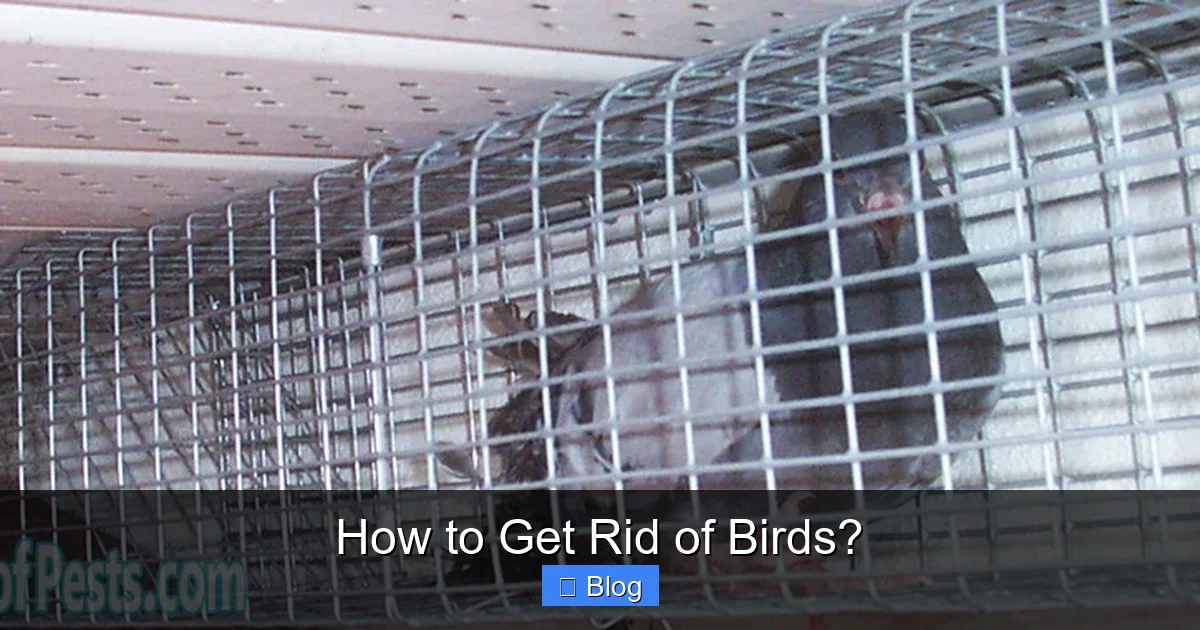
Birds can be a beautiful part of nature, but sometimes they become a nuisance, causing damage or creating unhygienic conditions around your home. Learning how to get rid of birds effectively and humanely involves a multi-pronged approach, combining preventative measures like removing food sources and blocking entry points, with active deterrents such as physical barriers, visual scares, and sound devices. The key is to understand what attracts them and then implement strategies that make your property unwelcoming without causing harm.
How to Get Rid of Birds?
There’s nothing quite like the cheerful chirping of birds in the morning, or the sight of a robin hopping across your lawn. Birds are often a delightful part of our natural world, bringing beauty and life to our surroundings. But let’s be honest, sometimes these feathered friends can become a real nuisance, turning from charming visitors into unwelcome guests who overstay their welcome and leave a mess behind.
Whether they’re nesting in your gutters, leaving droppings all over your porch, pecking at your fresh produce, or creating a racket at dawn, nuisance birds can cause significant headaches. You might find yourself wondering, “How do I get rid of birds without hurting them?” It’s a common dilemma, and the good news is that there are many humane and effective strategies you can use to encourage birds to find a new, more appropriate home away from your property. This guide is here to walk you through practical, friendly ways to manage unwanted bird guests.
Understanding how to get rid of birds effectively means taking a thoughtful, systematic approach. It’s not just about shooing them away once; it’s about making your property consistently unattractive to them so they choose to move on for good. We’ll explore everything from simple preventative measures to clever deterrents, all designed to keep both your property and the birds safe.
Key Takeaways
- Understand the Problem: Identify the specific bird species causing issues and what attracts them to your property (food, water, shelter) to tailor effective solutions.
- Prioritize Prevention: The most effective long-term strategy is to remove attractants like accessible food and water, and seal off potential nesting or roosting sites.
- Utilize Physical Barriers: Bird netting, spikes, and exclusion devices are highly effective in creating physical roadblocks that prevent birds from landing or accessing areas.
- Combine Deterrents: Birds are intelligent; using a combination of visual (decoys, shiny objects) and auditory (distress calls, sonic repellents) deterrents, and rotating them, prevents habituation.
- Always Be Humane: Focus on methods that deter birds without causing them injury or stress. Avoid sticky traps or poisons, which are cruel and often illegal.
- Consistency is Key: Whatever methods you choose, apply them consistently and persistently. Birds will eventually learn your property is not a safe or desirable place.
- Consider Professional Help: For large infestations, protected species, or complex structural issues, consulting a professional bird control expert is often the safest and most effective solution.
Quick Answers to Common Questions
Are bird spikes humane?
Yes, bird spikes are generally considered humane. They don’t harm birds; instead, they make surfaces uncomfortable or impossible for birds to land on, encouraging them to find alternative roosting spots.
What attracts birds to my yard?
Birds are typically attracted to yards that offer readily available food (bird feeders, fallen fruit, pet food), water (bird baths, leaky faucets), and shelter (dense bushes, trees, accessible eaves or vents).
Can sound deterrents really get rid of birds?
Sound deterrents can be effective, especially if they emit distress calls or predator sounds. However, birds can habituate to constant or repetitive sounds, so it’s best to use them sparingly, rotate types, or combine them with other deterrents.
Is it okay to remove a bird’s nest?
In many regions, particularly the United States, most native bird species, their nests, and eggs are protected by laws like the Migratory Bird Treaty Act. Removing an active nest (with eggs or chicks) is often illegal without a special permit. Always check local regulations before disturbing a nest.
When should I call a professional to get rid of birds?
You should consider calling a professional for large, persistent infestations, if birds are nesting in inaccessible or dangerous areas, if you suspect protected species are involved, or if you’re dealing with structural damage caused by birds.
📑 Table of Contents
- Understanding Your Feathered Foes and Why They’re a Nuisance
- Starting with Prevention: Making Your Property Less Appealing
- Physical Deterrents: The Barrier Method to Keep Birds Away
- Auditory and Visual Deterrents: Scaring Birds Off
- Natural and Humane Solutions: Respecting Wildlife While Protecting Your Home
- When All Else Fails: Professional Help for Persistent Bird Problems
- Conclusion
Understanding Your Feathered Foes and Why They’re a Nuisance
Before you can figure out how to get rid of birds, it helps to understand who you’re dealing with and why they’ve chosen your space. Different birds have different habits and motivations. Identifying the specific species and understanding their behavior will guide you toward the most effective solutions.
Common Nuisance Birds
- Pigeons: Often found in urban areas, pigeons are known for their messy droppings, which can damage buildings and spread disease. They love roosting on ledges, roofs, and balconies.
- Sparrows: Small but mighty, sparrows can quickly build nests in eaves, vents, and even outdoor light fixtures. They can be noisy and their nests can block drainage.
- Starlings: These aggressive birds often travel in large flocks. They can be very noisy and will push out native birds from feeders and nesting sites. They also create a lot of mess.
- Woodpeckers: While interesting to watch, woodpeckers can cause significant damage to wooden siding, eaves, and trees, often in search of insects or to establish territory.
- Gulls: Common in coastal areas, gulls can be very noisy, aggressive, and leave large, messy droppings. They are often attracted to discarded food.
The Problems They Cause
The issues caused by nuisance birds are varied and can range from minor annoyances to serious damage or health risks. Understanding these helps reinforce the need for effective bird control. Common problems include:
- Droppings: Bird droppings are not just unsightly; they’re acidic and can corrode building materials, paint, and car finishes. They can also carry diseases like histoplasmosis or salmonella.
- Nesting Material: Nests built in gutters, vents, or chimneys can block drainage, create fire hazards, and lead to water damage.
- Noise: Large flocks or persistent chirping/pecking can be incredibly disruptive, especially early in the morning.
- Property Damage: Woodpeckers can drill holes in siding. Birds pecking at fruit or vegetables can ruin crops.
- Health Risks: As mentioned, droppings can harbor bacteria and fungi. Bird mites can also infest homes from nests.
Why They Choose Your Property
Birds aren’t looking to cause trouble; they’re simply seeking the basics for survival: food, water, and shelter. If your property offers these, it becomes an attractive spot. To figure out how to get rid of birds, you need to identify and eliminate these attractions.
- Food: Bird feeders, spilled pet food, fallen fruit from trees, accessible garbage, and gardens full of berries or seeds are prime food sources.
- Water: Bird baths, leaky faucets, clogged gutters, or even pet water bowls can provide a convenient drink.
- Shelter: Overhangs, eaves, ledges, dense bushes, tall trees, attics, and open vents offer safe places to roost and nest away from predators and harsh weather.
Starting with Prevention: Making Your Property Less Appealing
The golden rule for how to get rid of birds is prevention. If you can make your property less attractive from the outset, birds will be less likely to settle in. This often involves simple changes that remove their reasons for being there.
Visual guide about How to Get Rid of Birds?
Image source: nashvillewindowfilm.com
Remove Food and Water Sources
This is often the first and most critical step. If there’s no easy meal or drink, birds will look elsewhere.
- Bird Feeders: While lovely, bird feeders are like open invitations. If nuisance birds are a problem, remove feeders, at least temporarily, or switch to feeder types that discourage larger birds (e.g., caged feeders for smaller birds).
- Pet Food: Don’t leave pet food bowls outdoors, especially overnight. Store pet food in sealed containers.
- Garden & Fruit Trees: Harvest ripe fruits and vegetables promptly. Netting (discussed later) can protect fruit trees and berry bushes. Clean up fallen fruit quickly.
- Garbage: Use trash cans with tight-fitting lids. Don’t leave bags of trash outside unsecured.
- Water Sources: Empty bird baths. Fix leaky outdoor faucets and irrigation systems. Ensure gutters are clean and draining properly so standing water doesn’t accumulate.
Eliminate Shelter and Nesting Sites
Birds need safe places to rest and raise their young. Taking these away makes your property less appealing.
- Trim Trees and Shrubs: Prune dense foliage, especially near your house, to reduce hiding and nesting spots.
- Seal Openings: Inspect your home for any gaps, cracks, or holes in eaves, attics, vents, and chimneys. Use caulk, mesh, or covers to seal these entry points. This is vital if you want to know how to get rid of birds from inside your home.
- Clean Gutters: Regularly clean gutters to prevent debris build-up, which can become an ideal nesting base.
- Block Ledges: Birds love to roost on flat ledges. Consider making them sloped or using physical deterrents.
Maintain a Tidy Yard
A clean and well-maintained outdoor space is naturally less inviting to pests, including birds.
- Rake Leaves and Debris: Remove piles of leaves or brush that could serve as shelter or attract insects, which birds might then hunt.
- Compost Piles: If you have a compost pile, ensure it’s contained and regularly turned to prevent it from attracting pests.
Physical Deterrents: The Barrier Method to Keep Birds Away
Sometimes prevention isn’t enough, or you need to protect specific areas. Physical barriers are one of the most effective and humane ways to get rid of birds because they simply block access without causing harm.
Bird Netting
Bird netting is an incredibly versatile and effective solution for protecting larger areas. It’s a physical barrier that prevents birds from landing or getting into specific spots.
- How to Use: Drape netting over fruit trees, vegetable gardens, or berry bushes before they ripen. Install netting under eaves, across balconies, or over open structures like pergolas to create a bird-free zone.
- Tips: Ensure the netting is taut and secured on all sides so birds can’t get underneath or become entangled. Choose appropriate mesh size – smaller holes for smaller birds.
Bird Spikes
Bird spikes are simple, humane devices designed to prevent birds from landing and roosting on ledges, windowsills, fences, signs, and other flat surfaces.
- How to Use: Install strips of spikes along any surface where birds commonly perch. They make the surface uncomfortable, forcing birds to find another spot.
- Tips: Spikes are typically made of plastic or stainless steel and are easy to install with adhesive, screws, or ties. They are effective for pigeons, gulls, and starlings.
Exclusion Devices
These are specific tools designed to block entry points that birds might exploit.
- Chimney Caps: Install sturdy metal caps on chimneys to prevent birds (and other animals) from nesting inside.
- Vent Covers: Cover all external dryer, bathroom, and kitchen vents with fine mesh screens to block entry while allowing airflow.
- Gutter Guards: While primarily for leaf protection, some gutter guards can also deter birds from nesting in gutters.
Sloping Surfaces
Birds prefer flat surfaces. Changing the angle can make a huge difference.
- Bird Slides: Install panels at a 45-degree angle on ledges or beams. This makes it impossible for birds to land comfortably. These are often sleek and less visible than spikes.
Auditory and Visual Deterrents: Scaring Birds Off
Birds are often skittish, and you can exploit this natural tendency with deterrents that scare them away. The trick with these methods for how to get rid of birds is to keep them guessing, as birds can quickly get used to static threats.
Visual Scares
Birds are naturally wary of predators and sudden movements or reflections.
- Shiny Objects: Hang old CDs, aluminum foil strips, or reflective tape (bird scare tape) from trees, eaves, or balconies. The flashing light and movement can startle birds.
- Predator Decoys: Plastic owls, hawks, or snakes can be effective, but only if you move them regularly. A stationary decoy quickly loses its scare factor. For added effect, some decoys have motion sensors or make sounds.
- Inflatable Scarecrows: These can be effective if they move in the wind or are repositioned often.
- Mylar Balloons: Brightly colored, shiny balloons that move in the wind can deter birds from gardens.
Auditory Devices
Sound can be a powerful deterrent, especially if it mimics threats.
- Sonic Repellents: These devices emit high-frequency sounds that are typically inaudible to humans but irritating to birds. Their effectiveness varies, and birds can sometimes become accustomed to them.
- Distress Calls/Predator Sounds: Some devices broadcast recordings of bird distress calls or the sounds of predators. These can be very effective, but should be used sparingly and strategically to avoid habituation in your efforts to get rid of birds.
- Motion-Activated Alarms: Small, motion-activated devices that emit a sudden sound (like a siren or loud squawk) when a bird approaches can be very effective in specific areas.
Water Sprinklers
A sudden spray of water is often enough to send birds flying.
- Motion-Activated Sprinklers: These are garden sprinklers equipped with a motion sensor. When a bird (or any animal) enters the sensor’s range, the sprinkler blasts a jet of water. They are humane and can be effective for keeping birds out of gardens or off lawns.
Natural and Humane Solutions: Respecting Wildlife While Protecting Your Home
When thinking about how to get rid of birds, it’s essential to prioritize methods that are humane and eco-friendly. Many natural solutions can deter birds without causing them stress or harm.
Taste and Smell Repellents
Some substances make surfaces unappealing for birds to land on or peck at.
- Gel Repellents: These sticky, non-toxic gels can be applied to ledges and roosting surfaces. Birds dislike the sticky sensation on their feet and will avoid the area. Ensure they are applied thinly to avoid trapping smaller birds.
- Methyl Anthranilate: This is a non-toxic, grape-flavored food additive that birds find irritating to their taste and smell. It’s often used in liquid or gel form and can be sprayed on plants or used in foggers in larger areas. It’s generally safe for humans and pets but always follow product instructions.
- Essential Oils (with caution): Some people try peppermint or eucalyptus oil, diluted, on surfaces. However, evidence of their long-term effectiveness for getting rid of birds is mixed, and they might need frequent reapplication. Always research and use sparingly, as some essential oils can be toxic to pets if ingested.
- Chili Pepper/Cayenne Pepper: Sprinkling cayenne pepper on plants or surfaces can deter birds from pecking, as they dislike the taste. Reapply after rain.
Habitat Modification
Sometimes, making slight changes to your landscape can deter birds naturally.
- Planting Choices: If you’re struggling with birds eating your berries, consider planting specific bird-friendly plants away from your main garden. For example, planting serviceberries or elderberries on the edge of your property might give them an alternative food source, drawing them away from your prized tomatoes.
- Providing Alternatives: If you enjoy watching birds but just don’t want them on your porch, consider setting up a dedicated bird-feeding and watering station far from your house. This can sometimes divert attention.
Patience and Persistence
Birds are smart creatures and can be quite persistent. Whatever method you choose for how to get rid of birds, consistency is key. Birds will test your defenses.
- Rotate Deterrents: If you’re using visual or auditory deterrents, don’t leave them in the same spot indefinitely. Move them around, change them up, or turn them off for a period to prevent birds from getting used to them.
- Combine Methods: A multi-faceted approach is almost always more effective. Combine physical barriers with visual scares, or habitat modification with regular cleanup. The more reasons birds have to avoid your property, the better.
- Stay Diligent: Don’t give up if the birds return. Reapply repellents, check netting for gaps, and continue to make your property an unwelcoming place.
When All Else Fails: Professional Help for Persistent Bird Problems
While many of the DIY strategies can be very effective for how to get rid of birds, there are times when the problem is too big, too complex, or involves protected species. In these cases, it’s best to call in the experts.
When to Call the Experts
- Large Infestations: If you’re dealing with hundreds of birds or a very entrenched population, professional pest control or bird control services have the tools and expertise to manage it efficiently.
- Protected Species: Many bird species are protected by federal and local laws (e.g., the Migratory Bird Treaty Act in the U.S.). This means you cannot disturb their nests, eggs, or young without specific permits. Professionals are knowledgeable about these laws and can advise on legal and humane solutions.
- Inaccessible Areas: If birds are nesting in high, hard-to-reach places like tall chimneys, commercial building ledges, or complex roof structures, it’s safer and more effective to hire professionals with specialized equipment.
- Complex Structural Issues: Sometimes, the problem stems from a design flaw in your building that makes it irresistibly attractive to birds. Professionals can suggest and implement structural modifications.
- Health Concerns: If there’s a significant buildup of droppings, particularly in an attic or ventilation system, cleaning it up safely due to potential disease risks is a job for trained professionals.
What Professionals Offer
Professional bird control services offer a range of solutions that go beyond what a homeowner can typically implement.
- Expert Assessment: They can accurately identify the bird species, assess the scope of the problem, and determine what attracts them.
- Specialized Deterrents: Professionals have access to advanced deterrents like specialized trapping, fogging systems, electrified tracks, or acoustic devices that are not available to the general public.
- Humane Trapping and Relocation: In some cases, and under strict permits, professionals may humanely trap and relocate birds, especially for protected species or very persistent populations.
- Cleanup and Sanitation: They can safely and thoroughly clean up droppings and nesting materials, mitigating health risks and preventing future infestations.
- Long-Term Solutions: Professionals often provide comprehensive strategies that include not just immediate removal but also long-term prevention and maintenance plans.
Legal Considerations
Before you take any action, especially if you suspect you’re dealing with a protected species, it’s crucial to understand local and federal wildlife laws. For instance, in the United States, the Migratory Bird Treaty Act protects most native bird species, their nests, and eggs. This means you generally cannot disturb them without a permit. Professionals are well-versed in these regulations and ensure all actions are compliant and humane.
Learning how to get rid of birds can be a journey, but with the right approach, you can reclaim your property. Remember, the goal is always to deter birds humanely, making your space less appealing so they choose to move on without harm.
Conclusion
Dealing with nuisance birds can certainly be frustrating, but knowing how to get rid of birds doesn’t have to be a stressful or harmful process. By adopting a proactive, humane, and multi-faceted approach, you can effectively reclaim your property and restore peace and cleanliness to your home and garden. Remember, the most successful strategies often start with simple prevention: remove the food, water, and shelter that attract them in the first place.
From installing physical barriers like netting and spikes to deploying visual and auditory deterrents, you have a wide array of tools at your disposal. The key is consistency, persistence, and a willingness to rotate methods to prevent birds from becoming too comfortable. Always prioritize humane solutions that simply encourage birds to find a more suitable habitat elsewhere.
If the problem persists or seems overwhelming, don’t hesitate to seek professional help. Wildlife control experts can offer specialized solutions and ensure all actions are legal and effective. With patience and the right techniques, you can enjoy your outdoor spaces without the unwelcome presence of nuisance birds, fostering a harmonious environment for both your family and the local wildlife.
Frequently Asked Questions
What’s the most effective way to get rid of birds from a balcony?
For balconies, the most effective methods include installing bird netting to completely exclude them, or placing bird spikes along ledges and railings. Hanging reflective tape or moving objects can also help deter them visually.
How do I stop birds from nesting in my gutters?
To prevent birds from nesting in gutters, regularly clean your gutters to remove nesting material and standing water. Installing gutter guards or mesh over the gutters can physically block access and make them less appealing.
Are chemical bird repellents safe for pets?
Many commercially available bird repellents, especially those containing methyl anthranilate, are generally considered safe for pets and humans when used as directed. However, always read product labels carefully and choose non-toxic options, especially if you have pets or small children.
Can I use bird netting on my fruit trees?
Yes, bird netting is an excellent way to protect fruit trees and berry bushes. Drape the netting over the trees before the fruit ripens, ensuring it’s securely fastened to the ground or trunk so birds cannot get underneath or become entangled.
What birds are protected by law?
In the United States, nearly all native bird species, their nests, and eggs are protected under the Migratory Bird Treaty Act. This means it is illegal to capture, kill, or possess them, or disturb their active nests, without a federal permit. Common nuisance birds like pigeons, house sparrows, and starlings are typically not protected.
How long does it take to get rid of birds?
The time it takes to get rid of birds can vary significantly depending on the species, the severity of the infestation, and the consistency of your deterrence methods. Some birds may leave quickly, while persistent populations could take weeks or even months of consistent effort and adaptation of your strategies.