
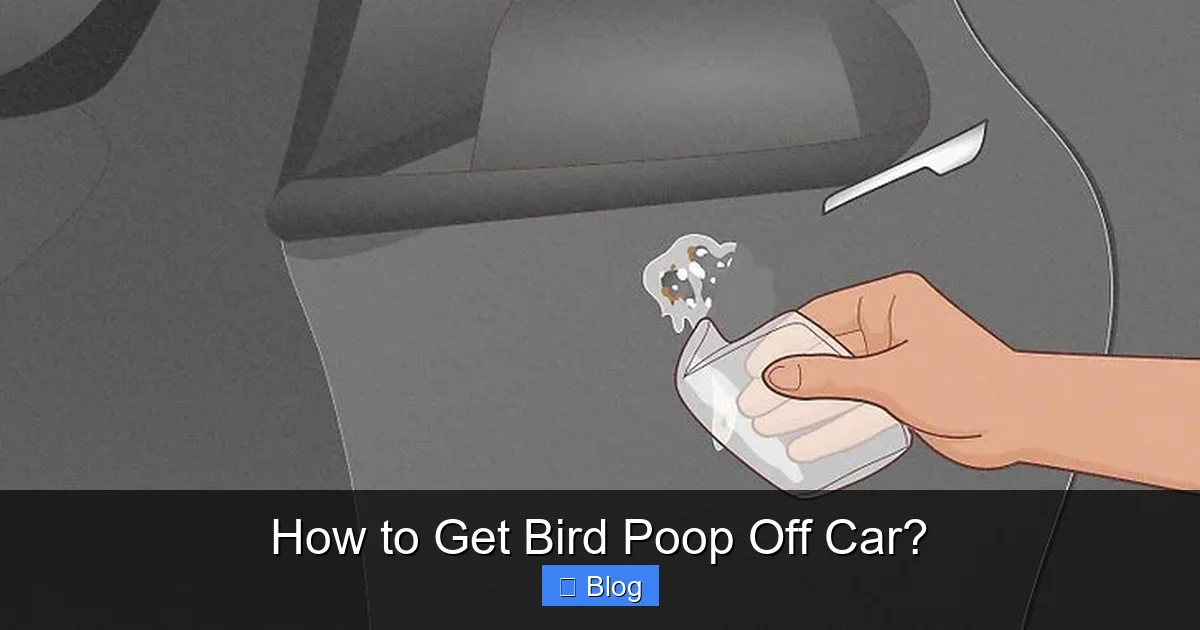
Bird poop isn’t just unsightly; it’s a destructive force that can permanently etch your car’s paint if not removed promptly. This comprehensive guide provides everything you need to know about how to get bird poop off car paint safely, from essential tools and step-by-step cleaning techniques to dealing with stubborn stains and vital prevention strategies. Act fast and protect your vehicle’s finish!
How to Get Bird Poop Off Car?
Ah, the dreaded bird dropping. You walk out to your car, ready to start your day, only to find an unwelcome splat of white and black goo adorning your perfectly polished paintwork. It’s more than just an eyesore; it’s a tiny, acidic time bomb threatening your car’s finish. Many car owners simply shrug it off or give it a quick dry wipe, but that, my friend, is a grave mistake that can lead to irreversible damage.
Bird poop isn’t just dirt; it’s a highly corrosive substance that, when left unchecked, can literally etch itself into your car’s clear coat and paint layers. The longer it sits, especially under the sun’s magnifying heat, the more harm it inflicts. Don’t despair, though! Knowing how to get bird poop off car paint safely and effectively is a skill every car owner should master. This guide is your ultimate resource, breaking down everything you need to know to tackle those airborne assaults and keep your car looking pristine.
Ready to learn the secrets to safe and effective bird poop removal? We’ll cover why it’s so harmful, the best tools for the job, a step-by-step cleaning process, how to handle those stubborn stains, and most importantly, how to prevent them in the first place. Let’s dive in and protect your automotive investment from those feathered fiends!
Key Takeaways
- Act Immediately: Bird droppings are highly acidic and can cause permanent paint damage (etching) very quickly, especially in direct sunlight.
- Use the Right Tools: Always opt for soft microfiber cloths, plenty of water or a quick detailer spray, and specialized car wash soap. Avoid harsh chemicals, abrasive materials, or dry wiping.
- Pre-Soak is Crucial: Never try to scrub dry bird poop. Always pre-soak the droppings to soften them, allowing for gentle, scratch-free removal.
- Wipe, Don’t Scrub: Gently lift the softened poop away from the paint rather than rubbing it in. Use fresh, clean sections of your cloth for each wipe.
- Consider Protection: Regular waxing, sealing, or ceramic coating creates a protective barrier, making bird poop easier to remove and less likely to cause damage.
- Prevention is Best: Park away from known bird perching spots and consider using a car cover for long-term parking to minimize bird droppings.
Quick Answers to Common Questions
Can bird poop permanently damage car paint?
Yes, bird poop can cause permanent etching and staining if left on car paint for too long, especially in direct sunlight, due to its highly acidic nature.
What is the fastest way to remove bird poop from a car?
The fastest and safest way is to saturate the poop with a quick detailer spray or water, let it soak for a few minutes to soften, then gently wipe it away with a clean microfiber cloth.
Can I use household cleaners like glass cleaner to remove bird poop?
While some glass cleaners might temporarily remove bird poop, they are often not pH-neutral and can strip wax, dry out plastic trim, or leave streaks. It’s best to stick to car-specific products like quick detailers or car wash soap.
How do I prevent bird poop from getting on my car?
Park away from trees, lampposts, and utility lines where birds perch. Using a car cover for extended parking or regularly applying wax/sealant can also help protect your paint.
What if bird poop has already etched my car’s paint?
For minor etching, a paint polish applied by hand or with an orbital polisher might correct the damage. For deeper etching, a more aggressive compound or professional detailing service might be necessary.
📑 Table of Contents
The Urgency: Why Bird Poop is More Than Just a Nuisance
Before we get into the “how,” it’s crucial to understand the “why.” Why is bird poop such a big deal, and why do you need to learn how to get bird poop off car paint quickly? It’s not just about aesthetics; it’s about preserving your car’s finish from a chemical attack.
The Chemical Attack: Acidic Nature
Bird droppings are a potent cocktail of uric acid and various other digestive byproducts. Uric acid is highly corrosive. Imagine pouring a mild acid onto your car’s paint – that’s essentially what a bird dropping does, albeit slowly. This acid begins to eat away at the clear coat, which is the transparent protective layer over your car’s paint. Over time, it can penetrate deeper, causing permanent discoloration and etching.
Physical Damage: Etching and Staining
When bird poop dries, it hardens and shrinks. As it shrinks, it pulls and tugs at the paint surface. This physical stress, combined with the chemical attack, can create what’s known as an “etching” – a visible mark or depression in the clear coat. These etchings are not just superficial; they are actual deformations of the paint surface. Furthermore, the pigments within the bird droppings can also stain the paint, leaving behind an unsightly mark even after the solid matter is removed.
Heat Amplification: Speeding Up Damage
The sun is bird poop’s accomplice. When bird droppings are exposed to direct sunlight, especially on a hot day, the heat accelerates the chemical reaction between the uric acid and your car’s clear coat. The heat also causes the paint to expand, making it more porous and susceptible to damage. This is why a bird dropping left for an hour on a sunny day can cause more damage than one left overnight in cooler temperatures. This makes understanding how to get bird poop off car quickly even more vital.
Essential Supplies for Safe Bird Poop Removal
Visual guide about How to Get Bird Poop Off Car?
Image source: wikihow.com
You don’t need a professional detailing kit to safely remove bird poop, but having the right supplies on hand makes all the difference. Using the wrong tools can scratch your paint, turning one problem into another.
The Basics: Water and Soft Cloths
At its core, all you truly need is plain old water and a very soft, clean microfiber cloth.
- Water: Lukewarm water is ideal. It helps to soften the hardened droppings without being too hot to damage wax or sealant.
- Microfiber Cloths: These are your best friends. Always use high-quality, plush microfiber cloths that are clean and free of any debris. Microfiber is super absorbent and gentle on paint. Keep a few dedicated cloths just for bird poop duty.
Specialized Cleaners: Quick Detailers and Car Wash Soap
For an even safer and more effective approach, consider these specialized products:
- Quick Detailer Spray (QD): A quick detailer is a fantastic product to have on hand. It’s designed to lubricate the surface, encapsulate dirt, and make contaminants easier to wipe away without scratching. It’s perfect for safely learning how to get bird poop off car spots.
- pH-Neutral Car Wash Soap: If you’re dealing with a larger splatter or have multiple droppings, a solution of pH-neutral car wash soap and water can be very effective. The soap provides lubrication and helps break down the organic matter.
DIY Solutions: Vinegar and Baking Soda (with caution)
Some people swear by DIY solutions, but use them with caution.
- Diluted White Vinegar: A 50/50 mix of white vinegar and water can help break down stubborn bird droppings due to its mild acidity. However, prolonged contact with vinegar can also strip wax or sealants, so use it sparingly and rinse thoroughly.
- Baking Soda Paste: A paste made from baking soda and water can be gentle and effective. Baking soda is mildly abrasive (so be gentle!) and alkaline, which helps neutralize the acid in the poop. Again, rinse very well.
Tools to Avoid: Abrasives and Dry Wiping
Never, ever use these:
- Paper Towels or Napkins: These are too abrasive and will scratch your paint.
- Rough Sponges or Brushes: These are paint-scratching machines.
- Your Finger or Fingernail: A quick way to leave permanent marks.
- Dry Wiping: This is perhaps the worst mistake. Wiping dry bird poop without lubrication is like rubbing sandpaper on your clear coat. You’ll embed tiny gritty particles into the paint, causing swirls and scratches.
Step-by-Step Guide: How to Get Bird Poop Off Car Safely
Now for the practical application! Follow these steps carefully to ensure you remove the bird poop without causing any additional damage.
Act Fast: The Golden Rule
The single most important rule when dealing with bird droppings is to remove them as quickly as possible. The longer they sit, the higher the risk of permanent damage. As soon as you spot it, make a plan to clean it.
Pre-Soak and Loosen: The Crucial First Step
This is the most critical stage for how to get bird poop off car without scratching.
- Gather your supplies: A spray bottle with water or quick detailer, and a clean microfiber cloth.
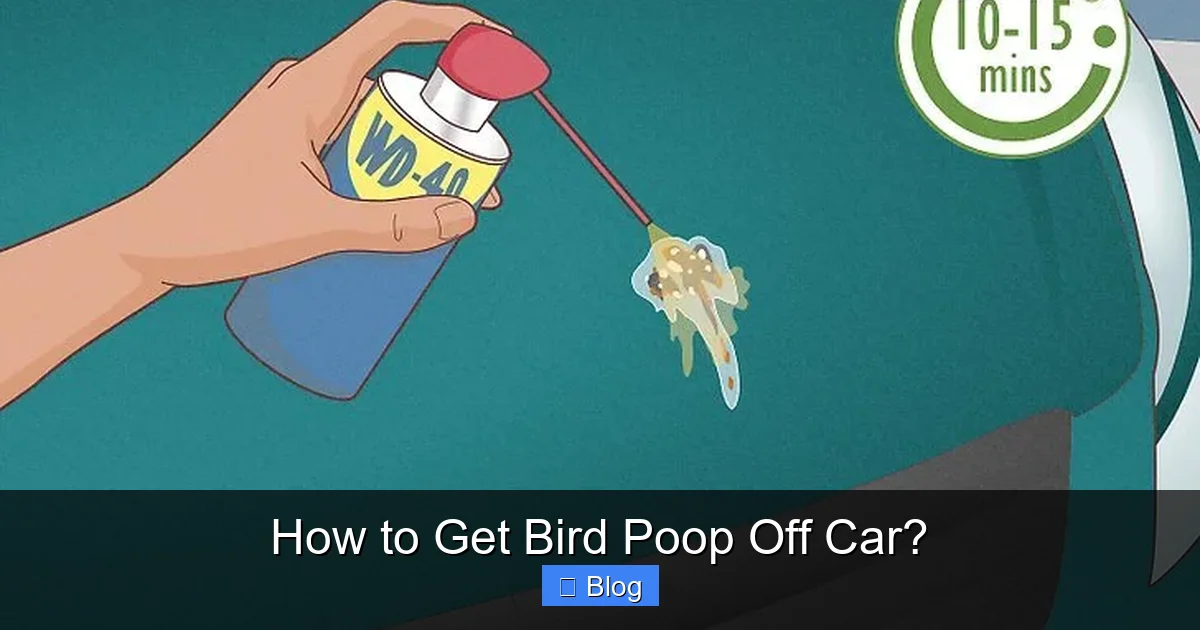
- Spray generously: Liberally spray the bird dropping with water or quick detailer. You want to completely saturate it.
- Let it soak: Allow the liquid to sit for several minutes (5-10 minutes, or longer for very dry, stubborn droppings). This softens the dried material, making it easier to lift off. You might even see the poop start to swell or dissolve slightly.
Gently Wipe Away: The Right Technique
Once softened, it’s time for removal.
- Fold your microfiber cloth: Fold your clean microfiber cloth into quarters. This gives you multiple clean surfaces to work with.
- Place and lift: Gently place a damp, folded section of your microfiber cloth over the softened bird poop. Do not rub immediately. Instead, apply very light pressure and let the cloth absorb the softened material.
- Wipe in one direction (if necessary): After a moment, very gently wipe in a single, straight motion, lifting the poop off the paint. Do not scrub in circles! If some remains, use a fresh, clean section of your cloth, re-spray, and repeat the gentle lifting motion. The goal is to lift and carry the waste away, not to rub it into the paint.
- Repeat until clean: Continue using fresh sections of your microfiber cloth and re-spraying if necessary until all traces of the bird poop are gone.
Rinse and Dry: Preventing Water Spots
After the poop is gone, a final rinse and proper drying are essential.
- Rinse the area: If you used soap or a DIY solution, give the area a quick rinse with clean water to remove any residue. Even with just water or quick detailer, a final light rinse can help.
- Dry gently: Using a separate, clean, dry microfiber towel, gently pat the area dry. Don’t let it air dry, especially in the sun, as this can leave water spots.
Inspect and Protect: Aftercare Tips
Once the bird poop is removed, take a moment to inspect the area.
- Check for etching: Look closely for any signs of etching or dull spots. Hold your head at different angles to catch reflections.
- Reapply protection: If the area looks clean and undamaged, consider reapplying a quick detailer with wax, or a dedicated wax/sealant to the spot you cleaned. This restores the protective layer that might have been compromised.
Dealing with Stubborn Stains and Etching
Despite your best efforts and prompt action, sometimes a particularly virulent dropping or delayed removal can leave a mark. Don’t panic; there are still steps you can take.
The Clay Bar Method: For Surface Contaminants
If, after cleaning, you feel a slight texture or see a faint outline that isn’t etched into the paint but rather “stuck” on top, a detailing clay bar might be the solution.
- How it works: A clay bar is a specialized polymer clay that gently pulls embedded contaminants from your paint’s surface without scratching.
- Process: Ensure the surface is clean. Spray a generous amount of clay lubricant (often a quick detailer) onto the affected area. Gently glide the clay bar across the lubricated surface. Fold the clay frequently to expose a clean surface. This can often lift residual staining that’s bonded to the clear coat.
Polish and Compound: For Deeper Etching
When the damage goes beyond the surface and you have an actual “etching” – a depression or dull spot in the clear coat – you’ll need to use an abrasive product like a polish or compound.
- Understanding the difference:
- Polish: Contains fine abrasives designed to remove minor swirls, light oxidation, and very shallow etchings by gently leveling the clear coat.
- Compound: Contains more aggressive abrasives for removing deeper scratches, oxidation, and more pronounced etchings.
- Application: These products require careful application, usually with an orbital polisher, but for very small, light etchings, they can be applied by hand with a foam applicator pad. Always start with the least aggressive product (polish) and test on an inconspicuous area first. The goal is to carefully remove a microscopic layer of clear coat to level the surface. This is a delicate process and requires patience.
Professional Help: When to Call the Experts
If you’re uncomfortable using polishes or compounds, or if the etching is deep and widespread, it’s always best to consult a professional detailer. They have the tools, expertise, and experience to safely correct paint defects and bring your car’s finish back to life. They can often fix damage that seems irreversible.
Prevention is Key: Keeping Your Car Poop-Free
The best way to deal with bird poop is to avoid it altogether! While you can’t control every bird in the sky, you can certainly minimize your car’s exposure.
Parking Smart: Avoid Perching Spots
This is the simplest and most effective prevention strategy.
- Avoid parking under trees: Trees are prime bird real estate. Birds love to perch and, well, do their business.
- Stay clear of lampposts and telephone poles: Similar to trees, these are popular perching spots.
- Watch out for utility lines: Birds often line up on utility lines, making them direct targets for anything underneath.
- Be mindful of parking garages: Even in garages, open-air spots near rafters or ledges can be risky.
Car Covers: The Ultimate Shield
For long-term parking, a car cover is your car’s best friend against bird droppings and other environmental hazards.
- Full protection: A good car cover will completely shield your vehicle from bird poop, tree sap, dust, and UV rays.
- Easy to use: While it takes a few minutes to put on and take off, it’s far less hassle than dealing with constant cleaning and potential paint damage.
Wax and Sealants: Your Car’s Invisible Armor
A well-maintained protective layer on your car’s paint makes a huge difference.
- Wax and Sealants: Applying a quality car wax or paint sealant regularly creates a sacrificial barrier over your clear coat. This layer takes the brunt of the bird poop’s acidity, making it much easier to wipe away before it reaches your paint.
- Ceramic Coatings: For even more durable protection, consider a ceramic coating. These advanced coatings create a semi-permanent, super-hydrophobic layer that resists contaminants, makes cleaning a breeze, and offers superior protection against etching.
Regular Washing: Don’t Let it Build Up
Even with prevention, some droppings are inevitable. Regular washing is crucial.
- Weekly washes: A weekly wash (or more frequently if your car is often exposed to the elements) ensures that any bird droppings or other contaminants don’t sit on your paint long enough to cause damage.
- Early detection: Regular washing also helps you spot any bird droppings early, reinforcing the “act fast” rule for how to get bird poop off car paint before it etches.
Conclusion
Bird poop on your car is more than just an annoyance; it’s a genuine threat to your vehicle’s paintwork. But armed with the right knowledge and tools, you can easily tackle this common car care challenge. Remember the golden rules: act fast, pre-soak, and wipe gently. By following our step-by-step guide on how to get bird poop off car paint and incorporating smart prevention strategies, you can keep your car’s finish looking pristine for years to come. Your car will thank you for the extra care, and you’ll enjoy a cleaner, shinier ride!
Frequently Asked Questions
How quickly does bird poop damage car paint?
The damage can start quite rapidly, sometimes within hours, particularly on hot, sunny days. The heat accelerates the chemical reaction between the uric acid in the droppings and your car’s clear coat, leading to etching and staining much faster.
Is it safe to use baby wipes to remove bird poop?
While convenient, most baby wipes contain ingredients like alcohol or oils that are not ideal for car paint and can strip waxes or leave residues. It’s always best to use products specifically designed for automotive finishes, like quick detailers or plain water and a microfiber cloth.
What type of cloth is best for removing bird poop?
A high-quality, plush microfiber cloth is the absolute best choice. Its soft fibers are gentle on paint, highly absorbent, and excellent at lifting contaminants away without scratching the surface.
Can I just spray my car with a hose to remove bird poop?
A strong spray from a hose might dislodge some loose droppings, but it’s often not enough to fully soften and remove dried bird poop without potential scratching. A pre-soak with a dedicated quick detailer or soapy water followed by a gentle wipe is much safer and more effective.
Do car waxes or ceramic coatings really help against bird poop?
Absolutely! Car waxes, sealants, and especially ceramic coatings create a sacrificial layer over your car’s clear coat. This barrier not only makes the surface slicker, making it harder for droppings to stick, but also provides a protective shield against the acidic attack, making cleanup easier and reducing the chance of etching.
What should I do if the bird poop is still wet?
If the bird poop is still wet, consider yourself lucky! Simply apply a quick detailer or spray water onto it and gently wipe it away with a clean microfiber cloth. Since it hasn’t dried and hardened, it’s far less likely to cause scratches or etching during removal.