
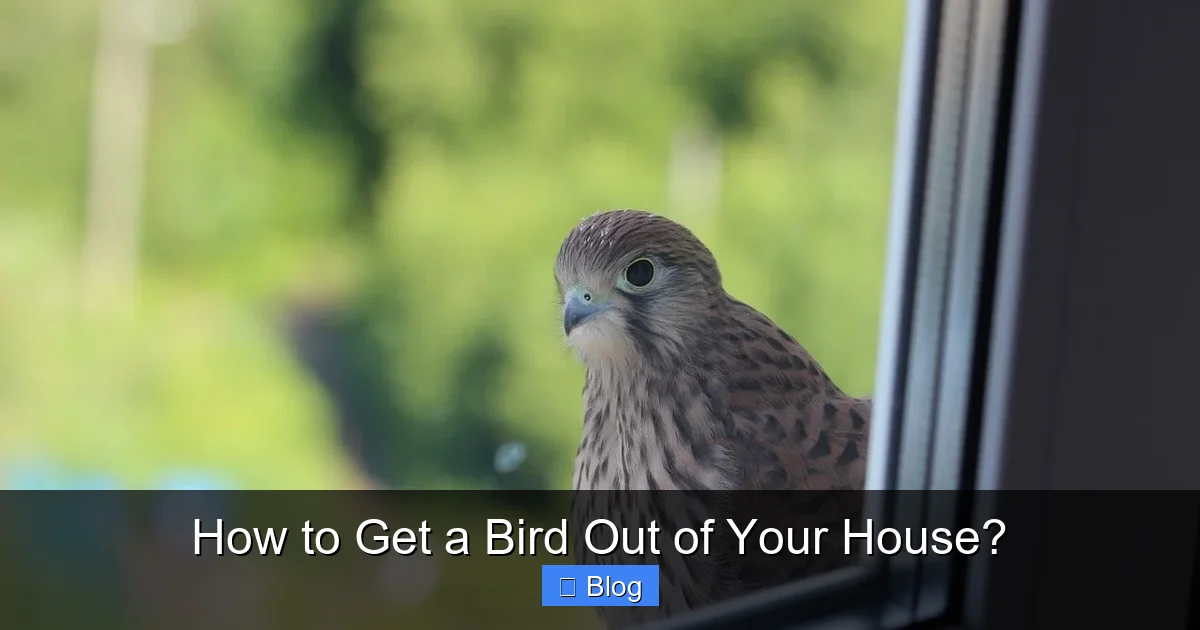
Finding a bird trapped inside your home can be startling, but staying calm is key to a successful and gentle rescue. The main goal is to guide the bird towards an open exit without causing it stress or injury. By creating a clear escape path and using gentle encouragement, you can safely help your feathered friend find its way back outside.
There’s nothing quite like the flutter and chirp of birds in nature. It’s a joyful sound, a beautiful sight. But when that fluttering and chirping are happening inside your living room? Well, that’s a different story! Finding a feathered friend unexpectedly flying around your home can be a startling, and sometimes messy, surprise. Your heart might race, and your first instinct might be to panic or chase it. But don’t worry, you’re not alone, and there are calm, effective ways on how to get a bird out of your house safely for both of you.
Birds usually enter homes by accident – perhaps a window was left open, a screen had a tiny tear, or they flew in through an open garage door. Once inside, the bright, reflective surfaces and enclosed spaces can disorient them, making it difficult to find their way back out. Our goal in this guide is to provide you with a step-by-step, compassionate approach to help your avian visitor return to its natural habitat without harm or unnecessary stress. Let’s explore how to get a bird out of your house, ensuring a happy ending for everyone involved.
So, take a deep breath. We’re going to walk through this together. With a little patience and the right techniques, you’ll be a pro at gently guiding birds back into the great outdoors in no time. The key is to remember that the bird is likely more scared than you are, and quick, frantic movements will only make the situation worse. Let’s learn how to get a bird out of your house in the calmest, most effective way possible.
Key Takeaways
- Stay Calm and Assess: Panic can make the bird more distressed. Take a deep breath, observe where the bird is, and plan your approach.
- Prioritize Safety for All: Ensure the bird’s safety by avoiding sudden movements and capturing attempts. Protect yourself by covering food and pets.
- Create a Clear Escape Route: Turn off lights, close interior doors, open exterior windows and doors wide, and remove obstacles leading outside.
- Guide, Don’t Chase: Use gentle movements, or a light towel/sheet, to softly direct the bird towards the open exit without making direct contact if possible.
- Patience is a Virtue: Getting a bird out of your house might take time. Be patient and allow the bird to find its way naturally.
- Troubleshoot Tricky Situations: For injured birds or persistent cases, consider calling animal control or a wildlife rehabilitator for expert help.
- Prevention is Best: Regularly check screens, close doors quickly, and be mindful of open windows to prevent birds from entering in the first place.
Quick Answers to Common Questions
How long does it usually take to get a bird out of your house?
It can vary greatly. Sometimes a bird will fly out within minutes of an exit being opened, while other times it might take 30 minutes to an hour of quiet waiting, or even longer if the bird is particularly disoriented or stubborn.
Should I try to catch the bird with my hands?
No, direct hand-catching should be avoided if at all possible. It can easily injure the bird, and a scared bird might peck or scratch. Only attempt to gently capture a bird if it’s injured or absolutely won’t leave, and always use gloves and a soft towel.
What if the bird keeps flying into windows?
This means the bird is disoriented. Turn off all internal lights and close curtains/blinds on all windows except your chosen exit. This makes the open exit appear much brighter and clearer, guiding the bird away from other glass surfaces.
Can a bird carry diseases that are harmful to humans?
While possible, it’s rare for common house-visiting birds to transmit serious diseases to humans through casual contact. However, it’s always wise to cover food, relocate pets, and wash your hands thoroughly after the bird has left, especially if you had any indirect contact.
What if the bird doesn’t seem to see the open door or window?
Birds are attracted to light. Ensure the chosen exit offers the brightest light source compared to the rest of the room. Try making the room darker by closing other blinds and turning off lights, so the outside light from the exit is the most prominent.
📑 Table of Contents
Stay Calm and Assess the Situation
Your immediate reaction might be to yell, flail your arms, or try to catch the bird. Resist this urge! Panic on your part will only transfer to the bird, making it more erratic, harder to catch, and increasing its risk of injury. A stressed bird is also more likely to crash into windows, furniture, or walls, potentially hurting itself.
Your Calmness Matters
- Take a Breath: Seriously, pause for a moment. Observe the bird’s movements. Is it flying erratically, or is it perched? Knowing its general location and behavior will help you plan your next steps.
- Turn Down the Noise: If there’s loud music, a TV, or other noisy distractions, turn them off. A quieter environment will help the bird calm down and make it easier for it to perceive an exit.
Bird’s Safety First
While you’re assessing, remember the bird is small and fragile. Its bones are hollow, and it can easily be injured by impact or rough handling. Your primary goal is to guide it out, not to grab it. Direct physical contact should be a last resort, and even then, it needs to be done with extreme care.
Protect Your Space and Pets
Before you start guiding the bird, take a moment to secure your home:
- Cover Food: If there’s any uncovered food or water out, cover it or put it away. Birds can carry germs, and you don’t want them contaminating your meals.
- Relocate Pets: If you have cats or dogs, their predatory instincts will kick in. This is dangerous for the bird and will add immense stress to the situation. Safely move them to another room and close the door.
- Clear Valuables: If the bird is flying near delicate items, you might want to temporarily move them out of the way to prevent accidental breakage.
Create an Escape Route: The Open Door Policy
This is arguably the most crucial step on how to get a bird out of your house. Birds are attracted to light and open spaces. We need to leverage this natural instinct to encourage them to leave.
Visual guide about How to Get a Bird Out of Your House?
Image source: opticsmag.com
Identify the Easiest Exit
Look around. Which door or window offers the clearest, most direct path to the outdoors from where the bird is currently located? This is your target exit.
Light the Way Out
- Turn Off Interior Lights: If it’s daytime, turn off all interior lights in the room where the bird is, and in any connecting rooms. This makes the outside light appear brighter and more inviting.
- Close Curtains/Blinds on Other Windows: Close curtains or blinds on any windows that are not your chosen exit. This prevents the bird from flying towards other glass surfaces, which it might mistake for an open path.
Open Wide!
- Windows: Open your chosen window as wide as possible. If it has a screen, remove it carefully. A screen, no matter how transparent, is an invisible barrier to a disoriented bird.
- Doors: If using a door, open it fully. If it leads to a screened-in porch, then you’ll need to open a door or window from the porch to the outside as well.
Eliminate Obstacles
Clear any obstacles that might block the bird’s path to the exit. Move furniture, hangings, or anything that could get in the way. The goal is to create a clear, straight shot to freedom. The more unobstructed the path, the easier it will be for the bird to see and reach the exit.
Gentle Encouragement and Herding
Once you’ve set up the escape route, it’s time to gently encourage the bird to use it. Remember, no sudden movements or aggressive chasing. You’re a guide, not a predator.
Patience is Key
Sometimes, simply opening an exit and waiting quietly for 15-30 minutes is enough. The bird might eventually spot the light and fly out on its own. This is often the least stressful method for the bird.
The “Ghost” Technique
If the bird isn’t leaving on its own, you can try gentle “herding.”
- Use a Towel or Sheet: Grab a lightweight towel, bed sheet, or a thin blanket. The idea is to create a soft, visual barrier that looks bigger than you are.
- Slow, Deliberate Movements: Hold the towel or sheet out, holding it wide, and slowly approach the bird from behind or from the opposite side of your chosen exit. Your aim is to gently “herd” it towards the open window or door.
- Avoid Trapping: Do not try to swipe at the bird or trap it with the towel. Just use it as a visual extension of yourself, making yourself appear larger and subtly guiding its flight path.
- Stay Low: If the bird is flying high, sometimes staying lower to the ground as you move can make you less intimidating.
When the Bird is Perched
If the bird has landed on a high shelf, a curtain rod, or a light fixture:
- Approach Slowly: Move slowly towards its perch.
- Gently Wag the Towel: Gently wag the towel or sheet below and slightly behind it. This might encourage it to fly up and away, ideally towards your open exit.
- Avoid Forcing It Down: Don’t try to knock it off its perch. Let it fly off on its own terms.
No Direct Contact If Possible
As much as you might want to, avoid touching the bird directly with your bare hands. It can be startling for the bird, you might injure it, or you could transfer oils from your skin to its feathers, which can affect its ability to fly. If you absolutely must handle it (e.g., if it’s injured), wear gloves and be extremely gentle.
Troubleshooting and Tricky Situations
Sometimes, the standard methods don’t quite work. Here’s how to tackle more challenging scenarios when trying to figure out how to get a bird out of your house.
The Stubborn Bird
What if the bird just won’t go near the open exit, or keeps flying to other parts of the house?
- Re-evaluate the Exit: Is there a better, more direct exit from its current location? Sometimes, choosing a different window or door can make all the difference.
- Be Patient (Again): Seriously, sometimes the best thing to do is leave the exit open, leave the room, and come back in 30 minutes to an hour. The quiet and solitude might be what the bird needs to find its way out.
- Try Bait (Use with Caution): If the bird is small and has been inside for a while, it might be hungry. You could try placing a small amount of birdseed (if you have it) or crumbs just outside the open window/door. However, this risks attracting other birds to your house, so use sparingly and only if truly stuck.
The Exhausted or Injured Bird
If the bird is flying weakly, seems to be favoring a wing, or has landed and isn’t moving, it might be exhausted or injured.
- Prepare for Gentle Capture: If you must capture an injured bird, put on thick gloves. Approach slowly. You can try to gently drape a light towel or sheet over it to calm it and restrict movement.
- Create a Dark, Quiet Space: Once gently secured, place the bird in a shoebox or small cardboard box with air holes. Do not offer food or water unless instructed by a professional, as improper feeding can do more harm than good. Keep the box in a dark, quiet place.
- Call for Help: Contact a local wildlife rehabilitator, animal control, or your nearest humane society immediately. They are trained to handle injured wildlife and can advise you on the next steps. Do not attempt to rehabilitate the bird yourself.
Birds in Difficult-to-Reach Places
Sometimes birds get into chimneys, attics, or behind walls. This requires a different approach.
- Chimneys: If a bird is in your fireplace/chimney, close the damper (if open) to prevent it from coming further into the house. If the bird is already in the room, follow the general guidelines. If it’s stuck in the chimney, contact a chimney sweep or wildlife removal service. Do NOT light a fire.
- Attics/Walls: If you suspect a bird is nesting or trapped in an attic or wall space, it’s best to call a professional wildlife removal service. They have the tools and expertise to safely remove the bird and seal entry points.
Prevention is the Best Medicine
After successfully getting a bird out of your house, the best strategy is to prevent it from happening again. A little vigilance goes a long way!
Check Screens Regularly
- Repair Tears: Inspect all window and door screens for tears, holes, or loose edges. Even a small opening can be an invitation for a curious bird. Repair them promptly.
- Ensure Proper Fit: Make sure screens fit snugly into their frames, leaving no gaps.
Be Mindful of Openings
- Close Doors and Windows: Make it a habit to close doors and windows, especially those that lead directly outside, when you’re not actively using them or if you’re leaving a room for an extended period.
- Garage Doors: If you leave your garage door open for ventilation or while working, be aware that birds can fly in. Consider putting up a temporary barrier or mesh if you need to keep it open for long stretches.
- Pet Doors: While less common, smaller birds could potentially squeeze through pet doors. Ensure your pet door is only open when necessary or consider one with a secure locking mechanism.
Reflective Surfaces
Birds can sometimes be attracted to their own reflection in windows, especially large, clean ones. Consider using bird-safe decals or strips on large windows that face greenery to make them more visible to birds, helping to prevent both entry and window collisions.
Educate Your Household
Make sure everyone in your home, especially children, understands the importance of keeping doors and windows closed and what to do if a bird accidentally flies in. Knowing how to get a bird out of your house is a good skill for everyone.
Conclusion: A Job Well Done
Finding a bird indoors can be a stressful event, but by following these calm, step-by-step instructions, you can safely and gently guide your feathered visitor back to its natural environment. Remember, patience, a clear escape route, and minimal direct interaction are your most powerful tools when you’re learning how to get a bird out of your house.
Once the bird is safely outside, take a moment to secure any potential entry points to prevent future incidents. You’ve not only saved a wild creature but also gained valuable experience in handling unexpected wildlife encounters with grace and compassion. Now you know exactly how to get a bird out of your house, and you can rest easy knowing both your home and the bird are safe once again.
Frequently Asked Questions
What attracts birds into a house in the first place?
Birds typically enter houses by accident, often through an open window or door that was left unattended. They might also find their way in through a torn screen, a gap in an attic vent, or an open garage door while seeking shelter or exploring.
Is it safe to leave the bird alone in the house to find its way out?
Yes, often the best approach is to open a clear exit, close off other rooms, and then leave the bird alone in a quiet environment. This reduces stress on the bird and gives it the space and time to discover the escape route naturally.
What kind of towel should I use to herd a bird?
Use a lightweight, soft towel, bed sheet, or thin blanket. You want something that is large enough to create a visual barrier but light enough not to harm the bird if it accidentally makes contact. Avoid heavy or rough materials.
What should I do if the bird is perched high and won’t move?
If the bird is high, try to use the towel or sheet to gently wave below and slightly behind it. This might encourage it to fly upwards and away. You can also try to be patient; eventually, it might fly down or move towards the open exit.
Should I offer food or water to a trapped bird?
Generally, no. A trapped bird is likely stressed and disoriented, and food or water could complicate the situation or even harm it if given improperly. Focus on getting it out quickly. If it seems exhausted or injured, contact a wildlife rehabilitator for advice.
How can I prevent birds from flying into my house again?
Regularly check and repair window and door screens, and make a habit of closing doors and windows promptly when not in use. Consider using bird-friendly window decals on large glass panes to make them more visible to birds, preventing collisions.