
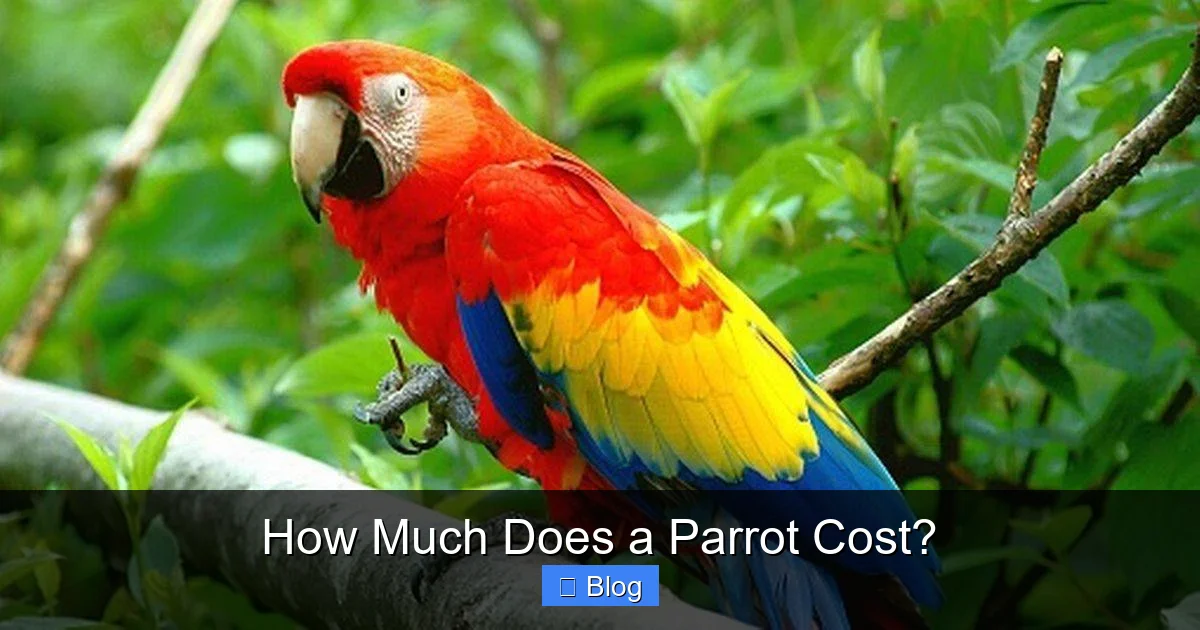
Bringing home a parrot is a significant financial commitment, far beyond just the initial purchase price. While the bird itself can range from tens to thousands of dollars depending on the species, age, and breeder, you must also factor in substantial costs for a proper cage, essential supplies, quality food, and crucial veterinary care. Understanding these total expenses is vital for responsible parrot ownership, ensuring your feathered companion thrives for its long lifespan.
How Much Does a Parrot Cost?
So, you’re dreaming of bringing a vibrant, intelligent, and talkative parrot into your home? It’s an exciting thought! These feathered companions can be incredibly rewarding, filling your life with joy, laughter, and sometimes, a little bit of playful mischief. Parrots are truly special creatures, known for their bright personalities and often, their ability to mimic human speech. But before you dive headfirst into the world of parrot ownership, there’s a really important question you need to ask yourself: “How much does a parrot cost?”
It’s a question that many first-time prospective owners ponder, and honestly, the answer is a bit more complex than a simple price tag. When we talk about how much a parrot costs, we’re not just looking at the initial purchase price of the bird itself. We’re talking about a much larger picture, encompassing everything from their habitat and daily needs to their long-term health and enrichment. Owning a parrot is a significant financial commitment, one that can easily span several decades, depending on the species you choose.
In this comprehensive guide, we’re going to break down all the costs involved, helping you get a clear picture of what it truly takes to provide a happy, healthy, and enriching life for your potential feathered friend. We’ll explore the initial price tags, the essential setup costs, ongoing expenses, crucial veterinary care, and even some hidden or unforeseen expenditures. By the end, you’ll have a much better understanding of the financial journey you’re about to embark on.
Key Takeaways
- Initial Purchase Varies Widely: The cost of the parrot itself can range from as little as $20 for a Budgie to over $10,000 for rare Macaws or Cockatoos, depending on species, age, and source.
- Cage is a Major Upfront Expense: A suitable, spacious, and durable cage can cost hundreds, often exceeding the price of smaller parrot species. It’s a critical investment for your bird’s well-being.
- Ongoing Costs are Significant: Monthly expenses for premium food, toys, and cleaning supplies can easily add up to $50-$200+, varying with the parrot’s size and needs.
- Veterinary Care is Crucial and Costly: Expect an initial vet check-up, annual wellness exams, and budget for potential emergency care, which can be very expensive for exotic birds.
- Parrots are Long-Term Commitments: Many parrot species live for decades (20-80+ years), meaning you’re committing to ongoing financial responsibility for a significant portion of your life.
- Factor in Hidden and Unforeseen Costs: Don’t forget potential expenses like boarding, insurance, behavioral consultations, or cage upgrades over time.
Quick Answers to Common Questions
How much does a Budgie parrot cost?
Budgies, also known as Parakeets, are among the most affordable parrots, typically costing between $20 and $60 for the bird itself.
What is the cheapest parrot to own initially?
The cheapest parrot to purchase initially is usually a Budgie (Parakeet), but always remember that initial purchase is just a small part of the overall cost of ownership.
Do rare parrot species cost more?
Yes, rarer parrot species, such as the Hyacinth Macaw, generally cost significantly more than common species due to their rarity, specialized breeding requirements, and high demand, often ranging from $8,000 to $15,000+.
What is the biggest upfront cost when getting a parrot?
Aside from the parrot itself, the largest upfront cost is almost always a high-quality, appropriately-sized cage, which can easily range from hundreds to thousands of dollars depending on the parrot’s size and the cage’s material.
How long do parrots live, and how does this affect cost?
Parrots are incredibly long-lived, with many species living 20-80+ years. This longevity means you are committing to decades of ongoing expenses for food, toys, vet care, and other needs, making the lifetime cost very high.
📑 Table of Contents
The Initial Purchase Price: The Bird Itself
Let’s start with the most obvious question: how much does the actual parrot cost? This is where the price range can be incredibly broad, varying significantly based on several factors. Think of it like buying a car; a compact sedan is very different in price from a luxury SUV, even though both are vehicles.
Factors Affecting Parrot Price
There are a few key things that influence the price tag of a parrot:
- Species: This is the biggest factor. Smaller, more common parrots like Budgies are far less expensive than larger, rarer species like Hyacinth Macaws.
- Age: Young, hand-fed babies often command a higher price because they are typically easier to socialize and train. Adult parrots, especially rescues, might be less expensive or even come with adoption fees.
- Breeder vs. Pet Store vs. Rescue: Buying from a reputable breeder often means higher prices, but you typically get a well-socialized, healthy bird with a known history. Pet stores might have varying prices. Rescues often have lower adoption fees, but the bird might come with specific needs or behavioral challenges.
- Hand-fed vs. Parent-raised: Hand-fed parrots are usually more expensive because of the intensive labor and time involved in raising them. They are generally more bonded to humans.
- Health and Socialization: A bird that has received regular vet checks, is fully weaned, and well-socialized will naturally be priced higher due to the investment made in its well-being.
Price Ranges by Popular Parrot Species
Here’s a general idea of how much different parrot species might cost for the bird itself. Remember, these are averages and can fluctuate based on location and the factors mentioned above.
- Budgies (Parakeets): These small, delightful birds are often the most affordable, typically ranging from $20 to $60.
- Cockatiels: Another popular choice for beginners, Cockatiels usually cost between $80 and $250.
- Lovebirds: Known for their affectionate nature, Lovebirds can be found for $50 to $200.
- Conures (Green-Cheeked, Sun, Jenday): These medium-sized parrots vary, with Green-Cheeked Conures usually $200-$500, and Sun or Jenday Conures often $500-$1,200+.
- Quakers (Monk Parakeets): These intelligent birds are generally in the $300-$700 range.
- African Greys (Congo, Timneh): Highly intelligent and sought after for their talking ability, African Greys are a significant investment, typically $1,000 to $4,000.
- Amazons (Blue-Fronted, Double Yellow-Headed): Known for their outgoing personalities, Amazons often range from $800 to $2,500.
- Eclectus: These stunning birds, with their striking color differences between males and females, usually cost $1,000 to $3,000.
- Cockatoos (Umbrella, Moluccan, Goffin’s): These affectionate but demanding birds are quite expensive, often $1,500 to $6,000+. Rarer species can be even more.
- Macaws (Blue and Gold, Greenwing, Scarlet, Hyacinth): The largest parrots, Macaws represent a top-tier investment. A Blue and Gold Macaw might be $1,500-$4,000, while a Hyacinth Macaw, the largest and most sought-after, can easily cost $8,000 to $15,000+.
Essential Setup Costs for Your Parrot’s New Home
Visual guide about How Much Does a Parrot Cost?
Image source: howmuchdoescost.com
Once you’ve decided on the parrot species, the next big chunk of your budget will go towards creating a safe, comfortable, and stimulating environment for your new companion. This isn’t just an expense; it’s an investment in your parrot’s physical and mental health.
The Cage: A Critical Investment
This is arguably the most important single item you’ll buy, and it often costs more than the parrot itself, especially for smaller species.
- Size: Always go for the largest cage you can afford and fit in your home. Your parrot needs room to climb, flap its wings, and play. A cage that’s too small leads to boredom, stress, and behavioral issues.
- Material: Stainless steel cages are the best (and most expensive) because they are durable, easy to clean, and non-toxic. Powder-coated steel is a good alternative but check for lead and zinc. Galvanized cages can be toxic.
- Bar Spacing: Crucial for safety. The bars must be close enough that your parrot cannot stick its head through and get stuck, but wide enough for it to grip.
- Cost Estimate:
- Small bird cage (Budgie, Lovebird): $50 – $200
- Medium bird cage (Cockatiel, Conure, Quaker): $150 – $600
- Large bird cage (African Grey, Amazon, Eclectus): $400 – $1,500+
- Extra-large bird cage (Macaw, Cockatoo): $800 – $3,000+ (or even more for custom stainless steel)
Perches, Toys, and Enrichment
Parrots need a stimulating environment. Perches provide places to rest, and toys offer mental and physical exercise, preventing boredom and destructive behaviors.
- Perches: Offer a variety of natural wood perches of different diameters and textures to keep feet healthy. Avoid dowel perches solely.
- Cost: $5 – $30 each, depending on size and material. You’ll need several.
- Toys: Parrots are intelligent and need to chew, forage, and play. Stock up on shreddable toys, foraging toys, bells, and swings. You’ll need to rotate these to keep your parrot engaged.
- Cost: $10 – $50+ per toy. Start with 5-10 and replace regularly.
Food and Water Dishes
You’ll need at least two bowls for food (pellets, fresh food) and one for water. Stainless steel is preferred for hygiene and durability.
- Cost: $20 – $80 for a set of good quality, cage-mounted dishes.
Lighting and Environmental Controls
Parrots benefit greatly from full-spectrum lighting (specifically UVA/UVB) to synthesize Vitamin D3, essential for calcium absorption and overall health.
- UVB/UVA Bird Lamp: A specialized lamp and fixture can cost $50 – $150 initially, with bulb replacements costing $20-$50 every 6-12 months.
- Humidifier: Some species (like Macaws and African Greys) thrive in higher humidity. A good humidifier might cost $40 – $150.
Ongoing Daily, Weekly, and Monthly Expenses
The initial setup costs are a one-time hurdle, but the financial commitment continues throughout your parrot’s long life. These recurring expenses are just as important to budget for.
Quality Parrot Food
A proper diet is the cornerstone of your parrot’s health. This isn’t just birdseed!
- Pellets: High-quality, veterinarian-recommended pellets should make up the bulk of your parrot’s diet.
- Cost: $15 – $70+ per bag, depending on size and brand. A large parrot will eat more.
- Fresh Produce: A daily variety of fresh fruits, vegetables, and leafy greens is essential.
- Cost: This comes out of your grocery budget, but factor in an extra $10 – $30 per week, depending on the bird’s size.
- Seeds and Nuts (Treats): Offered in moderation as treats, not a primary diet.
- Cost: $10 – $25 per bag/container.
Toy Replacements
Parrots love to chew and destroy toys – it’s natural and healthy! You’ll constantly be replacing them.
- Cost: Budget $20 – $100+ per month, depending on the parrot’s size and destructiveness. This can add up quickly.
Substrate/Liner
Keeping the cage clean is vital. Newspaper, paper towels, or specialized cage liners are common choices.
- Cost: Minimal if using recycled newspaper, but can be $10 – $30 per month for specific liners.
Cleaning Supplies
Bird-safe cleaners, brushes, and disinfectants are necessary for maintaining a hygienic environment.
- Cost: $10 – $30 every few months.
Training and Socialization
While not strictly “essential” supplies, investing in training resources or professional help can prevent future behavioral problems.
- Books/Online Courses: $20 – $100.
- Behavioral Consultant: $100 – $300+ per session, if needed.
The Crucial Role of Veterinary Care
Exotic pet veterinary care is highly specialized and often more expensive than care for dogs or cats. Parrots are masters at hiding illness, so regular check-ups are incredibly important.
Initial Vet Check-up
As soon as you bring your new parrot home, schedule an initial vet visit with an avian veterinarian. This check-up screens for common diseases and ensures your bird is healthy.
- Cost: $75 – $250+, often including basic tests like a fecal exam or blood work.
Annual Wellness Exams
Even if your parrot seems perfectly healthy, annual check-ups are critical for preventative care.
- Cost: $75 – $200 per visit, not including any further diagnostics or treatments.
Emergency Care
This is where costs can skyrocket. Parrots can develop illnesses or suffer injuries that require immediate, specialized attention.
- Cost: Can range from a few hundred dollars for minor issues to several thousands for surgeries, overnight stays, or chronic conditions. Always have an emergency fund for your parrot!
Grooming
Your avian vet can help with routine grooming if you’re not comfortable doing it yourself.
- Wing Clipping (if desired): $10 – $30 per visit.
- Nail Trims: $10 – $30 per visit.
- Beak Trims (if medically necessary): $30 – $75 per visit.
Unforeseen and Long-Term Costs
Beyond the regular expenses, there are other potential costs you should factor into your overall budget when considering how much a parrot costs over its lifetime.
Boarding and Pet Sitting
What happens when you go on vacation? Parrots need specialized care.
- Avian Boarding Facility: $20 – $70 per day, depending on the parrot’s size and needs.
- Pet Sitter: Rates vary greatly but expect similar daily costs.
Insurance
Pet insurance for exotic birds is becoming more available, offering peace of mind against expensive vet bills.
- Cost: Varies based on species, age, and coverage, but typically $15 – $50 per month. Consider if the monthly premium is worth it for your budget.
Behavioral Consultations
While rare, if your parrot develops serious behavioral issues (e.g., severe screaming, feather plucking, aggression), you might need to consult an avian behaviorist.
- Cost: $100 – $500+ for a consultation, possibly more for ongoing support.
Cage Upgrades
As your parrot grows, or if you find its current cage isn’t quite right, you might need to upgrade.
- Cost: Can be another significant investment, similar to the initial cage purchase.
Longevity of Parrots
This is a huge factor in the overall cost. Parrots are incredibly long-lived creatures.
- Budgies/Lovebirds: 7-15 years
- Cockatiels/Conures: 15-30 years
- African Greys/Amazons: 30-70 years
- Macaws/Cockatoos: 50-80+ years
Imagine feeding, housing, and providing vet care for an animal for 50 or even 80 years! That’s a lifetime commitment and a significant financial outlay over the decades.
Conclusion: The True Cost of a Feathered Friend
So, how much does a parrot cost? As you can see, it’s not just a single number on a price tag. It’s an ongoing, multifaceted investment that requires careful budgeting and a deep understanding of what these intelligent creatures need to thrive. From the initial purchase of the bird itself, which can range from a mere $20 to an astounding $15,000+, to the essential setup costs for their spacious home and the continuous expenses for premium food, stimulating toys, and specialized veterinary care, the financial commitment is substantial.
Before you welcome a parrot into your life, truly consider if you are ready for the long-term financial responsibility. This isn’t just about affording the bird; it’s about affording a full and enriching life for a creature that could be with you for many decades. Responsible parrot ownership means providing the best possible care, and that often comes with a significant price tag. But for those who are prepared and committed, the joy, companionship, and unique bond with a parrot are truly priceless.
Frequently Asked Questions
Are rescue parrots cheaper than buying from a breeder?
Often, yes. Adoption fees for rescue parrots are typically lower than purchase prices from breeders or pet stores. However, a rescue bird might come with specific needs or require more behavioral support, so it’s essential to understand their history.
How much should I budget for monthly parrot expenses?
Monthly expenses can vary widely depending on the parrot’s size, but a general budget for food, toys, and cleaning supplies could be anywhere from $50 to $200+. Larger parrots that go through toys quickly will be on the higher end.
Is pet insurance a good idea for parrots?
Pet insurance for parrots can be a very good idea, especially given the high cost of exotic vet care and potential emergency treatments. It can help mitigate unexpected, large veterinary bills, providing peace of mind for responsible owners.
Do all parrots need a UVB light?
While not all parrots *need* a UVB light to survive, most avian veterinarians recommend providing it. UVB light helps parrots synthesize Vitamin D3, which is crucial for calcium absorption, bone health, and overall well-being, especially for indoor birds.
Can I save money by building my own parrot cage?
While theoretically possible, building a safe and appropriate parrot cage is very challenging. You need to consider non-toxic materials, correct bar spacing, durability, and secure latches. It’s often safer and more cost-effective in the long run to invest in a commercially made, bird-safe cage.
What if I can no longer care for my parrot financially?
If you find yourself in a situation where you can no longer care for your parrot financially, it’s crucial to seek help from local parrot rescues, avian veterinarians, or reputable parrot organizations. They can provide guidance, connect you with resources, or help rehome your parrot responsibly, ensuring it continues to receive proper care.