
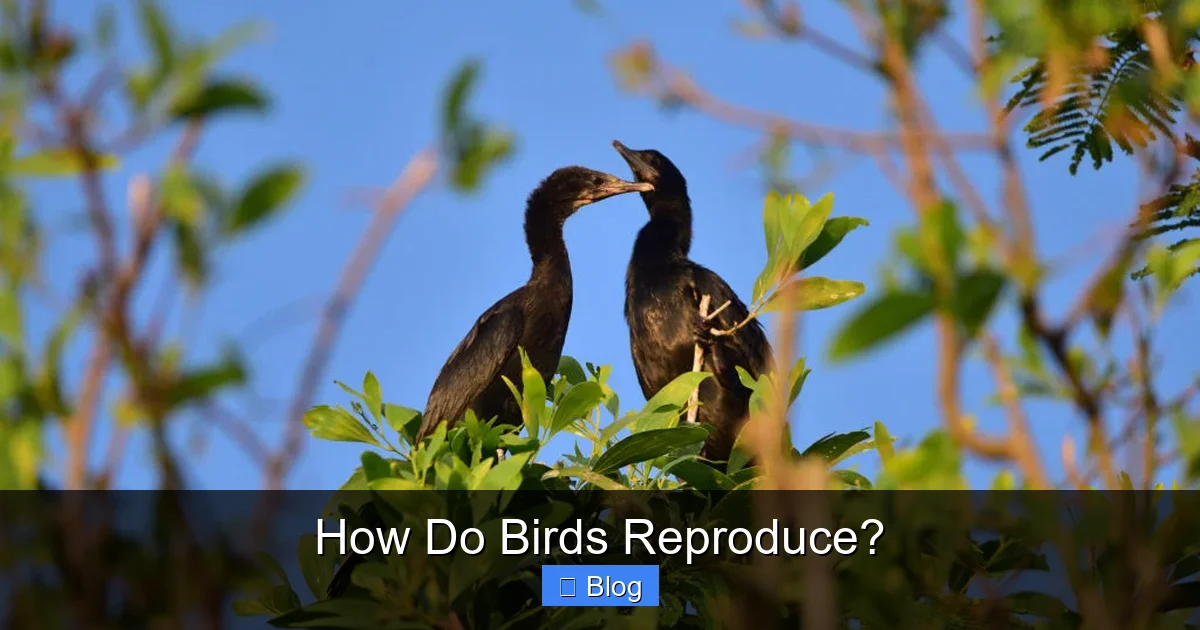
Birds reproduce through a fascinating and diverse process. It all begins with elaborate courtship rituals where males attract females using songs, dances, and displays. After successful courtship, mating occurs via the unique “cloacal kiss,” leading to internal fertilization. Females then lay eggs, which are carefully incubated until they hatch. Finally, parents dedicate themselves to raising their young, feeding and protecting them until they are ready to fledge and begin life independently.
Have you ever stopped to truly consider the incredible journey a bird takes to bring new life into the world? From the moment a tiny egg is formed to the first tentative flight of a fledgling, the process of avian reproduction is nothing short of miraculous. It’s a complex, beautifully orchestrated series of events, full of fascinating behaviors and biological wonders that showcase nature’s ingenuity.
Birds, with their ability to soar through the skies, build intricate nests, and sing melodious tunes, often spark our curiosity. One of the most common questions people ask is: “How do birds reproduce?” It’s a question that unlocks a world of vibrant courtship displays, unique anatomical adaptations, and devoted parental care. Let’s embark on a journey to understand the intricate steps involved when birds reproduce, exploring everything from the subtle biology to the spectacular displays that make it all possible.
Whether you’re a seasoned birdwatcher, a curious nature enthusiast, or simply someone who enjoys learning about the natural world, understanding how birds reproduce will deepen your appreciation for these amazing creatures. We’ll delve into the anatomy, the mating rituals, the miracle of the egg, and the diligent care parents provide, giving you a comprehensive look at the life cycle of our feathered friends. Get ready to uncover the secrets behind one of nature’s most captivating processes!
Key Takeaways
- Unique Anatomy: Birds possess a specialized reproductive system, with both sexes having a cloaca for waste expulsion and reproduction, and females typically having only one functional ovary.
- Elaborate Courtship: Attracting a mate involves complex and diverse rituals, including stunning visual displays, intricate songs, elaborate dances, and even offering gifts or help with nest building.
- The “Cloacal Kiss”: Unlike mammals, most birds mate via a brief contact called the “cloacal kiss,” where cloacas touch to transfer sperm, leading to internal fertilization.
- Egg Formation and Laying: After fertilization, an egg forms internally, complete with yolk, albumen, and a protective shell, and is then laid externally, often in a carefully constructed nest.
- Dedicated Incubation: Eggs require specific temperatures to develop, which is achieved through incubation by one or both parents, often involving a brood patch.
- Parental Care Diversity: Bird chicks can be altricial (helpless at birth) or precocial (more developed), influencing the intensity and duration of parental feeding, protection, and teaching until they fledge.
- Environmental Influence: Reproductive success in birds is heavily dependent on factors like habitat quality, food availability, predation levels, and stable environmental conditions.
Quick Answers to Common Questions
What is the cloaca?
The cloaca is a multi-purpose opening in birds used for expelling waste (feces and uric acid), and also for reproduction, serving as the exit point for eggs or sperm.
Do all male birds have a penis?
No, most male birds do not have an external penis. They reproduce through a brief contact of their cloacas, known as the “cloacal kiss.” Only some waterfowl, like ducks and geese, possess a penis-like structure.
What is a brood patch?
A brood patch is a featherless area of skin on a bird’s belly or breast that becomes engorged with blood vessels during incubation, allowing for efficient transfer of body heat to the eggs.
What is the difference between altricial and precocial chicks?
Altricial chicks are born helpless, naked, and blind, relying entirely on parents for care. Precocial chicks are born with feathers, open eyes, and can move and sometimes forage shortly after hatching.
What is fledging?
Fledging is the term for when a young bird leaves the nest for the first time, often making its initial attempts at flight.
📑 Table of Contents
The Avian Reproductive System: A Unique Design
When we talk about how do birds reproduce, we first need to understand their unique biological setup. Unlike mammals, birds have evolved a specialized reproductive system perfectly adapted for flight and efficiency. Their internal organs are generally lighter and more compact.
Male Anatomy: Cloaca and Testes
Male birds possess internal testes, which are responsible for producing sperm. These testes swell significantly during breeding season, sometimes growing hundreds of times their non-breeding size! The sperm then travels through small ducts to the cloaca. The cloaca is a multi-purpose opening found in both male and female birds. It serves as the exit point for digestive waste, urine (which birds expel as uric acid paste), and, crucially, for reproduction. Most male birds, with the exception of some waterfowl like ducks and geese, do not have an external penis. Instead, they rely on a technique known as the “cloacal kiss.”
Female Anatomy: Cloaca and Ovary
Female birds also have a cloaca, serving the same multi-purpose functions. However, their internal reproductive organs have a fascinating adaptation. To reduce weight for flight, most female birds develop only one functional ovary and oviduct, usually on the left side. The right ovary typically remains undeveloped or regresses. This functional ovary produces eggs. Once an egg cell (ovum) is released from the ovary, it enters the oviduct. It’s here that fertilization takes place, and the egg then develops its various layers – the albumen (egg white), membranes, and finally, the hard outer shell – before being laid through the cloaca. Understanding this streamlined anatomy is key to grasping how do birds reproduce effectively.
Internal Fertilization
Crucially, fertilization in birds is internal. This means the male’s sperm must enter the female’s body to fertilize the egg cell. This internal process ensures the developing embryo is protected within the mother’s body for a crucial period, maximizing the chances of successful fertilization before the egg is fully formed and laid. This mechanism is a fundamental step in how birds reproduce.
Courtship: The Dance of Attraction
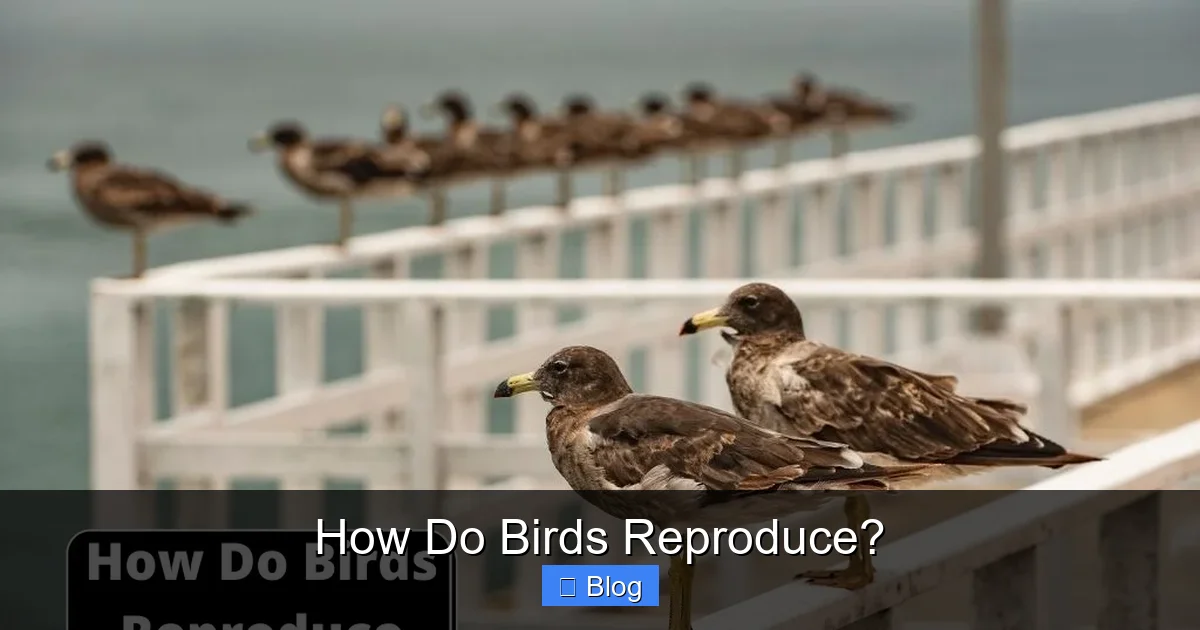
Visual guide about How Do Birds Reproduce?
Image source: birdsmaster.com
Before any mating can occur, birds engage in a period of courtship, a spectacular display of nature’s artistry. Courtship is all about attracting a mate, demonstrating fitness, and forming a pair bond. The methods birds use are incredibly diverse and often breathtaking to observe. It’s a vital part of figuring out how do birds reproduce successfully.
Visual Displays (Plumage, Dances)
Many birds use their vibrant plumage to attract a mate. Male birds, in particular, often sport brighter, more elaborate feathers than females. Think of the peacock’s magnificent tail, fanned out in a shimmering display of color. Beyond static beauty, birds also engage in elaborate dances. Cranes perform elegant, leaping ballets, while birds of paradise contort their bodies into extraordinary shapes and positions to highlight unique feathers. These visual spectacles signal health, genetic quality, and readiness to breed.
Auditory Displays (Songs, Calls)
The world of bird song is not just beautiful; it’s also a powerful courtship tool. Male birds often sing intricate songs to announce their presence, defend their territory, and attract a female. Each species has its unique repertoire, and the complexity and duration of a song can be a strong indicator of a male’s fitness. Besides songs, specific calls can also play a role in signaling readiness or coordinating activities between potential mates. Listening to these vocalizations provides insight into how do birds reproduce.
Nest Building as Courtship
For some species, the male’s ability to build a sturdy and comfortable nest is a crucial part of courtship. A female might inspect several potential nests before choosing a mate. Weaver birds, for example, build incredibly complex, suspended nests, and the male’s skill in this craft directly influences his mating success. This demonstrates a male’s resourcefulness and ability to provide a safe environment for future offspring.
Gifts and Feeding
Some male birds offer gifts to their potential mates. This can range from a juicy insect to a tasty fish. This act of presenting food not only shows the male’s foraging prowess but also helps the female gather energy for egg production. It’s a practical and symbolic gesture that strengthens the pair bond. For example, some terns will bring fish to the female during courtship. These various courtship rituals are essential precursors to understanding how do birds reproduce and raise their young.
The Act of Mating: The Cloacal Kiss
Once courtship is successful and a pair bond is formed, the next step in how do birds reproduce is mating itself. As mentioned, most birds do not have a penis. Instead, they engage in what is affectionately known as the “cloacal kiss.”
Brief and Precise
The cloacal kiss is a swift and precise maneuver. The male bird mounts the female’s back, often balancing precariously. Then, both birds evert their cloacas (turn them inside out) and press them together for just a few seconds – sometimes less than a second! It’s a blink-and-you-miss-it event. Timing and coordination are paramount for successful sperm transfer. This brief contact is usually sufficient to transfer sperm from the male’s cloaca to the female’s.
Sperm Transfer
Despite its brevity, the cloacal kiss is highly efficient. Sperm is transferred into the female’s reproductive tract, where it travels up the oviduct to fertilize the egg cell that has been released from the ovary. The female bird often has specialized sperm storage tubules within her oviduct, allowing her to store sperm for several days, or even weeks in some species, after a single mating. This means she can fertilize multiple eggs over a period without needing to mate immediately before each egg is laid. This adaptation is a remarkable aspect of how do birds reproduce with such efficiency.
Monogamy vs. Polygamy
Bird mating strategies vary widely. Many bird species practice social monogamy, where a pair forms a bond for a breeding season or even for life, working together to raise young. However, genetic studies often reveal “extra-pair copulations,” meaning birds might mate with individuals outside their primary pair bond. Other species are polygamous, with one male mating with multiple females (polygyny) or one female mating with multiple males (polyandry), or even a promiscuous system where both sexes have multiple partners without forming stable bonds. These strategies are all part of the diverse ways how do birds reproduce in the wild.
From Egg to Hatchling: A Marvel of Engineering
After successful mating and fertilization, the internal process of egg formation begins. This is where the magic really happens, turning a fertilized cell into a fully formed, self-contained life support system ready for incubation.
Egg Formation and Laying
The fertilized egg cell travels down the oviduct, collecting layers of albumen (egg white), membrane, and finally, the hard calcium carbonate shell. The shell provides crucial protection and helps prevent dehydration. The color and patterns on bird eggs are incredibly varied, ranging from plain white to speckled, spotted, or uniformly colored in shades of blue, green, or brown. These patterns often serve as camouflage or to help parents identify their own eggs in a communal nest. Once fully formed, the egg is laid through the cloaca, often one at a time over several days, until the full clutch (group of eggs) is complete.
Incubation: The Warmth of Life
Once a clutch of eggs is laid, the critical phase of incubation begins. Bird embryos need a constant, warm temperature to develop properly. This is achieved by one or both parents sitting on the eggs. To maximize heat transfer, incubating birds develop a “brood patch”—a featherless area of skin on their belly or breast that becomes engorged with blood vessels. This bare patch directly contacts the eggs, transferring body heat efficiently. Parents will also frequently turn the eggs to ensure even heating and prevent the embryo from sticking to the shell. The duration of incubation varies greatly by species, from around 10 days for small songbirds to over 80 days for some albatrosses. This dedicated warming is vital for understanding how do birds reproduce and bring their young to term.
The Role of Both Parents
In many species, both male and female parents share incubation duties, taking turns so one can forage while the other keeps the eggs warm. In some species, only the female incubates, while the male provides food. In others, such as phalaropes, the male alone takes on incubation. The specific roles depend on the species’ breeding strategy and environmental factors.
Egg Tooth and Hatching
Inside the egg, the embryo develops, drawing nutrients from the yolk. As hatching approaches, the chick develops a specialized, sharp bump on its beak called an “egg tooth.” This temporary structure is used to peck and chip away at the inside of the shell, creating a small hole and then gradually working its way around until it can push its way out. Hatching is an exhausting process that can take hours or even a full day. Once free, the chick absorbs the last bit of yolk sac as its first meal, providing energy for its initial hours of life. This dramatic emergence is the culmination of the question, how do birds reproduce?
Raising the Young: Parental Care and Fledging
After hatching, the focus shifts entirely to rearing the young. Parental care in birds is incredibly diverse and intense, driven by the needs of the newly hatched chicks.
Altricial vs. Precocial Chicks
Bird chicks can be broadly categorized into two types:
- Altricial chicks: These are born naked, blind, and completely helpless. Think of baby sparrows or robins. They rely entirely on their parents for warmth, food, and protection. Their parents must work tirelessly to feed them constantly as they grow incredibly fast.
- Precocial chicks: These are born with downy feathers, open eyes, and can often walk or run shortly after hatching. Chickens, ducks, and geese are good examples. While still needing protection and guidance, precocial chicks can forage for themselves to some extent, following their parents.
The level of parental care needed depends heavily on whether the chicks are altricial or precocial. This is a critical factor in how do birds reproduce successfully and ensure survival of the next generation.
Feeding and Protection
For altricial chicks, feeding is a full-time job for both parents. They bring back insects, seeds, or other food items, often regurgitating it directly into the gaping mouths of their demanding offspring. Parents also keep the nest clean by removing fecal sacs (gelatinous packets of waste). Protecting the chicks from predators is another primary concern, with parents often bravely defending the nest against much larger threats.
Learning to Fly: Fledging
As chicks grow, they develop their flight feathers and practice strengthening their wings. “Fledging” is the term for when a young bird leaves the nest for the first time. This is a momentous and often perilous step. The chicks might make short, clumsy flights, often landing awkwardly. They still rely on their parents for food and guidance during this initial phase outside the nest.
Post-Fledging Care
Even after fledging, many young birds are not yet fully independent. Parents continue to feed them and teach them essential survival skills, such as how to find food, avoid predators, and navigate their environment. This post-fledging care can last for days, weeks, or even months, depending on the species. Eventually, the young birds disperse to find their own territories, completing the cycle of how do birds reproduce and perpetuate their species.
Factors Influencing Reproductive Success
The ability of birds to reproduce successfully is not just about biology and behavior; it’s also heavily influenced by external factors. Understanding these environmental pressures helps us appreciate the challenges birds face.
Habitat and Food Availability
A healthy, suitable habitat with ample food resources is perhaps the most critical factor for successful reproduction. Birds need specific types of vegetation for nesting, shelter from predators, and a reliable food supply to fuel egg production and feed their hungry chicks. Habitat loss, degradation, and fragmentation due to human activities directly impact a bird’s ability to find a suitable place to breed and raise its young. When food is scarce, birds may lay fewer eggs, and fewer chicks may survive.
Predation and Competition
Nests and young chicks are vulnerable to a wide array of predators, including snakes, raccoons, cats, and other birds. The presence and abundance of predators can significantly reduce reproductive success. Birds also face competition for nesting sites and food resources from other bird species, and sometimes even from their own kind if population densities are high.
Climate Change and Human Impact
Climate change is posing new and increasing threats to bird reproduction. Unpredictable weather patterns, altered migration routes, shifts in food availability due to temperature changes, and extreme weather events can all disrupt breeding cycles. Human impacts beyond habitat loss, such as pesticide use, light pollution, and direct disturbance, also take a toll. These factors highlight the importance of conservation efforts in ensuring that birds can continue to reproduce for generations to come.
Conclusion
The answer to “how do birds reproduce?” is a captivating story of adaptation, dedication, and the intricate dance of life. From the subtle anatomical features that allow for flight-efficient reproduction, through the elaborate courtship rituals that spark pair bonds, to the precise “cloacal kiss” that initiates new life, and finally, the tireless parental care that brings a new generation into the world—every step is a testament to nature’s enduring power.
Birds remind us of the incredible diversity and resilience of life on Earth. Each chirp, each feather display, each carefully built nest contributes to the continuation of their species. By understanding this fascinating process, we gain a deeper respect for these winged wonders and recognize our role in protecting the habitats and environments they need to continue their remarkable journey of reproduction. The next time you see a bird soaring overhead or hear a fledgling calling for its parents, remember the extraordinary story of life unfolding before your very eyes.
🎥 Related Video: Life Cycle of Birds for Kids – How do Birds Reproduce? – Bird Reproduction and Life Cycle #video
📺 learning junction
Life Cycle of Birds for Kids – How do Birds Reproduce? – Bird Reproduction and Life Cycle – Learning Junction #video #education …
Frequently Asked Questions
How long does it take for a bird egg to hatch?
The incubation period for bird eggs varies significantly by species. Small songbirds might hatch in as little as 10-14 days, while larger birds of prey can take 30-45 days, and some albatross species might incubate for over 80 days.
Do both male and female birds incubate eggs?
In many bird species, both male and female parents share incubation duties, taking turns sitting on the eggs. However, in some species, only the female incubates (with the male often providing food), and in a few species, only the male incubates.
How do birds feed their young?
Parents typically bring food, such as insects, seeds, or fish, back to the nest. For altricial chicks, they often regurgitate semi-digested food directly into the chicks’ mouths. Precocial chicks, while still guided by parents, may begin to forage for themselves.
Can a female bird lay eggs without a male?
Yes, a female bird can lay unfertilized eggs even without mating with a male. These eggs will not develop into chicks because they lack the necessary genetic material from a male. This is similar to a chicken laying an unfertilized egg that we commonly eat.
What is the purpose of bird song in reproduction?
Bird song plays several crucial roles in reproduction. Males primarily use song to establish and defend territory from rivals, and most importantly, to attract and communicate with potential mates, signaling their health, fitness, and species identity.
How long do baby birds stay with their parents after hatching?
The duration of parental care after hatching varies widely among species. Small songbirds might become independent just a few weeks after fledging, while larger birds like raptors or some seabirds might stay with their parents for several months, continuing to receive food and learn essential survival skills.