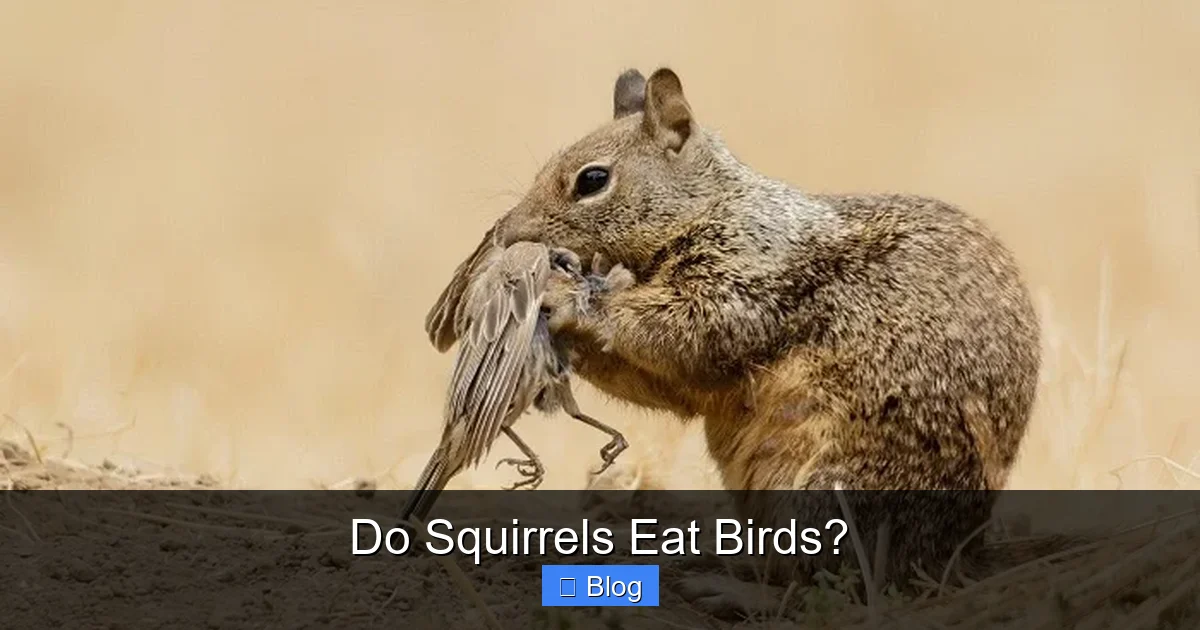
The question, ‘Do squirrels eat birds?’ often surprises many, but the answer is complex. While primarily herbivores, squirrels are opportunistic omnivores and *can* occasionally eat birds, particularly eggs or helpless nestlings, or scavenge already deceased birds. This behavior is rare and driven by necessity, not typical hunting, and generally occurs when other food sources are scarce or easily accessible.
Picture this: You’re enjoying a quiet morning in your backyard, sipping coffee, and watching the lively dance of birds at your feeder. Suddenly, a furry blur darts past – a squirrel! It’s a common sight, these acrobatic rodents are a staple of many backyards and parks. But then a thought pops into your head, perhaps triggered by an unsettling observation or a story you once heard: “Do squirrels eat birds?”
It’s a question that often elicits a strong reaction, mixing disbelief with a touch of curiosity. We generally think of squirrels as cute, bushy-tailed nut hoarders, not as predators of our beloved feathered friends. However, the natural world is full of surprises, and the dietary habits of many animals are far more complex and adaptable than we might initially assume. Let’s dig deeper into this intriguing query and uncover the truth about squirrels’ eating habits.
Understanding whether squirrels eat birds requires us to look beyond their charming exterior and delve into their biology, their typical diet, and the rare circumstances that might lead to such an encounter. Spoiler alert: while it’s not their go-to meal, the answer isn’t a simple “no.” But the nuances of “why” and “when” are what truly tell the story.
Key Takeaways
- Squirrels are primarily herbivores: Their natural diet consists mainly of nuts, seeds, fruits, and fungi, making them excellent seed dispersers.
- They are opportunistic omnivores: While rare, squirrels can consume animal matter, including insects, eggs, and occasionally small vertebrates, especially when plant-based food is scarce.
- Predation on live adult birds is extremely uncommon: Squirrels are not typically hunters of active, healthy adult birds. Their physical adaptations are not suited for such predation.
- Eggs and nestlings are most vulnerable: The most common instances of squirrels eating birds involve consuming unattended eggs or helpless baby birds from nests.
- Scavenging is more likely than active hunting: If a squirrel is observed with a bird, it’s far more probable that it is scavenging an already dead bird rather than having actively hunted and killed it.
- Food scarcity and habitat influence behavior: Desperate hunger, lack of preferred food, or easy access to vulnerable nests can prompt these unusual dietary choices.
- Protecting backyard birds is possible: You can help protect birds by using squirrel-proof feeders, placing nests in secure locations, and maintaining a tidy yard.
Quick Answers to Common Questions
Can squirrels kill adult birds?
While extremely rare, it’s theoretically possible for a squirrel to overwhelm a very small, injured, or sickly adult bird, but squirrels are not adapted to hunt active, healthy adult birds. This is not typical predatory behavior.
Why would a squirrel eat a bird?
A squirrel would eat a bird (usually eggs or nestlings, or scavenge a dead bird) primarily due to opportunistic feeding, high protein needs (e.g., during lactation), or extreme food scarcity when their preferred plant-based diet is unavailable.
Do gray squirrels eat birds more than other species?
All squirrel species are opportunistic, but Eastern Gray Squirrels are common in human-populated areas, leading to more observations. There isn’t strong evidence that one species is significantly more prone to eating birds than another, but accessibility and local food availability play a larger role.
What should I do if I see a squirrel eating a bird?
Observe from a distance. While it can be upsetting, it’s a natural, albeit uncommon, event in the wild. Intervention is generally not recommended unless there’s a direct threat to numerous birds you’re actively trying to protect in a specific area, like a bird rehabilitation setting.
Are squirrels a major threat to bird populations?
No, squirrels are not considered a major threat to overall bird populations. While they may occasionally take eggs or nestlings, their impact is localized and infrequent compared to other predators like cats, raccoons, or snakes.
📑 Table of Contents
- Are Squirrels Carnivores? Understanding Their Primary Diet
- Opportunistic Omnivores: When Squirrels Deviate from Nuts
- Documented Instances: The Rarity of Squirrels Eating Birds
- Protecting Your Feathered Friends: Coexisting with Squirrels
- Separating Fact from Fiction: Common Misconceptions
- The Broader Picture: Squirrels in the Ecosystem
- Conclusion
Are Squirrels Carnivores? Understanding Their Primary Diet
To truly understand if squirrels eat birds, we first need to establish what squirrels typically eat. Most people, quite rightly, associate squirrels with nuts. Acorns, walnuts, pecans, hazelnuts – these are indeed the staples of a squirrel’s diet. But their menu is much broader than just nuts!
A Plant-Based Powerhouse
Squirrels are primarily herbivores, meaning their diet is predominantly plant-based. They are constantly foraging for a wide variety of plant materials. Here’s a closer look at their usual culinary preferences:
- Seeds: Beyond tree nuts, squirrels love sunflower seeds, corn, and various other plant seeds. This is why they are often found raiding bird feeders!
- Fruits: Berries, apples, cherries, and other fruits provide essential sugars and vitamins.
- Vegetables: They aren’t picky and will munch on garden vegetables if given the chance.
- Fungi: Mushrooms and other fungi are a significant part of their diet, especially in certain seasons. They often help spread spores as they move about.
- Tree Buds and Bark: In lean times, especially winter, squirrels will gnaw on tree buds and bark to survive.
These foods provide the necessary energy, protein, and nutrients for a squirrel’s active lifestyle. They spend a huge amount of their day foraging, burying, and retrieving these plant-based treasures, playing a crucial role in seed dispersal and forest regeneration.
Opportunistic Omnivores: When Squirrels Deviate from Nuts
While their primary diet is clearly plant-based, squirrels are not strict vegetarians. They are, in fact, opportunistic omnivores. This means that while they prefer plant matter, they will consume animal matter if the opportunity arises, especially when faced with specific circumstances. This is where the question of “Do squirrels eat birds?” starts to get interesting.
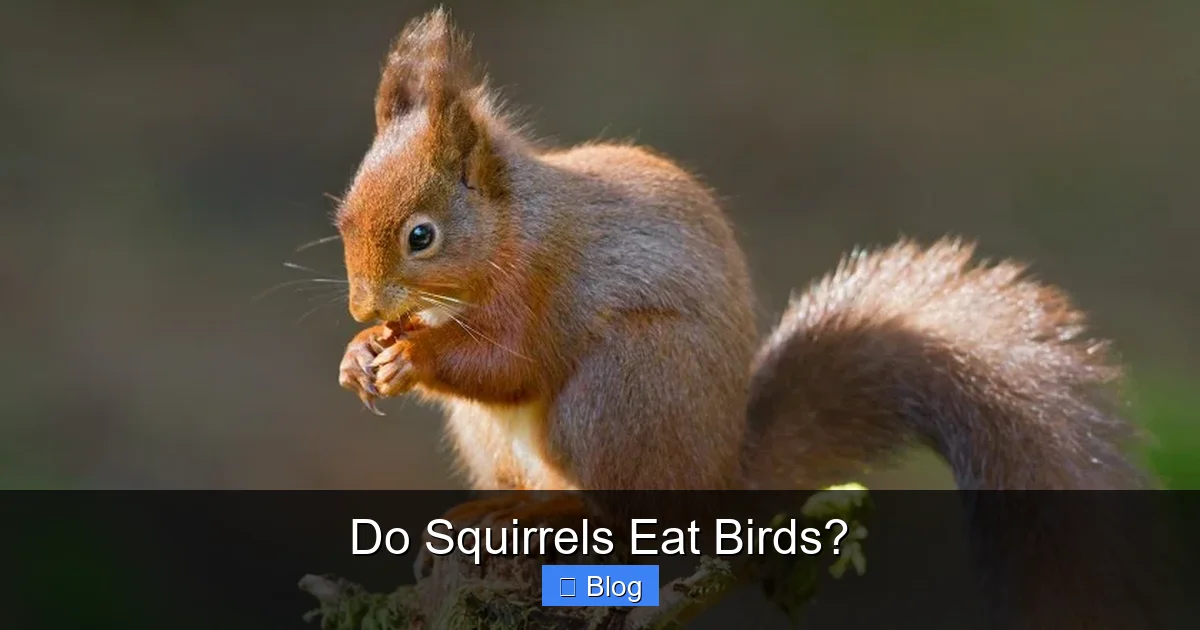
Visual guide about Do Squirrels Eat Birds?
Image source: howtodoright.com
The “Opportunity” Factor
What exactly makes a squirrel an opportunistic omnivore? It means they seize chances to eat food sources that aren’t typically on their menu, often driven by survival instincts. These circumstances can include:
- Protein Needs: During specific life stages, such as pregnancy or lactation, female squirrels have higher protein requirements. If plant-based protein is insufficient, they might seek alternative sources.
- Food Scarcity: When nuts, seeds, and fruits are scarce – perhaps after a bad harvest or during harsh winter months – a hungry squirrel will be less selective about its food choices. Survival instinct kicks in, leading them to consider anything edible.
- Easy Access: If a food source, even an unusual one, is easily accessible and requires minimal effort, a squirrel is more likely to take advantage.
So, Do Squirrels Eat Birds? The “Yes, But…”
Given their opportunistic nature, the short answer to “Do squirrels eat birds?” is yes, occasionally. But it’s a big “but.” This behavior is rare and usually confined to very specific situations. Squirrels are not natural predators of adult birds, nor are they built for hunting them down.
Eggs and Helpless Nestlings: The Most Vulnerable
The most commonly reported instances of squirrels eating birds involve eggs and very young nestlings. Here’s why:
- Defenseless Prey: Eggs are static and offer no resistance. Nestlings, especially in the first few days or weeks of life, are blind, featherless, and unable to flee or defend themselves. They are an easy, high-protein meal.
- Accessibility: Nests built in accessible tree cavities or lower branches can sometimes be reached by agile squirrels. Birdhouses without predator guards can also be vulnerable.
- Nutritional Value: Eggs and baby birds are packed with protein, fat, and other nutrients that can be very valuable to a squirrel, especially during times of high nutritional demand.
It’s important to differentiate this from a squirrel actively hunting an adult bird. A squirrel’s body is not designed for chasing, catching, and killing a flying bird. Their speed, agility, and primary senses are geared towards finding and processing plant matter.
Scavenging: More Common Than Predation
If you ever see a squirrel near a dead bird, or even nibbling at one, it’s far more likely that the squirrel is scavenging rather than having actively hunted and killed the bird. Animals die from various causes – disease, injury, collisions, or other predators. A squirrel finding a deceased bird represents an easy meal, a source of protein that requires no hunting effort. Scavenging is a common behavior among many omnivores and even some herbivores when the opportunity arises.
Documented Instances: The Rarity of Squirrels Eating Birds
While the idea of squirrels eating birds can be startling, it’s crucial to understand that documented cases are relatively rare. Most backyard observations are often misinterpretations or isolated incidents rather than widespread predatory behavior.
Scientific Observations vs. Anecdotal Evidence
When studying animal behavior, scientists rely on systematic observation and data collection. Most extensive studies on squirrel diets confirm their strong preference for plant materials. However, there have been scientific reports detailing instances of squirrels consuming eggs or nestlings, and even scavenging small mammals or birds.
- Example: A study published in a wildlife journal might document observations of a particular squirrel species raiding bird nests during a period of nut scarcity in a specific region. These are not everyday occurrences but rather notable deviations from the norm.
Anecdotal evidence, while useful for sparking curiosity, needs to be approached with caution. A homeowner might observe a squirrel near a bird’s nest and jump to conclusions, or witness a squirrel briefly interacting with a dead bird and assume predation. It’s easy to misinterpret what’s actually happening in the complex natural world.
What About Bird Feeders?
Bird feeders are a common battleground between birds and squirrels, but typically for seeds, not for direct predation. Squirrels are notorious for finding ways to get to the birdseed. While squabbles and chases between birds and squirrels at feeders are common, these are usually about competition for food, not about the squirrel attempting to eat the bird itself. An occasional aggressive swipe might occur, but these are territorial disputes over the seed, not predatory attacks.
Protecting Your Feathered Friends: Coexisting with Squirrels
If the thought of squirrels eating birds, even rarely, concerns you, there are practical steps you can take to protect your backyard bird population. The goal isn’t necessarily to eliminate squirrels, as they are a part of the ecosystem, but to minimize opportunities for them to harm birds.
Squirrel-Proofing Bird Feeders and Nests
This is perhaps the most effective strategy. Squirrels are incredibly resourceful, but you can outsmart them:
- Baffles: Install squirrel baffles on feeder poles or hanging feeders. These slippery, dome-shaped barriers prevent squirrels from climbing up or down to reach the food.
- Feeder Placement: Place feeders at least 10-12 feet away from trees, fences, or anything squirrels can use as a launching pad.
- Weight-Activated Feeders: Some feeders are designed to close off access to seed when a heavier animal (like a squirrel) lands on them.
- Secure Birdhouses: If you put up birdhouses, ensure the entrance hole is sized correctly for the target bird species to deter larger predators. Also, consider placing metal baffles around the post to prevent climbing.
- Natural Nest Protection: Plant native shrubs and trees with dense foliage, which offer good cover for nesting birds and can make nests harder for squirrels to access.
Managing Your Yard Environment
A few simple yard maintenance tips can also help:
- Keep it Tidy: Remove fallen nuts, seeds, and fruits that might attract excessive numbers of squirrels to an area near nests.
- Provide Alternative Food: If you want to keep squirrels happy but away from your bird feeders, consider a separate squirrel feeder with corn, peanuts (in the shell), or specialized squirrel mixes placed a good distance from bird feeding areas. This can redirect their attention.
- Water Source: Ensure both birds and squirrels have access to fresh water. Sometimes animals are drawn to specific areas not just for food, but for hydration.
Remember, the aim is peaceful coexistence. By understanding their behavior and making small adjustments, you can create a safer haven for your birds while still enjoying the antics of your local squirrels.
Separating Fact from Fiction: Common Misconceptions
The topic of whether squirrels eat birds often sparks various myths and misunderstandings. Let’s clarify some common misconceptions to ensure we have an accurate picture.
Squirrels Are Not Active Bird Hunters
This is perhaps the most important distinction. Squirrels are not built for hunting fast-moving, flying prey like adult birds. They lack the sharp talons, hooked beaks, or specialized hunting instincts of true bird predators like hawks, cats, or even some snakes. Their encounters with birds are almost always opportunistic or accidental, not the result of deliberate hunting expeditions.
Predation vs. Scavenging
As mentioned earlier, seeing a squirrel near a dead bird does not automatically mean the squirrel killed it. Scavenging is a survival strategy, not a predatory one. It’s an efficient way to gain nutrients without expending energy on a hunt. Many animals, including deer (which are primarily herbivores), have been observed gnawing on bones for minerals. It’s all about resourcefulness in nature.
Aggression vs. Predation
Squirrels can be aggressive, especially when defending territory or a food source. You might see them chase birds away from a feeder or even engage in a brief, noisy skirmish. This aggression is usually defensive or competitive, a display to protect their perceived resources, not an attempt to kill and eat the bird. It’s similar to how birds might squabble amongst themselves over a prime feeding spot.
The Broader Picture: Squirrels in the Ecosystem
Despite the rare instances where squirrels eat birds (usually eggs or nestlings), it’s vital to remember their primary role in the ecosystem. Squirrels are vital seed dispersers, inadvertently planting countless trees and shrubs by burying nuts and forgetting some of them. They are also a food source for larger predators like hawks, owls, and foxes.
Their occasional omnivorous tendencies are a testament to their adaptability and intelligence, allowing them to survive and thrive even when preferred food sources are scarce. While it might be unsettling to witness, it’s a natural, albeit uncommon, part of their survival strategy, highlighting the complex web of life in our backyards.
Conclusion
So, do squirrels eat birds? The definitive answer is yes, sometimes, but it’s a behavior that lies outside their typical dietary patterns. Squirrels are primarily herbivores, feasting on nuts, seeds, and fruits. However, their opportunistic omnivore nature means they will, on rare occasions, consume animal protein – most notably eggs or helpless nestlings, or scavenge already deceased birds, especially when driven by hunger or nutritional need.
It’s crucial to distinguish these infrequent acts of opportunism from active predation. Squirrels are not natural hunters of adult birds, and reports of such occurrences are exceedingly rare and often misinterpretations. By understanding their true nature, we can better appreciate these fascinating creatures and take appropriate steps to protect our cherished backyard birds, ensuring a harmonious balance in our natural spaces.
🎥 Related Video: Baby Squirrel Startles Seagull Off Window Ledge || ViralHog
📺 ViralHog
Occurred on July 22, 2023 / Saint Petersburg, Russia “Seagull is shocked.” Contact licensing@viralhog.com to license this or any …
Frequently Asked Questions
Do squirrels actively hunt birds in the wild?
No, squirrels do not actively hunt birds in the wild as a primary food source. Their physical attributes, such as their teeth and claws, are designed for foraging nuts and seeds, not for pursuing and capturing agile, flying prey like birds. Any consumption of birds is typically opportunistic or scavenging.
What kind of birds are most at risk from squirrels?
The birds most at risk from squirrels are those with easily accessible nests, particularly during the egg-laying and nestling stages. Small songbirds nesting in lower branches, shrubs, or open birdhouses are more vulnerable than larger birds or those with well-hidden or predator-proof nests.
Can squirrels get enough protein without eating birds?
Yes, squirrels can absolutely get enough protein from their usual diet. Plant-based foods like nuts and seeds are rich in protein, and they also consume insects, which are another excellent protein source. Eating birds is a rare supplement, not a necessity for their typical protein intake.
Does offering birdseed attract squirrels that might harm birds?
Offering birdseed primarily attracts squirrels looking for seeds, not necessarily to harm birds. However, the presence of squirrels around a bird feeder can lead to competition and occasional aggressive interactions. To minimize this, use squirrel-proof feeders or offer separate food for squirrels away from the birds.
Is it common to see squirrels eating bird eggs?
It is not common for the average person to regularly witness squirrels eating bird eggs. While documented instances exist, they are relatively rare and usually occur when a nest is vulnerable and other food sources are scarce. Most people will never observe this behavior in their lifetime.
What role do squirrels play in the ecosystem, apart from their diet?
Squirrels play several vital roles in the ecosystem. They are excellent seed dispersers, often burying nuts and forgetting them, which helps in forest regeneration. They also serve as a food source for larger predators, contributing to the balance of the food web. Their foraging habits also help aerate soil.