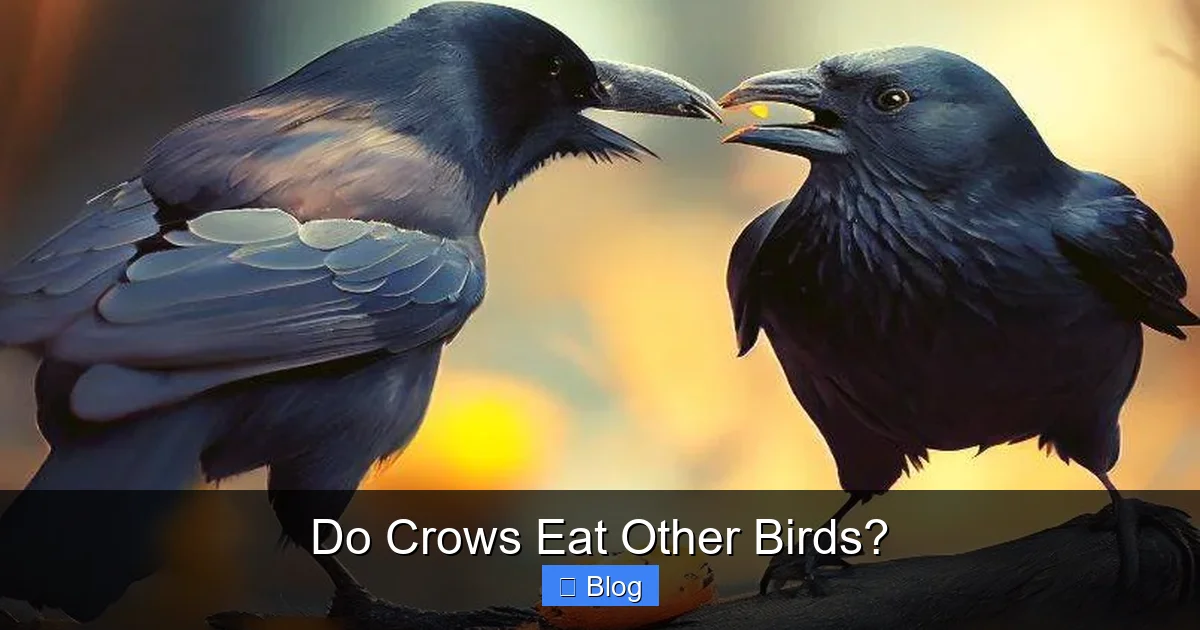
Yes, crows do eat other birds, though it’s not their primary food source. These intelligent omnivores are opportunistic predators and scavengers, known to predate on eggs, nestlings, and even adult birds, especially if they are weak, injured, or easily accessible. Their diet is incredibly varied, reflecting their adaptability in diverse environments and their role as generalist feeders.
Ah, the crow. A creature of mystery, intelligence, and often, a bit of a bad reputation. These glossy, dark birds are undeniably fascinating, known for their problem-solving skills, complex social structures, and vocalizations that range from harsh caws to surprisingly gentle murmurs. But among the many questions people have about crows, one often surfaces with a touch of alarm: “Do crows eat other birds?” It’s a question that can conjure vivid, sometimes unsettling, images.
If you’ve ever observed crows in your backyard or a local park, you might have seen them doing everything from digging for grubs in the lawn to deftly cracking open nuts. Their diet is a topic of constant fascination for bird enthusiasts and casual observers alike. The short answer to our big question is yes, they do. But like most things in nature, the full story is far more nuanced and interesting than a simple yes or no. Let’s peel back the layers and understand the complex dietary habits of these clever avian residents.
Understanding what crows eat, and specifically their interactions with other bird species, helps us appreciate their ecological role and their incredible adaptability. It’s not about painting crows as villains, but rather seeing them as integral, dynamic components of their environments. So, let’s dive deep into the world of crow diets and uncover the truth about whether and how do crows eat other birds.
Key Takeaways
- Crows are Opportunistic Omnivores: Their diet is incredibly diverse, encompassing plant matter, insects, carrion, and small animals, including other birds.
- Eggs and Nestlings are Common Prey: Crows regularly predate on the eggs and vulnerable young of other bird species, especially during nesting seasons when these are readily available.
- Predation on Adult Birds is Rare but Possible: While not their main hunting focus, crows will attack and eat adult birds if they are weak, injured, sick, or easily overpowered, acting as opportunistic predators.
- Scavenging Plays a Significant Role: Crows are adept scavengers, often consuming dead animals, including other birds, that they find rather than actively hunting them.
- Intelligence and Adaptability Drive Diet: Their high intelligence allows crows to adapt their foraging strategies to exploit a wide range of food sources available in their environment.
- Ecological Role: By consuming weak or injured animals and carrion, crows play a natural role in ecosystems, helping to control populations and clean up environments.
Quick Answers to Common Questions
Do crows specifically hunt other birds for food?
Crows are opportunistic. They will actively search for and prey upon eggs and nestlings, as these are vulnerable and nutrient-rich. While they don’t typically hunt healthy adult birds as a primary strategy, they will take advantage of weak, injured, or easily caught adult birds.
What types of birds are most vulnerable to crow predation?
Smaller songbirds that build open-cup nests are most vulnerable, as their eggs and nestlings are easily accessible. Examples include robins, sparrows, and finches. Larger, healthier adult birds are generally too agile and defensive to be regular prey.
Are crows a significant threat to overall bird populations?
While crows do predate on other birds, particularly the young, they are generally not considered a significant threat to overall healthy bird populations. Their predation is a natural part of the ecosystem, and bird populations have evolved to cope with this pressure. Local impacts can occur, but widespread decline due to crows is rare.
What do crows mainly eat if not other birds?
Crows are highly omnivorous and opportunistic. Their main diet consists of insects, grubs, worms, fruits, berries, nuts, seeds, carrion (dead animals), and human food waste. Other birds constitute a relatively small portion of their overall diet.
Can crows attack and kill larger birds like pigeons or doves?
Yes, while rare, crows can and sometimes do attack and kill pigeons or doves, especially if these birds are weak, sick, young, or otherwise incapacitated. Crows are strong and intelligent, and if an opportunity arises to take down a larger but compromised bird, they may seize it.
📑 Table of Contents
The Crow’s Complex Palate: More Than Just Scavengers
Crows are, without a doubt, one of nature’s most adaptable generalists. They thrive in nearly every type of habitat, from bustling urban centers to remote wilderness, and their diet reflects this amazing flexibility. Calling a crow an “omnivorous opportunist” might sound like a mouthful, but it perfectly captures their feeding strategy. They aren’t picky eaters; if it’s edible and accessible, a crow will likely investigate it.
Masters of Adaptation: Omnivorous by Nature
When we talk about an omnivore, we mean an animal that eats both plants and animals. Crows fit this description to a T. Their diet is a veritable smorgasbord, including a vast array of items from both the plant and animal kingdoms. This broad dietary preference is a significant reason why crows have been so successful at populating diverse environments across the globe. They don’t rely on a single food source, meaning they can adapt to changing availability and exploit whatever resources are abundant in a given area. This means that, yes, crows eat other birds sometimes, but it’s just one facet of their incredibly varied diet.
Consider a typical day in the life of a crow. They might start by foraging for insects in a field, then move on to raid a fruit tree, perhaps pick at some roadkill, and later, if the opportunity arises, investigate a bird’s nest. This adaptability is key to their survival and explains why they are such common sights even in human-dominated landscapes where food sources are constantly shifting. It also means that when asking, “Do crows eat other birds?” we’re looking at a small, albeit important, part of their overall food-seeking behavior.
The Opportunistic Hunter
What does it mean to be an “opportunistic” hunter or feeder? For crows, it means they take advantage of whatever easy meal presents itself. They aren’t typically ambush predators in the same way a hawk or a cat might be, patiently stalking prey for hours. Instead, they are constantly on the lookout for food that requires minimal effort to obtain. This can include finding an injured animal, spotting a dropped morsel of human food, or noticing a vulnerable nest. This opportunism is a critical factor when discussing if crows eat other birds.
Their keen eyesight, intelligence, and ability to work in groups make them incredibly effective at spotting and securing these opportunistic meals. They observe their surroundings constantly, learning where food sources are, when they appear, and how to access them. This makes them highly efficient foragers. So, when you see a crow investigating something, it’s usually because their sharp senses have detected a potential food item, demonstrating their ever-vigilant opportunistic nature.
Crows and Other Birds: A Delicate Balance
The interaction between crows and other bird species is perhaps the most scrutinized aspect of their diet, especially when it comes to the question, “Do crows eat other birds?” This interaction is a natural part of the ecosystem, but it can be hard to witness for bird lovers.
Visual guide about Do Crows Eat Other Birds?
Image source: rusticaly.com
The Vulnerability of Eggs and Nestlings
This is where crows most frequently prey on other birds. Eggs and nestlings are incredibly vulnerable. They are immobile, defenseless, and packed with nutrients, making them a relatively easy and high-reward food source for an opportunistic predator like a crow. During the spring and early summer nesting seasons, crows will actively search for nests. They are clever enough to observe parent birds’ behaviors, following them back to their hidden nests.
Species like robins, sparrows, and other smaller songbirds often build open-cup nests that are relatively easy for a crow to access. Once a nest is located, a crow can quickly snatch eggs or young chicks, often consuming them on the spot or carrying them away to feed their own young. This behavior, while seemingly harsh, is a natural part of the food web and contributes to population dynamics in bird communities. It’s a clear instance where the answer to “Do crows eat other birds?” is a definitive yes.
Predation on Adult Birds: A Rare Occurrence?
While eggs and nestlings are regular targets, healthy adult birds are much harder for a crow to catch and kill. Adult birds are agile, can fly away, and often fiercely defend themselves and their young. Therefore, active hunting of healthy adult birds is not a primary foraging strategy for crows. However, it does happen, particularly under specific circumstances.
- Weak or Injured Birds: If an adult bird is sick, injured, or otherwise compromised, it becomes an easier target. A crow, being opportunistic, won’t pass up such a chance.
- Very Small Birds: Occasionally, crows might go after very small birds, especially if caught unaware.
- Caught in a Trap or Net: Birds that are trapped or tangled, making them helpless, can become prey for crows.
- Mobbing Behavior Gone Wrong: Crows sometimes mob larger predators, but they can also be mobbed by smaller birds. In rare instances, if a smaller bird is injured during such an encounter, a crow might take advantage.
So, while it’s rare to see a crow actively hunting a strong, healthy adult robin, it’s not impossible for them to predate on an adult bird that is already struggling. This further emphasizes the “opportunistic” aspect of their diet when considering if crows eat other birds.
Why Target Other Birds?
There are several compelling reasons why crows engage in bird predation:
- Nutrient-Rich Food: Eggs and young birds are packed with protein, fat, and other essential nutrients crucial for the crow’s own growth and the feeding of their chicks, especially during breeding season.
- Ease of Access: Compared to hunting agile adult prey or foraging for scattered insects, raiding a nest can be a relatively easy way to get a substantial meal.
- Seasonal Abundance: Nesting season brings a temporary but significant increase in this particular food source, which crows are quick to exploit.
Understanding these motivations helps us see that this behavior is a survival strategy, not an act of malice. It’s a part of their natural role in the ecosystem.
Beyond the Prey: Other Food Sources for Crows
To truly grasp the scope of a crow’s diet and put the question “Do crows eat other birds?” into perspective, it’s essential to look at the other components that make up the vast majority of their meals. Crows are dietary generalists par excellence, meaning they will eat almost anything edible they can find.
Insects and Invertebrates: A Staple
For many crow populations, especially during warmer months, insects and other invertebrates form a significant portion of their diet. This includes a wide variety of creepy crawlies:
- Grubs and Larvae: Crows are adept at digging in lawns and soil to unearth beetle larvae and other grubs.
- Beetles, Grasshoppers, Crickets: They readily snatch up these insects from fields and gardens.
- Worms: After a rain shower, crows can often be seen pulling earthworms from the wet ground.
- Spiders and Snails: These too are fair game for a hungry crow.
This insectivorous aspect of their diet is often overlooked but incredibly important for their nutrition and for agricultural health, as crows consume many pest insects. So, while crows eat other birds sometimes, they spend far more time hunting for bugs.
Fruits, Nuts, and Seeds: The Plant-Based Diet
Crows are not solely carnivores; a substantial portion of their diet comes from plant matter. They are quite fond of fruits, berries, and nuts, especially when these are in season. You might spot them:
- Eating Berries: From blackberries and raspberries to wild elderberries, crows enjoy many types of berries.
- Feasting on Fruits: Cherries, apples, and even fallen cultivated fruits can be attractive to crows.
- Cracking Nuts: Crows are famously clever at cracking open nuts like acorns, walnuts, and pecans, sometimes dropping them from a height onto hard surfaces or even placing them in front of cars to be run over!
- Consuming Grains and Seeds: Agricultural fields can provide a bounty of grains, and various seeds found in natural habitats are also part of their forage.
This vegetarian component of their diet highlights their flexibility and ensures they have food options even when animal protein is scarce.
Carrion and Human Leftovers: The Scavenger Role
Perhaps one of the most well-known aspects of a crow’s diet is their role as scavengers. Crows are nature’s clean-up crew, consuming carrion (dead animals) whenever they find it. This can range from roadkill to the remains of a meal left by a larger predator. This scavenging behavior is highly beneficial to ecosystems, helping to prevent the spread of disease and recycle nutrients.
In urban and suburban areas, crows have also become highly skilled at exploiting human food waste. They raid dumpsters, pick through picnic leftovers, and generally make the most of what humans discard. This is a testament to their intelligence and adaptability, allowing them to thrive in human-dominated environments. So, if you see a crow eating another bird, it’s often because they found it as carrion, not because they actively hunted it down.
Understanding Crow Behavior: Intelligence and Strategy
The crow’s dietary choices are deeply intertwined with its renowned intelligence. These are not just birds; they are problem-solvers, strategists, and learners, all qualities that directly influence what they eat and how they acquire it.
Group Hunting and Mobbing
Crows are highly social birds, often living and foraging in family groups or larger flocks. This social structure plays a role in their feeding strategies. While they don’t typically “hunt” large prey in a coordinated pack like wolves, their numbers can be advantageous. For instance, a group of crows might be more successful at driving off a smaller raptor to steal its kill (a behavior known as kleptoparasitism), or at mobbing a larger predator to protect their territory or young.
When it comes to finding nests, a single crow might spot one, but if the parent birds put up a strong defense, other crows in the area might be drawn in by the commotion. While not a direct group hunt for eggs or nestlings, the presence of multiple crows can increase the likelihood of a successful raid. Their collective vigilance means more eyes are scanning for potential food sources, including vulnerable bird nests, further confirming that yes, crows eat other birds when opportunities arise, sometimes with the benefit of numbers.
Tool Use and Problem Solving in Foraging
One of the most astonishing aspects of crow intelligence is their ability to use tools. While this isn’t directly related to preying on other birds, it speaks volumes about their cognitive abilities in general foraging. Crows have been observed using sticks to extract insects from crevices, dropping nuts onto hard surfaces to crack them open, and even using bread to bait fish. This ingenuity allows them to access food sources that might be unavailable to other species.
Their problem-solving skills extend to remembering food caches, understanding traffic patterns to crack nuts, and even learning human schedules to find discarded food. This high level of cognitive function underpins their opportunistic nature; they are constantly analyzing their environment for the easiest and most calorie-rich meals.
Learning and Adapting Diets
Crows are not born with a fixed menu; they learn what to eat and how to forage from their parents and other members of their flock. Young crows observe adults, mimicking their behaviors and learning which items are safe to eat and how to acquire them. This cultural transmission of knowledge is powerful, allowing entire crow populations to adapt their diets to local conditions and new food sources that emerge.
For example, if a new type of crop becomes available, or a new source of human waste appears, crows can quickly learn to exploit it. This learning ability means their diet is not static but rather constantly evolving based on what is available and what has proven successful. This adaptability is another key reason why they are so successful at finding food, including the occasional other bird, when other options might be limited.
Living Alongside Crows: Coexistence and Conservation
Understanding crow behavior, including the answer to “Do crows eat other birds?”, helps us appreciate their role in the environment. While their predation on other birds can sometimes be unsettling to observe, it’s a natural ecological process.
Protecting Your Backyard Birds
If you’re concerned about crows preying on the smaller birds in your backyard, there are some practical steps you can take:
- Offer Crow-Resistant Feeders: Use feeders with cages or small openings that allow smaller birds access but exclude larger birds like crows.
- Provide Dense Cover: Plant thick shrubs, bushes, or evergreens where smaller birds can find refuge and build nests, making it harder for crows to spot them.
- Place Feeders Strategically: Locate feeders near protective cover, but not so close that crows can ambush birds from the branches. Avoid placing feeders in open areas.
- Clean Up Regularly: Crows are attracted to easy food sources. Keeping your yard clean of fallen seeds and food scraps can make it less appealing to them.
- Consider Distraction Feeding (Carefully): Some suggest offering crows a separate, easily accessible food source (like shelled peanuts or corn) away from your primary bird feeding areas, hoping to divert their attention. However, this can also attract more crows, so use this tactic cautiously.
These actions can help create a safer environment for smaller birds without actively harming crows, allowing for better coexistence.
Appreciating Their Ecological Role
It’s easy to view crows solely through the lens of their predation, especially when we witness them eating other birds. However, their ecological role is far more expansive and generally beneficial. Crows are vital parts of their ecosystems:
- Pest Control: By consuming vast numbers of insects, slugs, and other invertebrates, crows help control pest populations that could otherwise damage crops and gardens.
- Scavengers and Clean-up Crew: Their habit of eating carrion prevents the spread of disease and helps recycle nutrients back into the ecosystem.
- Seed Dispersers: While eating fruits and nuts, crows can inadvertently help disperse seeds to new areas, contributing to plant growth.
- Indicators of Health: A healthy crow population often indicates a robust ecosystem with diverse food sources.
Understanding these broader contributions helps us appreciate them as integral parts of nature’s balance.
Dispelling Myths
Finally, it’s important to dispel some common myths about crows. They are not inherently “evil” or malicious birds. Their behaviors, including eating other birds, are driven by survival instincts and ecological necessity, not by a desire to cause harm. They are simply doing what comes naturally to an intelligent, adaptable omnivore. While witnessing certain natural interactions can be challenging, it’s crucial to observe and understand without anthropomorphizing their actions.
Conclusion
So, do crows eat other birds? Yes, they do, predominantly eggs and nestlings, and occasionally weak or injured adult birds. But this is just one piece of a much larger, more intricate puzzle that makes up the crow’s incredibly diverse diet. These intelligent, adaptable omnivores consume everything from insects and fruits to carrion and human leftovers, constantly adjusting their foraging strategies to exploit whatever food sources are readily available in their environment.
Crows are fascinating creatures whose behaviors are a testament to their remarkable intelligence and resilience. By understanding their complex dietary habits, we gain a deeper appreciation for their role in the natural world, not as villains, but as crucial components of our ecosystems. The next time you see a crow, observe them with a newfound understanding of their multifaceted lives and their vital contributions to the environment around us.
🎥 Related Video: Crows vs Ravens! What’s the Difference?! 🐦⬛ #crows #ravens
📺 Koohry
Frequently Asked Questions
How often do crows eat other birds?
The frequency of crows eating other birds varies greatly depending on the season and the availability of other food sources. During nesting season (spring and early summer), predation on eggs and nestlings can be more common due to their abundance and vulnerability. Outside of this period, it’s less frequent, mostly limited to scavenging carrion or preying on weak or injured adult birds.
Do crows pose a threat to endangered bird species?
In certain specific contexts, especially where endangered bird species have very small, isolated populations or specific vulnerabilities (like ground-nesting), crow predation can be a concern. Conservation efforts sometimes include managing crow populations in critical nesting areas for highly sensitive species. However, for most bird species, crow predation is a natural ecological interaction.
How can I deter crows from my bird feeders and protect smaller birds?
You can deter crows by using caged feeders that only allow smaller birds access, placing feeders under dense cover, and avoiding leaving large amounts of spilled seed on the ground. Providing natural, dense shrubbery for smaller birds to hide in can also offer protection. Some people also try distraction feeding crows with alternative food like peanuts away from primary bird feeder areas.
Is it normal to see a crow eating another bird?
While not an everyday sight for most people, it is a normal and natural behavior for crows, particularly if they are consuming eggs, nestlings, or scavenging on carrion. It can be unsettling to witness, but it is part of their role in the ecosystem as opportunistic omnivores and scavengers.
Do all crow species eat other birds?
Most crow species, being highly intelligent and opportunistic omnivores, will include other birds (primarily eggs and nestlings, or carrion) in their diet if the opportunity arises. This behavior is a common trait across the Corvus genus, reflecting their adaptability and generalist feeding strategies across different environments worldwide.
What is the primary diet of a crow in an urban environment?
In urban environments, a crow’s primary diet is incredibly diverse and heavily influenced by human activity. It includes a mix of insects, grubs, fruits, seeds, human food waste (from dumpsters, picnics, etc.), and carrion (roadkill). While they may still predate on eggs and nestlings, the abundance of human-related food sources often becomes a significant part of their diet.