
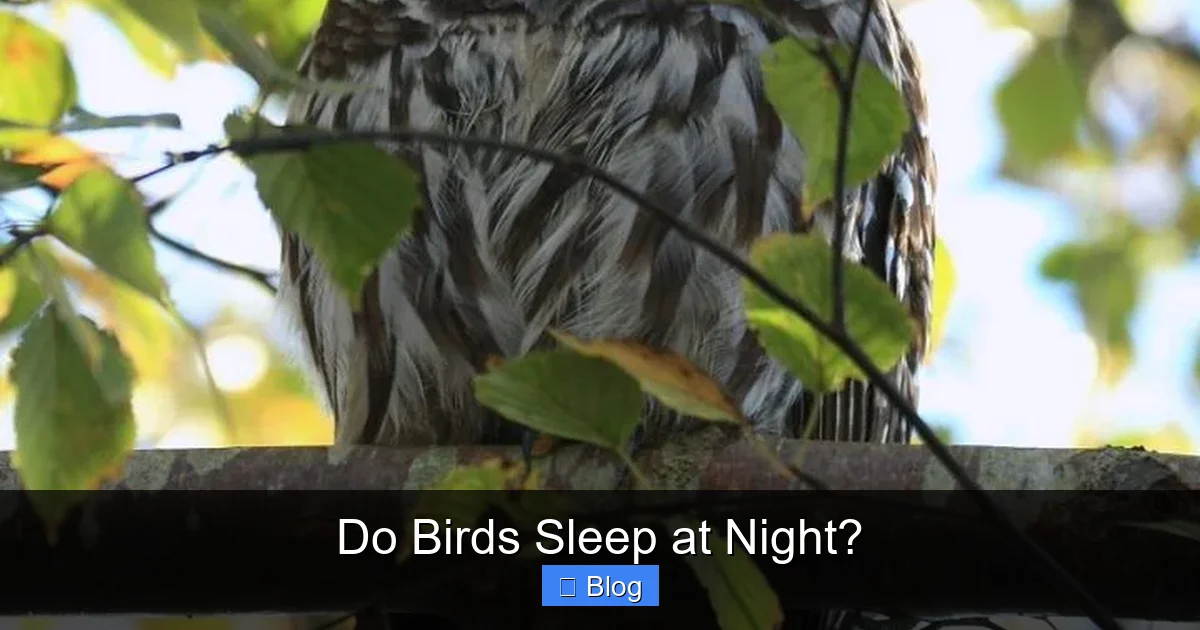
Yes, birds absolutely sleep at night! Just like us, birds need sleep to rest, repair, and recharge. They employ incredible strategies, from tucking their heads under wings to sleeping with half a brain awake, ensuring they stay safe from predators and harsh weather while catching their essential Zs in carefully chosen roosting spots.
The sun dips below the horizon, painting the sky with hues of orange and purple. As the last rays fade, the daytime hustle of the world begins to quiet. For many of us, this is a signal to wind down, brush our teeth, and prepare for a night of restorative sleep. But what about our feathered friends? We see them flitting about all day, singing their cheerful tunes and busily searching for food. But where do they go when darkness falls? And the big question that often pops into our minds is: Do birds sleep at night?
It’s a common and fascinating query, often pondered by anyone who has ever watched a robin hop across their lawn or a sparrow peck at birdseed. The simple answer is a resounding “Yes!” Just like nearly all living creatures, birds absolutely need to sleep. Sleep is a fundamental biological necessity that allows their bodies and minds to rest, repair, and prepare for the challenges of another day. However, *how* and *where* birds sleep is far more intricate and remarkable than you might imagine, filled with incredible adaptations designed for survival.
So, let’s pull back the curtain on the nighttime world of birds. We’ll explore the ingenious ways they find safe havens, the unique biological mechanisms that govern their slumber, and the myriad challenges they face once the sun goes down. Prepare to be amazed by the clever strategies our avian neighbors employ to ensure they get their much-needed rest.
Key Takeaways
- Yes, Birds Sleep at Night: Most birds are diurnal, meaning they are active during the day and sleep during the night to restore their energy and maintain bodily functions.
- Unique Sleep Adaptations: Birds exhibit remarkable sleep behaviors like Unihemispheric Slow-Wave Sleep (USWS), allowing one half of their brain to sleep while the other remains alert for danger.
- Safe Roosting Locations are Crucial: Birds carefully choose sheltered spots like dense trees, shrubs, cavities, or ledges to protect themselves from predators and harsh environmental conditions.
- Perching Mechanisms Prevent Falling: A specialized tendon-locking mechanism in their feet allows birds to grip a branch firmly while asleep without expending energy or falling off.
- Torpor for Energy Conservation: During very cold nights or when food is scarce, some birds can enter a state of torpor, significantly slowing their metabolism to save energy.
- Varied Sleep Patterns: While most birds are diurnal, some are nocturnal (like owls) or crepuscular (active at dawn/dusk), and migratory birds even manage to “micro-sleep” during long flights.
- Helping Birds Sleep Soundly: Providing safe, dense cover, minimizing light pollution, and ensuring your pets don’t disturb roosting areas can significantly help local birds get quality rest.
Quick Answers to Common Questions
Do birds fall off branches when they sleep?
No, birds do not fall off branches when they sleep. They have a specialized tendon-locking mechanism in their feet that automatically clenches their toes around a perch when they squat down, holding them firmly in place without any conscious effort.
How long do birds sleep each night?
The amount of sleep birds need varies by species and circumstances, but generally, most diurnal birds will sleep for several hours each night, often from dusk till dawn. Factors like predation risk, weather, and breeding season can influence their total sleep duration.
Do birds get deep sleep like humans?
Birds experience different sleep stages, including both slow-wave sleep (SWS) and rapid eye movement (REM) sleep, similar to humans. However, their SWS can be unihemispheric (one brain hemisphere at a time) allowing them to maintain vigilance, making their “deep sleep” different from ours.
Can birds sleep while flying?
Some migratory birds, such as frigatebirds, have been observed to engage in brief periods of Unihemispheric Slow-Wave Sleep (USWS) while flying. This allows them to “micro-sleep” with one half of their brain while the other remains active to maintain flight, though it doesn’t equate to a full night’s rest.
What do birds do when it rains at night?
When it rains at night, birds seek out sheltered roosting spots like dense foliage, tree cavities, or under eaves of buildings. They fluff up their feathers to create an insulating layer of air, helping them stay warm and dry despite the rain.
📑 Table of Contents
- The Essentiality of Bird Sleep: Why They Need Their Zs
- Where Do Birds Sleep? Finding the Perfect Roost
- How Do Birds Sleep? Unique Adaptations for Survival
- The Dangers of Night: Predators, Weather, and Light Pollution
- Variations in Bird Sleep Patterns: Not All Birds Are Early Birds
- How You Can Help Birds Sleep Soundly
- Conclusion: The Silent World of Sleeping Birds
The Essentiality of Bird Sleep: Why They Need Their Zs
Just like humans and other mammals, birds require sleep for a multitude of reasons. It’s not just about feeling rested; it’s crucial for their overall health, cognitive function, and even their survival. When we ask, “Do birds sleep at night?”, we’re really asking about a complex biological process.
Restoration and Repair
During their active hours, birds expend a tremendous amount of energy. Flying, foraging, nesting, and raising young are demanding tasks. Sleep allows their bodies to repair tissues, consolidate memories, and replenish energy reserves. Without adequate sleep, a bird’s physical condition would deteriorate, making it vulnerable to illness and unable to perform its daily activities effectively.
Brain Function and Learning
Studies have shown that sleep plays a vital role in memory consolidation and learning for birds, much like it does for us. A well-rested bird is more alert, can better locate food sources, remember predator locations, and navigate its environment. This cognitive sharpness is directly linked to their ability to survive in the wild.
Metabolic Regulation
Sleep helps regulate a bird’s metabolism, particularly important for maintaining their high body temperature and fast metabolism during their active periods. A good night’s rest ensures these delicate internal systems remain balanced.
Where Do Birds Sleep? Finding the Perfect Roost
Visual guide about Do Birds Sleep at Night?
Image source: birds.cornell.edu
One of the biggest concerns for a bird settling down for the night is safety. Predators like owls, raccoons, snakes, and even domestic cats are often most active under the cover of darkness. Harsh weather conditions, such as freezing temperatures, strong winds, and heavy rain, also pose significant threats. This is why the choice of a sleeping spot, or “roost,” is critically important.
Diverse Roosting Strategies
Birds don’t just flop down anywhere; they are incredibly particular about their nighttime accommodations. Their choice of roosting site varies greatly depending on the species, local environment, time of year, and even individual preference.
- Dense Vegetation: For many small songbirds like sparrows, finches, and robins, dense trees and shrubs offer excellent cover. The thick canopy and intertwining branches provide physical protection from the elements and make it harder for predators to spot them. They often snuggle deep into the foliage, sometimes even pressing against a branch to minimize their profile.
- Tree Cavities and Roost Boxes: Woodpeckers, nuthatches, and bluebirds often seek out natural tree cavities or artificial roost boxes. These enclosed spaces offer superior protection from wind, cold, and predators. The snug fit helps them conserve body heat.
- Ledges and Eaves: Pigeons, swallows, and some raptors might choose ledges on cliffs, buildings, or under the eaves of houses. These elevated spots provide a good vantage point and are often inaccessible to ground predators.
- Communal Roosts: Some species, especially starlings, crows, and even some migratory birds, gather in large communal roosts. There’s safety in numbers; many eyes and ears can detect danger more effectively. These roosts can sometimes host thousands of birds, creating a truly spectacular sight at dusk and dawn.
- Ground Roosts: Game birds like quail and pheasants might roost on the ground, often in dense grasses or thickets, relying on camouflage and stillness to avoid detection.
Choosing a Roost for Safety and Warmth
When a bird decides where to spend the night, they prioritize:
- Concealment: Being hidden from predators.
- Protection from Elements: Shelter from wind, rain, and extreme cold.
- Proximity to Food: A location not too far from their morning foraging grounds.
Young birds learn these roosting strategies from their parents, honing their instincts for survival.
How Do Birds Sleep? Unique Adaptations for Survival
Knowing that birds do sleep at night leads us to the next fascinating question: *how* do they actually sleep? It’s not quite like us curling up in a soft bed. Birds have evolved some truly remarkable adaptations to ensure their sleep is both restful and safe.
Unihemispheric Slow-Wave Sleep (USWS)
Perhaps the most incredible adaptation is Unihemispheric Slow-Wave Sleep (USWS). This means birds can sleep with one half of their brain while the other half remains awake and alert. Imagine sleeping with one eye open, literally!
- Staying Alert: The “awake” hemisphere is responsible for monitoring the environment, keeping one eye open to watch for predators, and maintaining a degree of situational awareness.
- Group Sleeping: When birds sleep in groups, the ones on the outer edges often employ USWS more frequently, keeping their “open” eye facing outwards. Birds in the center of the group can often sleep more deeply with both brain hemispheres resting.
- Flight During Sleep: Some migratory birds have been observed using USWS during long flights, essentially “napping” while they fly. Frigatebirds, for example, can log significant sleep time in flight.
The Perching Mechanism: No Falling Off!
Have you ever wondered how a bird doesn’t fall off its perch while sleeping? It’s all thanks to an ingenious anatomical design. When a bird squats down to perch, its weight automatically tightens tendons in its legs, causing its toes to clench around the branch. This “perching reflex” or “tendon-locking mechanism” holds them firmly in place without any conscious effort. They are literally locked onto their perch until they consciously decide to release their grip. This allows them to sleep soundly, even in windy conditions, without fear of tumbling.
Tucking Head Under Wing
Many birds tuck their head under a wing while sleeping. This serves several purposes:
- Warmth: It helps to conserve body heat, especially on cold nights.
- Protection: It shields their sensitive eyes and bill from cold air and potential injury.
- Reduced Exposure: It makes their head less visible to predators.
Fluffing Feathers
Before settling down, birds will often fluff up their feathers. This creates tiny air pockets that trap insulating air close to their body, acting like a down jacket. This extra layer of insulation is crucial for maintaining their high body temperature throughout the night, particularly during cold winter months.
Torpor: Deep Sleep for Survival
When temperatures plummet and food sources are scarce, some birds, like hummingbirds and swifts, can enter a state called torpor. This isn’t just regular sleep; it’s a deep, involuntary metabolic slowdown.
- Lowered Metabolism: A bird in torpor drastically lowers its body temperature, heart rate, and metabolic rate, sometimes by as much as 95%.
- Energy Conservation: This allows them to conserve vital energy that would otherwise be used to maintain their high body temperature. They can survive prolonged periods without food during cold nights.
- Vulnerability: While in torpor, birds are mostly unresponsive and highly vulnerable to predators. They usually find extremely well-hidden spots to enter this state.
The Dangers of Night: Predators, Weather, and Light Pollution
Even with their amazing adaptations, night remains a challenging time for birds. The dangers they face are significant and constantly influence their sleeping habits.
Nocturnal Predators
The darkness provides a hunting advantage for nocturnal predators. Owls, with their silent flight and keen eyesight, are formidable hunters of sleeping birds. Raccoons, opossums, and snakes can climb trees to raid nests or roosts. Domestic cats, particularly free-roaming ones, are also a major threat, silently stalking birds in their sleep. This constant threat is why vigilance, even in sleep, is paramount.
Environmental Extremes
Cold temperatures are a significant threat, especially for smaller birds with a high surface-area-to-volume ratio. They lose heat quickly. Strong winds can dislodge them from their roosts, and heavy rain can soak their feathers, reducing insulation. Birds combat these by choosing sheltered roosts, fluffing feathers, and in some cases, entering torpor.
The Impact of Light Pollution
Human-generated light pollution is an increasing concern for birds. Artificial lights at night can disorient migratory birds, causing them to fly off course or exhaust themselves. For resident birds, excessive light can disrupt their natural sleep cycles, making them more vulnerable. A brightly lit garden might deter some predators but can also keep birds from settling into a deep, restful sleep.
Variations in Bird Sleep Patterns: Not All Birds Are Early Birds
While the general answer to “Do birds sleep at night?” is yes, it’s important to remember that the avian world is incredibly diverse. Not all birds follow the same schedule.
Diurnal Birds (Daytime Sleepers)
The vast majority of birds you see in your backyard are diurnal. This includes robins, sparrows, finches, jays, and countless others. They are active during the day, foraging and socializing, and then settle down for the night. Their sleep patterns are aligned with the rising and setting of the sun.
Nocturnal Birds (Nighttime Sleepers)
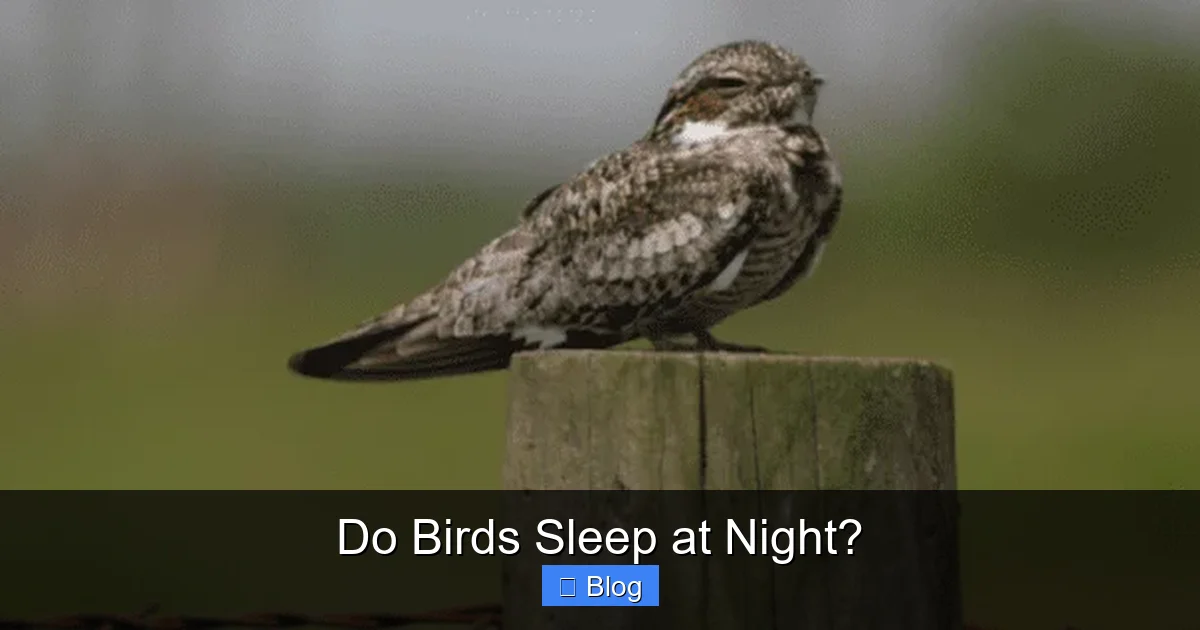
Some birds are completely nocturnal, meaning they are active at night and sleep during the day. The most well-known examples are owls, which hunt rodents and other small creatures under the cover of darkness. Nighthawks and most species of nightjars are also nocturnal, using their camouflage to rest discreetly during the day.
Crepuscular Birds (Dawn and Dusk Activity)
A smaller group of birds is crepuscular, meaning they are most active during the twilight hours of dawn and dusk. This includes birds like whip-poor-wills and some species of ducks. These times offer lower light for camouflage while still providing enough visibility for foraging.
Migratory Birds and Sleep Deprivation
Migratory birds undertake some of the most arduous journeys on the planet. During long, non-stop flights across oceans or continents, they often experience significant sleep deprivation. However, research suggests some species can manage “micro-sleeps” in flight using USWS, essentially cat-napping for a few seconds or minutes at a time without landing. Other species make stops to rest and refuel.
Parent Birds: Sacrificing Sleep for Chicks
During nesting season, parent birds, especially the females, may experience severe sleep deprivation. They are constantly alert, brooding eggs, protecting chicks from predators, and foraging for food for their young. Their sleep is often fragmented and light, a testament to their dedication to their offspring.
How You Can Help Birds Sleep Soundly
Understanding how and why birds sleep can inspire us to create a more hospitable environment for them. Here are a few ways you can help the birds in your area get a good night’s rest:
Provide Dense Cover
Plant native shrubs and trees that offer dense foliage. Evergreens are particularly valuable as they provide year-round shelter from wind, rain, and snow, offering excellent roosting spots. A thick hedge or a cluster of small trees can make a significant difference.
Install Roosting Boxes
Consider adding roosting boxes in your garden, especially during colder months. Unlike nesting boxes, roosting boxes often have an entrance hole near the bottom and a solid back wall to maximize heat retention. They provide a safe, insulated space for birds to huddle.
Minimize Light Pollution
Turn off unnecessary outdoor lights at night, especially powerful floodlights. If you need outdoor lighting, use motion-sensor lights or downward-facing fixtures with warm-colored bulbs to minimize light spill. This helps birds maintain their natural sleep cycles and reduces disorientation.
Keep Pets Indoors at Night
Domestic cats are a significant threat to sleeping birds. Keeping your cats indoors, especially from dusk till dawn, can dramatically reduce predation on nocturnal and roosting birds.
Avoid Disturbing Roosts
If you know where birds are roosting, try to avoid disturbing those areas after dark. Loud noises, bright lights, or close proximity can startle them, forcing them to expend valuable energy fleeing a perceived threat.
Offer Food and Water
While not directly related to sleep, ensuring birds have access to food and fresh water during the day helps them build up the energy reserves they need to survive the night, particularly in harsh weather.
Conclusion: The Silent World of Sleeping Birds
The question, “Do birds sleep at night?” opens a window into a truly fascinating aspect of avian life. Far from being simple creatures, birds exhibit an incredible array of adaptations and behaviors to ensure they get the vital rest they need while navigating a world full of dangers. From the miraculous ability to sleep with half a brain to the intricate selection of a safe roost, every aspect of their sleep is a testament to their evolutionary brilliance.
The next time you hear the chirping quiet down as evening approaches, take a moment to appreciate the unseen world of birds settling in for the night. They are busy finding their perfect spot, locking their feet onto a branch, and perhaps even catching a quick nap with one eye open. By understanding their needs and making small changes in our own environments, we can play a part in helping our feathered friends sleep soundly, ensuring they wake up refreshed and ready to fill our days with their vibrant presence once more.
🎥 Related Video: Where do birds sleep at night?
📺 Schechter Natural History
Frequently Asked Questions
How can I tell if a bird is sleeping?
A sleeping bird will often appear still, with its feathers fluffed up to retain warmth. It might tuck its head under a wing or have its eyes partially closed. They are usually unresponsive to minor disturbances.
Do birds have dreams?
While definitive proof is challenging, studies have shown birds experience REM sleep, which is associated with dreaming in mammals. This suggests birds likely experience something akin to dreams, possibly consolidating memories of the day’s events or practicing songs.
Why do some birds sleep in groups?
Many birds sleep in groups for safety in numbers, a strategy known as communal roosting. More eyes and ears mean better detection of predators, and huddling together can also provide collective warmth during cold nights.
Are baby birds sleeping differently from adult birds?
Baby birds, especially nestlings, spend a significant amount of time sleeping, often more deeply and for longer periods than adult birds, to support their rapid growth and development. As they mature, their sleep patterns become more similar to adults.
Do city birds sleep differently from wild birds?
City birds face challenges like constant artificial light and noise pollution, which can disrupt their natural sleep cycles. This might lead to fragmented sleep or an earlier start to their day compared to birds in more natural, dark environments.
What is the earliest a bird wakes up?
Many birds, particularly common songbirds, are among the earliest risers, often beginning to sing and forage at dawn, sometimes even before the sun fully appears. This early start allows them to exploit prime feeding times and avoid peak predator activity.