Yes, birds absolutely have tongues! Far from being simple, these often-overlooked organs are incredibly diverse and crucial for a bird’s survival, playing vital roles in everything from feeding and grooming to water intake. Avian tongues are marvels of evolution, perfectly adapted to their species’ unique diets and lifestyles.
Do Birds Have Tongues?
Have you ever looked closely at a bird as it pecks at a feeder or sips from a bird bath? It’s a common and fascinating question that sparks curiosity in many nature lovers: “Do birds have tongues?” For some reason, it’s a notion that often surprises people, perhaps because we don’t typically see a bird’s tongue in the same way we might see a dog’s or a person’s. The truth is, birds absolutely have tongues, and these often-hidden organs are far more complex and remarkable than you might imagine!
The idea that birds might not have tongues could stem from several reasons. Their beaks do most of the visible work – pecking, cracking, tearing. Plus, many bird tongues are small, tucked away, or specialized in ways that make them inconspicuous. But don’t let their elusive nature fool you; bird tongues are crucial to their survival and play an incredible variety of roles. They are finely tuned instruments, perfectly adapted to each bird’s unique diet and lifestyle.
Today, we’re going to dive deep into the world of avian tongues. We’ll explore their anatomy, marvel at their diverse functions, and look at how different species have evolved truly unique tongue designs. So, next time you see a feathered friend, you’ll have a whole new appreciation for the silent, often invisible, work happening inside their beaks. Let’s unravel the fascinating answer to, “Do birds have tongues?”
Key Takeaways
- Yes, Birds Have Tongues: Contrary to a common misconception, all birds possess tongues, though their appearance and function differ greatly from those of mammals.
- Highly Specialized for Diet: Avian tongues are incredibly diverse and uniquely adapted to each species’ specific feeding habits, from scooping and spearing to filtering and siphoning.
- Crucial for Feeding: Bird tongues are essential tools for manipulating food, extracting nectar, catching insects, filtering water, and even cracking seeds, making them vital for nutrient intake.
- Beyond Just Taste: While some birds have taste buds, tongues also play key roles in grooming, preening feathers, and efficiently collecting water, showcasing their multifaceted utility.
- The Hyoid Bone is Key: Unlike mammalian tongues, bird tongues are largely supported and operated by a complex, flexible structure called the hyoid apparatus, allowing for incredible extension and manipulation.
- Often Lacking Muscles: Many bird tongues lack intrinsic muscles but achieve movement through the hyoid bone and surrounding tissues, resulting in fascinating mechanical actions.
- Varying Textures and Shapes: From feathery and bristly to barbed and tube-like, bird tongues exhibit a wide array of textures and shapes, often keratinized for durability and grip.
Quick Answers to Common Questions
Do all bird species have tongues?
Yes, every known bird species possesses a tongue, though their size, shape, and function vary dramatically depending on the bird’s diet and lifestyle.
Are bird tongues similar to human tongues?
No, bird tongues are very different from human tongues. They are often less muscular, frequently supported by a complex bony structure called the hyoid apparatus, and are highly adapted for specific feeding behaviors rather than general manipulation and taste.
What is the hyoid bone’s role in bird tongues?
The hyoid bone (or hyoid apparatus) is a crucial skeletal structure that supports and enables the incredible movement and extension of many bird tongues, acting as a flexible framework for their specialized functions.
Can birds taste with their tongues?
Yes, birds do have taste buds, though fewer than mammals, and they are typically located on the roof of the mouth, throat, and sometimes on the tongue itself. Their sense of taste is often less developed than their sense of sight or hearing.
What are some examples of unique bird tongues?
Hummingbirds have siphoning tongues for nectar, woodpeckers have long, barbed, sticky tongues for insects, and parrots have fleshy, dexterous tongues for cracking seeds. Each is uniquely adapted to their diet.
📑 Table of Contents
The Surprising Truth: Yes, Birds Do Have Tongues!
Let’s put the main question to rest right away: yes, every single species of bird has a tongue. From the tiniest hummingbird to the largest ostrich, a bird’s mouth contains this vital organ. However, if you’re picturing a fleshy, muscular tongue similar to your own or your pet’s, you’ll need to adjust your mental image. Bird tongues are incredibly diverse, reflecting the vast array of avian diets and feeding strategies across the globe.
Dispelling the Myth
The misconception that birds lack tongues probably comes from how differently they eat compared to mammals. We chew our food with teeth, using our muscular tongues to move it around our mouths. Birds, on the other hand, don’t have teeth. Their beaks do the initial work of grasping, crushing, or tearing food. Because they don’t chew, the role of their tongues shifts from a primary manipulator of food for mastication to a specialized tool for collection, transport, and even sensory input. This unique evolutionary path has led to the incredible variety of bird tongues we see today.
Basic Anatomy of a Bird’s Tongue
While widely varied, bird tongues share some general anatomical features. They are typically located at the bottom of the oral cavity, just like in mammals. However, the internal structure is quite different. Instead of a large, fleshy mass of intrinsic muscles, many bird tongues are primarily supported by a complex bony structure called the hyoid apparatus (or hyoid bone). This flexible skeletal system, often extending far into the bird’s head and neck, is what allows for the amazing reach and movement seen in many species, especially woodpeckers and hummingbirds. The tongue itself is often covered in a keratinized layer (similar to your fingernails or a bird’s beak), which can be smooth, bristly, feathery, or barbed, depending on its function.
Beyond Chewing: The Diverse Functions of Avian Tongues
So, if birds don’t chew, what exactly do their tongues do? The answer is “a lot!” Bird tongues are indispensable for various aspects of a bird’s life, far exceeding a simple role in taste. They are key to feeding, grooming, and even staying hydrated.
Feeding Strategies and Tongue Adaptation
This is where bird tongues truly shine. Their primary function is almost always related to food acquisition and manipulation.
- Nectar Collection: Hummingbirds and sunbirds have tongues adapted to siphon nectar from flowers.
- Insect Catching: Woodpeckers use long, barbed tongues to spear insects from deep within tree bark.
- Filtering: Ducks and flamingos have specialized tongues to filter tiny organisms from water.
- Seed Manipulation: Finches and parrots use their tongues to hold and de-husk seeds with incredible precision.
- Fruit & Berry Eating: Many fruit-eating birds use their tongues to scoop out pulp or manipulate soft fruits.
The shape, texture, and mobility of a bird’s tongue are direct reflections of its diet. It’s a fantastic example of natural selection at work, where each adaptation provides a survival advantage.
Grooming and Preening
Beyond eating, bird tongues also play a vital role in maintaining a bird’s plumage. Many birds use their tongues to spread preen oil from a gland near their tail throughout their feathers. This oil helps waterproof and protect their feathers. For some species, like parrots, their tongues can also help manipulate and clean individual feathers, ensuring they stay in top condition for flight and insulation. This delicate work is another reason why bird tongues are so important.
Water Intake and Hydration
Drinking water might seem straightforward, but for birds, their tongues often play a critical role. Some birds, like pigeons, can use their tongues to create a “straw” effect, sucking water directly into their throats. Others might use their tongues to scoop up water or guide droplets into their mouths. Efficient water intake is crucial for survival, especially in arid environments, and the specific design of a bird’s tongue can greatly aid this process. Without these adaptations, staying hydrated would be much more challenging for many species.
A Tongue for Every Taste (or Need): Specialized Avian Tongues
The diversity of bird tongues is truly astounding. Let’s explore some incredible examples of how evolution has crafted these organs for specific tasks. When we ask, “Do birds have tongues?” we’re really asking about an entire spectrum of biological tools.
Hummingbirds: The Nectar Siphon
Perhaps one of the most famous examples of specialized bird tongues belongs to the hummingbird. Their tongues are not like straws, as often believed, but rather like tiny, fringed brushes or w-shaped troughs that can “lap up” nectar. The edges of their tongues coil inward, forming two tiny tubes. As they rapidly extend and retract their tongue (up to 13 times per second!), capillary action and a muscular pumping mechanism pull the nectar into their mouths. This incredible adaptation allows them to efficiently consume the vast amounts of sugar water needed to fuel their high-metabolism lifestyles.
Woodpeckers: The Insect Harpoon
Woodpeckers possess one of the longest and most unique bird tongues. Their hyoid apparatus is so extended that it wraps around the back of their skull, over the top, and sometimes even into one of their nostrils! This allows them to extend their tongue far beyond their beak, reaching deep into crevices and tunnels in wood. The tip of a woodpecker’s tongue is often barbed and covered in sticky saliva, acting like a perfect harpoon to extract insects and larvae that are hidden from view. Without such an incredibly specialized tongue, their primary food source would be inaccessible.
Ducks and Geese: The Filter Feeders
Ducks, geese, and other waterfowl often have broad, flat tongues that might seem less “exciting” than a hummingbird’s or woodpecker’s, but they are perfectly designed for their lifestyle. Their tongues are often covered in small, comb-like projections called lamellae along the edges. These work in conjunction with similar structures inside their beaks to filter small invertebrates, seeds, and plant matter from water or mud. As they scoop up water, their tongues push the water out, trapping the edible bits, effectively acting as a tiny colander.
Parrots: The Dexterous Manipulators
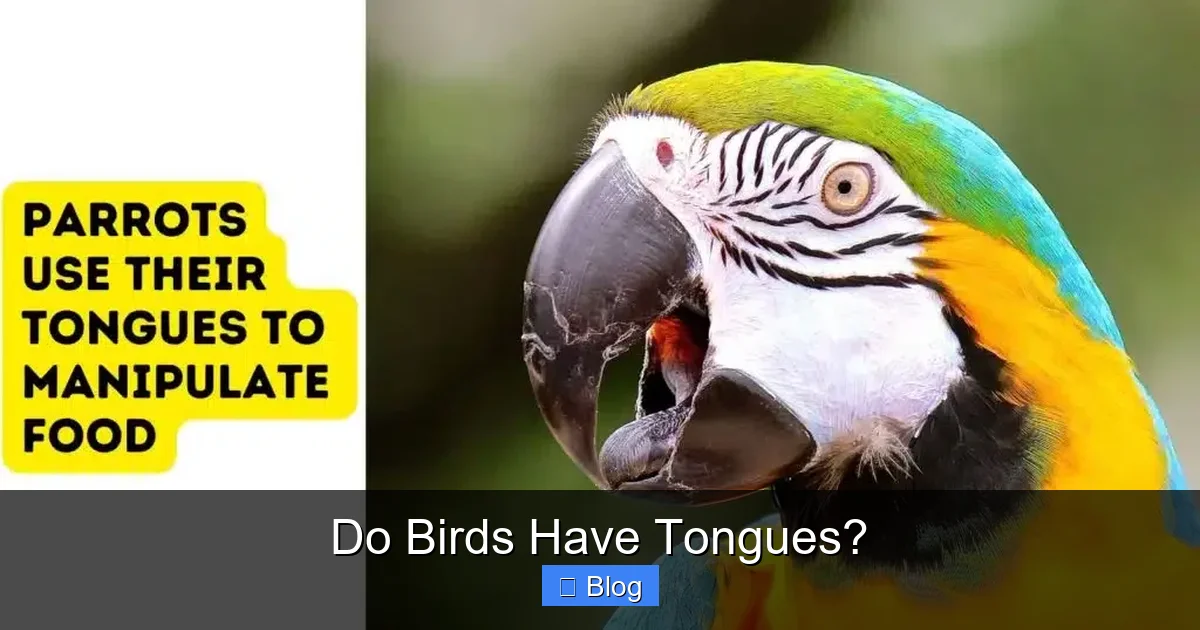
Parrots, known for their intelligence and ability to mimic speech, also have remarkably agile and muscular tongues. Their tongues are typically thick, fleshy, and highly sensitive, allowing them to manipulate seeds and nuts with incredible dexterity. They use their tongues to hold food against their upper beak while cracking it open, and then to separate the edible kernel from the husk. A parrot’s tongue is also essential for vocalization, contributing to their diverse range of sounds and even their ability to “talk.” This complex organ highlights how versatile bird tongues can be.
Flamingos: Upside-Down Dining
Flamingos have one of the most peculiar feeding methods, and their tongues are central to it. When feeding, a flamingo often holds its head upside down. Its large, piston-like tongue works like a pump, drawing water and mud into its beak. The beak itself is specially shaped with lamellae (filter plates). The powerful tongue then pushes the water back out through these filters, trapping tiny algae, diatoms, and small crustaceans. The tongue can also have bristly projections that further aid in filtering, making it an incredibly efficient tool for their unique upside-down diet.
What Makes Bird Tongues So Unique?
Beyond their diverse appearances, the internal workings of bird tongues also set them apart from those of mammals. Understanding these differences helps us further appreciate the wonder of avian biology and the answer to “Do birds have tongues?” is not just a yes, but a story of incredible evolutionary solutions.
Lack of Muscles in the Traditional Sense
While some bird tongues do have intrinsic muscles, many rely heavily on the hyoid apparatus for movement. In mammals, the tongue is largely a muscular hydrostat, meaning it achieves its shape and movement through the coordinated contraction of its own muscles. Bird tongues, particularly the highly extensible ones, often operate more like a lever system. The muscles are primarily attached to the hyoid bone, which then pushes and pulls the tongue in and out of the beak. This distinction is crucial for understanding how something like a woodpecker’s tongue can extend so far without being a solid mass of muscle.
The Hyoid Bone: The Unsung Hero
The hyoid bone (or hyoid apparatus) is arguably the most defining feature of a bird’s tongue anatomy. This flexible, cartilaginous and bony structure acts as the tongue’s skeleton, providing support and enabling its remarkable range of motion. In species like woodpeckers, the hyoid bone can be extremely long, coiling around the skull to allow for maximum extension. In others, it might be shorter but still provides the necessary framework for precise movements. It’s a fascinating example of skeletal adaptation performing the job that muscles do in other animals. The versatility and strength derived from the hyoid bone mean that bird tongues can perform amazing feats.
Keratinization and Papillae: Texture Matters
Many bird tongues are covered in a layer of keratin, the same tough protein found in beaks, claws, and your fingernails. This keratinization makes the tongue durable and often provides specialized textures. For example, some tongues have backward-pointing papillae (small, nipple-like projections) which help grip slippery prey like fish or prevent food from escaping the mouth. Others might have brush-like tips for collecting nectar or soft, fleshy pads for manipulating seeds. The surface texture of a bird’s tongue is just as important as its shape in determining its effectiveness for a particular feeding strategy.
Observing Bird Tongues in Your Backyard
Now that you know the answer to “Do birds have tongues?” and understand how vital they are, you might be wondering how you can get a glimpse of these amazing organs yourself. While many bird tongues are small and quick, with a little patience and the right setup, you can often observe them in action.
How to Catch a Glimpse
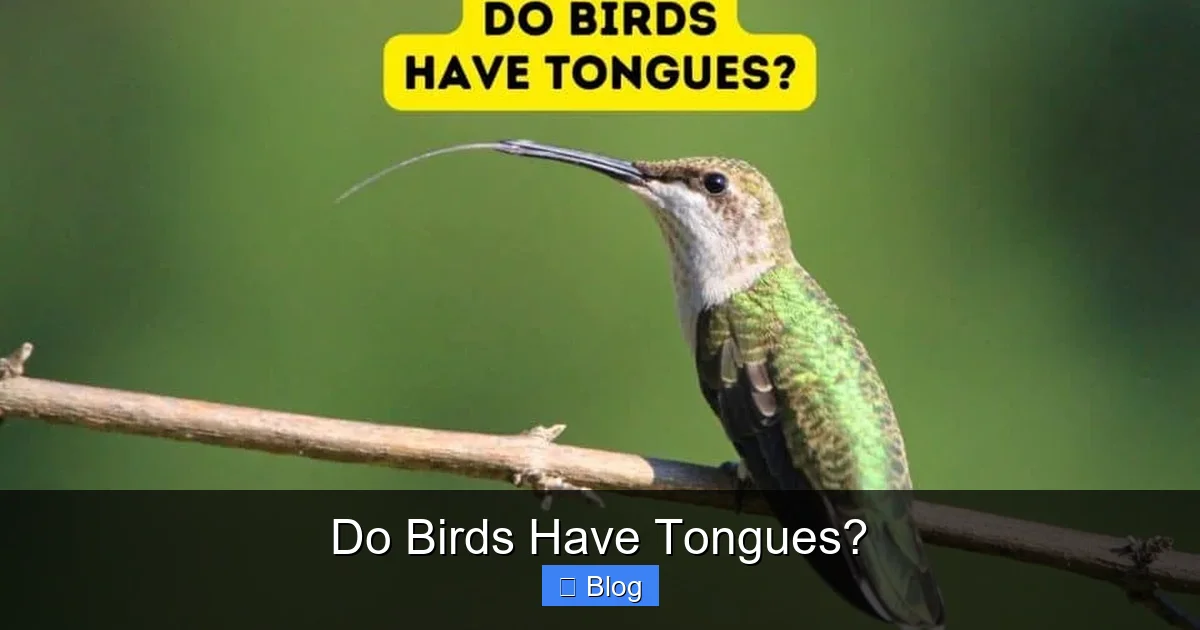
One of the easiest ways to see a bird’s tongue is by observing hummingbirds at a nectar feeder. If you watch closely, especially with a slow-motion video or a good pair of binoculars, you can sometimes catch the rapid extension and retraction of their split, brush-like tongues. Look for them dipping their beaks into the nectar ports and rapidly darting their tongues in and out. This is a clear demonstration of how efficient bird tongues are for their specialized diet.
Visual guide about Do Birds Have Tongues?
Image source: birdtipper.com
For other species, it can be trickier. Birds often swallow food whole and quickly. However, if you watch birds cracking seeds at a feeder, like finches or cardinals, you might occasionally see them use their tongues to manipulate the seed within their beak before swallowing. Parrots, with their more muscular and visible tongues, are also good subjects for observation, especially when they are eating shelled nuts or fruits.
Bird Feeders and Tongue Action
Setting up different types of bird feeders can increase your chances of seeing bird tongues at work.
- Nectar Feeders: A must for hummingbird tongue observation.
- Seed Feeders: Watch finches and sparrows carefully de-husk seeds using their tongues.
- Suet Feeders: Woodpeckers visiting suet can sometimes reveal a glimpse of their long tongues as they probe.
- Water Baths: Observe how different birds drink, some may use their tongues to scoop or lap.
Remember, patience is key. Bird tongues are fast and efficient, often moving too quickly for the untrained eye to catch. But knowing what to look for makes the observation even more rewarding.
Appreciating Avian Adaptations
Every time you observe a bird interacting with its environment – whether it’s eating, drinking, or preening – remember the incredible hidden work of its tongue. It’s a testament to millions of years of evolution, perfectly tailoring each species to its ecological niche. The next time someone asks, “Do birds have tongues?” you’ll not only have a resounding “Yes!” but also a wealth of fascinating details to share about these tiny, mighty marvels of nature.
Conclusion
So, the answer to our initial question, “Do birds have tongues?” is a resounding and emphatic yes! Far from being absent, bird tongues are incredibly diverse, specialized, and absolutely essential organs. They are not the fleshy, muscular organs we typically associate with mammals, but rather complex structures often supported by a unique hyoid bone apparatus, allowing for astonishing flexibility and function.
From the lightning-fast nectar siphons of hummingbirds to the insect-spearing harpoons of woodpeckers, and the intricate filter-feeding mechanisms of ducks and flamingos, avian tongues are biological marvels. They are central to a bird’s ability to feed efficiently, stay hydrated, and even groom themselves, showcasing an incredible array of evolutionary adaptations tailored to each species’ specific lifestyle and diet. The next time you spot a bird, take a moment to appreciate the often-unseen but incredibly vital work of its specialized tongue. It’s just one more reason why the natural world is so endlessly fascinating!
🎥 Related Video: Do birds have tongues?
📺 ViviMixed
Yes, they do. =)
Frequently Asked Questions
How do birds use their tongues for grooming?
Many birds use their tongues to spread preen oil from a gland near their tail over their feathers. This oil helps waterproof and condition their plumage, and the tongue allows for precise application to maintain feather health.
Do birds use their tongues to drink water?
Yes, bird tongues are often involved in drinking. Some birds can create a “straw” effect, while others use their tongues to scoop water or guide droplets into their mouths, making water intake efficient.
Why are some bird tongues so long?
Some bird tongues, like those of woodpeckers, are incredibly long because they need to reach deep into crevices or holes to extract food. The extended hyoid bone allows for this remarkable reach, helping them access otherwise hidden prey.
Are bird tongues always visible?
No, bird tongues are rarely fully visible unless the bird is actively feeding in a specific way (like a hummingbird at a feeder) or vocalizing. Most bird tongues are small and kept tucked within the beak.
Can birds sting or bite with their tongues?
Birds do not sting with their tongues. While some tongues, like a woodpecker’s, can be barbed or pointed to grip prey, they are not used for stinging or biting in a defensive or aggressive manner like an insect’s stinger.
What is keratinization in bird tongues?
Keratinization refers to the hardening of the tongue’s surface with keratin, a tough protein also found in beaks and claws. This provides durability, grip, and often forms specialized structures like bristles or barbs that are crucial for a bird’s feeding strategy.