
For a long time, it was a common belief that birds lacked a sense of smell. However, modern scientific research has definitively proven this to be a myth. While their olfactory abilities vary greatly between species, many birds possess a sophisticated sense of smell, using it for crucial tasks like locating food, navigating vast distances, detecting predators, and even selecting mates. This fascinating aspect of avian biology challenges our past assumptions and highlights the complex sensory world of our feathered friends.
For generations, the notion has persisted that birds, those captivating creatures of the sky, rely almost exclusively on their keen eyesight and sharp hearing to navigate their world. If you were asked, “Do birds have a sense of smell?”, chances are your immediate thought might be, “Probably not, they just use their eyes!” This idea has been deeply ingrained in popular culture and even in some scientific circles for a very long time. It’s easy to imagine a soaring hawk spotting its prey from miles away, or a robin cocking its head to listen for a worm, without ever considering scent as part of their toolkit.
But what if we told you that this widely accepted belief is, for the most part, a myth? What if the feathered friends flitting around your backyard or soaring high above the oceans possess a secret sense that we’ve largely overlooked? The truth, as modern science is rapidly uncovering, is far more complex and fascinating. Birds, in fact, do have a sense of smell, and for many species, it’s a remarkably sophisticated and indispensable tool. Get ready to challenge your preconceived notions and delve into the surprising world of avian olfaction!
This article will take you on a journey to explore the intricate science behind how birds smell, which species are olfactory champions, and the incredible ways they use this often-underestimated sense. From finding hidden food to navigating vast oceans and even selecting a mate, the sense of smell plays a crucial role in the lives of many birds. Let’s peel back the layers of misconception and discover just how important it is to answer the question, “Do birds have a sense of smell?” with a resounding “Yes!”
Key Takeaways
- Myth Debunked: The long-held belief that birds have no sense of smell is incorrect. Scientific research has proven that most, if not all, birds possess some degree of olfactory capability.
- Varying Abilities: The strength and importance of a bird’s sense of smell vary significantly between species. Some birds, like vultures and kiwis, have an exceptionally keen sense of smell, while others might rely on it more subtly.
- Crucial for Foraging: Many birds use their sense of smell to locate food sources, whether it’s carrion for vultures, underground grubs for kiwis, or specific fish oils for seabirds like petrels and albatrosses.
- Navigation and Homing: Olfactory cues play a vital role in navigation, particularly for seabirds and homing pigeons, helping them orient themselves and find their way across vast, featureless landscapes.
- Predator and Nest Detection: Birds can use their sense of smell to detect predators and avoid threats. They may also use it to locate their own nests or distinguish their chicks from others.
- Social and Reproductive Roles: Smell can influence social interactions, mate selection, and even communication within bird species, often through subtle chemical signals.
- Complex Sensory World: Understanding avian olfaction adds a crucial dimension to our appreciation of birds, revealing they navigate their world using a richer array of senses than previously thought.
Quick Answers to Common Questions
Question 1?
Yes, most birds do have a sense of smell, though its acuity varies significantly between species. The long-held belief that birds rely solely on sight and hearing is a myth largely debunked by modern science.
Question 2?
Birds use their sense of smell for a variety of critical tasks, including locating food (like carrion or hidden grubs), navigating during migration, detecting predators, recognizing their nests or chicks, and potentially for social communication and mate selection.
Question 3?
New World Vultures (especially Turkey Vultures), Kiwis, and many seabirds like Petrels and Albatrosses are known for having an exceptionally keen sense of smell, crucial for their unique foraging strategies.
Question 4?
Scientists study avian olfaction through behavioral experiments (observing reactions to scents), neurophysiological studies (measuring brain activity), and genetic analysis (examining olfactory receptor genes).
Question 5?
While it’s unlikely a bird will abandon its young purely due to human scent, strong artificial scents (perfumes, heavily scented soaps) around bird feeders or nesting areas might deter birds or cause unnecessary stress. It’s best to keep such areas naturally clean and scent-free.
📑 Table of Contents
- The Great Avian Smell Myth: From Dismissal to Discovery
- How Birds Smell: The Avian Olfactory System
- Birds That Are Olfactory Champions
- Diverse Applications of Avian Olfaction
- Studying Avian Olfaction: How Scientists Uncover the Secrets
- Practical Implications for Bird Enthusiasts and Conservation
- Conclusion: The Rich, Scented World of Birds
The Great Avian Smell Myth: From Dismissal to Discovery
For centuries, scientists and naturalists largely dismissed the idea that birds possessed a functional sense of smell. The reasons behind this dismissal were varied but often rooted in superficial observations. Birds have relatively small nostrils, and their brains seemed to dedicate vast areas to processing visual information, leading to the assumption that other senses, especially smell, were underdeveloped or even absent. Early experiments, which were often crude, sometimes yielded inconsistent results, further solidifying the prevailing view.
Why the Myth Persisted
- Dominant Eyesight: Birds are renowned for their exceptional vision. Raptors can spot prey from incredible distances, and many birds navigate complex environments with visual cues. This dominance often overshadowed the potential for other senses.
- Small Olfactory Bulbs: Compared to mammals with a strong sense of smell, like dogs, the olfactory bulbs in many bird brains appeared relatively small. Scientists mistakenly correlated size directly with function, overlooking the possibility of efficient processing.
- Behavioral Observations: Most bird behaviors, like searching for food or avoiding predators, seemed visually driven. It was hard to observe a bird actively “sniffing” in the same way a dog would.
The Turning Point: Modern Science Intervenes
The tide began to turn in the mid-20th century, largely thanks to groundbreaking research on New World vultures. Pioneering studies by Kenneth Stager in the 1960s demonstrated that Turkey Vultures, with their distinctively large olfactory bulbs, could locate hidden carrion by smell, even when it was completely out of sight. This was a pivotal moment, proving definitively that at least *some* birds could smell.
Since then, technological advancements and more sophisticated research methods, including neurophysiological studies and behavioral experiments, have expanded our understanding dramatically. We now know that the ability to smell is widespread among avian species, though its acuity and importance vary greatly.
How Birds Smell: The Avian Olfactory System
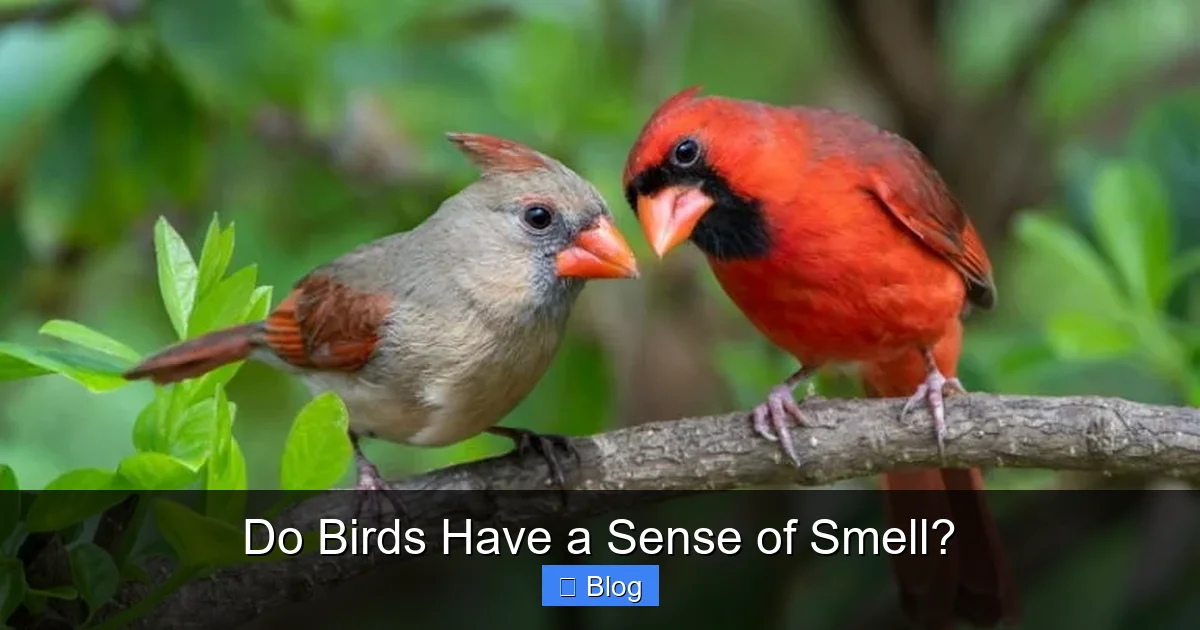
Just like mammals, birds possess an olfactory system designed to detect and interpret airborne chemical signals. While it might look different from a dog’s or a human’s, the underlying principles are the same.
Visual guide about Do Birds Have a Sense of Smell?
Image source: opticsmag.com
Anatomy of Avian Olfaction
- Nostrils (Nares): Birds inhale air through their nostrils, located at the base of their beak.
- Olfactory Epithelium: Inside the nasal cavity, specialized tissue called the olfactory epithelium contains millions of receptor cells. These cells have specific proteins that bind to airborne odor molecules.
- Olfactory Bulb: When an odor molecule binds to a receptor, it sends an electrical signal to the olfactory bulb in the brain. The olfactory bulb is essentially the brain’s “smell center,” where these signals are processed and interpreted.
- Brain Pathways: From the olfactory bulb, information is relayed to other parts of the brain for further processing, allowing the bird to recognize the smell and respond accordingly.
Size Isn’t Everything
It’s true that the olfactory bulbs of many birds are smaller in proportion to their brain size compared to mammals known for their keen sense of smell. However, scientists now understand that the *efficiency* of the processing, the number and type of receptors, and the neural pathways are more important than just the absolute size. A smaller bulb can still be incredibly effective at detecting specific odors crucial to a bird’s survival.
Birds That Are Olfactory Champions
While most birds can smell, some species have evolved an exceptionally acute sense of smell, making them true champions of avian olfaction. These birds often rely on smell for their very survival, specializing in tasks that would be impossible with just sight and hearing.
The Masters of Scent: New World Vultures
Turkey Vultures are perhaps the most famous example. Unlike many predators who hunt live prey, vultures are scavengers, meaning they feed on carrion (dead animals). Their sense of smell is legendary. They can detect the scent of ethyl mercaptan, a gas produced by decaying flesh, from miles away, even when the carcass is hidden under foliage. This remarkable ability allows them to find food that other scavengers might miss, ensuring they play a vital role in ecosystem cleanup.
The Nocturnal Sniffers: Kiwis
These flightless, nocturnal birds from New Zealand are a fantastic example of olfactory specialization. Kiwis live in dense forests and forage at night, probing the ground with their long beaks. Uniquely, their nostrils are located at the *very tip* of their beak. This allows them to literally “sniff out” worms, insects, and grubs underground, a feat impossible to achieve through sight or hearing alone in their dark, cluttered environment. Their sense of smell is paramount for their survival.
Seabirds and Ocean Scents: Petrels and Albatrosses
Imagine navigating the vast, featureless expanse of the open ocean. How do seabirds find food? While they do use vision, many species like petrels, shearwaters, and albatrosses possess an incredible sense of smell. They can detect the scent of dimethyl sulfide (DMS), a gas released by plankton when it’s being grazed upon by krill. This scent acts like a beacon, leading them to productive feeding grounds where fish and other prey are abundant. They can literally sniff out a meal across miles of ocean surface, flying into the wind to pinpoint the strongest scent source.
Diverse Applications of Avian Olfaction
The sense of smell in birds isn’t just for finding food; it’s a versatile tool used in a surprising array of behaviors essential for survival and reproduction.
Finding Food Beyond Carrion and Plankton
- Fruits and Nectar: Some fruit-eating birds, like certain types of parrots or toucans, might use smell to determine the ripeness of fruit, ensuring they select the most nutritious options. Hummingbirds, though primarily attracted by color, may also use scent to locate flowers with the richest nectar.
- Underground Treasures: Besides kiwis, some ground-dwelling birds may use smell to detect seeds, tubers, or insects hidden beneath the soil or leaf litter.
Navigation and Homing
This is one of the most exciting areas of avian olfaction research. For many years, scientists believed birds navigated solely by the sun, magnetic fields, or visual landmarks. However, studies, especially on homing pigeons and seabirds, have revealed that smell plays a critical role in their ability to find their way home, even from unfamiliar locations. Pigeons seem to create “olfactory maps” of their environment, associating different smells with specific directions and locations.
Predator Detection and Avoidance
The ability to smell potential threats is crucial for survival, especially for ground-nesting birds or those with vulnerable chicks. Birds can detect the scent of predators like foxes, snakes, or raccoons, allowing them to take evasive action or defend their nests more effectively. For example, some studies suggest that certain ground-nesting birds will avoid nesting in areas where predator scents are strong.
Nest Building and Recognition
It’s not just about finding the nest; it’s about making it home. Some birds incorporate scented materials into their nests, such as aromatic plants, which might serve as a form of pest control or even have antimicrobial properties. Furthermore, parent birds may use subtle scent cues to recognize their own nests or distinguish their chicks from those of other birds in a crowded colony.
Mate Selection and Social Communication
While not as overt as in mammals, chemical communication, or “pheromones,” are increasingly being recognized in birds. Birds might use unique body scents to signal their health, genetic fitness, or reproductive readiness to potential mates. For example, some petrel species have distinct individual scents. This can play a subtle but significant role in mate choice, helping birds find the “right” partner. It also contributes to individual recognition within a group or pair bond.
Studying Avian Olfaction: How Scientists Uncover the Secrets
Understanding how birds smell isn’t as simple as watching a dog sniff a lamp post. Scientists employ a variety of clever and sophisticated techniques to study this often-hidden sense.
Behavioral Experiments
- Scent Trails: Researchers might expose birds to specific scents and observe their reactions, such as turning towards the scent source, changes in foraging behavior, or avoidance. For instance, studies might release specific odors in controlled wind tunnels to see if birds follow the scent.
- Conditioned Responses: Birds can be trained to associate certain smells with rewards or punishments, demonstrating their ability to detect and differentiate between odors.
Neurophysiological Studies
These involve examining the bird’s brain activity in response to different smells. Techniques like electrophysiology can measure the electrical signals generated in the olfactory bulb and other brain regions when a bird is exposed to a particular odor. Researchers can also study the size and complexity of the olfactory bulb in different species to infer their olfactory capabilities.
Genetic and Chemical Analysis
Scientists can analyze the genes responsible for olfactory receptors in different bird species. The number and type of these genes can provide clues about the range and sensitivity of a bird’s sense of smell. Chemical analysis of bird secretions or environmental cues can also help identify the specific odor molecules birds are detecting.
Practical Implications for Bird Enthusiasts and Conservation
Understanding that birds do have a sense of smell changes how we interact with them and how we approach bird conservation.
Bird Feeding and Attracting Birds
While visual cues and seed type are primary attractants, the subtle scents of seeds, fruits, or even specialized bird food can play a role. However, strong artificial scents (like perfumes or heavily scented cleaning products) around feeders or bird baths might deter birds rather than attract them. Keep your birding areas naturally clean.
Bird Safety and Avoiding Strong Scents
If you’re handling a baby bird or rehabilitating an injured one, some experts suggest minimizing your own strong scents (perfumes, strong hand soaps) to avoid causing stress or unnatural associations. While the “birds will reject their young if they smell humans” idea is largely debunked for most species, a cautious approach is always wise. For nest boxes, ensure materials are natural and scent-free.
Appreciating Bird Behavior
Knowing that birds use smell gives us a deeper appreciation for their complex sensory world. When you see a vulture soaring, remember it might be sniffing out its next meal from miles away. When a seabird flies in zigzags, it could be following an invisible scent trail. It enriches our understanding of their ecological roles and incredible adaptations.
Conservation Efforts
For endangered species, understanding their reliance on smell can inform conservation strategies. For instance, if a rare ground-nesting bird relies on smell to detect predators, managing predator populations or creating scent-free protective zones becomes even more critical. Similarly, understanding migratory birds’ olfactory navigation can help in planning flight paths around human-made obstacles or pollution.
Conclusion: The Rich, Scented World of Birds
So, do birds have a sense of smell? The answer is a resounding and fascinating yes! The journey from dismissing avian olfaction as a non-existent sense to recognizing its profound importance is a testament to the continuous evolution of scientific inquiry. We’ve uncovered that the world for birds isn’t just a kaleidoscope of colors and a symphony of sounds; it’s also a tapestry of scents, invisible to our human noses but critically important for their survival.
From the iconic Turkey Vulture using its keen sense of smell to locate hidden feasts, to the humble kiwi sniffing out dinner in the dark, and the ocean-faring albatross finding food across vast expanses, avian olfaction is a vital, multifaceted sense. It plays roles in foraging, navigation, predator avoidance, nest recognition, and even subtle social communication and mate choice. The more we learn about birds’ sense of smell, the more we appreciate the intricate ways these creatures interact with and understand their environment.
The next time you observe a bird, remember that there’s more to its sensory world than meets the eye (or the ear!). By understanding and appreciating their complete range of senses, including their often-underestimated sense of smell, we can foster a deeper connection to nature and become better stewards of the incredible avian diversity that surrounds us. The scientific journey into the scented world of birds continues, promising even more astonishing discoveries.
🎥 Related Video: Do Birds Have A Sense Of Smell?
📺 All Things Birdie
Most birds have remarkable vision and hearing, but what about their sense of smell? Long ago it was believed that birds had very …
Frequently Asked Questions
Do all birds have a sense of smell?
While the acuity varies greatly, scientific evidence suggests that most, if not all, birds possess at least some capacity for smell. The range of olfactory abilities spans from highly developed, crucial for survival, to more subtle uses.
How does a bird’s sense of smell compare to a dog’s?
Generally, a dog’s sense of smell is far more developed and sensitive than most birds, as dogs have a much larger olfactory epithelium and more dedicated brain processing. However, specific bird species like vultures or kiwis have a highly specialized and effective sense of smell tailored to their specific needs, which can be incredibly acute for certain odors.
Can birds smell human hands on their eggs or chicks?
The common belief that birds will abandon their young if humans touch them due to scent is largely a myth. While birds do have a sense of smell, parental abandonment is usually triggered by persistent disturbance or visible damage to the nest, not primarily by human scent alone. It’s still best to avoid touching nests unless absolutely necessary.
What specific odors can birds detect?
Birds can detect a wide range of odors relevant to their survival. Examples include the scent of decaying flesh (vultures), dimethyl sulfide (seabirds, indicating plankton), underground grubs (kiwis), specific plant compounds, and potentially predator scents or even subtle pheromones from other birds.
Do migratory birds use smell to find their way?
Yes, research, particularly on homing pigeons and seabirds, indicates that olfactory cues play a significant role in bird navigation and homing. Birds appear to create “olfactory maps” of their environment, using ambient smells to orient themselves and find their way back to specific locations, complementing other navigational tools like magnetic fields and celestial bodies.
Are there any birds known to have a very poor sense of smell?
While studies continue, some birds, particularly those that are highly visual hunters or rely predominantly on sound, might have a less developed sense of smell compared to their olfactory champions. Passerines (songbirds) are generally thought to have a less acute sense of smell than vultures or kiwis, though they still use it for specific purposes like recognizing nesting material or detecting food.