
Do birds fly at night? The answer is a resounding yes, though it depends on the species and situation. While most birds roost for safety, many undertake incredible nocturnal migrations to avoid predators and leverage cooler temperatures. Specialized nocturnal birds, like owls and nighthawks, are perfectly adapted to hunt and navigate in the dark, showcasing the diverse strategies birds employ across the 24-hour cycle.
Picture this: the sun dips below the horizon, painting the sky in fiery oranges and soft purples. As darkness settles, most of the world prepares for slumber. You might assume all birds tuck themselves away, hidden in their nests or perched safely on branches, waiting for the first light of dawn. But then a curious question might flutter into your mind: do birds fly at night?
It’s a fantastic question, one that delves into the hidden lives of our feathered friends and reveals a world far more complex and active than many of us imagine. The simple answer is yes, some birds absolutely fly at night! But like most things in nature, it’s not a straightforward “all or nothing” situation. The reasons, methods, and challenges associated with birds flying after dark are incredibly diverse and fascinating, showcasing remarkable adaptations and survival strategies.
Join us on a nocturnal journey as we explore which birds brave the darkness, why they choose to fly under the cover of night, the incredible ways they navigate, and the unique challenges they face in a world often dominated by daylight. Prepare to have your understanding of avian behavior soar to new heights!
Key Takeaways
- Most Birds Rest at Night: The vast majority of bird species are diurnal, meaning they are active during the day and roost at night for safety, energy conservation, and to avoid nocturnal predators.
- Many Birds Are Nocturnal Fliers: A significant number of bird species, particularly migratory birds like warblers and thrushes, fly at night to take advantage of cooler temperatures, calmer air, and reduced predator risk.
- Specialized Nocturnal Hunters: Birds like owls, nighthawks, and nightjars are perfectly adapted with excellent night vision and hearing to hunt and forage after dark.
- Navigation by the Stars and Earth’s Magnetism: Night-flying birds use a combination of celestial cues (stars, moon), the Earth’s magnetic field, and even learned landmarks to navigate their long journeys in the dark.
- Challenges of Night Flight: Flying at night comes with risks, including disorientation from light pollution, adverse weather conditions, and collisions with man-made structures.
- Light Pollution is a Major Threat: Artificial lights can disorient migrating birds, drawing them off course and leading to exhaustion or fatal collisions, highlighting the need for “lights out” initiatives.
- Rare Daytime Exceptions: Diurnal birds might fly at night in emergencies, such as escaping severe disturbances, relocating due to habitat destruction, or when disoriented by unusual events.
Quick Answers to Common Questions
Do all birds fly at night?
No, the vast majority of bird species are diurnal, meaning they are active during the day and roost at night for rest and safety.
Which types of birds commonly fly at night?
Many migratory songbirds (like warblers and thrushes), nocturnal predators (like owls), and insectivores (like nighthawks and nightjars) commonly fly at night.
Why do migratory birds fly at night?
Migratory birds fly at night to avoid diurnal predators, take advantage of cooler temperatures and calmer air, and use celestial cues for navigation.
How do birds navigate in the dark?
Birds navigate using a combination of methods, including the Earth’s magnetic field, celestial cues (stars and the moon), and learned landmarks.
Is light pollution harmful to night-flying birds?
Yes, light pollution is very harmful. It disorients migrating birds, causing them to fly off course, exhaust themselves, or collide with illuminated structures.
📑 Table of Contents
The General Rule: Most Birds Rest at Night
Let’s start with what you probably already suspect. For the vast majority of bird species, nighttime is for resting. These are what we call “diurnal” birds, meaning they are primarily active during the day. Think of your backyard robin, the bustling sparrows, or the majestic eagles you might spot soaring overhead. When the sun sets, these birds seek out safe roosting spots to sleep, conserve energy, and stay hidden from potential predators.
Diurnal Rhythms and Safety
Just like humans, most birds have a natural circadian rhythm that dictates their sleep-wake cycles. Darkness signals it’s time to power down. Roosting provides a critical opportunity for birds to regain energy spent foraging, breeding, and simply living their busy lives. During these hours of rest, their metabolism slows, allowing them to conserve vital resources. Furthermore, the cover of darkness often presents a heightened risk for diurnal birds. Their vision is typically not adapted for low light, making navigation difficult and increasing their vulnerability to predators that are specifically active at night.
The Importance of Roosting
A good roosting spot is paramount for a diurnal bird’s survival. It needs to offer protection from predators (like owls, raccoons, or cats), shelter from harsh weather, and often a sense of community. Many species will gather in communal roosts, especially during colder months, to share body warmth and collectively watch for danger. So, while you might hear an occasional chirp or rustle, the general rule is clear: if you hear birds stirring at night, it’s often an exception rather than the norm for most species.
Nocturnal Navigators: Who Flies After Dark?
Now, let’s flip the coin and talk about the extraordinary birds that regularly challenge the “sleep at night” stereotype. The answer to “do birds fly at night?” really comes alive when we look at these incredible species.
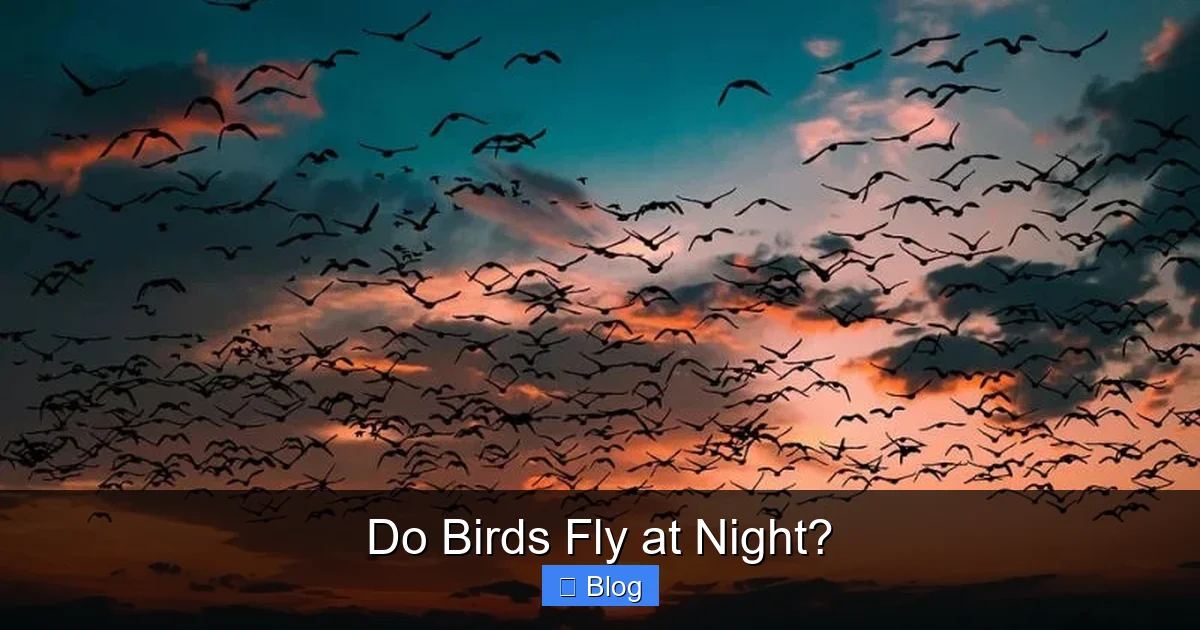
Visual guide about Do Birds Fly at Night?
Image source: birdsandwild.com
Migratory Birds: The Ultimate Night Flyers
Perhaps the largest group of birds that fly at night are migratory species. Millions upon millions of songbirds – warblers, thrushes, vireos, and many others – embark on epic journeys between their breeding and wintering grounds, often under the cloak of darkness. Why do they do it? It’s a strategic choice. Flying at night helps them avoid diurnal predators like hawks and falcons, who are less effective hunters in low light. It also allows them to take advantage of cooler, calmer air, which conserves energy on long flights, especially over inhospitable terrains like deserts or oceans.
Imagine a tiny warbler, weighing less than an ounce, flying hundreds or even thousands of miles from Canada to Central or South America. These incredible feats are often accomplished mostly at night. They might fly for several hours, descend at dawn to refuel and rest, and then take off again the following evening. Their internal compass, guided by the Earth’s magnetic field and celestial cues like the stars and moon, helps them stay on course.
Nocturnal Predators and Foragers
Beyond migrants, there are entire families of birds specifically adapted to life after dark. These are the true nocturnal specialists:
- Owls: This is probably the first bird that comes to mind when you think of night. Owls are perfectly engineered for nocturnal hunting, boasting exceptional night vision, incredible directional hearing, and silent flight thanks to specialized feathers. They hunt rodents, insects, and even other birds under the cover of darkness.
- Nighthawks and Nightjars: These fascinating birds, often mistaken for bats due to their erratic flight patterns, are primarily insectivorous. They have large mouths designed to scoop up insects in flight and are active from dusk till dawn, gracefully maneuvering through the night sky.
- Kiwis: These unique, flightless birds from New Zealand are perhaps the most famous nocturnal foragers. With their keen sense of smell and long beaks, they probe the forest floor for invertebrates and insects after dark.
- Some Shorebirds and Waterfowl: Certain species, particularly those that forage on tidal flats, will fly and feed at night when the tide is low, regardless of the time of day. This gives them access to food resources that are only exposed periodically.
Waterfowl and Shorebirds
It’s also worth noting specific groups like ducks, geese, and various shorebirds. While many are active during the day, they frequently migrate at night, often in large, noisy V-formations. They also adapt their feeding schedules to tide cycles, meaning they might be highly active and flying at night if that’s when their food sources are accessible on exposed mudflats or shallow waters.
Why Do Birds Choose to Fly at Night?
The decision to fly at night isn’t random; it’s driven by a complex interplay of evolutionary advantages. For many species, especially those undertaking long migrations, the benefits of nocturnal flight far outweigh the risks.
Cooler Temperatures for Long Journeys
Imagine flying for hours, sometimes days, with your entire body generating heat from muscular exertion. During daylight hours, especially in warmer climates or during summer migrations, this can lead to overheating. Flying at night, when temperatures are significantly cooler, helps birds regulate their body temperature more efficiently. This reduces the physiological stress of flight and conserves vital energy, allowing for longer, more sustained journeys.
Avoiding Predators
As mentioned earlier, many of the most formidable avian predators, such as hawks, eagles, and falcons, are diurnal hunters. By flying at night, smaller migratory birds dramatically reduce their exposure to these threats. The darkness provides a natural camouflage, making it much harder for predators to spot and target them. While nocturnal predators like owls exist, the sheer volume of migrating birds means the risk is still generally lower than during the day.
Access to Food Resources (for Nocturnal Species)
For truly nocturnal birds, the night isn’t just a time for travel; it’s their prime hunting time. Owls, for instance, specialize in hunting rodents and other small mammals that are often more active after dark. Nightjars and nighthawks feast on the abundance of moths and other nocturnal insects. This specialization reduces competition with diurnal foragers and allows them to exploit a different ecological niche.
Utilizing Celestial Cues for Navigation
How do birds find their way in the dark? It’s one of nature’s most incredible mysteries! Research suggests that migratory birds possess an astonishing array of navigation tools. They can orient themselves using the Earth’s magnetic field, essentially having an internal compass. On clear nights, they use celestial cues – the patterns of stars, especially around the North Star for Northern Hemisphere migrants, and the moon. This remarkable ability allows them to maintain a consistent direction over vast distances, even without visible landmarks.
The Dangers and Challenges of Night Flight
While advantageous in many ways, flying at night is not without its perils. Birds that choose or are adapted to nocturnal activity face unique challenges, some of which are increasing due to human impact.
Light Pollution: A Growing Threat
Perhaps the most significant modern threat to night-flying birds is light pollution. Artificial lights from cities, buildings, and oil rigs can disorient migrating birds. Instead of following the natural celestial cues, birds can become attracted to and confused by bright lights, causing them to fly in circles, collide with structures, or expend critical energy. This phenomenon, known as “fatal attraction,” leads to millions of bird deaths annually. “Lights Out” campaigns in many cities aim to mitigate this by encouraging buildings to dim or turn off non-essential lights during peak migration seasons.
Weather Hazards
Night flights offer calmer air, but weather can still pose a serious risk. Sudden storms, strong winds, or thick fog can disorient birds, push them off course, or lead to exhaustion. Icing conditions at high altitudes can be particularly dangerous. While birds have an uncanny ability to sense and avoid severe weather fronts, unexpected changes can still be catastrophic, especially for tiny songbirds already at their energetic limits.
Collisions with Structures
Beyond light attraction, the sheer existence of man-made structures – skyscrapers, communication towers, wind turbines – presents a danger to birds flying at night. While collisions can happen during the day, they are often more prevalent at night when visibility is low, and birds might not perceive obstacles until it’s too late. Tall, lit structures are particularly deadly traps for confused migrants.
Energy Expenditure
Even with cooler temperatures, long-distance night flight requires an immense amount of energy. Birds must fuel up extensively before and during their migrations. If they encounter adverse conditions, become disoriented, or struggle to find suitable stopover sites, they can quickly deplete their energy reserves, leading to exhaustion, starvation, or increased vulnerability to predators.
Observing Night-Flying Birds (and How to Help Them)
If the idea of a secret avian world operating after dark excites you, there are ways you can connect with and support these incredible creatures.
Birdwatching After Dark
Observing night-flying birds requires a different approach than daytime birding. Here are some tips:
- Listen: Many nocturnal migrants communicate with “flight calls” – distinct chirps or peeps that help them stay together in the dark. Learning these calls can reveal what species are passing overhead. You can use apps or websites that record and identify nocturnal flight calls.
- Look Up (Safely): On clear, moonlit nights away from city lights, you might occasionally spot silhouettes of larger birds. However, direct observation is challenging without specialized equipment.
- Nocturnal Specialists: To see owls, you’ll need patience, keen hearing, and often a pair of binoculars. Look in areas with mature trees or open fields where their prey is abundant. Remember to always keep a respectful distance and avoid disturbing them.
- Infrared Cameras: For a deeper dive, some advanced enthusiasts use infrared cameras to observe bird activity at night without disturbing them.
Simple Ways to Protect Night Flyers
Your actions can make a real difference for birds that fly at night:
- Turn Off Unnecessary Lights: During migration seasons (spring and fall), participate in “Lights Out” initiatives. Close blinds, dim indoor lights, and turn off decorative outdoor lighting, especially between midnight and dawn.
- Make Windows Safer: Many nocturnal collisions occur with windows. Consider using decals, screens, or patterns on windows that are visible to birds.
- Support Bird-Friendly Policy: Advocate for policies that promote dark skies and bird-safe building designs in your community.
- Reduce Cat Roaming: Domestic cats are significant predators of birds, especially at dawn and dusk when nocturnal birds are resting or waking. Keeping cats indoors helps protect both diurnal and nocturnal species.
When Daytime Birds Fly at Night (Emergencies and Exceptions)
While we’ve established that most diurnal birds roost at night, there are rare circumstances where even your everyday robin or sparrow might find itself in the air after dark. These are usually not intentional flights but rather responses to extreme situations.
Urgent Relocation
If a diurnal bird’s roosting site is suddenly destroyed or becomes unsafe – perhaps due to a tree falling, a sudden flood, or intense human disturbance – they might be forced to relocate, even if it means flying a short distance in the dark to find a new, safe spot. This is a survival response rather than a planned nocturnal activity.
Severe Disturbances
Unusual or extreme disturbances, such as unexpected loud noises (fireworks, explosions), bright flashes of light, or even predation attempts, can cause birds to flush from their roosts and fly briefly in the dark. This is often a panicked, disoriented flight to escape immediate danger.
Disorientation
Sometimes, a diurnal bird might become disoriented by unusual weather patterns, bright artificial lights, or even health issues. A bird that has flown into a window during the day might be stunned and only recover enough to fly after dark, mistakenly taking to the air in confusion. These are exceptional circumstances and not typical behavior.
Conclusion
So, do birds fly at night? The answer, as we’ve seen, is a fascinating affirmation with many layers. From the incredible endurance of migratory songbirds crossing continents under starlight, to the silent hunting prowess of owls, and the aerial acrobatics of nighthawks, the night sky is far from empty.
This hidden world reminds us of the astounding diversity and adaptability of avian life. It challenges our assumptions and invites us to look (and listen) more closely, even when the sun has set. By understanding the intricate lives of these nocturnal fliers, we can better appreciate their challenges and take steps to protect them, ensuring that the magic of birds flying at night continues for generations to come. The next time you gaze up at the night sky, remember that you might just be witnessing an extraordinary journey unfolding above you.
🎥 Related Video: Top 10 KINDS OF BIRDS THAT FLY AT NIGHT
📺 Wo Facts
Top 10 KINDS OF BIRDS THAT FLY AT NIGHT.
Frequently Asked Questions
Do owls hunt only at night?
Most owl species are primarily nocturnal hunters, meaning they are most active during the night. However, some species, like the Short-eared Owl and Northern Hawk Owl, are known to hunt during the day, especially when raising young or when prey is scarce.
Can diurnal birds get disoriented and fly at night?
Yes, diurnal birds can occasionally become disoriented by unusual events like severe storms, bright artificial lights, or if their roosting spot is disturbed. In these rare cases, they might fly short distances in the dark out of panic or confusion.
What is “nocturnal flight call” (NFC)?
Nocturnal flight calls (NFCs) are short, distinct vocalizations made by many migratory songbirds while they are flying at night. These calls are thought to help birds maintain contact with each other in flocks during migration and are a key tool for researchers studying nocturnal bird movements.
Do birds use the moon for navigation?
Yes, research suggests that some nocturnal migratory birds can use the position of the moon, along with patterns of stars, as cues for navigation. The moon’s phase and position in the sky can provide additional directional information, especially on clear nights.
What are “Lights Out” programs for birds?
“Lights Out” programs are conservation initiatives that encourage building owners and residents to turn off or dim unnecessary artificial lights, especially during peak bird migration seasons (spring and fall). This helps reduce bird disorientation and fatal collisions with lit structures.
Are all nocturnal birds predators?
No, not all nocturnal birds are predators. While many, like owls, are indeed predators, others like nighthawks and nightjars are insectivores, feeding on moths and other flying insects. Some nocturnal species, like kiwis, are omnivores or feed on invertebrates on the ground.