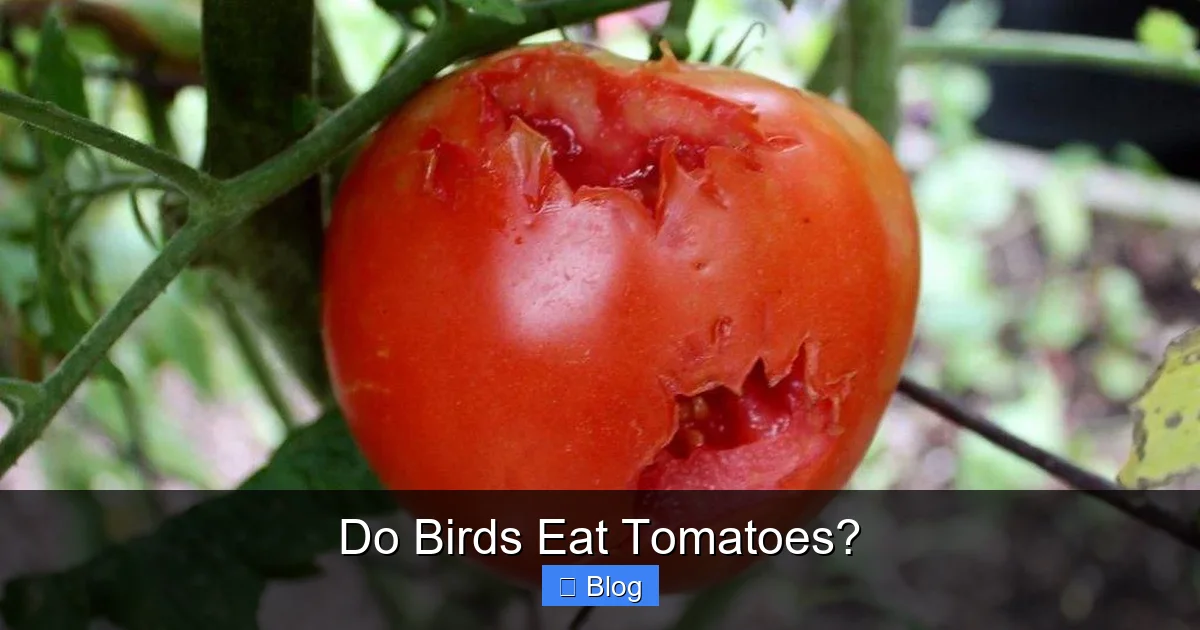
Yes, birds absolutely do eat tomatoes! Many common garden birds are attracted to ripe, juicy tomatoes for their sweetness and hydration, often pecking small holes that can ruin the fruit. Protecting your harvest requires a multi-faceted approach, combining physical barriers like netting with diversion tactics and scare devices to keep your delicious tomatoes safe from feathered friends.
Do Birds Eat Tomatoes?
There’s nothing quite like the anticipation of a homegrown tomato. You nurture your plants, watch the tiny green fruits swell, and wait patiently for that perfect, sun-ripened red. The vibrant color and irresistible aroma promise a delicious reward. But then, one morning, you step into your garden, full of hope, only to find a perfectly good tomato, just days from harvest, ruined by a tell-tale peck mark. A tiny hole, sometimes several, right in the middle of your precious fruit. Sound familiar?
If you’re a gardener who has experienced this frustration, you’re probably asking the age-old question: “Do birds eat tomatoes?” And the answer, often to the dismay of many, is a resounding yes! Our feathered friends, as charming as they are, can be quite the nuisance when it comes to a ripening tomato crop. They see those plump, juicy spheres not as the makings of a perfect BLT, but as a convenient source of food and hydration.
Understanding why birds are drawn to tomatoes and, more importantly, how to humanely deter them, is key to a successful harvest. This article will dive deep into the world of birds and tomatoes, identifying the usual suspects, explaining the damage they cause, and providing practical, friendly advice to keep your delicious produce safe and sound. So, let’s explore how you can protect your hard work and enjoy every last bite of your homegrown goodness!
Key Takeaways
- Birds Do Eat Tomatoes: Many common garden bird species are indeed attracted to ripe tomatoes, often pecking holes in them for moisture and sweetness.
- Common Culprits: Robins, orioles, jays, and even starlings are among the frequent feathered visitors known to damage tomato crops.
- Damage Indicators: Look for small, irregular peck marks or holes on ripe or ripening tomatoes, especially on the top or sides of the fruit.
- Physical Barriers are Best: The most effective way to prevent birds from eating your tomatoes is to use physical deterrents like netting, cages, or row covers.
- Diversion Tactics Help: Offering alternative food sources (like bird feeders with seeds or other berries) and fresh water can sometimes reduce their interest in your tomatoes.
- Integrated Approach: A combination of methods, including barriers, diversions, and occasional scare tactics, provides the best long-term protection for your tomato plants.
Quick Answers to Common Questions
Do all types of birds eat tomatoes?
No, not all bird types eat tomatoes. Primarily, omnivorous birds or those with diets that include soft fruits, such as robins, orioles, jays, and starlings, are the ones most likely to peck at your tomatoes.
When do birds typically start eating tomatoes?
Birds usually start eating tomatoes when they begin to ripen and change color from green to red or yellow. Ripe tomatoes are softer, sweeter, and juicier, making them much more appealing to birds than hard, unripe ones.
Are bird-pecked tomatoes safe to eat?
If a tomato has been pecked by a bird, it is best to cut away the damaged portion entirely. If the damage is extensive, or if there are signs of mold, rot, or insect infestation in the pecked area, it’s safer to discard the entire tomato to avoid potential illness.
Can companion planting deter birds from tomatoes?
While some gardeners believe that strong-smelling companion plants like basil or marigolds might deter pests, there is limited scientific evidence that they effectively deter birds from eating tomatoes. Physical barriers remain the most reliable method.
What’s the most effective long-term solution for bird damage on tomatoes?
The most effective long-term solution for preventing birds from eating tomatoes is using physical barriers like fine mesh bird netting or building sturdy fruit cages. These methods create an impenetrable barrier that birds cannot get past.
📑 Table of Contents
The Curious Case of Birds and Tomatoes: Why the Attraction?
It might seem strange at first. Birds often eat insects, seeds, and berries. Why would they go for a tomato? Well, it turns out tomatoes offer a few very tempting qualities that make them irresistible to many avian species.
Sweetness and Hydration: A Bird’s Delight
Think about a ripe tomato. It’s bursting with juice, right? For a bird, especially on a hot summer day, a juicy tomato can be an excellent source of much-needed hydration. Unlike humans who can easily grab a glass of water, birds often rely on moisture found in their food. Beyond hydration, ripe tomatoes are also naturally sweet. As tomatoes ripen, their sugar content increases. This makes them a tasty treat for birds, providing quick energy. Many birds have a sweet tooth, much like us, and will readily seek out sugary fruits.
Easy Access: Ripe for the Picking
Tomato plants, especially indeterminate varieties, tend to grow tall and sprawling. This often puts the ripening fruit within easy reach for perching birds. Whether they land directly on a sturdy branch or a nearby fence post, the tomatoes are often just a hop, skip, and a peck away. The sheer abundance of fruit on a healthy plant also makes it an attractive target. A bird might sample one, then another, quickly causing damage across multiple fruits.
Opportunistic Foragers
Birds are incredibly adaptable and opportunistic foragers. They are always on the lookout for an easy meal. If your garden is a buffet of plump, red tomatoes with no apparent threats, why wouldn’t they take advantage? They learn quickly where reliable food sources are located. Once one bird discovers your tomato patch, it’s not long before others follow suit, learning from their peers where the good eating is. This opportunistic nature means you might see a variety of birds eating tomatoes, not just those typically associated with fruit.
Which Birds Are the Usual Suspects?
While many different bird species *could* potentially peck at a tomato, there are some common culprits that gardeners report seeing most frequently. Identifying these birds can sometimes help you understand their behaviors and better plan your defense strategies.
Common Garden Birds
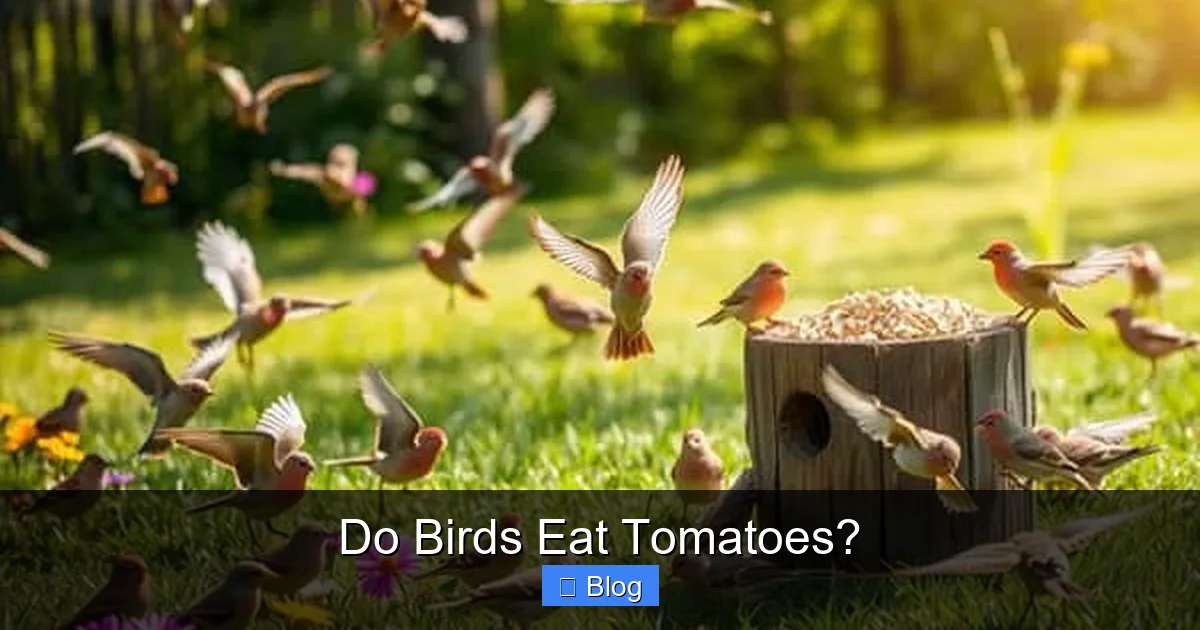
Robins: These iconic red-breasted birds are notorious for their love of soft fruits, and tomatoes are no exception. They are highly adaptable and frequent garden visitors. You’ll often see them hopping on your lawn, then suddenly perching near your tomato plants.
Visual guide about Do Birds Eat Tomatoes?
Image source: avianbirds.com
Orioles: With their vibrant orange and black plumage, orioles are beautiful but can be quite keen on ripe fruit. They love sweet, juicy berries and will happily sample your tomatoes if given the chance. Their long, pointed beaks are perfect for piercing fruit.
Jays (Blue Jays, Steller’s Jays): Known for their intelligence and bold personalities, jays are omnivores with a diverse diet. They are not shy and will certainly investigate your tomatoes. They might take a few pecks or even carry off smaller pieces.
Starlings: These highly social birds can be a significant pest for gardeners. They often forage in flocks and are known to consume a wide range of foods, including fruits. If you have starlings in your area, they are strong candidates for raiding your tomato patch.
Mockingbirds: Mockingbirds are known for their varied diets, which include insects and fruits. They are territorial and observant, making them likely to discover and utilize an easy food source like your ripening tomatoes.
Less Common but Possible Visitors
While the birds above are the main offenders, you might occasionally spot others. Sparrows, finches, and even some woodpeckers (though less common for tomatoes) could take a peck if they are particularly thirsty or if other food sources are scarce. It’s less about the specific species and more about their general foraging habits and access to your garden.
Seed Eaters vs. Fruit Eaters
It’s important to remember that not all birds are created equal when it comes to diet. Seed-eating birds like finches or sparrows might be less interested in a whole tomato, but they might still take a peck if they are very thirsty. Fruit-eating birds, on the other hand, such as robins and orioles, are naturally drawn to the soft, sweet flesh of a ripe tomato. Knowing this can help you prioritize your protection efforts.
The Damage Report: What Does Bird Pecking Look Like?
When birds eat tomatoes, the damage is usually quite distinctive. It’s important to identify it correctly so you don’t mistakenly blame insects or other garden pests.
Small, Irregular Holes
The most common sign of bird damage is the presence of small, irregular holes or indentations on the surface of the tomato. These are often made by the bird’s beak. You might see just one or two small pecks, or several clustered together. Unlike insect damage, which might be more uniform (like a perfect round hole from a hornworm) or involve tunneling, bird damage is usually more superficial but still penetrates the skin.
Ripe vs. Unripe Preference
Birds almost always prefer ripe or nearly ripe tomatoes. This is because fully ripe tomatoes are softer, sweeter, and juicier. You’re far less likely to see a bird pecking at a hard, green tomato. This preference is both a blessing and a curse. It means your unripe tomatoes are safe, but your most anticipated fruits are the ones at risk. Keep a close eye on your tomatoes as they start to blush and turn color, as this is when they become most vulnerable.
Beyond the Peck: Secondary Issues
The immediate damage from a bird peck is a cosmetic flaw and a lost opportunity for you to enjoy that particular fruit. However, the problem often doesn’t stop there. Those small holes created by a bird’s beak are open invitations for other problems:
- Insect Infestation: Flies, ants, and other small insects are attracted to the sweet, exposed flesh of a pecked tomato. They can quickly move in and further damage the fruit, or even lay eggs.
- Disease and Rot: The broken skin of a tomato is a perfect entry point for fungal spores and bacteria. This can lead to rapid rotting of the fruit, especially in warm, humid conditions. A single peck can quickly lead to a completely ruined tomato.
This secondary damage means that even a minor peck can render an entire tomato inedible, making protection even more crucial.
Protecting Your Precious Harvest: Effective Strategies
Now that we know birds eat tomatoes, and why, how can we stop them? Fortunately, there are many humane and effective ways to protect your tomato crop. A multi-pronged approach is often the most successful.
Physical Barriers: The Most Reliable Defense
When it comes to keeping birds from eating your tomatoes, physical barriers are hands down the most effective method. They create an impenetrable shield between your tomatoes and hungry birds.
Netting
Bird Netting: This is a classic choice. Drape fine mesh bird netting over your tomato plants once the fruits begin to ripen. You can secure it around the base of the plant or around stakes to prevent birds from getting underneath. Choose a mesh size that is small enough to exclude birds but large enough not to trap them. Always check your netting regularly to ensure no birds have become entangled.
Floating Row Covers: While often used for insect protection, lightweight row covers can also deter birds. They allow light and water through but create a physical barrier. Ensure they are well-supported so they don’t squash your plants.
Cages and Enclosures
Tomato Cages with Netting: If you use sturdy tomato cages, you can wrap them entirely in bird netting or chicken wire. This creates a secure, individual enclosure for each plant or a small group. It’s a bit more effort upfront but provides excellent protection.
Dedicated Fruit Cages: For serious gardeners, building a permanent or semi-permanent fruit cage over your tomato patch is the ultimate solution. These structures are framed (wood or PVC) and covered with bird netting, providing complete protection for the entire growing season.
Diversion Tactics: Offering Alternatives
Sometimes, if birds have better options, they might leave your tomatoes alone. Diversion tactics aim to provide these alternatives.
Offer Alternative Food Sources
Bird Feeders: While this might seem counterintuitive, sometimes providing a dedicated bird feeder with seeds or suet elsewhere in your yard can keep birds occupied. If they have an easy meal from a feeder, they might be less inclined to raid your garden.
Other Berry Plants: If you have space, planting other fruiting plants that birds love, such as blueberries, mulberries, or serviceberries, might draw them away from your tomatoes. These ripen around the same time and offer a natural alternative.
Provide Water Sources
Bird Baths: Remember how birds are attracted to the moisture in tomatoes? A fresh, clean bird bath can be a huge draw. If birds have a readily available source of water, they might be less desperate to get their hydration from your tomatoes. Keep it filled and clean, especially during dry spells.
Scare Tactics: Short-Term Solutions
Scare tactics can work, but birds are intelligent and often get used to them quickly. They are best used in conjunction with other methods and moved around frequently for maximum effectiveness.
Shiny Objects: Mylar tape (reflective streamers), old CDs, or aluminum foil strips hung near plants can flash and flutter in the wind, deterring birds. The movement and unpredictable glint can make birds nervous.
Decoys: Plastic owls or rubber snakes can sometimes scare birds away. However, birds quickly learn these are not real threats. Move them around every few days to maintain the illusion.
Motion-Activated Sprinklers: These devices detect movement and release a burst of water, startling birds. They can be very effective but might also surprise you or your guests!
Predator Sounds: Some devices emit sounds of predatory birds or distress calls. Like other scare tactics, birds can acclimate to these over time.
Other Approaches: Companion Planting, Harvesting Early
Companion Planting: Some gardeners suggest planting strong-smelling herbs like basil or marigolds near tomatoes, believing the scent might deter pests, including birds. While not a foolproof method, it doesn’t hurt and can benefit your tomatoes in other ways.
Harvesting Early: As soon as tomatoes show a hint of color, pick them! You can ripen them indoors on a windowsill or counter. This takes them out of the danger zone before birds even get a chance. This is a highly effective, though perhaps less satisfying, solution for fully sun-ripened flavor.
Common Misconceptions About Birds and Tomatoes
When dealing with garden pests, it’s easy to fall for myths or misinterpret bird behavior. Let’s clear up a few common misconceptions.
“Birds only eat worms or seeds.”
This is far from the truth! Many bird species have incredibly varied diets. While some birds are primarily seed-eaters or insectivores, many, like robins, orioles, and jays, are omnivores. They readily consume fruits, berries, and anything else they deem a tasty, accessible food source. Tomatoes, with their sweet and juicy flesh, fit right into this category for many species.
“All birds are the same; one solution fits all.”
Different bird species have different behaviors and preferences. A scarecrow that might deter a shy sparrow might not bother a bold blue jay. Understanding the specific birds that frequent your garden can help you tailor your deterrents. For example, smaller birds might be more easily excluded by finer mesh netting than larger ones. The key is observation and adapting your strategies accordingly.
“One peck means the whole tomato is ruined immediately.”
While a pecked tomato is definitely damaged, it doesn’t always mean it’s immediately unsalvageable, especially if you catch it quickly. If the damage is superficial and you pick the tomato right away, you might be able to cut away the damaged part and still enjoy the rest. However, as discussed, a pecked tomato is highly susceptible to secondary damage from insects and rot, so prompt action is essential. Don’t leave a pecked tomato on the vine hoping for the best; it will almost certainly go bad.
Conclusion
So, do birds eat tomatoes? Absolutely. It’s a common gardener’s dilemma, but it doesn’t have to ruin your harvest. Our feathered friends are simply looking for a convenient snack and a drink of water, often finding both in your ripening tomatoes. While it can be frustrating to see your hard work pecked away, remember that these creatures are a vital part of our ecosystem.
The good news is that with a bit of proactive planning and the right strategies, you can significantly reduce bird damage and still enjoy a bountiful tomato harvest. The most reliable defense typically involves physical barriers like netting, creating a protective shield around your precious fruits. Complementing this with diversion tactics, such as providing alternative food and water sources, can further encourage birds to look elsewhere. Scare tactics can offer temporary relief, but remember to keep them fresh and varied.
By understanding why birds are drawn to your tomatoes and employing a thoughtful, humane approach, you can learn to coexist with your avian neighbors. You’ll be able to enjoy the sweet taste of homegrown tomatoes, knowing you’ve done your best to protect them, leaving you to focus on the joy of gardening. Happy harvesting!
🎥 Related Video: Can parrots eat tomatoes? #petbirds #parrotfeeding #tomatoes
📺 Geckoemmy
Frequently Asked Questions
Are birds attracted to unripe green tomatoes?
Generally, birds are not attracted to unripe green tomatoes. They prefer ripe or nearly ripe tomatoes because they are softer, sweeter, and contain more moisture, making them a more appealing food source.
Will bird feeders keep birds away from my tomatoes?
Bird feeders can sometimes act as a diversion, providing an alternative food source that might reduce birds’ interest in your tomatoes. However, it’s not a guaranteed solution, and some birds might still visit your tomato patch.
What does bird damage look like compared to insect damage?
Bird damage typically appears as small, irregular peck marks or holes on the surface of the fruit. Insect damage, like from a tomato hornworm, might be larger, more consistent holes or tunnels, or surface damage from smaller insects like aphids.
Can I use reflective tape to scare birds away from tomatoes?
Reflective tape, also known as Mylar tape or bird scare tape, can be a temporary deterrent. The flashing light and movement can startle birds, but they often become accustomed to it over time. It’s best used in combination with other methods.
Is it possible to ripen tomatoes indoors after picking them early to avoid birds?
Yes, you can pick tomatoes as soon as they show the first blush of color and ripen them indoors. Place them on a counter or windowsill away from direct sunlight. This keeps them out of reach of birds and pests.
Are there any organic sprays that deter birds from tomatoes?
There are some natural or organic bird deterrent sprays available that claim to make fruits taste unpleasant to birds. However, their effectiveness can vary greatly, and they often need frequent reapplication, especially after rain, making physical barriers a more reliable option.