
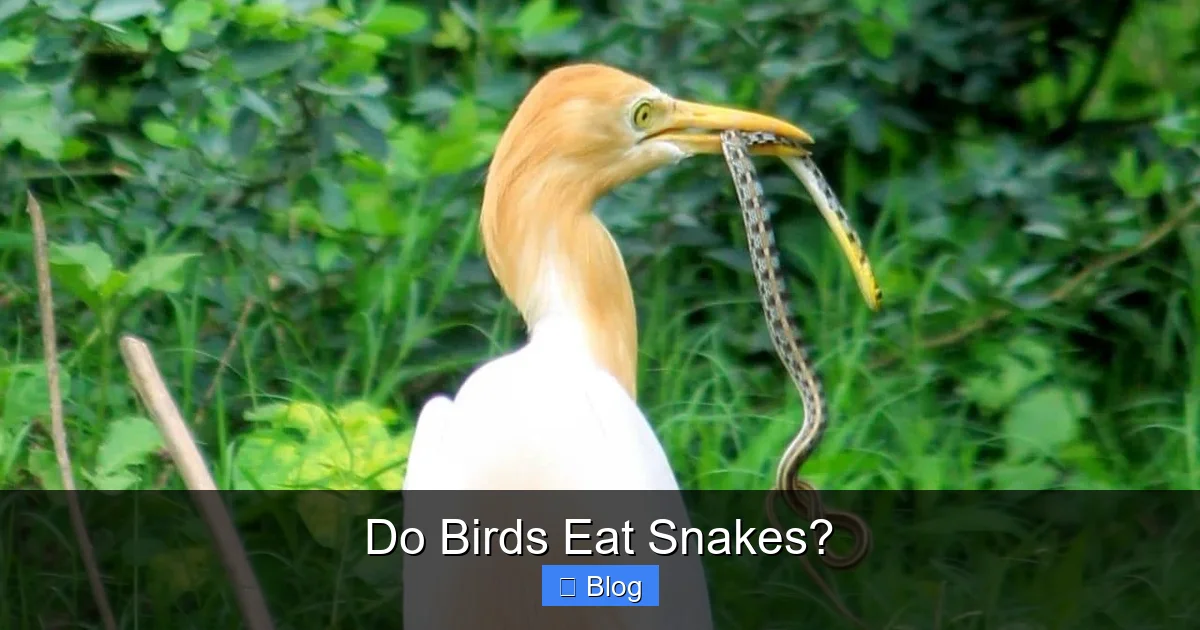
It’s a common question, and the answer is a resounding yes! Many bird species across the globe are opportunistic predators of snakes, using a variety of sophisticated hunting techniques to subdue and consume their slithery prey. From powerful raptors like eagles and hawks to agile ground-dwellers and patient wading birds, avian hunters play a crucial role in ecosystems by controlling snake populations and showcasing nature’s incredible predator-prey dynamics.
The natural world is full of amazing and sometimes surprising interactions. One question that often sparks curiosity, perhaps fueled by a fleeting glimpse or an intriguing story, is: “Do birds eat snakes?” It’s a common query that brings to mind images of dramatic battles between feathered hunters and slithery reptiles. The simple answer is a resounding yes, many birds do eat snakes, and the ways in which they accomplish this feat are nothing short of spectacular.
Imagine a majestic eagle soaring high above, spotting its prey with incredible vision, or a swift roadrunner darting across the desert floor, hot on the trail of a serpent. These aren’t just scenes from a nature documentary; they are real-life occurrences that highlight the incredible adaptability and predatory prowess of our avian friends. From tiny garter snakes to larger, more dangerous serpents, various bird species have evolved to include snakes in their diet, showcasing a fascinating aspect of the food web.
This article will dive deep into the world of birds that eat snakes, exploring which species are the primary snake hunters, the clever techniques they use to catch their reptilian meals, and the ecological importance of these interactions. We’ll uncover the risks and rewards involved, what influences this predation, and even offer tips for respectfully observing these incredible natural events. Prepare to be amazed by the strength, agility, and cunning of birds as they take on one of nature’s most iconic predators.
Key Takeaways
- Diverse Avian Predators: Many different bird species, ranging from large raptors and wading birds to nimble ground-dwellers, actively hunt and consume snakes.
- Sophisticated Hunting Techniques: Birds employ various strategies, including powerful strikes, dropping prey from heights, stunning, and swift swallowing, to overcome snakes.
- Ecological Importance: Birds that eat snakes play a vital role in their ecosystems by helping to control snake populations, thus contributing to a balanced natural environment.
- Risks Involved: Hunting snakes can be dangerous, as birds face the threat of venomous bites and defensive strikes, requiring incredible agility and precision.
- Factors Influencing Predation: Habitat, the size ratio between bird and snake, and the availability of other food sources all influence whether birds will hunt snakes.
- Nutritional Benefits: Snakes provide a valuable source of protein and other nutrients for birds, particularly during breeding seasons or when other prey is scarce.
Quick Answers to Common Questions
Which bird is most famous for eating snakes?
The Secretarybird of Africa and the Greater Roadrunner of North America are perhaps the most famous birds known for their snake-hunting prowess.
Can small birds eat snakes?
Generally, no. Small birds typically do not eat snakes due to the size and danger involved. Most snake predators among birds are medium to large-sized.
Do birds eat venomous snakes?
Yes, many birds, especially raptors like snake eagles and Secretarybirds, are adapted to hunt and eat venomous snakes, using specialized techniques to avoid bites.
How do birds avoid getting bitten by snakes?
Birds use a combination of agility, speed, powerful strikes, and specialized protections (like leg scales on Secretarybirds) to avoid snake bites during a hunt.
Is it common to see birds eating snakes?
While it happens regularly in nature, witnessing a bird-snake interaction in person can be rare for the casual observer, as these events are often quick and happen in specific habitats.
📑 Table of Contents
The Avian Predators: Which Birds Eat Snakes?
When we talk about birds eating snakes, it’s not just a rare, isolated event. Many different bird species across various habitats and continents have snakes as a regular or occasional part of their diet. Their methods and preferred snake sizes vary greatly, reflecting the diverse strategies found in nature’s intricate dance.
Raptors: The Master Hunters
Perhaps the most famous snake-eating birds are the raptors, birds of prey known for their sharp talons, hooked beaks, and incredible eyesight. Eagles, hawks, falcons, and owls all have species that routinely hunt snakes. For example, the majestic Bateleur eagle of Africa is a renowned snake hunter, known for its distinctive short tail and acrobatic flight. Similarly, the Snake Eagles (genus Circaetus) found in Africa, Asia, and Europe are specialized predators of snakes, as their name suggests. They have scales on their legs to protect them from bites and strong, short toes for gripping.
Other notable raptors include the Red-tailed Hawk, which can be found across North America, often seen with a snake dangling from its talons. Owls, particularly larger species like the Great Horned Owl, are also known to hunt snakes, primarily at night. Even smaller falcons might target juvenile snakes. These birds use their keen eyesight to spot snakes from high above, then execute a powerful dive, grabbing their prey with crushing force.
Wading Birds: Patience and Precision
It might surprise some, but many wading birds, usually associated with fish and frogs, are also adept at catching snakes. Herons, storks, and egrets, with their long legs, necks, and sharp beaks, can be incredibly effective snake predators. A Great Blue Heron, for instance, will patiently stand motionless in shallow water or on the bank, waiting for an unsuspecting snake to pass by. With a lightning-fast strike of its beak, it impales or grabs the snake, then often juggles it before swallowing it whole. Their long necks allow them to swallow surprisingly large prey.
The famous Secretarybird from the African savannah is a particularly iconic example. While not strictly a wading bird, it’s a large, terrestrial raptor that stalks through grasslands, stamping on snakes with its powerful, scaly legs until they are subdued. It’s an incredible sight to behold and a testament to the diverse strategies birds employ to eat snakes.
Game Birds and Ground Dwellers
Beyond raptors and waders, several ground-dwelling birds also add snakes to their menu. The most famous of these is arguably the Greater Roadrunner, an icon of the American Southwest. These fast-running birds are incredibly agile and fearless, often tackling rattlesnakes much larger than themselves. They use their speed to evade strikes and their strong beaks to repeatedly strike the snake’s head until it’s incapacitated. Then, they swallow it whole, often starting with the head and slowly working their way down, with part of the snake sometimes still dangling from their beak as they continue their day.
Even domestic turkeys and guineafowl are known to attack and consume small snakes, especially if they pose a threat to their young. These birds will often gang up on a snake, pecking and harassing it until it’s dead, then tearing it apart to eat. This goes to show that the ability to eat snakes is not limited to highly specialized predators but can be an opportunistic behavior across various bird families.
Hunting Strategies: How Birds Tackle Serpents
Hunting snakes is not an easy task. Snakes are often camouflaged, can strike quickly, and some are venomous. Birds that eat snakes have developed a remarkable array of strategies to overcome these challenges, demonstrating incredible intelligence and instinct.
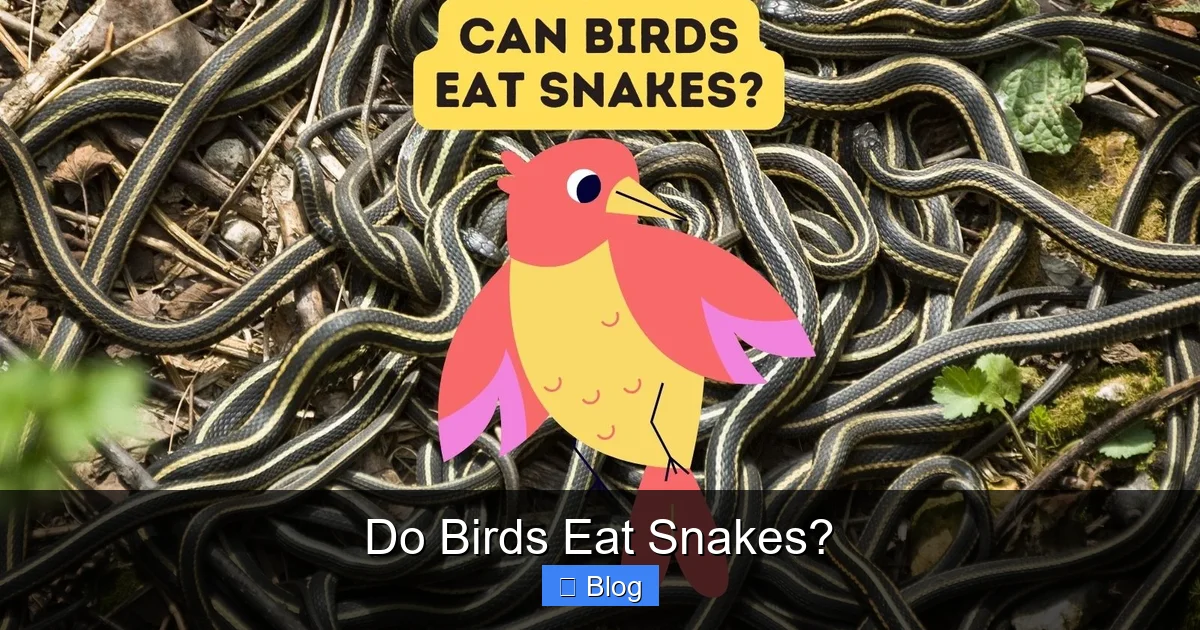
Visual guide about Do Birds Eat Snakes?
Image source: birdtipper.com
The Dive and Grab
For raptors, the most common strategy involves a powerful aerial assault. Birds like eagles, hawks, and falcons will circle high above, using their telescopic vision to pinpoint a snake on the ground or even in tree branches. Once spotted, they execute a breathtaking dive, often with folded wings, reaching incredible speeds. Just before impact, they extend their powerful talons, equipped with razor-sharp claws, to grab the snake. The force of the impact itself can stun or kill smaller snakes, while larger ones are gripped tightly and often lifted into the air.
Stunning and Subduing
Not all birds simply grab and go. Many employ tactics to disable their prey before attempting to swallow it. Roadrunners, as mentioned, are famous for their “rattlesnake rodeo,” repeatedly beating the snake against a rock or the ground until it’s dead or incapacitated. Secretarybirds stomp their powerful, armored feet on snakes with pinpoint accuracy, targeting the head to quickly incapacitate their venomous prey.
Some birds, particularly those that hunt larger or more venomous snakes, might lift the snake high into the air and drop it onto hard surfaces multiple times. This tactic, often seen with Golden Eagles and large Bateleurs, can break the snake’s bones and internal organs, rendering it harmless before consumption. This “drop and smash” method is an effective way to deal with dangerous prey without risking a direct confrontation on the ground.
Consuming the Prey
Once a snake is subdued, the bird faces the challenge of eating it. Most birds will swallow snakes whole, headfirst. This orientation helps the scales lay flat, making it easier for the snake to slide down the bird’s throat. Birds have incredibly elastic esophagi and digestive systems that can handle surprisingly large meals. Sometimes, a snake might be too long to swallow in one go, so the bird will consume part of it and wait for digestion to begin before swallowing the rest. This can lead to amusing sights where a bird appears to have a snake hanging out of its mouth for an extended period.
The Risks and Rewards: Why Birds Hunt Snakes
Hunting snakes is inherently risky. A venomous bite or a constricting coil can easily turn the hunter into the hunted. So, why do birds eat snakes? The answer lies in the significant nutritional rewards and the ecological role these birds play.
Nutritional Value
Snakes, like all animals, are a rich source of protein, fats, and other essential nutrients vital for a bird’s survival, growth, and reproduction. For many raptors, snakes represent a substantial meal that provides sustained energy. During nesting season, when parent birds need to feed hungry chicks, a large snake can be a highly efficient way to deliver a significant amount of sustenance. The energy expenditure involved in hunting a snake is often well worth the caloric intake, especially when other prey might be scarce or less nutritious.
Ecological Role
Birds that eat snakes play a crucial ecological role as apex or mesopredators in their respective food webs. By preying on snakes, they help to regulate snake populations, which in turn can prevent an overabundance of snakes that might otherwise impact populations of their prey, such as rodents or amphibians. This natural population control helps maintain the delicate balance of ecosystems. A healthy population of snake-eating birds contributes to overall biodiversity and ecological stability.
Facing Venom and Fangs
Despite the rewards, the risks are very real. Venomous snakes, such as rattlesnakes, cobras, or vipers, can deliver deadly bites. Birds like the Secretarybird or snake eagles have evolved thicker leg scales to offer some protection, but a direct hit to an unprotected area can be fatal. Non-venomous snakes can still inflict painful bites and use constriction to defend themselves, potentially injuring or even suffocating a bird if it’s not careful. This is why birds employ such precise and often brutal tactics to ensure the snake is incapacitated before attempting to consume it. Their survival depends on their ability to outsmart and overpower their dangerous prey.
What Influences This Predation?
The question “Do birds eat snakes?” is complex because the answer depends on several factors, including the specific bird species, its habitat, the size of the snake, and the availability of other food sources.
Habitat and Coexistence
The overlap between bird and snake habitats is a primary factor. In environments where snakes are abundant, such as grasslands, deserts, or wetlands, it’s more likely that birds will develop strategies to hunt them. For example, in the arid regions of North America, the roadrunner thrives on a diet that includes a significant amount of snakes, which are common in those landscapes. Similarly, in African savannahs, where various snake species are prevalent, birds like the Secretarybird and Bateleur have evolved as specialized snake hunters. The presence of suitable hunting perches or open ground also plays a role in how effectively birds can spot and pursue their reptilian prey.
Size Matters
The size ratio between the bird and the snake is incredibly important. A small songbird is unlikely to tackle even a tiny garter snake, while a large eagle can easily overpower a substantial python or rattlesnake. Birds typically target snakes that are manageable – not so small as to offer minimal nutritional value, but not so large as to pose an insurmountable threat or be impossible to swallow. There are exceptions, of course, with some incredibly brave birds tackling prey that seems disproportionately large, but generally, a sensible size match is preferred to minimize risk and maximize reward.
Prey Availability
Ultimately, birds are opportunistic feeders. While some species specialize in hunting snakes, many others will include snakes in their diet when other, easier-to-catch prey (like rodents, insects, or fish) are scarce. If a particular ecosystem experiences a boom in the snake population or a decline in other food sources, you might see an increase in birds eating snakes that wouldn’t normally make them a primary food item. This flexibility is a hallmark of successful predators and allows birds to adapt to changing environmental conditions, ensuring their survival. Conversely, if easy prey is abundant, even dedicated snake hunters might opt for a less risky meal.
Observing Bird-Snake Interactions: Tips for Birdwatchers
Witnessing a bird hunting a snake in the wild is a truly unforgettable experience. It highlights the raw power and beauty of nature. If you’re hoping to observe such an event, here are some tips to do so responsibly and safely.
Ethical Birdwatching
Always prioritize the well-being of the wildlife. Maintain a respectful distance to avoid disturbing the bird or influencing the outcome of the hunt. Use binoculars or a spotting scope to get a close-up view without intruding. Never interfere with a predator-prey interaction, no matter how dramatic it appears. These are natural processes vital for the ecosystem.
Identifying Key Behaviors
Look for specific behaviors that might indicate a snake hunt is underway. Raptors soaring low and intently over open ground, or repeatedly diving and hovering, could be signaling they’ve spotted prey. Ground-dwelling birds like roadrunners might be seen moving with unusual focus, darting quickly, or repeatedly striking something on the ground. Wading birds might suddenly become rigid, their necks poised for a strike. Listen for alarm calls from other birds or the distinct rattle of a rattlesnake, which could indicate a confrontation.
Safety First
When in areas where snakes and birds of prey coexist, always be aware of your surroundings. Stay on marked trails, wear appropriate footwear, and never approach a snake, even if it appears injured or dead. If you witness a bird with a snake, enjoy the spectacle from a safe distance. Remember that while birds are amazing snake predators, snakes are still wild animals that can defend themselves. Your safety, and the safety of the wildlife, is paramount.
Conclusion
So, do birds eat snakes? Absolutely, and in the most incredible ways! From the powerful talons of an eagle to the swift pecks of a roadrunner, birds have evolved to become formidable snake predators. This natural phenomenon is a testament to the intricate relationships within ecosystems, where every species plays a vital role.
The next time you’re out in nature, keep an eye on the skies and the ground. You might just be lucky enough to witness one of these captivating interactions firsthand. It’s a powerful reminder of the wild beauty and unyielding struggle for survival that defines the natural world, showcasing birds not just as songsters or pretty sights, but as fierce and essential components of our planet’s biodiversity.
🎥 Related Video: The snake sees the baby birds #nature
📺 Nuts about birds
The snake sees the baby birds #nature.
Frequently Asked Questions
Are all birds capable of eating snakes?
No, not all birds are capable of eating snakes. Only certain species, typically larger birds of prey, wading birds, or agile ground-dwellers, have the necessary hunting skills, physical attributes, and dietary inclinations to safely and effectively prey on snakes.
Do birds ever get injured or killed by snakes?
Yes, unfortunately, birds do sometimes get injured or killed by snakes during hunting attempts. Venomous bites or powerful constriction from larger snakes can be fatal, highlighting the significant risks involved in this type of predation.
What types of snakes do birds usually eat?
Birds typically eat a variety of snake species, from small garter snakes and grass snakes to larger, more dangerous venomous snakes like rattlesnakes, cobras, and vipers, depending on the bird’s size and hunting specialization.
Do birds help control snake populations?
Yes, birds that eat snakes play a crucial role in ecosystems by helping to control snake populations. They act as natural predators, preventing an overabundance of snakes and contributing to the overall balance and health of the environment.
Can birds swallow very large snakes?
Birds have surprisingly elastic throats and digestive systems, allowing them to swallow snakes that appear disproportionately large. They often swallow snakes headfirst, slowly consuming them over time, with parts of the snake sometimes remaining visible for a while.
What should I do if I see a bird eating a snake?
If you witness a bird eating a snake, it’s best to observe from a respectful distance using binoculars or a spotting scope. Do not interfere with the natural process, as this is a vital part of the food web. Your presence should not disturb the bird or its prey.