
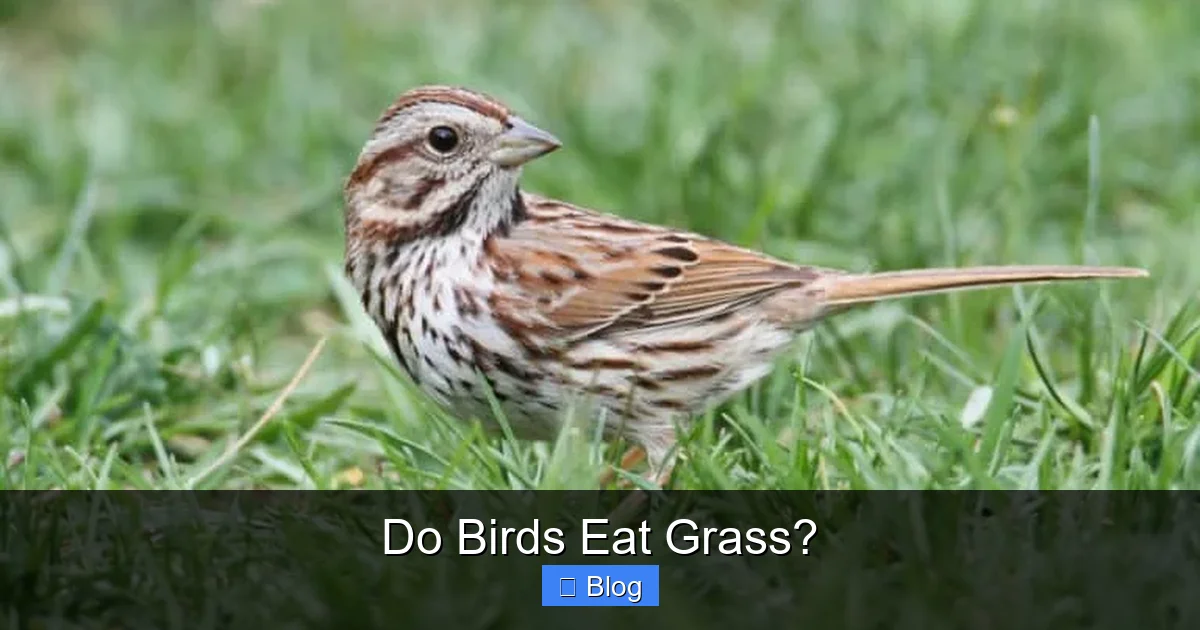
Yes, birds do eat grass! While it’s not typically their primary food source, birds consume grass for several crucial reasons, including aiding digestion, providing essential micronutrients, and even helping to expel parasites. This seemingly simple act reveals the complex and adaptive dietary strategies of our feathered friends.
You’re enjoying a peaceful afternoon, watching the birds flutter about your backyard. A robin pecks at the ground, a sparrow hops through the lawn, and then you see it: a bird, perhaps a Canada goose or even a tiny finch, seems to be nibbling at the blades of grass. You might pause, a little puzzled, and ask yourself, “Do birds eat grass?” It’s a perfectly natural question, as we often associate birds with seeds, berries, or insects, not a salad bar!
The short answer is a resounding yes, many birds do eat grass. But it’s rarely as simple as just “eating grass” for food. This seemingly ordinary behavior is actually a fascinating glimpse into the complex and incredibly adaptive diets of our feathered companions. It’s a survival strategy, a nutritional supplement, and sometimes even a digestive aid, all rolled into one green package.
Let’s dive deeper into the world of avian diets and uncover why birds eat grass, what benefits they gain, and what this tells us about their ingenious ways of staying healthy and thriving in diverse environments. Prepare to have your understanding of bird feeding habits expand beyond the bird feeder!
Key Takeaways
- Birds Do Eat Grass: It’s a common, natural behavior observed in many bird species, from waterfowl to songbirds.
- Not a Primary Food Source: For most birds, grass serves as a supplement rather than a main meal, unlike seeds, insects, or fruits.
- Aids Digestion and Grit: The fibrous material in grass can help birds grind down food in their gizzard, similar to how grit functions.
- Provides Essential Nutrients: Grass offers micronutrients like vitamins, minerals, and carotenoids that might be lacking in a bird’s regular diet.
- Potential for Parasite Control: Some theories suggest that eating certain types of grass can help birds purge intestinal parasites.
- Species-Specific Behavior: Grazing is more prevalent in waterfowl and ground-dwelling birds, but many songbirds also consume small amounts.
- Sign of a Healthy Environment: Observing birds eating grass can indicate they’re finding natural resources in a chemical-free outdoor space.
Quick Answers to Common Questions
Do all birds eat grass?
No, not all bird species eat grass. While many do, particularly waterfowl and ground-dwelling birds, others like raptors or insectivores primarily focus on different food sources.
Is grass their main food source?
For most birds, grass is a supplemental food source rather than their main diet. Waterfowl like geese are an exception, where grass forms a significant portion of their daily intake.
Can grass harm birds?
Natural, untreated grass is generally safe and beneficial. However, grass treated with pesticides, herbicides, or synthetic fertilizers can be highly toxic and harmful to birds if ingested.
Why do pet birds eat grass?
Pet birds, like parakeets or finches, eat grass for similar reasons to wild birds: to aid digestion, obtain essential vitamins and minerals, and for enrichment. Always ensure any grass offered to pets is untreated and clean.
What’s the difference between birds eating grass and eating seeds?
Birds eat grass primarily for its fiber, micronutrients, and digestive aid, often consuming the blades or shoots. When eating seeds, they are targeting the concentrated energy and protein found within the seed kernel itself.
📑 Table of Contents
Beyond Seeds: Why Birds Nibble on Greenery
When we ponder, “Do birds eat grass?”, we often imagine them grazing like tiny cows. While some species certainly do graze, for most, it’s a more nuanced act. The reasons behind this green snack are varied and vital to their well-being.
Digestive Aid: Grit’s Green Cousin
Birds, famously, don’t have teeth. Instead, they rely on a muscular organ called a gizzard to grind down their food. To help with this process, many birds intentionally swallow small stones, sand, or grit. This abrasive material helps to mechanically break down tough seeds and insect exoskeletons.
Think of grass as a fibrous supplement to this system. While not as abrasive as grit, the tough, fibrous strands of grass can help move food through the digestive tract. It acts as a kind of internal scrub brush, aiding in the breakdown and passage of ingested material. For birds that consume a lot of hard-to-digest items, a little roughage from grass can be incredibly beneficial. So, when you see a bird eating grass, it might be trying to give its gizzard a helping hand.
Nutritional Boost: Micronutrients and Vitamins
While grass might not be packed with calories or protein like a juicy insect or a fatty seed, it’s a surprising source of vital micronutrients. Fresh grass, especially young, tender shoots, contains vitamins, minerals, and carotenoids. These are essential for everything from feather health and immune function to vision.
For example, grass is rich in Vitamin K, which is crucial for blood clotting, and various B vitamins. Carotenoids are pigments that birds metabolize to create the vibrant yellows, oranges, and reds in their feathers. If a bird’s primary diet is lacking in these specific nutrients, supplementing with grass can fill those dietary gaps. It’s like us eating a salad to ensure we get our daily dose of greens, even if we also enjoy a steak or pasta.
Parasite Control: A Natural Remedy
This is one of the more fascinating theories behind why birds eat grass. Just like many other animals, birds can suffer from internal parasites, such as worms. Some scientists believe that consuming certain types of fibrous plants, like grass, can act as a natural dewormer.
The rough fibers of the grass might physically irritate or scrape the lining of the bird’s digestive tract, encouraging the expulsion of parasites. While research on this specific mechanism is ongoing, it’s a compelling hypothesis that highlights the ingenious ways animals self-medicate in the wild. If you observe birds eating grass more frequently after a period of stress or illness, it could be their body’s way of trying to rid itself of unwanted guests.
Hydration and Moisture
For some birds, especially smaller species, getting enough water can be a challenge, particularly in arid environments or during hot weather. Young, fresh grass contains a good amount of moisture. Eating grass can be a way for birds to supplement their water intake, especially if open water sources are scarce or contaminated. It’s a small but significant way to stay hydrated without needing to find a puddle or birdbath.
Nest Building Material
While not strictly “eating,” it’s worth noting that birds frequently interact with grass for purposes other than digestion. Many species use grass, both fresh and dried, as a crucial component for building their nests. It provides structure, insulation, and camouflage. So, if you see a bird tugging at a blade of grass, it might be gathering materials for a cozy home, not a snack.
Who’s Dining on the Lawn? Common Grass-Eating Birds
So, do birds eat grass across the board? While the reasons vary, some species are much more inclined to nibble on your lawn than others. Let’s look at some common examples.
Visual guide about Do Birds Eat Grass?
Image source: img.birding.pro
Geese and Ducks: The Obvious Graziers
These are perhaps the most recognizable grass-eaters. Canada geese, domestic ducks, and many other waterfowl are primarily herbivores, and grass forms a significant portion of their diet. You’ll often see them methodically grazing on lawns in parks, golf courses, and agricultural fields. Their digestive systems are well-adapted to process large quantities of fibrous plant material, making grass a staple food source for them. They literally mow the lawn with their beaks!
Chickens and Other Domestic Fowl
If you’ve ever kept chickens, you know they love to free-range and scratch around. They eagerly gobble up grass, along with insects, seeds, and whatever else they can find. For chickens, grass provides valuable vitamins, minerals, and fiber, contributing to their overall health and producing rich, colorful egg yolks. Turkeys, guinea fowl, and pheasants also forage extensively on grass and other greenery.
Songbirds: A Surprising Snack
While not primary grazers, many common backyard songbirds, like robins, sparrows, finches, and even starlings, will occasionally eat grass. They might peck at tender new shoots, especially in spring, or nip off seed heads. For these birds, it’s often about supplementing their diet with specific nutrients, aiding digestion, or possibly for parasite control, as discussed earlier. A finch might be after the tiny seeds at the top of a grass stalk, but it will also ingest some of the plant material itself.
Game Birds: Natural Foragers
Species like quail, partridges, and grouse spend a lot of time on the ground, foraging. Their diets are incredibly varied, including seeds, insects, and a good amount of green plant material, including grass. They rely on the natural environment to provide a balanced diet, and grass plays a crucial role in that balance.
Is All Grass Good Grass? Understanding the Risks
While the act of birds eating grass is generally natural and beneficial, not all grass is created equal. Our human interventions in landscapes can sometimes turn a healthy snack into a dangerous one. So, when considering, “Do birds eat grass in my yard?”, it’s important to think about the quality of that grass.
Pesticides and Herbicides: A Silent Threat
This is arguably the biggest danger. Many lawns are treated with chemicals to kill weeds (herbicides) or insects (pesticides). These chemicals are toxic to birds. When birds eat grass that has been sprayed, they can ingest these harmful substances, leading to illness, neurological damage, reproductive failure, or even death. The danger isn’t just from direct consumption; birds can also be exposed by eating insects that have ingested the chemicals.
It’s crucial to avoid using such chemicals if you want to create a bird-friendly environment. Opt for organic lawn care or simply embrace a less manicured, more natural look.
Fertilizers and Chemicals
Even fertilizers, while intended to promote plant growth, can be harmful to birds if ingested in large quantities. Many contain nitrogen, phosphorus, and potassium, which can be toxic. Granular fertilizers can look like seeds or grit to a foraging bird, leading to accidental ingestion. Always read labels carefully and consider bird-safe alternatives.
Contaminated Grass: Disease Risks
Grass in areas heavily frequented by multiple birds or other animals can become contaminated with pathogens. For example, if many geese graze in a small area, their droppings can accumulate, potentially spreading bacteria or parasites. While birds have natural immunities, a high concentration of pathogens can pose a risk.
Ornamental vs. Wild Grass
While most natural grasses are fine, some ornamental grasses found in landscaping might have properties that are not ideal for birds. It’s always best for birds to forage on native, untreated grasses found in wilder parts of your garden or local natural areas. Stick to promoting natural growth rather than introducing exotic species purely for bird foraging.
Encouraging Healthy Foraging: Tips for Bird Lovers
Now that we know the answer to “Do birds eat grass?” is a definite yes, and understand the benefits and risks, how can we support this natural behavior in a safe way?
Create a Chemical-Free Zone
This is the single most important step. If you want birds to safely forage for grass (and insects!) in your yard, commit to not using pesticides, herbicides, or synthetic fertilizers. Embrace a slightly wilder lawn. A little clover, dandelions, and other “weeds” are often more beneficial to birds and pollinators than a monoculture of pristine turf. Consider areas of your lawn where you let the grass grow a little longer, creating more natural foraging opportunities.
Provide Diverse Plantings
Beyond just grass, a biodiverse garden offers a wealth of foraging opportunities. Plant native shrubs and trees that offer berries, seeds, and shelter. Include flowering plants that attract insects, which in turn become food for birds. The more varied your garden, the more natural food sources birds will find, including various forms of greenery.
Offer Supplementary Greens
For pet birds or if you want to provide extra greens for wild birds, you can offer fresh, clean grass clippings (untreated, of course!) or even grow small trays of “bird grass” from seeds like wheatgrass or oatgrass. These provide a safe, easily accessible source of nutritious greens. You can also offer other bird-safe leafy greens like kale or spinach in a feeder.
Observe and Learn
Spend time watching the birds in your yard. What are they pecking at? Where do they spend their time? Observing their natural behaviors, including when and where they eat grass, can give you valuable insights into their needs and preferences. This allows you to tailor your garden to better support their natural foraging habits.
Conclusion: A Deeper Appreciation for Avian Diets
The question, “Do birds eat grass?” leads us down a fascinating path, revealing the intricate strategies birds employ to thrive in their environments. It’s clear that grass is far more than just green carpet; it’s a vital source of digestive aid, micronutrients, and perhaps even a natural medicine cabinet for many bird species.
So, the next time you see a bird nibbling at your lawn, don’t just see a bird eating grass. See a creature intelligently supplementing its diet, maintaining its health, and utilizing the resources of its habitat. By understanding and supporting these natural behaviors – particularly by maintaining a chemical-free outdoor space – we can all play a part in fostering healthier, happier bird populations. Our shared environment becomes richer, and our connection to the natural world deepens, all from observing a simple blade of grass.
🎥 Related Video: big Bird eating grass #bird #animal #nature #bigbirds
📺 Hari Krishna pingua
big Bird eating grass #bird #animal #nature #bigbirds #pigeonbird chickens eating grass birds grass birds eating winter grass …
Frequently Asked Questions
Is it normal to see birds eating grass?
Yes, it’s quite normal and a natural behavior for many bird species. Observing birds eating grass indicates they are foraging for supplementary nutrients, digestive aids, or even for parasite control in their environment.
What nutrients do birds get from grass?
Birds can gain essential micronutrients from grass, including various vitamins (like Vitamin K and B vitamins), minerals, and carotenoids. These are crucial for overall health, feather quality, and immune system function.
How does grass help with digestion?
The fibrous nature of grass acts as roughage, helping to move food through a bird’s digestive tract and aiding the gizzard in mechanically breaking down tougher food items like seeds and insects.
Are there any specific types of grass birds prefer?
Birds generally prefer tender, young grass shoots, which are easier to digest and contain more moisture and nutrients. They will also often peck at grass seed heads to extract the tiny seeds.
Should I worry if my backyard birds eat a lot of grass?
If the grass in your backyard is untreated with chemicals, there’s generally no need to worry; it’s a healthy, natural behavior. However, if you use lawn chemicals, it’s a significant concern, and you should stop using them immediately to protect the birds.
Can baby birds eat grass?
Very young, newly hatched birds are typically fed insects and other soft, protein-rich foods by their parents. As they grow and fledge, juvenile birds will gradually begin to experiment with a wider diet, including small amounts of grass, mimicking adult behaviors.