
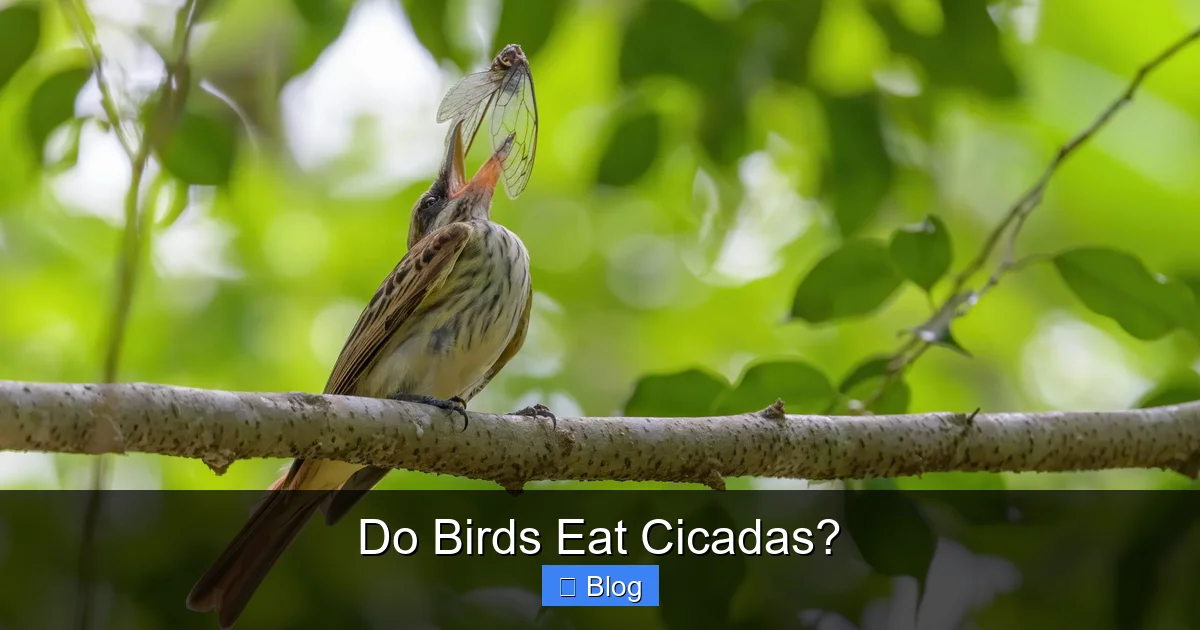
When periodic cicadas emerge, a natural phenomenon unfolds, transforming them into a grand buffet for many avian species. Yes, birds absolutely eat cicadas, finding them to be an abundant, nutritious, and easy-to-catch food source. This seasonal feast can significantly impact bird breeding success and overall population health, showcasing nature’s interconnected cycles.
Imagine this: you’re walking through a forest or your backyard, and suddenly, the air vibrates with an otherworldly hum. It’s not a swarm of bees, nor a distant machine. It’s the unmistakable, deafening chorus of millions, sometimes billions, of cicadas emerging from their long slumber underground. This incredible natural spectacle, happening only once every 13 or 17 years for periodic cicadas, transforms the landscape. Trees are covered, the ground is littered, and the sound is simply everywhere.
For us humans, it’s a blend of awe, curiosity, and perhaps a little bit of wonder about what exactly is going on. But have you ever paused to think about how other creatures react to this sudden, overwhelming invasion? Specifically, a common question pops up: do birds eat cicadas? It’s a natural query. After all, when such a massive food source appears almost overnight, you’d expect *someone* to take advantage. The short answer, echoing through the cicada-filled canopy, is a resounding YES!
Birds don’t just eat cicadas; many species absolutely gorge on them. For our feathered friends, a cicada emergence isn’t an invasion; it’s an all-you-can-eat buffet of epic proportions. This isn’t just a casual snack; it’s a critical, energy-rich boon that can profoundly impact local bird populations, their breeding success, and their overall health. Let’s dive deep into the fascinating world of birds and cicadas, exploring why these noisy insects are such a prized meal and what it means for the avian community.
Key Takeaways
- Birds are Major Cicada Predators: During mass emergence events, a wide variety of bird species actively feast on cicadas, making them a significant part of their diet.
- Nutritional Powerhouse: Cicadas are incredibly rich in protein and fat, providing a vital energy boost that can significantly benefit bird health and breeding success.
- Ease of Capture: Cicadas are relatively slow-moving and emerge in overwhelming numbers, making them easy and plentiful prey for many birds.
- Impact on Bird Life: The sudden abundance of cicadas can lead to increased breeding rates, healthier fledglings, and even temporary localized population boosts for some bird species.
- No Known Harm: While birds consume many cicadas, there is no evidence that cicadas are toxic or harmful to birds; they are a natural and safe food source.
- Observe Nature’s Cycle: The cicada emergence offers a unique opportunity for bird watchers to observe diverse avian foraging behaviors and the dynamic interactions within local ecosystems.
Quick Answers to Common Questions
Do all birds eat cicadas?
While many bird species eat cicadas, not all do. Primarily, insectivorous and omnivorous birds, along with some opportunistic raptors, will feast on them. Specialist birds with very specific diets might not.
Are cicadas poisonous to birds?
No, periodic cicadas are not poisonous to birds. They are a natural and safe food source, providing excellent nutrition without any known toxic effects.
How long do birds eat cicadas for?
Birds will eat cicadas for the duration of their emergence, which typically lasts for about 4 to 6 weeks. Once the cicadas die off, birds will revert to their usual food sources.
Do birds eat cicada nymphs?
Yes, birds will also eat cicada nymphs. Before the nymphs emerge, birds like woodpeckers might dig them out of the ground, and once they start climbing trees to molt, they become easy prey.
Can birds eat too many cicadas?
There’s no evidence that birds can eat “too many” cicadas in a harmful way. During an emergence, cicadas provide a rich, temporary food source that birds are well-equipped to utilize for energy and breeding success.
📑 Table of Contents
The Grand Buffet: Why Birds Love Cicadas
When cicadas emerge, they become an instantly available and incredibly abundant food source. Think of it like a giant, slow-moving protein bar walking right into a bird’s beak. But what makes cicadas such an irresistible treat for birds?
Nutritional Powerhouse: What Cicadas Offer
Cicadas aren’t just plentiful; they’re packed with good stuff. They are remarkably high in protein and fat, essential nutrients for birds, especially during the demanding breeding season. Nesting birds need enormous amounts of energy to lay eggs, incubate them, and then feed their hungry chicks. An adult cicada is essentially a compact bundle of energy, making it an ideal supplement to a bird’s regular diet of worms, caterpillars, and seeds.
- Protein Boost: Crucial for muscle development and feather growth in young birds.
- Fat Content: Provides sustained energy for adult birds, helping them maintain condition during strenuous activities like foraging and brooding.
Imagine a robin usually spending its day digging for a few worms here and there. Now, suddenly, there are thousands of protein-rich cicadas clinging to every branch, just waiting to be picked off. It’s a game-changer for their daily caloric intake!
Ease of Capture: A Slow, Plentiful Meal
Unlike agile flies or quick-darting grasshoppers, cicadas are relatively slow and clumsy once they’ve emerged and are trying to find mates. They spend a lot of time clinging to trees and shrubs, calling loudly. This makes them incredibly easy targets for birds. They don’t fly fast, they aren’t particularly evasive, and their sheer numbers mean a bird doesn’t have to expend much energy searching for food. It’s like finding a fully stocked grocery store right outside your front door.
Furthermore, their size is perfect for many bird species. Large enough to be a substantial meal, but small enough to be swallowed whole or easily torn apart.
The Sheer Abundance: More Than Enough to Go Around
The defining characteristic of a periodic cicada emergence is its sheer scale. Millions upon millions, sometimes even billions, of cicadas emerge simultaneously. This phenomenon, known as “predator satiation,” is key to their survival as a species. While birds will eat a tremendous number of cicadas, there are simply too many for predators to consume them all. This means that even with an army of hungry birds feasting, enough cicadas will survive to reproduce and ensure the next generation’s emergence.
For the birds, this abundance means a temporary lifting of competitive pressures for food. There’s enough for everyone, from the smallest chickadee to the largest crow. This shared bounty is one of nature’s most incredible spectacles.
Who’s Dining? A Look at Avian Predators
So, do birds eat cicadas? Absolutely. But *which* birds? The answer might surprise you with its diversity. It’s not just a select few; a wide array of avian species seize this seasonal opportunity.
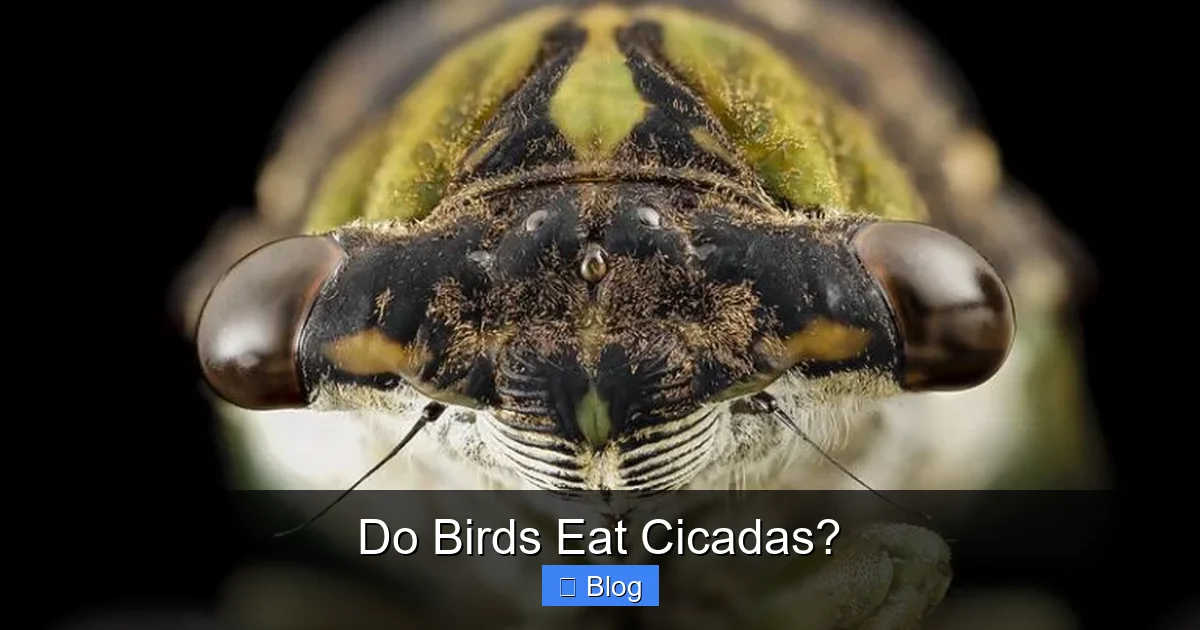
Visual guide about Do Birds Eat Cicadas?
Image source: worldwidebirder.com
Common Backyard Birds: Robins, Jays, Crows, Starlings
Many of the birds you see every day in your backyard are quick to adapt to the cicada buffet.
- American Robins: Known for their worm-pulling antics, robins are opportunistic foragers. They’ll readily pluck cicadas from low branches or even the ground.
- Blue Jays and Crows: These intelligent and adaptable birds are often among the first and most enthusiastic cicada eaters. They’ll cache cicadas for later consumption, demonstrating their resourcefulness.
- European Starlings: Aggressive and numerous, starlings will form flocks to descend upon cicada-laden areas, often carrying multiple cicadas in their beaks to feed their young.
- Other Songbirds: Cardinals, mockingbirds, catbirds, and even smaller birds like sparrows and wrens will try to tackle cicadas, often pecking them apart before consumption.
It’s a sight to behold, watching a seemingly delicate songbird wrestling with a relatively large cicada.
Specialized Insectivores: Woodpeckers, Shrikes, Grackles
Birds that primarily feed on insects are, unsurprisingly, thrilled by the cicada bonanza.
- Woodpeckers: Downy, Hairy, and Red-bellied woodpeckers will eagerly extract cicadas from bark crevices and even peck them directly off tree trunks.
- Loggerhead and Northern Shrikes: Known as “butcher birds,” shrikes are famous for impaling their prey on thorns or barbed wire. Cicadas make an easy target for this grisly, yet effective, feeding strategy.
- Common Grackles: These iridescent blackbirds are highly social and will forage in large groups, systematically clearing cicadas from trees and lawns.
Even Raptors Join the Feast: Hawks, Owls
It’s not just the smaller insect-eaters. Even formidable birds of prey recognize a good meal when they see (or hear) it.
- Red-tailed Hawks: While they primarily hunt rodents and small mammals, the sheer abundance and ease of catching cicadas make them an attractive, temporary food source for these large raptors.
- Owls: Great Horned Owls and Barred Owls, usually nocturnal hunters, will also take advantage of cicadas, often supplementing their diet of small mammals and other birds with these noisy insects.
This wide range of predators highlights just how significant and appealing cicadas are as a food source across the avian kingdom.
The Impact on Bird Behavior and Populations
The arrival of billions of cicadas isn’t just a brief feast; it’s an event with tangible, positive effects on bird populations.
Breeding Success and Fledgling Survival
One of the most significant impacts is on bird reproduction. The emergence of cicadas often coincides perfectly with the peak breeding season for many bird species. With an endless supply of high-quality food, parent birds can feed their young more efficiently and effectively.
- Larger Broods: Some studies suggest birds may lay more eggs when a cicada emergence is anticipated or underway.
- Healthier Chicks: Chicks fed on cicadas grow faster, fledge earlier, and have a higher survival rate due to the rich nutritional content.
- Reduced Parental Stress: Parents spend less time and energy foraging, allowing them more time for brooding and protecting their young.
This surge in available food can create a generation of stronger, healthier young birds, potentially leading to a noticeable increase in local bird populations in the years following an emergence.
Altered Foraging Habits
During a cicada emergence, many birds temporarily shift their foraging strategies. Birds that typically hunt for worms on the ground or catch flying insects in the air might spend more time gleaning cicadas directly from tree trunks and leaves. This behavioral flexibility allows them to maximize their intake of the easily accessible resource.
You might see birds that usually stay hidden venturing out more openly, as the reward outweighs the risk. They are simply too busy eating to worry as much about predators themselves!
Short-Term Population Boosts
While a cicada emergence won’t magically double bird populations permanently, it can lead to temporary localized boosts. Birds from surrounding areas might move into emergence zones to take advantage of the food. Furthermore, the higher survival rate of young birds in that specific year means a stronger cohort entering the population. It’s a natural demographic event that underscores the interconnectedness of ecosystems.
Are Cicadas Harmful to Birds? Concerns and Considerations
When you see birds devouring cicadas by the dozen, a natural concern might arise: are cicadas safe for birds to eat? Could overconsumption be an issue? Let’s address these points.
Natural Defense Mechanisms (or Lack Thereof)
Cicadas have very few natural defenses against predators. They don’t sting, bite aggressively, or produce toxic chemicals. Their main defense strategy is their sheer number – predator satiation. So, in terms of toxicity, birds face no danger from consuming cicadas. Their exoskeletons, while a bit crunchy, are easily digestible for birds, providing some roughage.
Some species of cicadas, like the “dog-day” cicadas we see annually, might have a darker body, but periodic cicadas (often called “Brood X” or “Brood XIII” etc.) are typically black with striking red eyes. These colors are not a warning of toxicity.
Overconsumption: Is There Such a Thing?
Can birds eat too many cicadas? In theory, perhaps, if it led to an unbalanced diet over a very long period. However, during an emergence, the birds’ bodies are geared to take advantage of this protein and fat surplus. It’s a temporary phenomenon. They will switch back to their regular diet once the cicadas are gone.
Birds are incredibly efficient at digesting food, and their high metabolism means they need constant energy. The abundance of cicadas simply allows them to meet these energy demands with less effort. There’s no evidence to suggest that consuming large quantities of cicadas during an emergence harms birds; quite the opposite, it appears to be highly beneficial.
Pesticide Exposure: A Real Threat
While cicadas themselves are harmless to birds, indirect threats can arise. If cicadas emerge in areas heavily treated with pesticides, those chemicals can accumulate in their bodies. When birds then consume these pesticide-laden cicadas, they can suffer severe health consequences, including illness or even death.
This is a critical consideration for homeowners. If you’re in an area expecting a cicada emergence, please refrain from using broad-spectrum pesticides on your trees and shrubs. The natural cycle of cicadas and their predators is a vital part of a healthy ecosystem, and chemical intervention can disrupt it with unintended, harmful consequences for birds and other wildlife.
Observing the Cicada Feast: Tips for Bird Watchers
The next time a cicada emergence is upon us, don’t just listen to the buzz – watch the birds! It’s an unparalleled opportunity for bird watching and connecting with nature.
Best Times and Places to Watch
The best time to observe birds eating cicadas is typically during the day, especially in the morning and late afternoon when birds are most active.
- Look near trees and shrubs: Cicadas cling to vegetation, making these prime foraging spots.
- Listen for the sounds: The louder the cicada chorus, the more likely birds will be present.
- Visit local parks or natural areas: These places often have less human disturbance and a richer bird population.
What to Look For
Keep an eye out for specific behaviors:
- Frequent trips to nests: Parent birds will be bringing cicadas back to their chicks at an increased rate.
- Birds holding multiple cicadas: Some birds, like jays or starlings, can carry several cicadas at once.
- Unusual foraging locations: Birds might be spending more time on tree trunks or on the ground than usual.
- Large gatherings of birds: Flocking birds like grackles or crows might congregate in areas with high cicada density.
Documenting Your Observations
Consider taking notes, photos, or even videos. Sharing your observations with local birding groups or citizen science projects (like eBird) can contribute valuable data about how birds respond to these unique natural events. It’s a fantastic way to engage with the scientific community and deepen your understanding of the local ecosystem.
Conclusion
So, do birds eat cicadas? The answer is a resounding, enthusiastic yes! For many bird species, the periodic emergence of cicadas is not just a meal; it’s a seasonal gift, a crucial boost of protein and fat that can significantly impact their survival and reproductive success. From the smallest sparrow to the largest hawk, a wide array of avian predators eagerly partake in this natural bounty.
This incredible interaction highlights the intricate dance of nature, where massive numbers of one species become a vital resource for another. It’s a powerful reminder of how resilient and interconnected our ecosystems truly are. The next time you hear the unmistakable hum of cicadas, take a moment to appreciate the grand buffet that’s been laid out. Watch the birds, marvel at their feasting, and celebrate this spectacular, once-in-a-lifetime (or at least, once-in-a-decade-or-two) natural event unfolding right before your eyes. It’s a truly wild and wonderful world out there!
🎥 Related Video: Bird hunt cicada for food#shorts #birds #nature #morning #animals #survival
📺 FitnessPets
Frequently Asked Questions
Is it common for birds to eat cicadas?
Yes, it is very common for a wide variety of bird species to eat cicadas, especially during mass periodic emergences. Cicadas offer an abundant and easily accessible food source that birds readily exploit.
What benefits do cicadas offer birds?
Cicadas are rich in protein and fat, providing a significant nutritional boost for birds. This high-energy food source helps adult birds maintain condition and dramatically improves the growth and survival rates of their chicks during the crucial breeding season.
Will birds get sick from eating cicadas?
No, birds will not get sick from eating cicadas themselves. Cicadas are a natural and harmless food item for birds. However, if cicadas have been exposed to pesticides, birds consuming them could be negatively affected by the chemicals.
How does cicada emergence affect bird breeding?
Cicada emergence positively impacts bird breeding by providing a massive, easily available food supply. This can lead to larger clutch sizes, faster chick development, and higher fledgling survival rates, boosting local bird populations temporarily.
Should I be concerned about birds eating cicadas in my yard?
You should not be concerned about birds eating cicadas in your yard; it’s a natural and beneficial interaction. The only concern would be if you have used broad-spectrum pesticides, which could then harm the birds consuming the contaminated cicadas.
Are there any birds that don’t eat cicadas?
While many birds do, some specialist species, like hummingbirds (nectar feeders) or strictly seed-eating finches (though even some finches might try them opportunistically), are unlikely to eat cicadas. Also, raptors that hunt much larger prey might pass them up.