
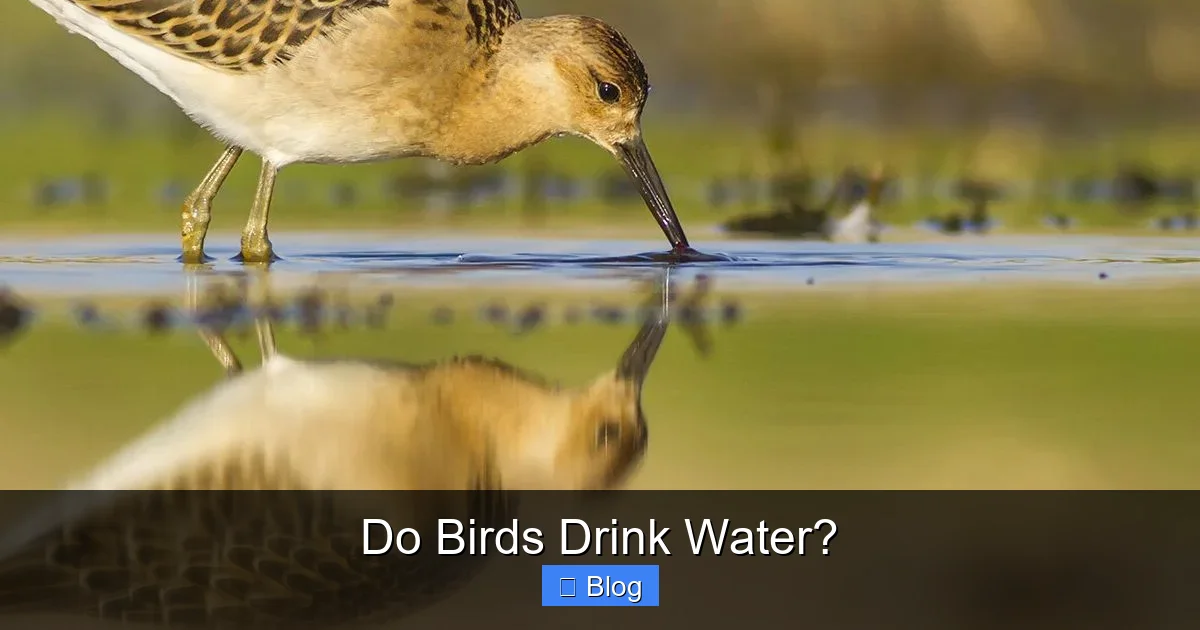
Yes, birds absolutely drink water! This often-overlooked necessity is fundamental for their digestion, metabolism, and especially for regulating body temperature. Birds acquire water through direct drinking from various natural sources and also absorb it from their diet of insects, fruits, and nectar, highlighting its critical role in their daily lives and overall health.
When you think about the daily lives of birds, you probably imagine them soaring through the sky, singing beautiful songs, or perhaps diligently building nests. You might picture them foraging for seeds, snatching insects, or sipping nectar from vibrant flowers. But have you ever paused to consider a more fundamental, yet often overlooked, aspect of their existence: Do birds drink water? It’s a simple question with a profoundly important answer that unlocks a deeper understanding of these incredible creatures.
The short and resounding answer is, yes, absolutely! Just like every other living organism on Earth, from the smallest insect to the largest whale, birds need water to survive. It’s not just a luxury; it’s a vital, non-negotiable component of their physiology that underpins every function of their tiny, busy bodies. Without access to clean, fresh water, a bird’s health would rapidly decline, leading to serious consequences for its well-being and survival.
Understanding *why* birds drink water and *how* they manage to find it in a variety of environments helps us appreciate the intricate balance of nature and our role in supporting it. From the smallest hummingbird to the largest raptor, water is a constant, critical requirement. Let’s dive deeper into the fascinating world of avian hydration and discover why this simple act of drinking is so incredibly complex and essential.
Key Takeaways
- Universal Need: All bird species, without exception, require water for survival, though their specific methods and frequency of intake may vary.
- Vital Functions: Water is essential for a bird’s digestion, nutrient absorption, metabolism, waste elimination, and critical thermoregulation (cooling down).
- Diverse Sources: Birds obtain water by direct drinking from puddles, dew, streams, and bird baths, and also indirectly from their food, such as insects, fruits, and nectar.
- Species-Specific Needs: Different birds have varying water requirements based on their diet and habitat; for instance, seed-eaters often drink more frequently than those with a fruit-rich diet.
- Environmental Challenges: Birds frequently face challenges in finding clean, accessible water due to habitat loss, urbanization, drought, and freezing temperatures.
- Human Assistance is Crucial: Providing fresh, clean water in bird baths or shallow dishes is one of the most impactful ways humans can support local bird populations.
- Observe and Protect: Recognizing signs of dehydration and maintaining clean water sources are important steps in ensuring the well-being of our feathered neighbors.
Quick Answers to Common Questions
Do all birds drink water?
Yes, all bird species need water for survival, although the frequency and primary sources can vary greatly depending on their diet and habitat.
How often do birds need to drink?
The frequency depends on the bird’s diet and ambient temperature. Seed-eaters might drink multiple times a day, especially in hot weather, while birds eating succulent fruits or insects might drink less frequently.
Can birds get water from snow?
While birds can peck at snow or ice to get some moisture, it’s not an efficient primary source. Eating snow requires energy to melt it internally, which can be taxing, especially in very cold weather.
What’s the best type of bird bath?
The best bird bath is shallow (1-2 inches deep), has a rough surface for good grip, is easy to clean, and is placed in a safe location with nearby cover.
Why do birds bathe?
Birds bathe to clean their feathers, remove parasites, and cool down, especially on hot days. Clean feathers are essential for insulation and efficient flight.
📑 Table of Contents
The Unmistakable Truth: Why Birds Need Water
It might seem obvious, but the biological reasons behind why birds drink water are complex and fascinating. Water isn’t just for quenching thirst; it’s involved in almost every bodily process, making it as vital as food and shelter.
Essential for Digestion and Metabolism
Imagine trying to digest a dry piece of toast without any liquid. It’s difficult, right? Birds, especially those that eat dry seeds, need water to help soften their food and aid in the digestive process. Water acts as a solvent, helping to break down food in their stomachs and gizzards, allowing nutrients to be absorbed efficiently. It also plays a crucial role in metabolic processes, which convert food into energy, keeping birds active and healthy. Without adequate hydration, their ability to process food and extract energy would be severely compromised.
Critical for Thermoregulation
Birds are warm-blooded, meaning they maintain a constant internal body temperature regardless of the external environment. This is a very energy-intensive process. When temperatures soar, birds can’t sweat like humans do. Instead, they cool down primarily through a process called evaporative cooling. This involves panting or gular fluttering (rapid vibration of the moist membranes in their throat) which increases airflow over moist surfaces, evaporating water and dissipating heat. Drinking water helps replenish the fluids lost during this cooling process, and bathing in water also provides immediate relief from heat, allowing them to lower their body temperature directly.
Nutrient Transport and Waste Elimination
Water is the primary medium for transporting essential nutrients, hormones, and oxygen to every cell in a bird’s body. It acts as the body’s internal delivery system. Equally important, water helps flush out waste products and toxins from their system through their kidneys. Birds excrete waste in the form of uric acid, which requires less water than urea (what mammals excrete), but hydration is still critical to prevent the buildup of harmful substances.
How Birds Find Water in the Wild
Visual guide about Do Birds Drink Water?
Image source: diyseattle.com
Birds are incredibly resourceful when it comes to locating water. Their survival depends on it, so they’ve developed various strategies to find this precious resource, whether it’s for drinking or bathing.
Natural Drinking Sources
Birds are opportunistic drinkers. They will drink from almost any accessible, clean water source. This includes:
- Puddles: After a rain shower, puddles are a temporary but popular spot for birds to drink and splash.
- Dew and Raindrops: Tiny birds, especially, will sip dew off leaves and grass in the early morning or drink raindrops clinging to foliage.
- Streams, Rivers, and Ponds: Larger, more permanent bodies of water are consistent sources, though birds must be wary of predators.
- Tree Cavities: Water can collect in hollows or crevices in trees, creating small, sheltered drinking spots.
- Plant Depressions: Some plants have leaves that form natural cups, collecting rainwater, offering a small, vital drink.
Dietary Water Sources
Beyond direct drinking, a significant portion of a bird’s water intake comes from the food they eat. This is especially true for certain species.
- Fruits and Berries: Many fruit-eating birds, like orioles and thrushes, get a substantial amount of water from the juicy fruits and berries they consume.
- Nectar: Hummingbirds and other nectar feeders primarily hydrate through the sugary liquid they extract from flowers, which is mostly water.
- Insects and Worms: Insects and worms have a high water content. Insectivorous birds, such as swallows and flycatchers, get much of their hydration from their prey.
- Succulent Plants: In arid regions, birds might seek out plants with fleshy leaves or stems that store water.
Some birds, particularly those in extremely dry environments, have remarkable physiological adaptations. For example, the desert-dwelling sandgrouse has specialized belly feathers that can soak up and carry water for miles back to its chicks, demonstrating an extraordinary commitment to hydration.
Species-Specific Water Needs and Behaviors
While all birds drink water, their specific needs and how they hydrate can vary greatly depending on their diet, habitat, and size.
Variations in Drinking Frequency and Method
You might notice different birds approach a water source in different ways.
- Seed-Eaters: Birds like finches, sparrows, and doves, which primarily consume dry seeds, often need to drink water more frequently. They typically take small sips, tilt their heads back to let gravity help the water go down, and repeat. Doves are unique in their ability to suck water directly without tilting their heads.
- Nectar-Eaters: Hummingbirds, as mentioned, get most of their water from nectar. However, they will also occasionally take tiny sips from open water sources, especially for bathing.
- Insectivores/Frugivores: Birds that eat a diet rich in insects or fruits might drink less frequently from open water sources because their food provides ample moisture. They still need access to water, particularly for bathing and in hot weather.
- Raptors: Birds of prey like hawks and owls often obtain sufficient hydration from the blood and tissues of their prey. They still drink water, but typically less often than seed-eaters.
The Importance of Bathing
When we see birds splashing in a bird bath, it’s not just for fun; it’s a vital part of their hygiene and health.
- Feather Maintenance: Bathing helps birds clean their feathers, removing dirt, dust, and parasites. Clean feathers are essential for effective insulation against cold and for efficient flight. After a bath, birds often preen, spreading oil from a gland near their tail to waterproof and condition their feathers.
- Cooling Down: On hot days, a quick dip can significantly help a bird lower its body temperature, providing immediate relief from the heat stress.
- Parasite Control: Regular bathing can help dislodge external parasites like mites and lice, contributing to better overall health.
Challenges Birds Face in Finding Water
Despite their resourcefulness, birds often encounter significant hurdles in finding reliable, clean water sources. These challenges are increasing, making human assistance even more important.
Habitat Loss and Urbanization
As human populations expand and natural habitats are converted into urban or agricultural areas, many natural water sources—like small streams, ponds, and puddles—disappear. Concrete and asphalt replace permeable surfaces, reducing the availability of standing water. Birds in these areas struggle to find sufficient hydration.
Climate Change and Drought
Shifting weather patterns, more frequent and severe droughts, and prolonged periods of high temperatures directly impact water availability. Rivers might shrink, ponds might dry up, and even dew can become less common, leaving birds parched and vulnerable.
Contaminated Water Sources
Even when water is present, it might not be safe to drink. Runoff from pesticides, herbicides, industrial pollutants, and road salts can contaminate natural water sources, making them toxic for birds. Drinking or bathing in contaminated water can lead to illness or death.
Frozen Water in Winter
In colder climates, water sources can freeze solid for extended periods during winter. This creates a critical shortage, forcing birds to expend more energy searching for liquid water, which might be miles away. This is particularly challenging for small birds with high metabolic rates.
Predator Risk
Water sources, especially open bird baths, can attract predators like cats, hawks, or even snakes. Birds must constantly be vigilant while drinking or bathing, balancing their need for water with the risk of becoming prey. This is why having nearby cover is crucial for any bird bath you provide.
Becoming a Bird Buddy: How to Provide Water for Birds
Given the challenges, providing a clean, reliable water source in your garden can make a huge difference to local bird populations. It’s often even more attractive to birds than food, particularly during hot or dry periods.
The Perfect Bird Bath Setup
Setting up a bird bath is one of the easiest and most rewarding ways to help.
- Shallow is Key: Birds prefer shallow water. The bath should be no more than 1 to 2 inches (2.5-5 cm) deep in the center, gradually sloping to the edges. You can place stones or pebbles in deeper baths to create shallow spots for smaller birds.
- Material Matters: Concrete, ceramic, and heavy plastic baths are common. Ensure the surface is slightly rough to provide good footing for birds. Avoid smooth, slippery plastic or metal.
- Placement: Position the bird bath in an open area, about 10-15 feet (3-4.5 meters) from dense shrubs or trees. This gives birds a clear view of approaching predators but still offers quick access to cover if needed. Avoid placing it too close to feeders, as dropped seeds can quickly foul the water.
- Cleanliness is Crucial: This is arguably the most important tip. Water can quickly become stagnant and a breeding ground for bacteria (like avian pox) and mosquitoes. Clean the bird bath every day or every other day by scrubbing it out with a stiff brush and rinsing thoroughly. Avoid using harsh chemicals; a diluted bleach solution (1 part bleach to 9 parts water) followed by a thorough rinse can be used occasionally for deep cleaning, ensuring no residue remains.
- Fresh Water Daily: Always provide fresh water. Birds are more attracted to clean, clear water.
Alternative Water Sources
Beyond traditional bird baths, you can offer other options:
- Drippers or Misters: A slow drip or a fine mist can be incredibly attractive to birds, especially hummingbirds and warblers, as the movement and sound of water catch their attention.
- Ground-Level Dishes: A shallow dish placed directly on the ground can be appealing to ground-feeding birds like sparrows and juncos. Again, ensure it’s shallow and clean.
- Winter Warmth: In freezing temperatures, an electric bird bath heater or a heated bird bath can provide a vital source of liquid water. Always follow manufacturer instructions for safe operation.
Safety First!
When providing water, remember bird safety:
- Predator Awareness: Ensure there’s cover nearby but not so close that a predator can ambush a bird.
- Avoid Contaminants: Keep the area around the bird bath free of pesticides and chemicals.
- Don’t Add Anything to Water: Never add sugar, salts, or other additives to bird bath water. It can be harmful to birds.
Recognizing Signs of Dehydration and What to Do
Observing birds is a wonderful hobby, and part of that is learning to recognize when something might be wrong. While it’s rare to see overt signs of dehydration in the wild, knowing what to look for can help.
Telltale Signs
A severely dehydrated bird might exhibit:
- Lethargy: Appears unusually weak, sluggish, or unresponsive.
- Ruffled Feathers: Feathers may look disheveled and untended.
- Open-Mouth Breathing or Panting: Especially when not exerting itself, this can indicate extreme heat stress and dehydration.
- Sunken Eyes: A more severe sign of fluid loss.
- Loss of Balance or Coordination: Struggling to stand or fly properly.
What to Do (and Not Do)
If you suspect a bird is dehydrated or ill, the best course of action is *not* to try to give it water or food yourself. This can often cause more harm than good, as a stressed bird can easily aspirate (inhale) water into its lungs. Instead:
- Contact a Wildlife Rehabilitator: The most appropriate response is to contact a local licensed wildlife rehabilitator. They have the expertise and equipment to safely rehydrate and care for injured or ill birds. You can often find them through a quick online search for “wildlife rescue” or “bird rehabilitator” in your area.
- Provide a Safe Environment: If the bird is in a dangerous spot (e.g., in the middle of a road), you might carefully move it to a safe, quiet, sheltered location (like under a bush) and then call for help.
Simply by providing a clean, fresh water source in your garden, you are proactively helping to prevent dehydration in healthy birds and creating a safer environment for them.
Conclusion
The answer to “Do birds drink water?” is a resounding and emphatic yes. Water is not merely a preference for birds; it is an absolute necessity, interwoven into every fabric of their existence, from digestion and metabolism to crucial temperature regulation and feather maintenance. From tiny sips of dew to vigorous splashes in a bird bath, the quest for water is a daily reality for our feathered friends.
As natural habitats shrink and climate patterns shift, the availability of clean, accessible water for birds becomes increasingly precarious. This is where we, as humans, can make a significant and positive impact. By simply providing a well-maintained, shallow bird bath in our yards, we offer a lifeline—a vital oasis that can quench thirst, provide a refreshing bath, and ultimately contribute to the health and survival of countless individual birds.
So, the next time you see a bird flitting about, remember the silent, constant need for water. And perhaps, consider setting out a fresh, clean bird bath. It’s a small act that offers immense benefits, fostering life and bringing the joy of nature right to your doorstep. Your feathered neighbors will thank you for it, one refreshing sip at a time.
🎥 Related Video: How do birds drink water?
📺 All Things Birdie
What are the different ways in which birds drink water? Whether the beak acts like a scoop or a straw, birds have more fascinating …
Frequently Asked Questions
Can birds drink tap water?
Yes, birds can safely drink tap water as long as it’s clean and fresh, free from harsh chemicals or additives. If your tap water is heavily chlorinated, letting it sit for a few hours can help dissipate the chlorine, but generally, it’s fine.
Do hummingbirds drink water if they eat nectar?
While hummingbirds get most of their water from nectar, which is primarily water, they will also occasionally drink from open water sources. They particularly enjoy misters and fine sprays for both drinking and bathing.
How deep should a bird bath be?
A bird bath should ideally be very shallow, no more than 1 to 2 inches (2.5-5 cm) deep at its deepest point. You can add stones or pebbles to create even shallower spots for very small birds to perch and drink safely.
How do birds find water sources?
Birds find water primarily through sight, often spotting glistening surfaces or recognizing familiar water bodies. They can also hear the sound of moving water and may use scent to locate moisture, especially in very dry environments.
What time of day do birds drink most?
Birds tend to drink most frequently in the early morning and late afternoon. These cooler parts of the day are often when they are most active, foraging and socializing, making a quick drink refreshing and necessary.
Is it okay to put sugar in bird bath water?
No, it is not okay to put sugar or any other additives in bird bath water. Sugar water is only suitable for specific feeders designed for nectar-eating birds like hummingbirds and can be harmful to other species, encouraging bacterial growth in a general bird bath.