
Introduction
Birds are famous for their ability to fly high in the sky, spread their wings, and travel from one place to another. However, did you know that some birds cannot fly at all? These fascinating creatures are known as flightless birds. Although they have wings like other birds, their bodies and feathers are adapted for different ways of moving and surviving.
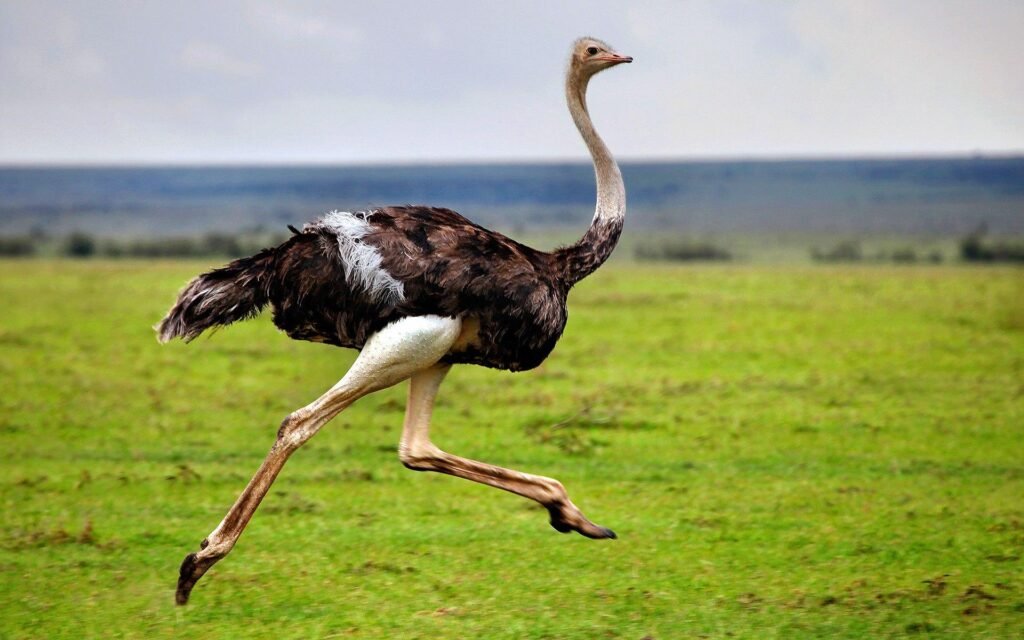
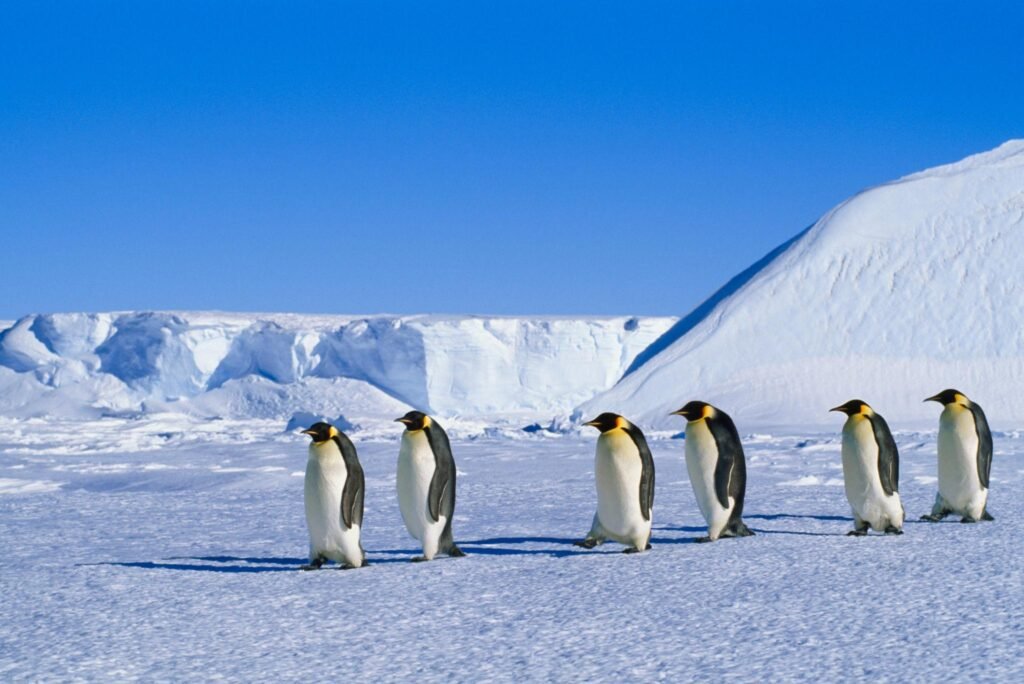
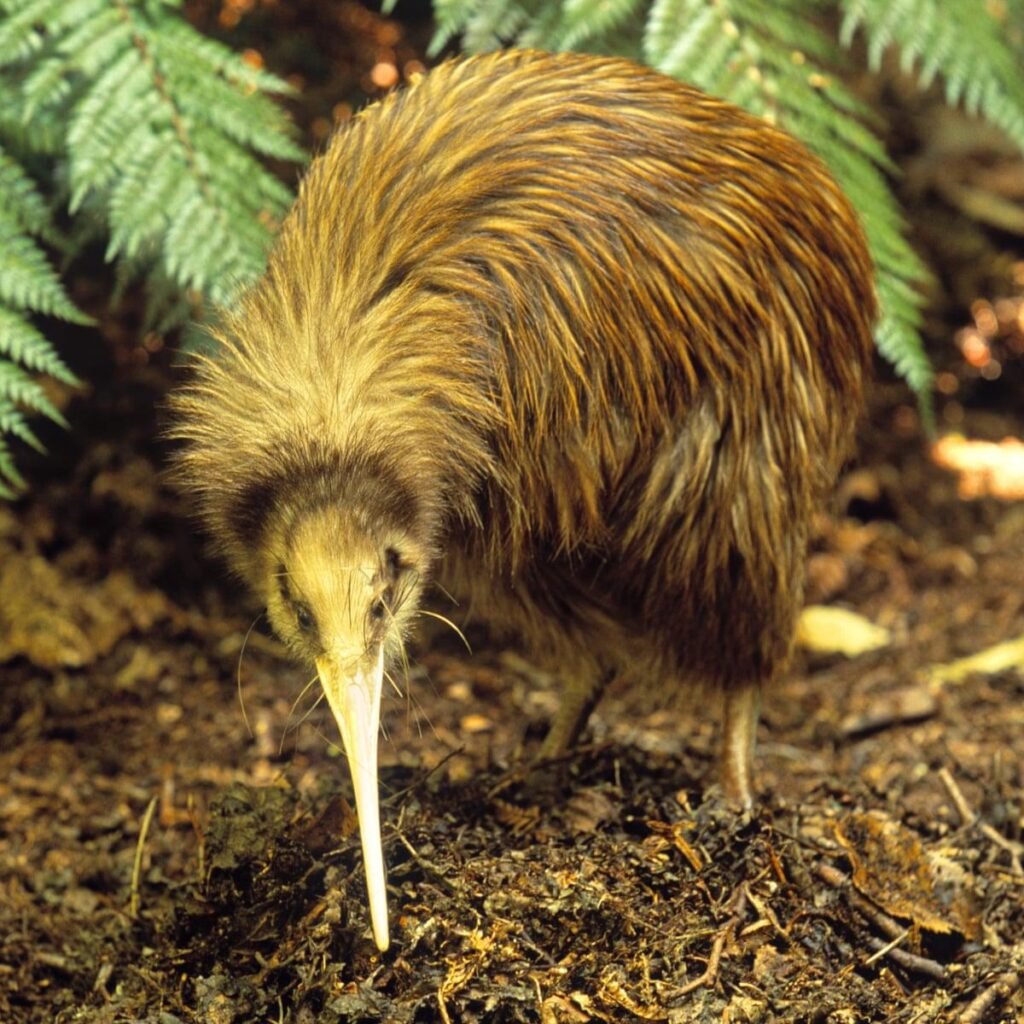
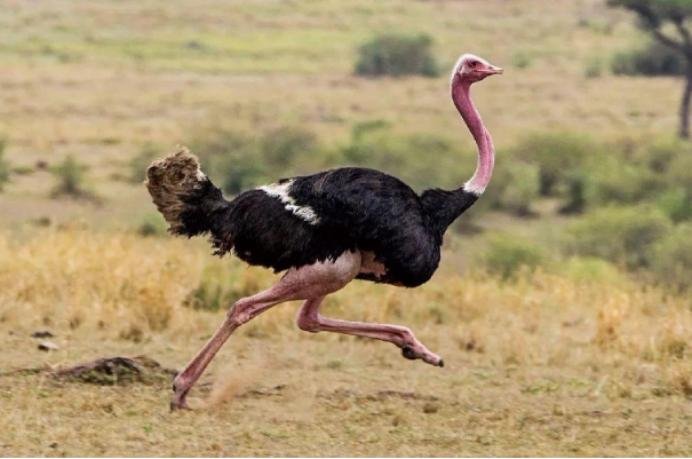
Birds that cannot fly live in various environments, including grasslands, forests, deserts, and icy regions. Some are excellent runners, while others are powerful swimmers. The ostrich can run at remarkable speeds, penguins move gracefully through water, and kiwis search for food on the forest floor.
In this vlog, we will explore the amazing world of flightless birds, discover their special characteristics, learn where they live, and understand how they survive without flying.
What Are Flightless Birds?
Flightless birds are birds that cannot fly naturally. Unlike most birds, which use their wings to travel through the air, flightless birds depend on their legs, swimming abilities, or other adaptations to move around.
Many flightless birds have strong legs, distinctive feathers, and body shapes suited to their environments. Some have large bodies that make flying difficult, while others evolved in places where flying offered fewer advantages.
Flightlessness does not mean these birds are weak or unable to move quickly. In fact, several species are exceptionally fast runners or skilled swimmers.
Why Can Some Birds Not Fly?
There are several reasons why certain birds cannot fly.
1. Large Body Size
Some flightless birds have heavy bodies and powerful legs. Their wings are not large or strong enough to lift their body weight into the air.
The ostrich is an excellent example. It is the largest living bird and has long legs designed for running rather than flying.
2. Evolution and Adaptation
Birds gradually adapt to their surroundings over many generations. In some environments, flying becomes less important for finding food or escaping danger.
When other survival skills provide sufficient advantages, natural selection can favor traits that make flight unnecessary.
3. Living on Islands
Some flightless birds evolved on islands where there were historically few land predators. In these environments, strong running legs or camouflage could be more useful than flight.
However, when humans introduced predators such as cats, rats, and dogs, many island-dwelling flightless birds became vulnerable.
4. Specialized Wings
Some flightless birds use their wings for purposes other than flying. Penguins, for example, have stiff, flipper-like wings that help them swim underwater.
Their wings are excellent for movement through water but are not suitable for powered flight through the air.
1. Ostrich
The ostrich is one of the most famous flightless birds in the world. It lives naturally in parts of Africa and is the largest living bird.
Ostriches have long legs, large bodies, and relatively small wings. Although they cannot fly, they can run very fast and cover considerable distances.
Interesting facts about ostriches:
- They have exceptionally long legs and powerful feet.
- They use their speed to escape many predators.
- They mainly eat plant material but also consume insects and other small animals.
- They lay some of the largest eggs produced by any living bird.
Ostriches usually live in open habitats, including savannas and grasslands. Their excellent eyesight helps them notice potential danger from a distance.
2. Penguin
Penguins are among the most recognizable flightless birds. They live mainly in the Southern Hemisphere, with species found in places ranging from Antarctica to warmer coastal regions.
Penguins cannot fly through the air, but they are remarkable swimmers. Their wings have evolved into flippers that push them through the water.
Interesting facts about penguins:
- They use their flippers to swim and chase fish.
- Many species eat fish, squid, and krill.
- Their feathers help provide insulation and reduce heat loss.
- Many penguin species gather in colonies to breed and raise their chicks.
Emperor penguins are particularly famous for surviving the harsh Antarctic winter. Adults protect their eggs and young chicks in extremely cold conditions.
3. Emu
The emu is a large flightless bird native to Australia. It has long legs, shaggy-looking feathers, and a tall body.
Although emus cannot fly, they can run quickly and travel long distances in search of food and water.
Emus eat a varied diet that includes seeds, fruits, leaves, and insects. Their ability to move across large areas helps them survive in different Australian environments.
One of the most interesting features of emu reproduction is that the male usually incubates the eggs and cares for the chicks after they hatch.
4. Kiwi
The kiwi is a small, unusual flightless bird native to New Zealand. It has a rounded body, soft brown feathers, strong legs, and a long bill.
Unlike many birds, kiwis are mainly active at night. They use their excellent sense of smell and sensitive bill to locate insects, worms, and other small animals in the soil.
Interesting facts about kiwis:
- They have tiny wings that are almost hidden beneath their feathers.
- Their nostrils are located near the tip of their bill.
- They are important symbols of New Zealand.
- They lay eggs that are unusually large in relation to their body size.
Kiwis are threatened by habitat loss and introduced predators. Conservation programs help protect their habitats and improve the survival of young birds.
5. Cassowary
The cassowary is a large flightless bird found in the tropical forests of New Guinea and northeastern Australia.
It has a striking appearance, with dark feathers, powerful legs, and a colorful head and neck. Many cassowaries have a hard, helmet-like structure called a casque on top of their heads.
Cassowaries eat mainly fruit, although they also consume fungi, insects, and small animals. By eating fruit and spreading seeds through their droppings, they help maintain healthy tropical forests.
Cassowaries can be dangerous if threatened or cornered. People should observe them from a safe distance and never attempt to approach or feed them.
6. Rhea
Rheas are large flightless birds native to South America. They resemble ostriches but belong to a different group of birds.
They inhabit grasslands, open woodlands, and other open landscapes. Their long legs allow them to run quickly when they need to escape danger.
Rheas mainly eat plants, seeds, fruits, and insects. Their flexible diet helps them survive in changing environments.
Male rheas play an important role in reproduction. Depending on the species and circumstances, a male may incubate eggs from several females and care for the chicks after hatching.
7. Kakapo
The kakapo is a critically endangered, nocturnal parrot native to New Zealand. It is unusual because it is flightless, heavy-bodied, and active mainly at night.
Kakapos have greenish feathers that provide camouflage among vegetation. They feed on plant material, including leaves, fruits, seeds, and other vegetation.
Unlike many other parrots, kakapos cannot fly to escape danger. They rely on camouflage and ground-based movement, making them especially vulnerable to introduced predators.
Intensive conservation efforts, including predator control and careful breeding management, are helping protect this remarkable species.
8. Weka
The weka is a flightless rail native to New Zealand. It has a brown body, strong legs, and a relatively long bill.
Wekas search for food on the ground, eating insects, worms, seeds, fruit, and small animals. They are curious birds and can sometimes be seen exploring areas near human settlements.
Although they cannot fly, wekas can run and move through vegetation with ease. Their survival depends on suitable habitats and protection from threats such as introduced predators.
9. Takahe
The takahe is a large, brightly colored flightless rail from New Zealand. It has a robust body, strong red legs, and a thick red bill.
Takahe mainly eat grasses and other plant material. They use their powerful bills to handle vegetation in their mountain grassland habitats.
The species was once believed to be extinct after disappearing from scientific records for decades. Its rediscovery in 1948 became an important moment in bird conservation.
Today, conservationists continue working to protect takahe through habitat management, predator control, and carefully managed populations.
10. Steamer Ducks
Some steamer ducks, particularly the flightless species, live in southern South America. They are powerful water birds with strong bodies and legs.
Certain steamer ducks use their wings and feet while moving rapidly across the water, creating a movement that inspired their common name.
They feed on aquatic animals and other available food. Their strong swimming abilities help them navigate coastal waters and lakes.
Not all steamer ducks are flightless, making them a useful reminder that flightlessness varies even among closely rela How Do Flightless Birds Survive Without Flying?
Flightless birds have developed different strategies to survive in their natural environments.
Running Fast
Ostriches and emus depend on powerful legs to travel quickly. Running helps them search for food, cover long distances, and escape some predators.
Swimming Underwater
Penguins are adapted for life in the water. Their streamlined bodies, flipper-like wings, and waterproof feathers allow them to swim efficiently and catch prey.
Camouflage
Kiwis and kakapos often rely on their natural coloring to blend into their surroundings. Camouflage can help them remain hidden from predators.
Strong Legs and Defensive Behavior
Some flightless birds have strong legs that help them move through difficult terrain or defend themselves when necessary. However, defensive behavior varies by species, and avoiding danger is often safer than confronting it.
Specialized Feeding Habits
Different species eat different foods depending on their habitat. Some consume grasses and leaves, while others eat fruit, insects, fish, or small animals.
These varied diets allow flightless birds to occupy many different ecological niches.
Where Do Flightless Birds Live?
Flightless birds are found in several regions of the world.
Africa: Ostriches live in open habitats, including savannas and grasslands.
Australia: Emus inhabit a wide range of environments across much of the continent.
Antarctica and surrounding regions: Penguins inhabit southern oceans and coastal areas, with some species living in exceptionally cold environments.
New Zealand: Kiwis, kakapos, wekas, and takahe represent several distinctive flightless bird species.
South America: Rheas inhabit open landscapes, while flightless steamer ducks occur in parts of the southern region.
Tropical forests: Cassowaries inhabit tropical forests where their fruit-eating behavior supports seed dispersal.
Their geographical distribution demonstrates how birds can evolve different survival strategies in response to their surroundings.
What Do Flightless Birds Eat?
Flightless birds have diverse diets.
- Ostriches: Plants, seeds, insects, and other small animals.
- Penguins: Fish, squid, krill, and other marine animals.
- Emus: Fruits, seeds, leaves, and insects.
- Kiwis: Worms, insects, and other small soil animals.
- Cassowaries: Primarily fruit, along with fungi and small animals.
- Rheas: Plant material, seeds, fruits, and insects.
- Kakapos: Leaves, fruits, seeds, and other vegetation.
Their food choices depend on their species, habitat, age, and seasonal conditions.Differences Between Flying and Flightless Birds
Flying birds generally have wings and body structures suited to powered flight. Many have relatively lightweight skeletons, strong flight muscles, and feathers shaped to generate lift.
Flightless birds show a wider range of adaptations. Some are large runners, some are powerful swimmers, and others move slowly through forests or grasslands.
However, not all flightless birds are large. The kiwi and kakapo demonstrate that flightlessness can occur in smaller birds as well.
Both flying and flightless birds are important parts of nature. Each group contributes to its ecosystem through activities such as pollination, seed dispersal, insect control, and participation in food webs.
Threats Facing Flightless Birds
Many flightless birds face serious conservation challenges.
Habitat Loss
Deforestation, farming, road construction, and urban development can destroy the places where birds feed, nest, and raise their young.
Introduced Predators
Cats, rats, dogs, and other introduced mammals have severely affected several island-dwelling flightless birds, especially species that evolved without these predators.
Climate Change
Changes in temperature, rainfall, sea ice, and food availability can affect breeding success and survival. The effects differ among species and locations.
Hunting and Human Disturbance
Some flightless birds have historically suffered from hunting and egg collection. Disturbance near nesting sites can also interfere with breeding.
Conservation Efforts
Protecting habitats, controlling introduced predators, restoring ecosystems, monitoring populations, and supporting responsible wildlife tourism can help flightless birds survive.
How Can We Help Protect Flightless Birds?
Everyone can contribute to bird conservation in simple ways.
- Support wildlife conservation organizations and habitat restoration projects.
- Avoid disturbing nests and breeding colonies.
- Never feed wild birds unless local wildlife authorities specifically recommend it.
- Keep domestic pets away from vulnerable wildlife.
- Learn about endangered bird species and share accurate information.
- Support protected areas and responsible ecotourism.
- Encourage others to respect birds and their natural habitats.
Small actions, when combined with effective conservation programs, can make a meaningful difference.
Amazing Facts About Flightless Birds
Here are some fascinating facts to remember:
- The ostrich is the largest living bird.
- Penguins cannot fly through the air, but many species are excellent swimmers.
- Emus are native to Australia.
- Kiwis have nostrils near the tips of their bills.
- Cassowaries help disperse seeds in tropical forests.
- Male emus usually incubate their eggs and care for their chicks.
- The kakapo is a critically endangered flightless parrot.
- The takahe was rediscovered in New Zealand in 1948 after being considered possibly extinct.
These facts show that birds do not need to fly to develop remarkable abilities.
Frequently Asked Questions (FAQ)
1. What are birds that cannot fly called?
Birds that cannot fly naturally are called flightless birds.
2. Which is the largest flightless bird?
The ostrich is the largest living bird and the largest living flightless bird.
3. Can penguins fly?
No. Penguins cannot fly through the air, but their wings have evolved into flippers that help them swim underwater.
4. Why can ostriches not fly?
Ostriches have large bodies and wings that are not adapted to lift their weight into the air. Their strong legs are better suited to running.
5. Which flightless bird is active at night?
The kiwi and kakapo are examples of flightless birds that are mainly active at night.
6. Are all flightless birds endangered?
No. Conservation status varies by species. Some flightless birds have relatively healthy populations, while others are threatened or critically endangered.
7. Can flightless birds swim?
Some can swim very well. Penguins are outstanding swimmers, but swimming ability differs among flightless species.
Conclusion
Birds that cannot fly are among the most fascinating creatures in the natural world. From the powerful ostrich running across African grasslands to penguins swimming through cold oceans, these birds demonstrate that survival does not depend on flight alone.
Emus, kiwis, cassowaries, rheas, kakapos, and takahe have all developed distinctive characteristics that help them live in their environments. Their different diets, habitats, and behaviors reveal the incredible diversity of bird life.
Unfortunately, many flightless birds face threats from habitat destruction, introduced predators, climate change, and human activities. Protecting these species requires awareness, responsible behavior, and long-term conservation efforts.
The next time you see a bird walking on the ground instead of flying in the sky, remember that it may possess special abilities that make it perfectly suited to its way of life.