
While household fleas rarely infest birds, specialized “bird fleas” do exist, primarily affecting wild birds in their nests. Pet birds are generally safe from common dog/cat fleas, but can encounter bird-specific parasites. Understanding the differences and practicing good hygiene are key to protecting your feathered companions.
Have you ever found yourself watching a bird happily pecking away in your garden or perched on your feeder, and suddenly a thought crosses your mind: “Can birds get fleas?” It’s a natural question, especially if you have other pets like dogs or cats who regularly battle these tiny,跳跃的 pests. The image of a bird scratching at an itchy patch, much like our furry friends do, can make us wonder if our feathered companions face the same irritating challenge.
The truth about fleas and birds is a fascinating one, often misunderstood. While the common cat and dog fleas are notorious for their ability to spread rapidly through our homes and onto our beloved pets, the world of avian parasites is a bit different. Birds, in fact, can get fleas, but not usually the kind you’d find hopping off your Labrador. This distinction is incredibly important for bird owners and wildlife enthusiasts alike, helping us to understand how to best protect our avian friends.
In this comprehensive guide, we’re going to dive deep into the world of bird fleas. We’ll explore the specific types of fleas that affect birds, how they differ from the fleas that plague mammals, and what signs to look for if you suspect your bird might have a parasitic issue. We’ll also cover effective prevention strategies for both wild and pet birds, and discuss when it’s time to call in the experts. So, let’s unravel the mystery and get to the bottom of whether your feathered friend needs to worry about these tiny invaders.
Key Takeaways
- Flea Specificity: Common household fleas (like those on dogs and cats) rarely infest birds due to host specificity. Birds have their own distinct species of fleas, primarily Ceratophyllus gallinae.
- Wild vs. Pet Birds: Bird fleas are most prevalent in wild bird nests, especially during nesting season, and pose a minimal risk to indoor pet birds.
- Identifying Parasites: It’s crucial to differentiate bird fleas from more common avian parasites like mites and lice, which are more likely to affect pet birds.
- Health Impact: For wild birds, heavy flea infestations can lead to anemia, stress, and even death, particularly in young chicks.
- Prevention for Pet Birds: Maintaining a clean environment, especially around cages and aviaries, and regular veterinary check-ups are the best defenses for pet birds.
- Environmental Management: For wild birds, indirect management through clean bird feeders and baths helps reduce overall parasite load in their environment.
- Veterinary Consultation: If you suspect any parasitic issue with your pet bird, consult an avian veterinarian for accurate diagnosis and safe treatment options.
Quick Answers to Common Questions
Can birds get fleas from my dog or cat?
No, it’s highly unlikely. Fleas are host-specific, meaning common dog and cat fleas are adapted to mammals and cannot effectively infest or reproduce on birds.
Are bird fleas common in pet birds?
Bird fleas are rare in indoor pet birds. They are primarily found in wild bird nests and domestic fowl coops.
What are common signs of parasites on birds?
Common signs include excessive scratching, feather plucking, dull feathers, restlessness (especially at night), and in severe cases, weight loss or lethargy.
Can I use dog or cat flea treatment on my bird?
Absolutely not. Flea treatments for dogs and cats contain chemicals that are toxic to birds and can be fatal. Always consult an avian veterinarian for any suspected parasitic issue in birds.
How can I protect wild birds from fleas?
You can help by regularly cleaning bird feeders and bird baths to reduce overall parasite breeding grounds, and by cleaning out nest boxes at the end of nesting season.
📑 Table of Contents
The Truth About Fleas and Birds: Host Specificity
The most common question bird enthusiasts ask is, “Can birds get fleas from my cat or dog?” The short answer is: it’s highly unlikely. Fleas are incredibly host-specific, meaning each species of flea has evolved to thrive on a particular type of host.
Bird-Specific Fleas: Understanding Ceratophyllus gallinae
When we talk about fleas that affect birds, we’re primarily talking about species like Ceratophyllus gallinae, often known as the European chicken flea or hen flea. This particular flea species is adapted to living on birds, especially those that nest in enclosed spaces like chicken coops, birdhouses, or hollow trees. These fleas prefer the body temperature, feather structure, and blood composition of birds.
They are quite different from the notorious cat flea (Ctenocephalides felis) or dog flea (Ctenocephalides canis) that infest our furry household pets. Bird fleas spend most of their lives in the bird’s nest material, only jumping onto the bird to feed. This is a crucial difference, as cat and dog fleas tend to spend more time directly on their hosts.
Why Mammal Fleas Don’t Thrive on Birds
So, why don’t dog and cat fleas jump onto birds and set up shop? It all comes down to adaptation. Mammal fleas are adapted to the specific skin, hair, and blood chemistry of mammals. Birds, with their feathers, different body temperatures, and unique blood composition, simply aren’t suitable hosts for these fleas to complete their life cycle or even survive for long.
While a cat flea might accidentally land on a bird, it won’t be able to feed effectively, reproduce, or establish an infestation. The bird’s feathers make it difficult for the flea to reach the skin, and even if it does, the blood isn’t ideal for its survival and egg-laying. So, for the most part, you can breathe a sigh of relief knowing that your pet bird isn’t at high risk of catching fleas from your dog or cat. This helps to further answer the question, “Can birds get fleas from my other pets?” – almost certainly not.
Identifying Fleas and Other Parasites on Birds
Visual guide about Can Birds Get Fleas?
Image source: birdtipper.com
Even if common household fleas aren’t a concern, birds can still suffer from other external parasites. Knowing what to look for is essential for your bird’s health. “Can birds get fleas?” is a good starting point, but we need to broaden our awareness to other potential issues.
Visual Cues of a Flea Infestation
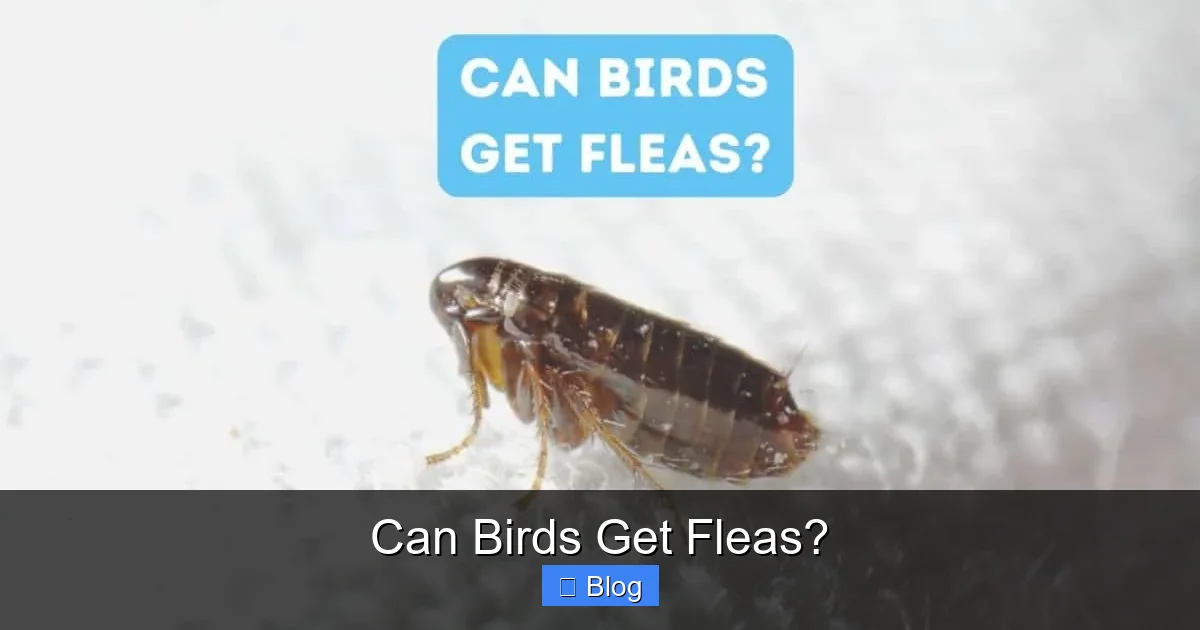
If a bird has fleas (specifically bird fleas), you might not easily see the fleas themselves because they spend more time in the nest than on the bird. However, during an active feeding period, you might spot tiny, dark, fast-moving insects scurrying through the feathers, especially around the vent, under the wings, or on the head. You might also notice “flea dirt,” which are tiny specks of dried blood left behind by fleas, resembling black pepper. If you wipe flea dirt onto a wet paper towel, it will turn reddish-brown. This is a tell-tale sign of flea activity.
Distinguishing Fleas from Mites and Lice
It’s much more common for pet birds to get mites or lice than fleas. These parasites are also tiny, but they have distinct characteristics:
- Mites: These are arachnids, like tiny spiders, and can be microscopic. Common types include red mites (which feed at night and hide during the day, causing restlessness and anemia), scaly leg mites (causing crusty, deformed legs and beaks), and feather mites (which feed on feather debris). Mites often cause intense itching, feather plucking, and general discomfort.
- Lice: Bird lice are chewing lice, not blood-sucking like fleas or some mites. They feed on feather debris, skin flakes, and dried blood. They are usually elongated, pale, and slower-moving than fleas. You might see them walking on the feathers or skin, especially on the back or under the wings. Heavy infestations can cause feather damage and irritation.
Understanding these differences is key, as treatment approaches vary significantly for each type of parasite. So, while “Can birds get fleas?” is a valid question, it’s also important to consider these other, more common avian parasites.
Behavioral Signs of Parasitic Distress
A bird suffering from any external parasite, including fleas, mites, or lice, will often exhibit specific behaviors:
- Excessive Preening or Scratching: Constant scratching with feet or beak, or excessive preening that leads to feather damage or bald spots.
- Restlessness: Especially at night if red mites are present, the bird may seem agitated and unable to settle.
- Feather Plucking: Pulling out feathers due to intense irritation.
- Dull Feathers: Feathers may appear ruffled, dirty, or lack their usual luster.
- Weight Loss or Lethargy: In severe cases, particularly with young or weakened birds, significant blood loss from parasites can lead to anemia, weakness, and a general decline in health.
- Anemia: Pale skin around the eyes or mouth can indicate blood loss.
If you observe any of these signs in your pet bird, it’s crucial to consult an avian veterinarian promptly.
Where Do Birds Encounter Fleas?
The environment plays a huge role in where birds are most likely to encounter fleas. This helps us understand the context of “Can birds get fleas?” in their natural habitat versus a domestic setting.
The Nest Environment: A Flea Hotspot
Wild bird nests are the primary breeding grounds for bird fleas. During nesting season, adult fleas jump onto the nesting birds to feed and lay eggs. The eggs fall off into the nest material, hatch into larvae, which then feed on organic debris and flea dirt. The larvae pupate, and adult fleas emerge, ready to infest new birds, often the new chicks. The warmth, organic material, and constant presence of hosts make nests ideal environments for flea proliferation. A single nest can harbor hundreds or even thousands of fleas. This intense parasitic load can be particularly devastating for young, developing chicks.
Flea Transmission in Wild Bird Populations
Wild birds can pick up fleas from infested nests, particularly if they reuse old nests or visit areas with high flea populations. During migration or communal roosting, there’s also a potential for fleas to transfer between birds, though the primary source of infestation remains the nest. However, the prevalence of bird fleas varies geographically and seasonally. They are generally more active and abundant during warmer months when birds are nesting.
The Low Risk for Indoor Pet Birds
For pet birds kept indoors, the risk of getting bird fleas is extremely low. They typically don’t have access to wild bird nests, which are the main source of infestation. While it’s theoretically possible for a wild bird flea to hitch a ride on clothing or another pet and enter your home, the chances of it finding and successfully infesting your indoor pet bird are very slim.
Even for outdoor aviaries, the risk is higher than for indoor birds, but still less than for wild birds directly using nests. The main concern for pet birds remains mites and lice, which can be introduced through new birds, contaminated bedding, or even wild birds flying near the aviary. So, if you’re asking, “Can birds get fleas?” in your clean, indoor home, the answer is generally no for common fleas, and extremely rare for bird-specific fleas.
Health Risks of Fleas for Birds
While the question “Can birds get fleas?” might seem simple, the implications of an infestation, especially in wild bird populations, can be quite serious.
Impact on Young Birds and Chicks
The most vulnerable birds to flea infestations are young chicks in the nest. Their small size and undeveloped immune systems make them highly susceptible to the effects of blood loss. Heavy infestations can lead to severe anemia, which weakens the chicks, slows their growth, and can even lead to death. The constant irritation and stress from biting fleas can also divert energy away from crucial development.
Stress and Immunosuppression
Even adult birds can suffer significantly from fleas. Chronic irritation and blood loss cause stress, which can suppress the immune system. An immunosuppressed bird is more susceptible to other diseases and infections, making them less able to fight off pathogens. This can be particularly problematic for wild birds that are already dealing with environmental stressors like food scarcity or harsh weather.
Secondary Bacterial Infections
Flea bites create small wounds on the bird’s skin. These open sores can become entry points for bacteria, leading to secondary bacterial infections. If a bird constantly scratches at these bites, it can further break the skin, increasing the risk of infection. While not directly transmitting diseases like some fleas do for mammals, the weakening effects of fleas can indirectly make birds more vulnerable to pathogens.
Prevention and Treatment Strategies
Understanding “Can birds get fleas?” is the first step; knowing how to prevent and treat them is the next crucial phase for responsible bird care.
Keeping Bird Feeders and Baths Clean
For wild birds, we can’t directly treat them for fleas, but we can help reduce the overall parasite load in their environment. Regularly cleaning bird feeders and bird baths is a simple yet effective step. Flea larvae thrive in organic debris. By keeping feeding areas clean, you minimize potential breeding grounds for parasites. Use a dilute bleach solution (1 part bleach to 9 parts water) to sanitize feeders and baths, rinsing thoroughly afterwards.
Nest Box Hygiene (If Applicable)
If you have nest boxes for wild birds on your property, cleaning them out thoroughly at the end of the nesting season can help. Removing old nesting material removes a significant portion of flea eggs, larvae, and pupae, preventing future infestations. Replace with fresh material if desired for the next season. For chickens or other domestic fowl, regular cleaning and replacement of coop bedding is paramount to controlling hen fleas.
Protecting Your Pet Birds from Environmental Fleas
For indoor pet birds, the risk of bird fleas is low, but vigilance is still important for other parasites like mites and lice.
- Maintain Cage Hygiene: Regularly clean and disinfect your bird’s cage, perches, and toys. Remove droppings daily and perform a deep clean weekly.
- Quarantine New Birds: Always quarantine new birds for a minimum of 30 days before introducing them to your existing flock. This prevents the introduction of parasites and diseases.
- Inspect Food and Bedding: Store bird seed in airtight containers to prevent insect infestations. Inspect any nesting material or bedding you use for signs of parasites.
- Pest Control: If you have an outdoor aviary, consider safe pest control measures to keep wild birds, rodents, and insects away, which can carry parasites.
Professional Veterinary Care
If you suspect your pet bird has fleas or any other parasite, the most important step is to consult an avian veterinarian. Do not attempt to use over-the-counter flea treatments designed for dogs or cats on your bird. These products contain chemicals that are toxic to birds and can be fatal.
An avian vet can accurately diagnose the type of parasite through physical examination or by examining samples under a microscope. They will then prescribe appropriate and safe avian-specific treatments, which might include topical medications, oral medications, or environmental treatments. Early diagnosis and treatment are crucial for your bird’s recovery and well-being.
Protecting Your Home and Other Pets
While “Can birds get fleas?” primarily points to a low risk for mammal fleas to jump to birds, it’s worth considering the reverse: can bird fleas affect your mammals? The answer is generally no, for the same reason common fleas don’t infest birds—host specificity. Bird fleas prefer birds. However, a heavily infested bird environment, like a chicken coop, might temporarily have bird fleas that could bite a mammal out of desperation, but they won’t establish an infestation.
Flea Management in Multi-Pet Households
If you have dogs, cats, and birds, your primary focus should be on keeping your dogs and cats free of fleas using veterinarian-recommended treatments. This is not only good for your mammals but also reduces the overall flea population in your home, lessening any minuscule, theoretical chance of a flea bothering your bird (though, again, it’s highly unlikely to infest). Regular flea treatments for your mammals are a cornerstone of household flea control.
Environmental Control at Home
Maintaining a clean home environment is always a good practice. Regular vacuuming (especially carpets, upholstered furniture, and pet bedding) can remove flea eggs, larvae, and pupae, regardless of the flea species. Washing pet bedding in hot water also helps. For birds, ensure their cage and surrounding area are impeccably clean. This layered approach to hygiene benefits all inhabitants of your home, winged or otherwise.
Ultimately, while the question “Can birds get fleas?” yields a nuanced answer (yes, but specific types), the good news is that with proper care and attention, especially for pet birds, you can keep your feathered friends healthy and parasite-free. For wild birds, our role is more about providing a clean environment and appreciating their natural resilience.
Conclusion
The query “Can birds get fleas?” is more complex than a simple yes or no. Birds can indeed be hosts to fleas, but these are typically bird-specific species like the European chicken flea, not the common cat or dog fleas we usually encounter. Understanding this crucial difference helps us realize that our indoor pet birds are generally safe from the fleas bothering our furry companions.
For wild birds, fleas are a natural part of their ecosystem, primarily thriving in nests and posing the biggest threat to vulnerable chicks. While we can’t intervene directly with wild bird infestations, maintaining clean bird feeders and nest boxes can indirectly support healthier wild bird populations.
For our beloved pet birds, the risk of fleas is minimal, but vigilance against other common avian parasites like mites and lice is paramount. Regular cage hygiene, careful inspection, and prompt consultation with an avian veterinarian for any suspected parasitic issue are your best tools for ensuring your feathered friend remains healthy and comfortable. By separating fact from myth, we can provide the best possible care for all the birds in our lives.
Frequently Asked Questions
What kind of fleas infest birds?
Birds are primarily infested by bird-specific flea species, such as Ceratophyllus gallinae, also known as the European chicken flea or hen flea. These are distinct from the common fleas found on dogs and cats.
Do bird fleas live on the bird’s body all the time?
Unlike some mammal fleas, bird fleas often spend most of their lives in the bird’s nest material, only jumping onto the host bird to feed on its blood for a short period. The eggs, larvae, and pupae develop within the nest.
How do pet birds typically get parasites?
Pet birds are more likely to get mites or lice than fleas. These can be introduced through new birds that haven’t been quarantined, contaminated bedding or food, or sometimes from exposure to wild birds if housed outdoors.
Can bird fleas bite humans?
While bird fleas prefer birds, they can bite humans out of desperation if their primary hosts are unavailable. However, they cannot live or reproduce on humans and their bites are usually just an itchy nuisance, not a persistent infestation.
What should I do if I find fleas in a wild bird’s nest?
It’s best not to interfere directly with an active wild bird’s nest. After the nesting season is over and the birds have left, you can clean out the nest box to remove the old nesting material and any remaining fleas or their eggs.
Are there any safe flea treatments for pet birds?
Yes, but these must be prescribed and administered by an avian veterinarian. They will diagnose the specific parasite and provide bird-safe medications, which may include topical or oral treatments tailored to your bird’s species and condition.