
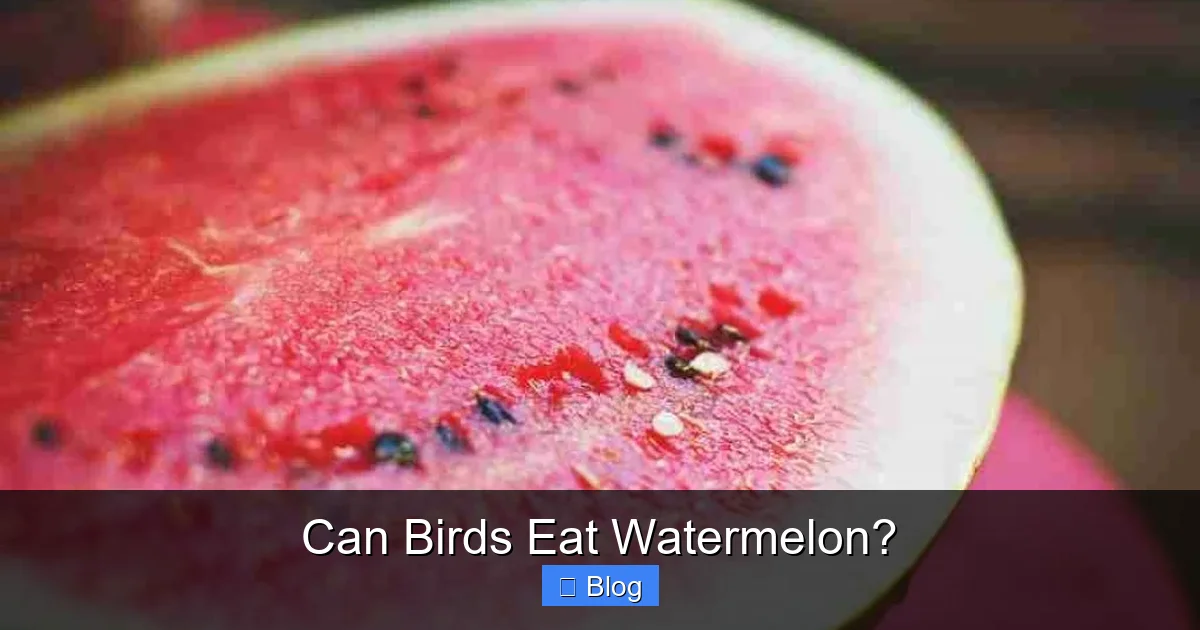
Yes, birds can eat watermelon, and it can be a healthy, hydrating treat when offered correctly. It’s packed with vitamins and water, making it a refreshing snack, especially during warmer months. However, always ensure you remove the seeds and rind, and offer it in moderation to prevent digestive upset or an imbalance in their diet.
Can Birds Eat Watermelon?
Picture this: it’s a scorching summer day, and you’re enjoying a cool, juicy slice of watermelon. Its vibrant red flesh and refreshing sweetness are just what you need to beat the heat. As you savor each bite, you might notice a curious pair of eyes watching you from a nearby tree or perch. Your feathered friend, be it a wild cardinal or your beloved pet parakeet, seems to be intrigued by your colorful snack. This common scene often sparks a very natural question: “Can birds eat watermelon?”
The good news is, for most birds, the answer is a resounding yes! Watermelon can be a delightful and healthy treat for our avian companions, offering a burst of hydration and a handful of beneficial nutrients. However, like with any human food shared with pets or wildlife, there are important guidelines and precautions to follow to ensure their safety and well-being. It’s not just about tossing them a piece; it’s about knowing *how* to offer it, *what* parts are safe, and *how much* is appropriate.
In this comprehensive guide, we’ll dive deep into the world of watermelon and birds. We’ll explore the nutritional benefits, discuss the parts to avoid, provide practical tips for safe serving, and address common concerns. By the end, you’ll feel confident in treating your feathered friends to this summer delight, ensuring they enjoy it as much as you do, safely and healthily. So, let’s peel back the rind and find out all there is to know about birds and watermelon!
Key Takeaways
- Yes, in Moderation: Watermelon is generally safe and beneficial for most birds when given as an occasional treat and not as a primary food source.
- Remove Seeds and Rind: Always scoop out the seeds and remove the tough rind before offering watermelon to birds to prevent choking hazards and potential digestive issues.
- Excellent Hydration: Due to its high water content, watermelon is a fantastic source of hydration for birds, particularly during hot weather.
- Nutrient-Rich Treat: Watermelon provides beneficial vitamins (A, C) and minerals, supporting overall bird health and immunity.
- Observe and Offer Sparingly: Introduce watermelon slowly and in small amounts. Monitor your birds for any adverse reactions and ensure it’s a small part of a balanced diet.
- Hygiene is Key: Always remove any uneaten watermelon promptly (within a few hours) to prevent spoilage, mold growth, and attracting pests.
Quick Answers to Common Questions
Can baby birds eat watermelon?
It’s generally not recommended to feed watermelon to very young baby birds. Their delicate digestive systems are best suited for specialized formula or food provided by their parents or a rehabilitator.
Is seedless watermelon safe for birds?
Yes, seedless watermelon is even safer for birds as it eliminates the choking hazard posed by black seeds, though you should still remove any tiny, undeveloped white seeds if present.
How often can I give my pet bird watermelon?
Watermelon should be an occasional treat, perhaps 2-3 times a week, and in very small quantities, making up no more than 10% of their daily diet.
Can the white part of watermelon (close to the rind) be given to birds?
No, the white part near the rind is tough and fibrous, offering little nutritional value while being difficult for birds to digest. Stick to the red or pink flesh.
Will watermelon attract pests to my bird feeder?
Yes, any fresh fruit can attract insects like ants, wasps, and flies, as well as rodents. To minimize this, offer small amounts and remove uneaten fruit within a few hours, especially in warm weather.
📑 Table of Contents
The Sweet Truth: Can Birds Eat Watermelon?
When you ask, “Can birds eat watermelon?”, the answer is generally affirmative for most species, both wild and domesticated. This popular summer fruit is largely composed of water, making it an excellent source of hydration, especially during warmer months when natural water sources might be scarce or less appealing. Beyond hydration, watermelon also contains several vitamins and minerals that can contribute to a bird’s overall health.
Is Watermelon Safe for Birds?
Yes, the flesh of a ripe watermelon is considered safe for birds. It does not contain any known toxic compounds that would harm them. However, safety largely depends on proper preparation. The key is to offer the correct parts of the fruit and in appropriate quantities. Just like with any new food introduced to their diet, observation is crucial to ensure your specific bird tolerates it well.
Why Offer Watermelon to Birds?
Offering watermelon can be a wonderful way to diversify a bird’s diet and provide an enriching experience. For wild birds, a small piece of watermelon placed in a suitable feeder can attract various species, from finches and robins to orioles and jays, especially in hot, dry climates. For pet birds, it serves as an exciting and refreshing treat, breaking the monotony of their regular seed or pellet diet and offering a juicy texture they might enjoy. It’s not just a treat; it’s a source of enjoyment and engagement.
Nutritional Benefits of Watermelon for Birds
Beyond its refreshing taste and high water content, watermelon actually packs a decent nutritional punch that can benefit birds. While it shouldn’t replace their primary diet, it can certainly complement it as a supplemental food. Understanding these benefits helps us appreciate why answering “can birds eat watermelon?” is met with enthusiasm.
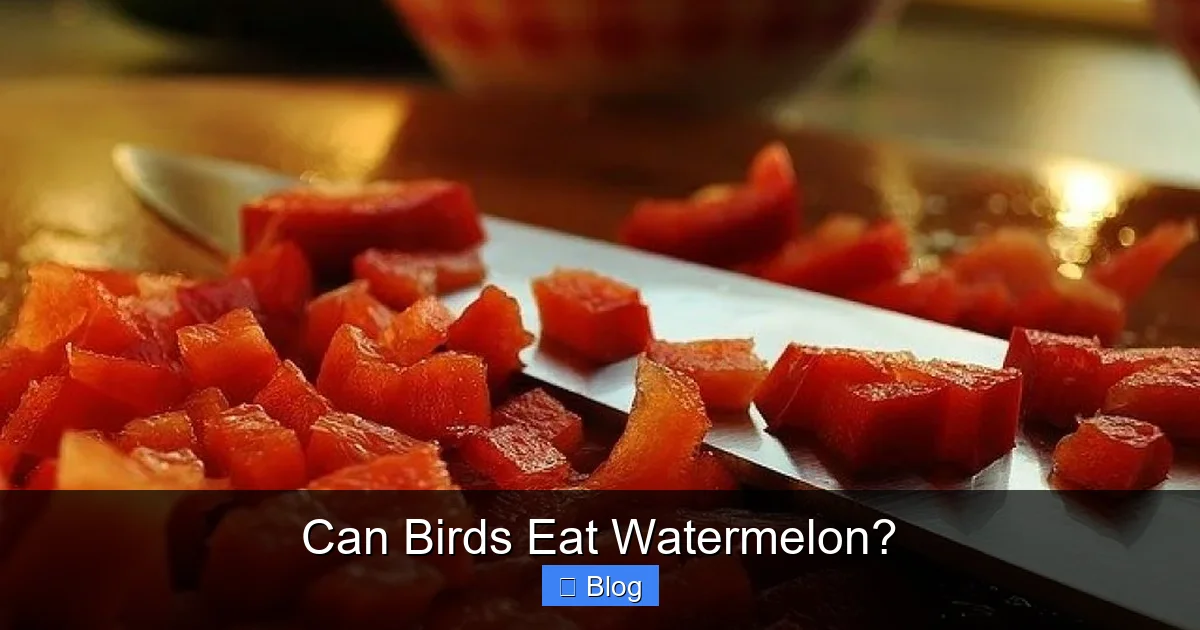
Visual guide about Can Birds Eat Watermelon?
Image source: birdfeederexpert.com
Hydration Powerhouse
Watermelon lives up to its name, being approximately 92% water. This makes it an unparalleled source of hydration. For birds, especially those in arid environments or during heatwaves, this can be incredibly beneficial. Proper hydration is vital for all bodily functions, including nutrient transport, temperature regulation, and waste elimination. Offering watermelon can help prevent dehydration, which can be a serious health risk for birds.
Vitamins and Minerals Galore
While not a complete nutritional source, watermelon provides several important vitamins and minerals:
- Vitamin C: An antioxidant that supports the immune system and helps protect cells from damage. Just like humans, birds can benefit from a Vitamin C boost.
- Vitamin A (in the form of Beta-Carotene): Crucial for good vision, immune function, and healthy skin and feathers. The redder the watermelon, the higher its beta-carotene content.
- Potassium: An essential electrolyte that helps maintain proper fluid balance, nerve function, and muscle contraction.
- Lycopene: A powerful antioxidant, especially abundant in ripe watermelon. Lycopene gives watermelon its characteristic red color and is known for its potential to support heart health and reduce inflammation.
These nutrients, while present in smaller quantities compared to a bird’s staple diet, can still offer valuable support to their overall health and vitality.
How to Safely Prepare and Serve Watermelon to Birds
Knowing that “can birds eat watermelon?” is a ‘yes’ is only half the battle. The other half is ensuring you prepare and serve it in a way that is safe and beneficial for them. Proper preparation is key to preventing potential health hazards.
Choosing the Right Watermelon
Always opt for fresh, ripe, organic watermelon if possible, to minimize exposure to pesticides. Wash the outside of the watermelon thoroughly before cutting, even if you plan to remove the rind, to prevent any surface contaminants from transferring to the edible flesh.
Crucial Preparation Steps: No Seeds, No Rind!
This is perhaps the most important rule when feeding watermelon to birds:
- Remove All Seeds: Watermelon seeds, especially the black ones, can pose a choking hazard for smaller birds. While they might pass through larger birds, it’s best to err on the side of caution. Even seedless varieties can sometimes have undeveloped white seeds, which are generally harmless but it’s still good practice to remove them or ensure they are soft and very small.
- Remove the Rind: The green rind of the watermelon is tough, fibrous, and difficult for birds to digest. It offers no nutritional value and could lead to digestive upset or impaction. Always scoop out only the red or pink flesh.
Serving Suggestions and Portions
Once you have seedless, rind-free watermelon flesh, cut it into small, manageable pieces. For small pet birds like parakeets or finches, tiny pea-sized cubes are perfect. For larger birds like parrots or jays, slightly larger chunks are fine. You can also offer a small slice or wedge of the flesh itself, allowing them to peck at it.
Remember, watermelon should always be offered as a treat, not a meal replacement. A good rule of thumb is to limit treats to about 10% of their daily food intake. For most birds, a few small pieces a few times a week is plenty.
Placement and Hygiene
For pet birds, offer watermelon in a clean, separate dish from their regular food and water bowls. For wild birds, place it in a clean platform feeder or a feeder specifically designed for fruit. Do not place it directly on the ground, as this can attract pests and promote the spread of bacteria.
Watermelon spoils quickly, especially in warm weather. Remove any uneaten watermelon within a few hours (2-3 hours is ideal) to prevent bacterial growth, mold, and attracting unwanted insects or rodents. Always clean the feeder or dish thoroughly after removal.
What Parts of Watermelon Should Birds Avoid?
While the flesh of watermelon is generally safe and healthy, there are specific parts and considerations to keep in mind that are best avoided when feeding birds. Understanding these distinctions is vital for answering “Can birds eat watermelon?” responsibly.
The Seeds: A Choking Hazard
As mentioned, the black, mature seeds of a watermelon can be a significant choking hazard, particularly for smaller bird species. While some larger birds might be able to crack them, it’s an unnecessary risk. Even if they don’t choke, the seeds can be difficult to digest and potentially cause internal blockages or discomfort. Opt for seedless watermelon if available, or diligently remove all visible seeds from regular watermelon.
The Rind: Indigestible and Potentially Harmful
The tough, fibrous green rind is indigestible for birds. Their digestive systems are not equipped to break down such tough plant material efficiently. Eating the rind can lead to digestive upset, impaction, or simply pass through without any nutritional benefit, potentially causing discomfort. Always scoop out only the soft, edible flesh.
Too Much Sugar Content
Watermelon is naturally high in sugars. While these are natural sugars, excessive intake can lead to several problems for birds, including:
- Weight Gain: Too many sugary treats can lead to obesity, which brings a host of health issues like liver disease and reduced lifespan.
- Digestive Upset: Large quantities of fruit, particularly sugary ones, can cause diarrhea or other digestive issues due to their sensitive systems.
- Nutritional Imbalance: If birds fill up on watermelon, they might not eat enough of their staple diet, leading to deficiencies in essential nutrients.
Moderation is absolutely key. Think of watermelon as a special treat, not a dietary staple.
Which Birds Can Enjoy Watermelon?
Many different types of birds can safely enjoy watermelon, but their preferences and needs might vary. Knowing which birds are more likely to appreciate this juicy snack can enhance your bird-feeding experience.
Wild Birds That Love Watermelon
A wide array of wild birds are known to be attracted to fruit, and watermelon is no exception. Some common visitors to fruit feeders that might enjoy a piece of watermelon include:
- Orioles: Often among the first to discover and enjoy fruit.
- Robins: Known fruit-eaters, they’ll appreciate the moisture.
- Jays: Curious and omnivorous, jays will typically sample new offerings.
- Mockingbirds: Love fruit and can be frequent visitors.
- Finches: Smaller finches might peck at the softer parts for hydration.
- Woodpeckers: Some species of woodpeckers, particularly those that enjoy suet and nuts, will also sample fruit.
Remember that local species and their diets can vary, so observe your backyard visitors to see who takes a liking to the watermelon.
Pet Birds and Watermelon
Most common pet bird species can also enjoy watermelon as a treat:
- Parakeets (Budgies): Small pieces, carefully deseeded, are a refreshing treat.
- Cockatiels: They often enjoy the juicy texture.
- Conures and Amazons: Larger parrots will happily munch on larger chunks.
- Cockatoos: Appreciate variety and will usually enjoy fruit.
- African Greys: Can be picky, but many enjoy fresh fruit like watermelon.
Always introduce new foods slowly to pet birds and monitor their reaction. Every bird is an individual, and some might simply not be interested.
Important Considerations and Best Practices
To fully ensure that “can birds eat watermelon?” leads to a positive experience, a few final best practices should be kept in mind.
Moderation, Always Moderation
This cannot be stressed enough. Watermelon, despite its benefits, should never form a significant portion of a bird’s diet. It’s a treat, a supplement, and a source of hydration. Overfeeding can lead to nutritional deficiencies, digestive upset, and an unhealthy reliance on sugary foods.
Introduce Slowly
When offering watermelon for the first time, start with a very small amount. Observe your bird closely for any signs of discomfort, changes in droppings, or disinterest. If they react well, you can continue to offer it occasionally.
Offer Variety
While watermelon is great, don’t let it be the only fruit or vegetable you offer. A diverse diet is crucial for a bird’s health. Offer a range of bird-safe fruits (like berries, apples, melons) and vegetables (like leafy greens, carrots, bell peppers) to ensure they get a wide spectrum of nutrients.
Keep it Fresh and Clean
As emphasized earlier, hygiene is paramount. Remove uneaten watermelon promptly. Clean all feeders and dishes regularly to prevent the growth of bacteria, mold, and mildew, which can be harmful to birds. A clean feeding environment is just as important as the food itself.
Consult Your Avian Vet
If you have a pet bird with specific health concerns or a specialized diet, always consult with an avian veterinarian before introducing new foods like watermelon. They can provide personalized advice based on your bird’s individual needs.
So, the next time you find yourself enjoying a slice of juicy watermelon, you can confidently share a small, properly prepared piece with your feathered friends. It’s a safe, refreshing, and nutritious treat that many birds will appreciate, adding a little extra sweetness and hydration to their lives. Just remember the simple rules: no seeds, no rind, and always in moderation. Happy bird feeding!
🎥 Related Video: Parrot Eat watermelon🍉🍉 #parrots #mitho #parrotshorts
📺 Village Parrot
Frequently Asked Questions
What are the primary benefits of feeding watermelon to birds?
Watermelon is an excellent source of hydration due to its high water content, which is especially beneficial in hot weather. It also provides vitamins A and C, along with antioxidants like lycopene, supporting overall health and immune function in moderation.
Are there any specific types of birds that should not eat watermelon?
While most birds can safely eat watermelon, it’s not suitable for baby birds or birds with specific health conditions that require a very restricted diet, such as those with diabetes or obesity, unless cleared by an avian vet. Always introduce new foods cautiously.
How should I store watermelon for my birds?
Once cut, store any leftover, properly prepared watermelon flesh in an airtight container in the refrigerator. Before offering it to birds, allow it to come to room temperature to avoid upsetting their digestive system with very cold food.
Can watermelon be a substitute for water for birds?
No, while watermelon provides excellent hydration, it should never fully replace fresh, clean drinking water. Birds still need a consistent source of water for drinking and bathing, even when offered hydrating fruits.
What should I do if my bird eats watermelon seeds or rind by accident?
If your bird accidentally ingests a small amount of seed or rind, observe them closely. Look for signs of distress, choking, vomiting, or changes in droppings. For small amounts, they might pass it without issue, but if you’re concerned or if symptoms appear, contact an avian veterinarian immediately.
Besides watermelon, what other fruits are safe for birds?
Many other fruits are safe for birds, including berries (blueberries, raspberries, strawberries), apples (without seeds), melon (cantaloupe, honeydew), grapes, oranges, and bananas. Always offer fruits in moderation, remove seeds/pits where necessary, and ensure they are fresh and clean.