
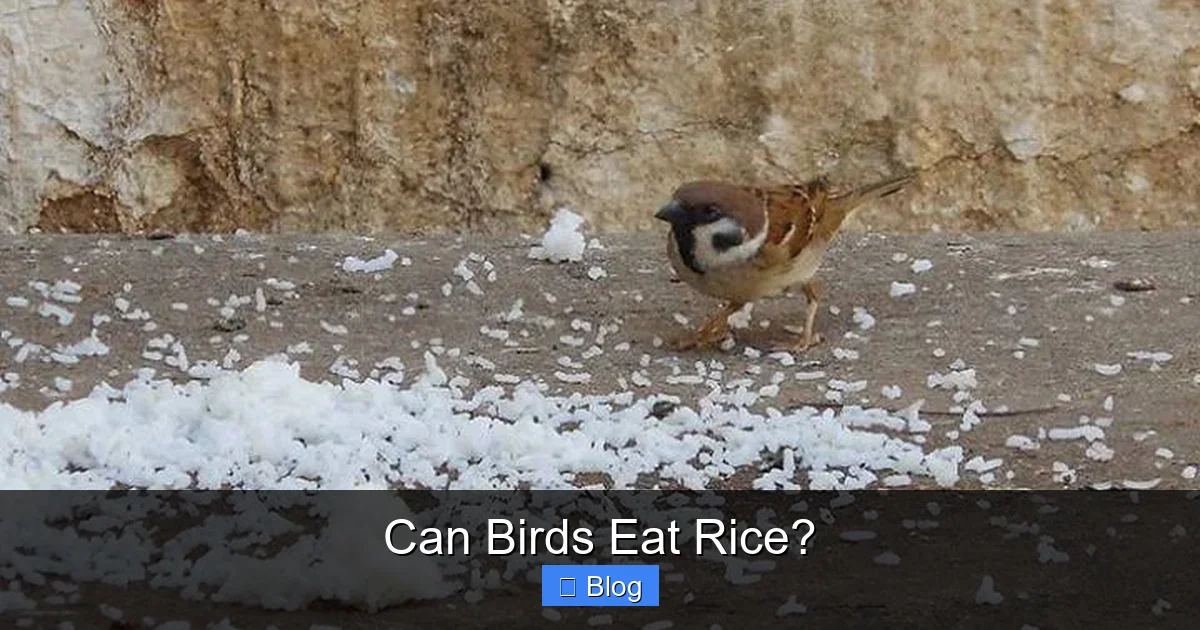
Yes, birds can eat rice, and the widely spread myth that uncooked rice expands in their stomachs and causes harm is completely false. Both cooked and uncooked rice, in moderation, can be a safe and even beneficial addition to a bird’s diet, offering valuable carbohydrates and energy. However, it’s crucial to offer it plain, unseasoned, and in appropriate forms to ensure their well-being and supplement, not replace, their natural diet.
Ah, the age-old question that has sparked countless debates, fueled urban legends, and even influenced wedding traditions: “Can birds eat rice?” For generations, many of us have heard the cautionary tale that throwing rice at weddings is harmful to birds, leading to the belief that uncooked rice expands inside their tiny stomachs, causing them to explode. It’s a dramatic image, isn’t it?
But what’s the real story? Is there any truth to this widely circulated myth, or is it just a well-intentioned but misguided piece of folklore? If you’ve ever wondered about feeding your backyard feathered friends or even your beloved pet bird a little bit of rice, you’ve come to the right place. We’re here to scoop out the facts and sift through the fiction to give you a definitive answer.
The short answer is a resounding yes: birds can eat rice, and it’s generally safe for them. However, like with any food outside of their natural diet, there are best practices and important considerations to keep in mind. Let’s dive in and explore everything you need to know about offering rice to birds, ensuring their safety and well-being.
Key Takeaways
- The Myth is False: The widely believed notion that uncooked rice explodes or expands fatally in a bird’s stomach is a persistent urban legend with no scientific basis. Birds digest rice just like other grains.
- Cooked Rice is Safe and Beneficial: Plain, cooked rice (white, brown, wild) is perfectly safe for birds and can provide easily digestible carbohydrates and energy.
- Uncooked Rice is Also Safe: Birds can safely eat plain, uncooked rice. It’s a common ingredient in many commercial birdseed mixes and is nutritionally sound.
- Preparation is Key: Always offer rice plain, without any salt, spices, oils, butter, or other seasonings, as these can be toxic or harmful to birds.
- Moderation is Important: While safe, rice should only be offered as a supplementary treat. It lacks a complete spectrum of nutrients, so it should not be a primary food source.
- Types of Rice: White, brown, and wild rice are all acceptable. Opt for whole grain varieties when possible for added nutrients.
- Avoid Contaminants: Ensure any rice offered is fresh, free from mold, pesticides, or other chemical treatments.
Quick Answers to Common Questions
Can uncooked rice explode in a bird’s stomach?
No, this is a pervasive urban legend with no scientific basis. A bird’s digestive system, particularly its gizzard, is designed to grind hard grains like rice into tiny pieces, preventing any dangerous expansion.
Are all types of rice safe for birds?
Yes, white, brown, and wild rice are generally safe for birds, whether cooked or uncooked. The crucial factor is that the rice must be plain, without any seasonings, salt, butter, or other additives.
How should I prepare cooked rice for birds?
Cook rice thoroughly with just water, then let it cool completely to room temperature. Do not add any salt, spices, oils, or butter. Break up any clumps before offering it to birds.
Can wild birds eat rice?
Absolutely! Many wild birds, especially ground feeders like doves and sparrows, will readily eat plain cooked or uncooked rice scattered on the ground or in a tray feeder. Remember to offer it in small amounts.
How often can I feed rice to my pet bird?
Rice should only be offered as an occasional treat for pet birds, not a daily staple. A few grains a couple of times a week as part of a balanced diet of pellets, fresh fruits, and vegetables is generally sufficient.
📑 Table of Contents
The Great Rice Myth: Separating Fact from Fiction
Before we delve into the how-tos, let’s tackle the elephant in the room – the myth itself. The idea that uncooked rice is dangerous for birds is incredibly persistent. You might have seen signs at wedding venues requesting alternatives to rice, all stemming from this popular belief. But where did it come from, and why does it stick around?
Where Did the Myth Come From?
The exact origin of the rice myth is a bit hazy, but it gained significant traction in the 1980s. A popular columnist, Dear Abby, published a letter in her syndicated column where a reader claimed uncooked rice would harm birds. The letter suggested that once ingested, rice would absorb water, swell, and cause birds to explode. This highly sensationalized claim quickly spread like wildfire, becoming a common piece of “bird lore.” While Dear Abby later retracted the advice, stating it was incorrect, the damage was already done, and the myth had taken root deeply in public consciousness.
The Scientific Reality
From a scientific standpoint, the myth simply doesn’t hold up. Birds, like all animals, have digestive systems designed to break down and process food. Their gizzards, powerful muscular organs, are specifically adapted to grind hard foods like seeds and grains, including rice. When a bird eats uncooked rice, it’s ground down into tiny pieces long before it ever reaches a point where it could expand dangerously. Furthermore, the amount of expansion that occurs when rice absorbs water is not sufficient to cause any internal damage, especially to a bird’s highly efficient digestive tract. Birds regularly consume various grains and seeds that absorb water, and none cause them harm. So, rest assured, throwing rice at a wedding won’t harm the local bird population.
Is Cooked Rice Safe for Birds?
Now that we’ve debunked the main myth, let’s talk about cooked rice. This is perhaps the safest and most easily digestible form of rice you can offer to your feathered friends.
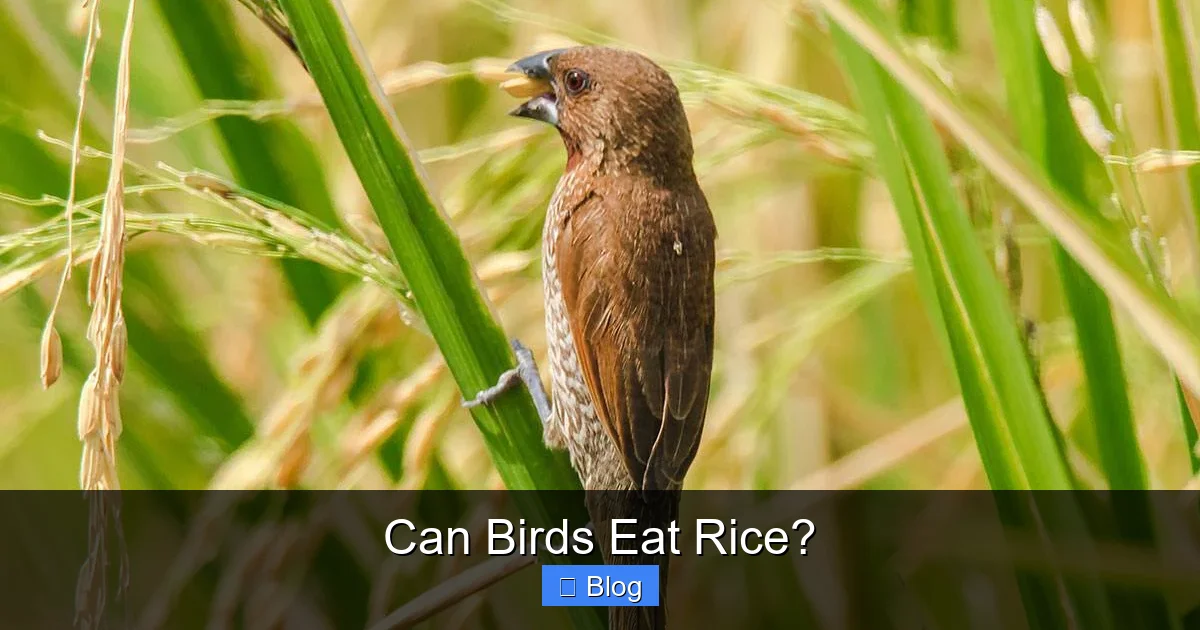
Visual guide about Can Birds Eat Rice?
Image source: birdbonica.com
Benefits of Cooked Rice
Cooked rice, particularly brown or whole grain rice, offers several benefits for birds. It’s an excellent source of carbohydrates, providing readily available energy. This can be especially helpful during colder months when birds need more calories to stay warm, or during nesting season when parents are expending a lot of energy. It’s also relatively easy for birds to digest because the cooking process breaks down starches, making the nutrients more accessible.
- Energy Boost: Provides quick energy for active birds.
- Easy Digestion: Soft texture makes it simple for birds, including younger ones, to consume and digest.
- Hydration: Cooked rice contains water, which can contribute to hydration.
How to Prepare Cooked Rice for Birds
If you decide to offer cooked rice, preparation is absolutely crucial for the birds’ safety. Here’s how to do it right:
- Plain is Best: Always cook the rice plain. That means no salt, no butter, no oil, no spices, no sauces, and no other seasonings. Many common human seasonings, especially salt, garlic, and onion, are toxic to birds.
- Cook Thoroughly: Ensure the rice is fully cooked until it’s soft. Birds generally prefer softer textures, and it aids in digestion.
- Cool Completely: Let the cooked rice cool down to room temperature before offering it to birds. Hot food can burn their delicate mouths and digestive tracts.
- Break it Up: If the rice is clumpy, gently break it apart to make it easier for birds to pick up individual grains.
- Small Portions: Offer only small amounts at a time. Leftover cooked rice can spoil quickly, especially in warm weather. Remove any uneaten rice within a few hours to prevent bacterial growth and mold.
You can offer any type of cooked rice – white, brown, or wild rice are all good choices, provided they are plain.
Can Birds Eat Uncooked Rice? Debunking Another Myth
We’ve already established that the “exploding bird” myth is false. So, it logically follows that uncooked rice is also safe for birds to eat. In fact, many commercial birdseed mixes often contain some form of uncooked rice or rice by-products.
Why Uncooked Rice is Generally Safe
Birds, especially ground-feeding birds like doves, sparrows, and pheasants, are perfectly capable of consuming and digesting uncooked rice. Their gizzards are incredibly robust and designed to break down hard, raw grains and seeds. The process of grinding in the gizzard, combined with digestive enzymes, ensures that uncooked rice is processed safely without any internal expansion issues.
- Natural Diet: Many wild birds naturally forage for various grains and seeds, including fallen rice grains in agricultural areas.
- Gizzard Power: Their specialized digestive system handles hard grains with ease.
- Nutrient Retention: Uncooked rice retains all its original nutrients, though they may be less bioavailable than in cooked forms.
Best Practices for Offering Uncooked Rice
While uncooked rice is safe, there are still a few guidelines to follow:
- Plain and Unseasoned: Just like with cooked rice, never offer uncooked rice that has been seasoned, salted, or flavored in any way.
- Fresh and Dry: Ensure the rice is fresh and completely dry. Damp rice can quickly grow mold, which is very harmful to birds.
- Clean Source: Make sure the rice hasn’t been treated with pesticides or other chemicals. Opt for organic if you’re concerned.
- Ground Feeder Friendly: Uncooked rice is best offered on a tray feeder or scattered on the ground (in a clean, safe area) for ground-feeding birds. It’s too fine for most hanging feeders designed for larger seeds.
- Small Amounts: Offer only a small quantity at a time. It can attract pests if left out in large amounts.
What Kinds of Rice Are Best for Birds?
When considering what type of rice to offer, you have a few options, each with its own slight nutritional profile. The most important rule, regardless of type, is that it must be plain.
White Rice vs. Brown Rice
Both white and brown rice are acceptable for birds. However, there’s a nutritional difference worth noting:
- White Rice: This is refined rice, meaning the hull, bran, and germ have been removed. It’s primarily a source of carbohydrates (energy). It’s easy to digest.
- Brown Rice: This is a whole grain, meaning only the outer hull is removed, leaving the bran and germ intact. Brown rice contains more fiber, B vitamins, and minerals compared to white rice. For this reason, brown rice is often considered the slightly healthier option, offering a broader range of nutrients.
Whether cooked or uncooked, brown rice can be a more wholesome choice due to its higher nutritional content. Birds will readily eat both.
Wild Rice and Other Varieties
Wild rice is actually a semi-aquatic grass seed, not a true rice, but it’s often categorized with rice due to its similar appearance and culinary uses. It is also safe for birds, both cooked and uncooked, and offers a good source of fiber, protein, and minerals. Its tougher texture when uncooked makes it more suitable for birds with strong gizzards.
Other rice varieties like basmati, jasmine, or arborio are also safe, provided they are offered plain. The key is always the absence of additives.
Rice Products to Avoid
While plain rice is safe, many rice-based human foods are not suitable for birds. Avoid:
- Instant Rice: While not necessarily harmful, instant rice often contains additives or flavorings and offers less nutritional value.
- Seasoned Rice Mixes: These often contain high levels of salt, sugar, preservatives, and other ingredients toxic to birds.
- Rice Cakes: Unless they are plain and unsweetened, rice cakes often contain added salt, sugar, and other unhealthy ingredients.
- Fried Rice: High in oil, salt, and other seasonings, fried rice is definitely off-limits.
- Rice Pudding: Full of sugar, milk (which birds can’t digest well), and other ingredients not suitable for birds.
How to Safely Offer Rice to Wild Birds and Pet Birds
Whether you’re feeding your backyard visitors or your pet parakeet, the principles of offering rice safely remain largely the same, but with slight adjustments for their environment.
For Wild Birds
Wild birds often appreciate a little extra sustenance, especially during harsh weather. Here’s how you can offer rice:
- Scattered on the Ground: For ground-feeding birds like sparrows, doves, and juncos, simply scatter a small amount of plain, cooked, or uncooked rice on a clean patch of ground or a low, flat tray feeder.
- Mixed with Seed: You can mix a small amount of uncooked rice with their regular birdseed mix in a ground feeder or tray feeder.
- Avoid Large Piles: Don’t put out large quantities. It can attract rodents and can spoil quickly, especially cooked rice. Only offer what they can eat in a few hours.
- Keep it Clean: Regularly clean any feeders or areas where you offer rice to prevent mold and bacterial growth.
For Pet Birds
Pet birds can also enjoy rice as an occasional treat. It can add variety to their diet, which is good for enrichment.
- Cooked is Best: For pet birds, plain, cooked rice is generally preferred. It’s softer and easier for them to manage.
- Small Portions: Offer a very small amount (a teaspoon or less, depending on bird size) as a treat, not a meal replacement.
- Mix with Chop: You can mix a few grains of cooked rice into their daily “chop” (a mix of finely diced vegetables and greens) or sprinkle it over their pellets.
- Supervision: Always supervise your pet bird when introducing new foods to ensure they don’t have any adverse reactions.
- Variety is Key: Remember that rice should be just one small part of a varied and balanced diet that includes high-quality pellets, fresh fruits, and vegetables.
Moderation is Key
It’s vital to emphasize that rice, while safe, should always be offered in moderation. Rice is primarily a source of carbohydrates and doesn’t offer a complete nutritional profile for birds. A bird’s diet needs a wide range of vitamins, minerals, proteins, and fats, which they get from a varied diet of seeds, nuts, insects, fruits, and vegetables.
Think of rice as a supplementary treat, not a staple. Overfeeding rice can lead to an unbalanced diet, potentially causing nutritional deficiencies over time. For wild birds, their primary food source should always be what they forage naturally, supplemented sparingly by responsible feeding.
Potential Risks and Important Considerations
Even though we’ve established that birds can eat rice safely, there are still a few potential risks and important considerations to keep in mind to ensure you’re feeding them responsibly.
Seasonings and Additives
This cannot be stressed enough: never feed birds rice that has been seasoned or prepared for human consumption with salt, sugar, oils, butter, spices (like garlic powder, onion powder, chili powder), or artificial flavorings. These ingredients are often toxic or harmful to birds, even in small quantities. Salt, for instance, can lead to dehydration and kidney problems. Always keep it plain.
Mold and Spoilage
Cooked rice is particularly susceptible to bacterial growth and mold, especially in warm, humid conditions. Uneaten cooked rice should be removed from feeders or the ground within a few hours to prevent birds from consuming spoiled food, which can cause severe digestive upset or illness. Even uncooked rice, if it becomes damp, can quickly develop mold. Always ensure rice is fresh and dry when offered, and remove any old or damp grains.
Choking Hazards (Less Common)
While generally safe, extremely large, sticky clumps of cooked rice *could* theoretically pose a minor choking risk for very small birds if they try to swallow an overly large piece. Breaking up cooked rice into individual grains mitigates this concern. Uncooked rice grains are small enough not to be a significant choking hazard for most birds.
A Balanced Diet
The biggest consideration is ensuring a balanced diet. Rice should never replace the diverse range of foods birds need. For wild birds, this means their natural forage of seeds, insects, fruits, and nectar. For pet birds, it means a high-quality pellet diet supplemented with fresh fruits, vegetables, and occasional safe treats like plain rice.
Always introduce new foods, including rice, in small amounts and observe the birds. If you notice any signs of distress or illness, discontinue feeding immediately and consult a veterinarian for pet birds.
Conclusion
So, can birds eat rice? Absolutely! The long-standing myth about uncooked rice causing harm to birds is just that – a myth. Both cooked and uncooked plain rice are perfectly safe for our feathered friends and can even offer a welcome energy boost.
However, the key to responsible bird feeding, whether it’s with rice or any other human food, lies in mindful preparation and moderation. Always offer rice plain, free from any seasonings, salts, or oils. Ensure it’s fresh, clean, and offered in small quantities as a supplementary treat, not a primary food source. By following these simple guidelines, you can confidently share a little bit of rice with the birds in your garden or your home, knowing you’re doing so safely and responsibly. Happy bird feeding!
🎥 Related Video: Can Birds Eat Rice? – Bird Watching Diaries
📺 Bird Watching Diaries
Can Birds Eat Rice? In this informative video, we’ll discuss the topic of birds and their relationship with rice. Many people wonder …
Frequently Asked Questions
Is brown rice better than white rice for birds?
Brown rice is generally considered slightly better for birds because it’s a whole grain, meaning it retains more fiber, B vitamins, and minerals compared to refined white rice. Both are safe, but brown rice offers a bit more nutritional value.
Can birds eat seasoned or flavored rice?
No, birds should never eat seasoned or flavored rice. Ingredients like salt, spices, oils, butter, and artificial additives commonly found in human rice dishes or mixes can be toxic or harmful to a bird’s delicate system.
Is rice commonly found in commercial birdseed mixes?
Yes, uncooked rice and rice by-products are often included as ingredients in various commercial birdseed mixes, especially those formulated for ground-feeding birds. This further supports that rice is a safe and acceptable food for them.
Can baby birds eat rice?
Young, unweaned baby birds should only be fed specialized hand-rearing formulas appropriate for their species, administered by an experienced caregiver. Older, weaned fledgling birds might sample very small amounts of soft, plain cooked rice, but their primary diet should be suitable for their age and species.
How much rice can I give to birds at one time?
Always offer rice in small quantities. For wild birds, scatter only a small handful; for pet birds, a teaspoon or less. This prevents spoilage, keeps the diet balanced, and avoids attracting unwanted pests.
Does rice provide good nutritional value for birds?
Rice primarily offers carbohydrates, providing a good source of energy for birds. While it has some vitamins and minerals, especially brown rice, it is not a complete food source and should always be considered a supplemental treat rather than a primary component of their diet.