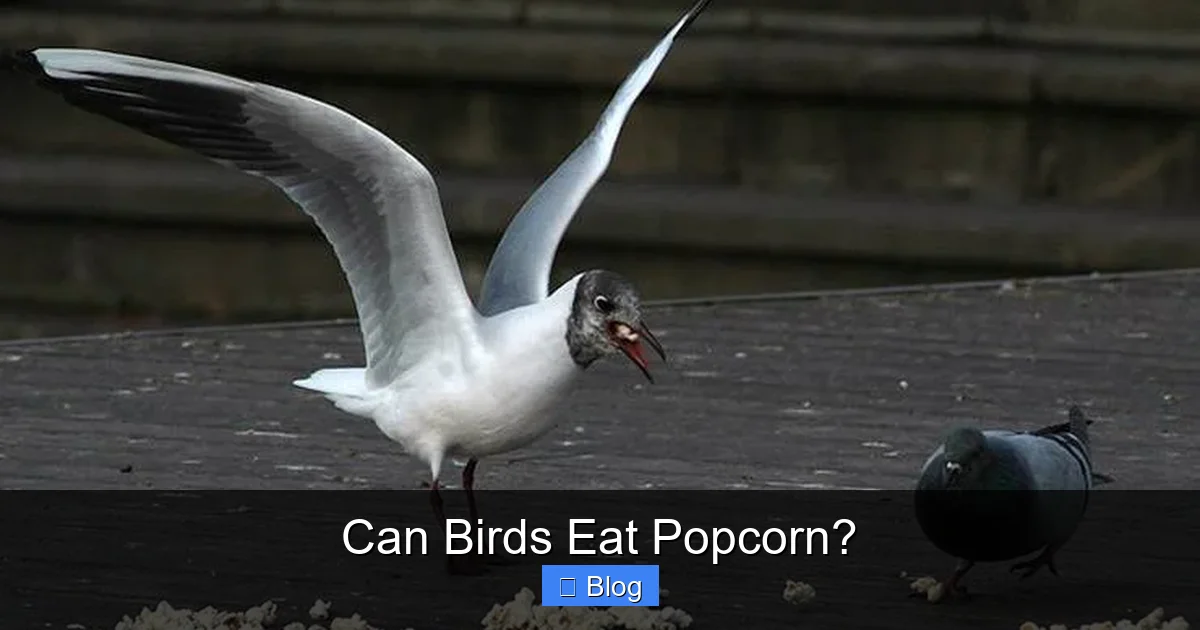
While plain, air-popped popcorn can be offered to birds as an extremely rare and small treat, it’s generally not recommended as a significant part of their diet. Most popcorn varieties, especially those with salt, butter, oil, or sugar, are harmful and can lead to serious health issues for both pet and wild birds. Prioritize a balanced diet of seeds, fruits, vegetables, and commercial bird food instead.
Have you ever settled down with a big bowl of buttery, salty popcorn for movie night, only to have your feathered friend chirp inquisitively from their perch? It’s natural to wonder if our beloved pets, or even the wild birds visiting our feeders, could enjoy a bite of our favorite human snacks. Popcorn, a ubiquitous treat, often sparks this curiosity. After all, it comes from corn, and birds eat corn, right?
The answer to “Can birds eat popcorn?” isn’t a simple yes or no. It’s more of a “yes, but with enough caveats to make you think twice.” While plain popcorn isn’t inherently toxic to birds, the vast majority of popcorn prepared for human consumption is absolutely off-limits and potentially very harmful. Navigating the nuances of bird nutrition can be tricky, but understanding what’s safe and what’s not is crucial for your bird’s health and well-being.
In this comprehensive guide, we’ll dive deep into the world of popcorn and avian diets. We’ll explore the potential risks associated with common popcorn additives, discuss the very specific conditions under which popcorn might be considered “safe” (spoiler: it’s rare and restrictive!), and offer healthier alternatives. Our goal is to equip you with the knowledge to make the best dietary choices for your feathered companions, ensuring they lead long, healthy, and happy lives.
Key Takeaways
- Plain is Paramount: Only air-popped, unseasoned, unsalted, unbuttered, and unoiled popcorn should ever be considered for birds.
- Additives are Toxic: Salt, butter, sugar, cheese, and artificial flavors found in most human popcorn are highly detrimental to a bird’s health and can be toxic.
- Nutritional Deficiencies: Even plain popcorn offers very little nutritional value for birds and can be considered an “empty calorie” snack, potentially displacing more nutritious foods.
- Choking and Digestive Risks: Larger pieces, the tough hull, and especially unpopped kernels can pose choking hazards or lead to crop impaction and digestive problems.
- Moderation is Key (If at All): If you choose to offer plain popcorn, it must be an extremely rare and tiny treat, not a regular snack, to prevent nutritional imbalances or health issues.
- Better Alternatives Exist: Fruits, vegetables, seeds, and commercial bird mixes provide far superior nutrition and are much safer for birds than popcorn.
- Consult a Vet: If you have any concerns about your bird’s diet or health, always consult an avian veterinarian for personalized advice.
Quick Answers to Common Questions
Can birds eat salted popcorn?
No, absolutely not. Salt is highly toxic to birds, even in small amounts, and can lead to severe health problems like dehydration, kidney failure, and neurological issues.
Is microwave popcorn safe for birds?
No, microwave popcorn is never safe for birds. It almost always contains harmful oils, excessive salt, artificial flavors, and preservatives that are detrimental to a bird’s health.
Can small birds like parakeets eat popcorn?
It is generally not recommended for small birds like parakeets. While they might peck at it, the risks of choking on larger pieces, digestive issues from the hull, and the minimal nutritional value make it an unsuitable treat.
What are the safest ways to prepare popcorn for birds?
The only potentially safe way is to air-pop it completely plain, without any oil, butter, salt, sugar, or seasonings. It must then be fully cooled and broken into tiny pieces, with all unpopped kernels removed.
How often can I give my bird plain popcorn?
Even plain, air-popped popcorn should be an extremely rare treat, if at all. It provides very little nutrition and should not be a regular part of their diet, perhaps once every few months at most, in a very tiny amount.
📑 Table of Contents
The Nutritional Value (or Lack Thereof) of Popcorn for Birds
Let’s start by looking at what popcorn actually is and what it offers nutritionally. Understanding this foundation is key to appreciating why it’s not a go-to bird food.
What is Popcorn, Really?
At its core, popcorn is simply a specific variety of corn kernel. When heated, the moisture inside the kernel turns to steam, causing it to explode and puff up. This process transforms a hard, small kernel into a fluffy, edible snack. Birds, both wild and domestic, do consume corn in its various forms, so it seems like a logical leap to assume popcorn would be fine. However, the *processing* and *preparation* make all the difference.
Core Nutrients in Plain Popcorn
A plain, air-popped popcorn kernel is primarily composed of carbohydrates, with some dietary fiber and a small amount of protein. It contains trace amounts of B vitamins and minerals like magnesium and phosphorus. On its own, it’s not particularly rich in the broad spectrum of vitamins, minerals, and amino acids that birds require for a balanced diet. Think of it as an “empty calorie” snack – it fills you up without providing significant nutritional benefits. For birds, who have specific and often high metabolic demands, relying on such a food source would quickly lead to deficiencies.
The Problem with Additives
Here’s where the real trouble begins. The way most humans enjoy popcorn is precisely what makes it dangerous for birds.
* Salt: Our taste buds love it, but birds’ tiny bodies cannot process high levels of sodium. Even a small amount of salt can lead to dehydration, kidney problems, neurological issues, and even death.
* Butter and Oil: Added fats, whether from butter or cooking oils, can lead to obesity, liver disease, and pancreatitis in birds. Their digestive systems are not designed to handle such high fat content.
* Sugar: Sweetened popcorn or caramel corn is a definite no-no. Birds do not need processed sugars, which can cause digestive upset, hyperactivity, and contribute to obesity and other metabolic issues.
* Artificial Flavors and Preservatives: These chemical additives are simply not natural food sources for birds and can be toxic, causing various adverse reactions or long-term health problems.
Safe Popcorn: What Kind Can Birds Potentially Eat?
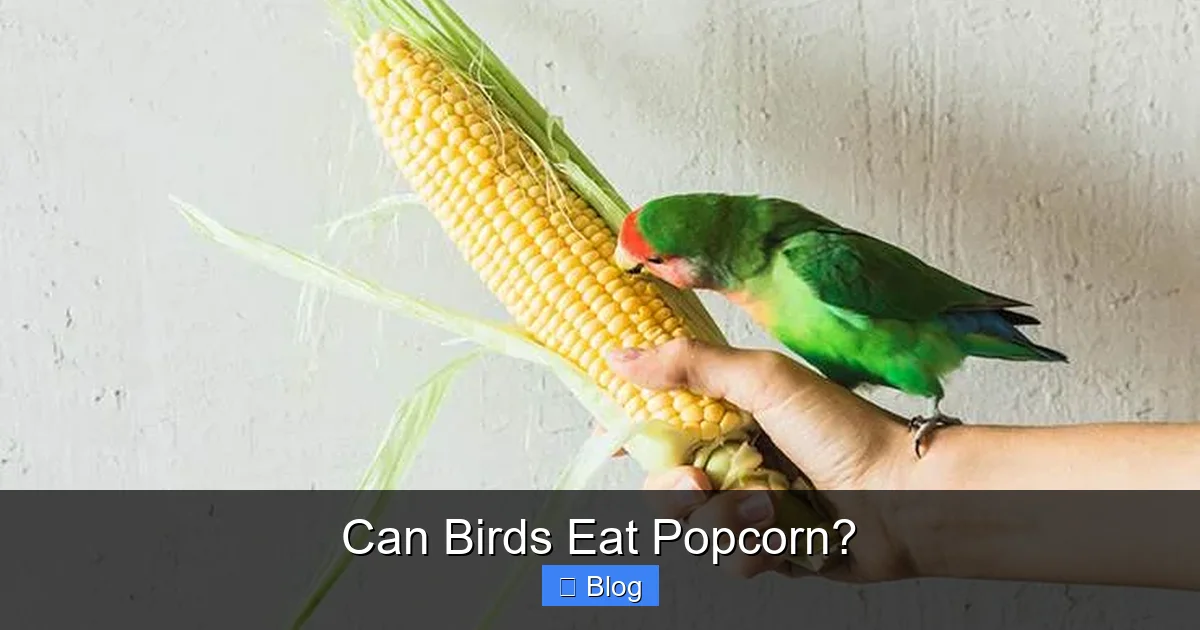
Visual guide about Can Birds Eat Popcorn?
Image source: birdbonica.com
If you’re absolutely determined to offer popcorn to your bird, the preparation must adhere to extremely strict guidelines. There is only one type of popcorn that is even remotely acceptable, and even then, it comes with significant cautions.
Air-Popped is Key
The only acceptable form of popcorn is plain, air-popped popcorn. This means no oil was used in the popping process. Microwave popcorn, even if it claims to be “light,” often contains oils, artificial flavors, and preservatives that are harmful to birds. A traditional stovetop method using oil is also out. An air popper is the safest way to prepare it.
Absolutely No Seasonings
This point cannot be stressed enough. Once popped, the popcorn must remain entirely unseasoned. That means:
* No Salt: Not even a tiny pinch.
* No Butter or Margarine: Zero fat.
* No Sugar, Caramel, or Chocolate: All are harmful.
* No Cheese Powder or Spices: Avoid anything added for human taste.
The popcorn should be just the puffed-up corn kernel, nothing more. It should also be fully cooled before offering it to a bird.
Unpopped Kernels: A Choking Hazard
Many people overlook the dangers of unpopped kernels. These hard, small kernels are a significant choking hazard for birds. They can also cause crop impaction, a serious condition where the crop (a pouch in a bird’s throat used for food storage) becomes blocked. Always ensure that any popcorn offered has been thoroughly checked for and cleared of any unpopped kernels.
Popcorn Size and Texture
Once you have plain, air-popped, unseasoned popcorn, you still need to prepare it. Break the larger pieces into small, manageable fragments to reduce the risk of choking. The airy texture is generally easy for birds to eat, but the hull (the outer part of the kernel) can sometimes be tough for smaller birds to digest.
Why Popcorn Isn’t an Ideal Bird Food (and Potential Risks)
Even when prepared “safely” (i.e., plain and air-popped), popcorn still carries risks and is far from an ideal food source for birds. Let’s delve into why.
High Sodium Content (Even in “Plain” Corn)
While you wouldn’t *add* salt, it’s worth noting that even natural corn contains some sodium. While minimal, for a bird with a very small body weight, any excess can be problematic. The biggest danger, however, comes from *added* salt, which is why strict adherence to “no salt” is crucial.
Fat Overload
As mentioned, butter and oils are devastating to a bird’s health. They can quickly lead to:
* Obesity: Birds gain weight rapidly from high-fat foods.
* Fatty Liver Disease (Hepatic Lipidosis): A common and often fatal condition in captive birds, largely due to poor diet, including high-fat snacks.
* Pancreatitis: Inflammation of the pancreas, which can be extremely painful and dangerous.
Digestive Issues
The hull of the popcorn kernel, even when popped, can be tough and fibrous. For smaller birds, or birds with sensitive digestive systems, this can be difficult to digest, potentially leading to gastrointestinal upset, discomfort, or even impaction if consumed in larger quantities.
Choking Hazards and Crop Impaction
This is a critical concern. Any piece of food too large for a bird to easily swallow can become lodged in its throat, leading to choking. Unpopped kernels are particularly dangerous due to their hardness and size. Crop impaction occurs when indigestible material or overly large pieces of food block the crop, preventing food from moving into the digestive tract. This is a veterinary emergency.
Nutritional Imbalance
Perhaps the most fundamental reason popcorn is not a good bird food is its lack of comprehensive nutrition. It’s essentially an empty calorie snack. If a bird fills up on popcorn, it’s less likely to consume the nutrient-dense foods it needs, such as a variety of fresh fruits, vegetables, seeds, and specialized pellets. This can lead to vitamin and mineral deficiencies over time, compromising its immune system and overall health.
How to Safely Offer Popcorn (If You Absolutely Must)
After understanding all the caveats, if you still feel compelled to share a tiny bit of plain popcorn with your bird, here’s how to do it in the safest possible way. But remember, this should be a rare exception, not a routine.
As an Occasional Treat Only
Popcorn should *never* be a staple or even a regular part of a bird’s diet. Think of it as a once-in-a-blue-moon treat – perhaps a tiny piece once every few months, if at all. Its nutritional value is so low that frequent feeding offers no benefit and only increases potential risks.
Preparation is Crucial
Reiterate the steps:
1. Air-Pop: Use an air popper. No oil, no microwave bags.
2. Plain: Absolutely no salt, butter, sugar, or other seasonings.
3. Cool: Ensure it’s completely cooled to room temperature before offering.
4. Break into Small Pieces: Crush or break larger pieces into tiny fragments that are easy for your bird to handle and swallow without choking.
5. Inspect for Unpopped Kernels: Diligently remove all hard, unpopped kernels.
Suitable Bird Species
Larger birds, such as parrots (macaws, cockatoos, African greys), might technically be able to handle a tiny piece of plain, air-popped popcorn better than smaller birds (like parakeets, finches, or canaries) due to their size and stronger beaks. However, the risks of nutritional imbalance and choking still apply to all species. For very small birds, it’s probably best to avoid popcorn entirely.
Monitor Your Bird’s Reaction
If you offer a tiny piece, observe your bird closely afterward. Look for any signs of distress, digestive upset (unusual droppings), lethargy, or changes in behavior. If you notice anything concerning, contact your avian veterinarian immediately.
Best Alternatives
Instead of popcorn, consider these far healthier and safer alternatives that birds genuinely love and benefit from:
* Fresh Fruits: Apples (no seeds), berries, melons, bananas, oranges.
* Fresh Vegetables: Leafy greens (kale, spinach, romaine), carrots, bell peppers, broccoli florets, sweet potatoes.
* Healthy Grains: Cooked whole-grain pasta, brown rice, quinoa (plain, unsalted).
* Commercial Bird Pellets: These are scientifically formulated to provide complete nutrition for specific bird species.
* Safe Seeds and Nuts: Unshelled, unsalted almonds, walnuts, sunflower seeds (in moderation as they are high in fat).
Popcorn for Wild Birds vs. Pet Birds
The rules and risks largely apply to both pet and wild birds, but with some practical differences in feeding context.
Wild Birds and Popcorn
Feeding popcorn to wild birds comes with similar risks related to salt, fat, and choking. While a wild bird might come across an accidental piece of plain popcorn, intentionally leaving out seasoned popcorn can harm them. Their bodies are finely tuned to their natural diet, and human snacks can cause significant disruption. Moreover, once you put food out for wild birds, you have no control over which bird eats what, or how much. A small bird might consume a dangerously high amount of salt from a single piece of seasoned popcorn.
Backyard Feeders
For backyard bird feeders, it’s always best to stick to foods specifically designed for wild birds:
* Black Oil Sunflower Seeds: A favorite and highly nutritious choice.
* Millet and Safflower Seeds: Attract a variety of species.
* Suet: Especially good in winter for fat and energy.
* Fresh Water: Always provide a clean water source.
These options provide essential nutrients without the risks associated with human-processed foods like popcorn.
Pet Birds: You Have Control
With pet birds, you have direct control over their diet, which comes with a great responsibility. It’s much easier to prevent them from accessing harmful foods. Creating a diverse and nutritious diet based on species-appropriate pellets, fresh produce, and occasional healthy seeds is the best way to ensure your bird thrives. Avoid the temptation to share human snacks, unless you are absolutely certain of their safety and nutritional appropriateness.
In conclusion, while plain, air-popped popcorn isn’t inherently toxic to birds, it offers negligible nutritional value and carries significant risks, especially if not prepared precisely. The dangers of salt, butter, oil, and sugar far outweigh any perceived benefit or enjoyment for your feathered friend. When considering “Can birds eat popcorn?”, the safest and healthiest answer is almost always to opt for better, more nutritious, and species-appropriate alternatives. Prioritizing a balanced diet is the cornerstone of responsible bird ownership and ensures your avian companion enjoys a long, vibrant life.
🎥 Related Video: Can Birds Eat Popcorn? – Bird Watching Diaries
📺 Bird Watching Diaries
Can Birds Eat Popcorn? In this engaging video, we’ll discuss the fascinating topic of feeding popcorn to birds. While many people …
Frequently Asked Questions
Is buttered popcorn bad for birds?
Yes, buttered popcorn is extremely bad for birds. The high-fat content from butter or oil can lead to serious health issues such as obesity, fatty liver disease, and pancreatitis, which are common and often fatal conditions in birds.
Can wild birds eat popcorn?
While plain, air-popped popcorn is technically not toxic, it’s generally best to avoid offering any popcorn to wild birds. Seasoned popcorn is very harmful. For wild birds, sticking to natural seed mixes, suet, and fresh water is the safest and most beneficial approach.
What if my bird accidentally ate popcorn with salt or butter?
If your bird accidentally consumed popcorn with salt or butter, monitor them closely for any signs of distress, lethargy, increased thirst, or unusual droppings. Contact an avian veterinarian immediately for advice, as prompt action might be necessary depending on the amount consumed.
Are unpopped popcorn kernels dangerous for birds?
Yes, unpopped popcorn kernels are very dangerous for birds. Their hardness and size present a significant choking hazard and can also lead to crop impaction, a severe blockage in the bird’s digestive system that requires immediate veterinary attention.
What are healthier alternatives to popcorn for birds?
Much healthier alternatives include a variety of fresh fruits (like apples, berries, melon), vegetables (leafy greens, carrots, bell peppers), cooked whole grains (quinoa, brown rice), and species-appropriate commercial bird pellets. These foods offer essential vitamins, minerals, and fiber.
Does popcorn offer any benefits to a bird’s diet?
Plain, air-popped popcorn offers very minimal nutritional benefits to a bird’s diet. It’s largely composed of carbohydrates with some fiber, but lacks the comprehensive vitamins, minerals, and proteins that birds need to thrive. It’s essentially an “empty calorie” snack.