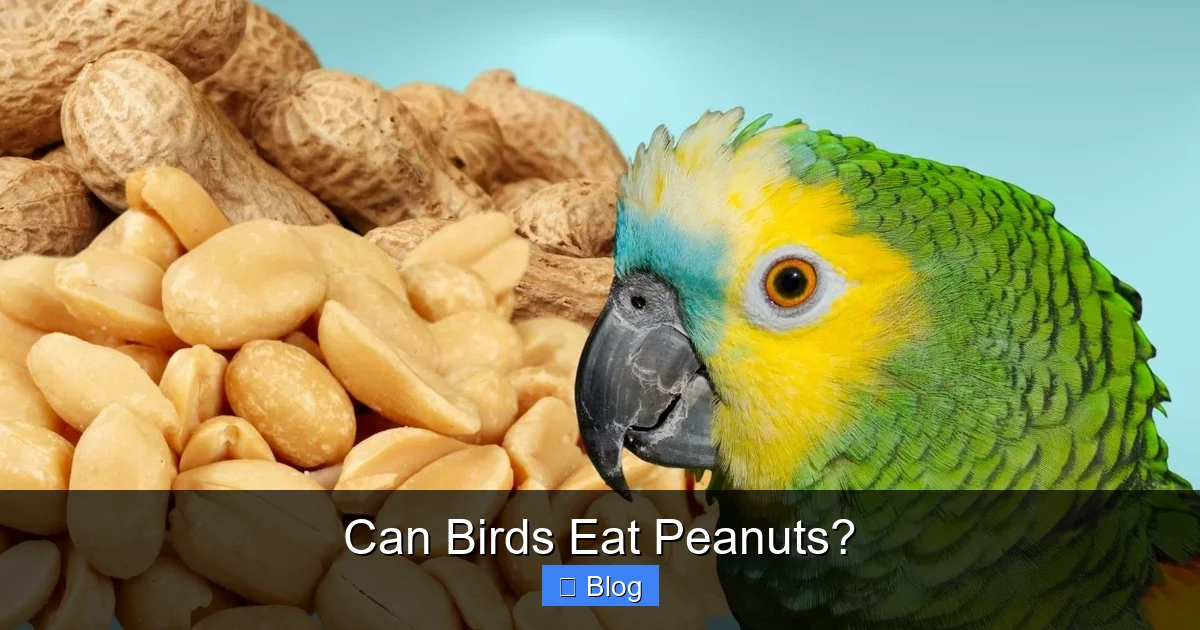
Yes, birds can eat peanuts, and they are a highly nutritious energy source! However, it’s crucial to offer them unsalted, unroasted (or dry-roasted only), and free from shells for smaller birds. Always be mindful of aflatoxin risk from improper storage and choose high-quality peanuts specifically for birds to ensure the safety and health of your feathered friends.
Can Birds Eat Peanuts?
Welcome, fellow bird enthusiasts! If you’ve ever set up a bird feeder in your backyard, you’ve probably wondered about the best snacks to offer your feathered visitors. The world of bird feeding is vast and sometimes a little confusing, with so many options available. Among the most popular, and often debated, choices are peanuts. You might have seen them advertised specifically for birds, or perhaps you’ve just considered tossing out some from your pantry. But the big question looms: Can birds eat peanuts, and more importantly, can they eat them safely?
It’s a fantastic question, and one that deserves a thorough answer. Peanuts are undeniably a high-energy, protein-rich food source, which sounds like a perfect treat for busy birds. After all, they spend their days flitting, foraging, and fending for themselves, needing all the fuel they can get. However, like many things in life, there’s a right way and a wrong way to offer this popular legume. Understanding the nuances—from the type of peanut to how it’s stored and presented—is crucial for the health and well-being of your beloved backyard birds. Let’s dive deep into the world of peanuts and discover how to make them a safe and nutritious part of your bird feeding routine.
Key Takeaways
- Peanuts are Nutritious: They are a high-energy food rich in fats, protein, and essential vitamins (like E and B), making them excellent for active birds, especially in colder months.
- Unsalted and Unroasted are Key: Always offer plain, unsalted peanuts. Dry-roasted or raw peanuts are acceptable, but never feed salted, flavored, or oil-roasted varieties, as these can be harmful to birds.
- Aflatoxin is a Major Risk: Peanuts, especially those stored improperly, can develop aflatoxins – toxic fungi that are highly dangerous to birds. Buy from reputable sources and store peanuts in a cool, dry, airtight container.
- Consider Shells and Size: Shelled, chopped peanuts are safer for smaller birds to prevent choking. Larger birds like jays and woodpeckers can handle peanuts in the shell.
- Feed in Moderation: While beneficial, peanuts should supplement a bird’s natural diet, not replace it. Offer them as part of a varied feeding station.
- Choose the Right Feeder: Mesh feeders or platform feeders are ideal for peanuts, preventing them from becoming soggy and minimizing waste. Keep feeders clean to prevent mold growth.
- Monitor Your Visitors: Observe which birds in your area enjoy peanuts and adjust your offerings based on their preferences and species-specific needs.
Quick Answers to Common Questions
Can I feed birds raw peanuts?
Yes, raw, unsalted peanuts are perfectly fine and highly nutritious for birds, provided they are of high quality and stored properly to prevent mold.
Are salted peanuts bad for birds?
Yes, absolutely. Salted peanuts are very harmful to birds as their bodies cannot process high levels of sodium, leading to dehydration and kidney problems.
What kind of feeder is best for peanuts?
Mesh feeders (wire mesh tubes or cages) are excellent for shelled or chopped peanuts, allowing birds to cling and extract pieces easily while keeping them dry.
Can small birds choke on whole peanuts?
Yes, whole peanuts can be a choking hazard for smaller birds like chickadees and titmice. It’s best to offer shelled and chopped peanut pieces for them.
How should I store peanuts for birds?
Store peanuts in a cool, dry, airtight container, ideally in a refrigerator or freezer, to prevent mold growth and the formation of dangerous aflatoxins.
📑 Table of Contents
The Nutritional Value of Peanuts for Birds
When we talk about whether birds can eat peanuts, the first thing to consider is what they offer nutritionally. And the good news is, from a nutritional standpoint, peanuts are a powerhouse! They are packed with essential components that can significantly benefit wild birds, especially during demanding times like nesting season, migration, or cold winter months when natural food sources are scarce.
A Powerhouse of Energy: Fats and Protein
The primary draw of peanuts for birds is their incredible energy content. Peanuts are rich in healthy fats, which provide a concentrated source of calories. For a small bird constantly burning energy to maintain body temperature, fly, and forage, these fats are invaluable. Think of them as tiny energy bars for your avian friends.
Beyond fats, peanuts also boast a substantial amount of protein. Protein is vital for muscle development, feather growth, and overall bodily repair. Young birds especially need plenty of protein for healthy development, and adult birds rely on it to maintain their strength and replace worn-out feathers during molting.
Essential Vitamins and Minerals
While fats and protein are the stars, peanuts also contribute a range of beneficial vitamins and minerals to a bird’s diet. They contain Vitamin E, an antioxidant that helps protect cells from damage, and several B vitamins, which are crucial for metabolism and nerve function. Minerals like magnesium and potassium, important for bone health and proper muscle function, are also present. So, when birds eat peanuts, they’re not just getting a quick energy boost; they’re also getting a helpful dose of micronutrients.
What Species Benefit Most?
Many bird species absolutely adore peanuts! You’ll often see larger birds like Blue Jays, Woodpeckers (downy, hairy, and red-bellied), and Northern Flickers eagerly devouring them. Smaller birds such as Nuthatches, Chickadees, and Titmice are also huge fans, often taking a peanut piece and flying off to cache it for later, a fascinating behavior to observe. These birds, with their active lifestyles and high metabolism, are perfectly adapted to utilize the dense nutrition that peanuts provide.
The “Why” Behind the “Can”: Safety Considerations for Feeding Peanuts
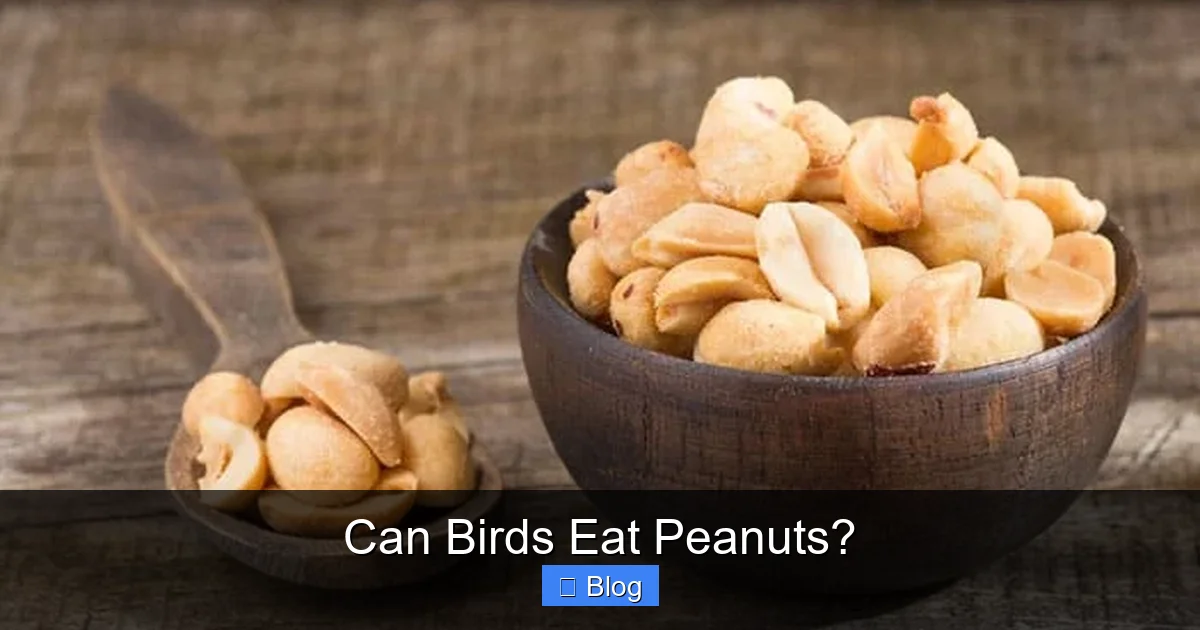
Visual guide about Can Birds Eat Peanuts?
Image source: birdingdepot.com
While the nutritional profile of peanuts is impressive, the “can” in “Can birds eat peanuts?” comes with important caveats regarding safety. It’s not just about *what* you feed, but *how* you feed it. Offering peanuts incorrectly can turn a beneficial snack into a dangerous one. Let’s explore the critical safety considerations.
Raw vs. Roasted vs. Salted: The Crucial Differences
This is perhaps the most important safety point. When feeding peanuts to birds, always remember:
- Unsalted is Non-Negotiable: Never, ever feed salted peanuts to birds. Birds’ kidneys are not equipped to handle high levels of sodium, and excess salt can lead to dehydration, kidney failure, and even death.
- Raw or Dry-Roasted are Best: Birds can eat peanuts that are raw and unshelled, or dry-roasted and unsalted. Dry-roasting simply removes moisture and enhances flavor without adding oils or salt.
- Avoid Oil-Roasted Peanuts: Peanuts roasted in oil often contain too much fat for birds, and the oils themselves can go rancid quickly, becoming harmful.
- Steer Clear of Flavored Peanuts: Any peanuts with added sugars, spices, or other flavorings are off-limits. These additives are unhealthy and potentially toxic for birds.
In summary: Think plain, plain, plain!
Shells On or Off? And the Choking Hazard
The presence of shells and the size of the peanut pieces are significant considerations, especially for smaller birds.
- For Smaller Birds: For species like chickadees, nuthatches, and titmice, whole peanuts, especially those in the shell, can pose a choking hazard. It’s best to offer shelled, raw, unsalted peanuts that have been chopped into smaller pieces. Many bird food suppliers sell “peanut pieces” specifically for this purpose.
- For Larger Birds: Larger birds like jays, woodpeckers, and grackles are generally adept at handling whole, shelled peanuts or even peanuts in the shell. They have stronger beaks to break open the shells and can manage larger pieces without issue. Offering peanuts in the shell can also provide a fun foraging challenge for them!
Aflatoxin: The Silent Danger
This is the most serious potential threat associated with feeding peanuts to birds, and it’s why many reputable bird feeding experts caution heavily about peanut quality and storage. Aflatoxins are highly toxic compounds produced by certain molds (Aspergillus flavus and Aspergillus parasiticus) that can grow on peanuts, corn, and other crops, especially when stored in warm, humid conditions.
- What Aflatoxins Do: Even in small amounts, aflatoxins can cause severe liver damage, immunosuppression, and death in birds. They are potent carcinogens.
- How to Prevent Exposure:
- Buy High-Quality: Purchase peanuts specifically marketed for birds from reputable suppliers. These products are usually subjected to stricter quality control and aflatoxin testing. Avoid peanuts intended for human consumption from the grocery store, as their quality standards for birds might not be sufficient.
- Inspect Carefully: Before putting them out, visually inspect peanuts for any signs of mold (powdery white, green, or black spots), discoloration, or a musty odor. Discard any suspicious peanuts immediately.
- Proper Storage: Store peanuts in a cool, dry, airtight container, ideally in a refrigerator or freezer, to prevent mold growth. Moisture is the enemy!
- Feeder Hygiene: Clean your peanut feeders regularly to prevent mold from growing on leftover peanut fragments, especially in damp weather.
Understanding and mitigating the risk of aflatoxin is paramount for the health of your backyard birds.
Best Practices for Serving Peanuts to Backyard Birds
Now that we understand the “why” behind the safety rules, let’s talk about the “how.” Providing peanuts responsibly will ensure your birds get all the benefits without any of the risks. Here are the best practices for feeding birds peanuts.
Choosing the Right Peanuts
- Source Matters: Always buy peanuts from a reputable bird food supplier. They are more likely to have undergone testing for aflatoxins and are typically sold unsalted and dry-roasted or raw.
- Freshness is Key: Don’t buy in bulk if you don’t use them quickly. Stale peanuts are more prone to mold.
- Read Labels: Double-check the packaging to ensure they are unsalted and unflavored. Many bird-specific peanuts will explicitly state they are “suitable for wild birds” and often mention aflatoxin screening.
Appropriate Feeders
The type of feeder you use can make a big difference in how effectively and safely birds can eat peanuts.
- Mesh/Tube Feeders: These feeders, often made of wire mesh, are ideal for shelled peanuts or peanut pieces. Birds can easily cling to the mesh and extract small pieces without waste. The mesh design also allows for good air circulation, which helps keep the peanuts dry and reduces mold risk.
- Platform Feeders: A platform or tray feeder can also work well, especially for whole, shelled peanuts or even in-shell peanuts for larger birds. Ensure the feeder has good drainage to prevent water from pooling and making the peanuts soggy.
- Suet Cages: A suet cage can sometimes be used to offer whole, shelled peanuts, giving birds a bit of a challenge to extract them.
Avoid feeders where peanuts can get packed tightly and retain moisture, as this promotes mold growth.
Quantity Control: Moderation is Key
While nutritious, peanuts should be a supplementary food, not the sole diet for wild birds. Their natural diet consists of a wide variety of seeds, insects, fruits, and nectar, depending on the species.
- Offer a Variety: Provide a diverse selection of foods at your feeding station, including black oil sunflower seeds, Nyjer seed, suet, and perhaps some fruit. This ensures birds receive a balanced diet.
- Small Portions: Start with a small amount of peanuts and see how quickly they are consumed. Only refill when the feeder is nearly empty. This prevents old peanuts from sitting around and potentially growing mold.
Storage Savvy
Proper storage is paramount for preventing aflatoxin.
- Airtight Containers: Store peanuts in a rigid, airtight container.
- Cool and Dry: Keep the container in a cool, dry place. A refrigerator or freezer is an excellent option, especially in warm, humid climates, as it significantly slows down mold growth.
- Label and Date: If buying in bulk, label the container with the purchase date to help you keep track of freshness.
Hygiene Matters
Cleanliness is next to bird-health-ness!
- Regular Cleaning: Clean your peanut feeders regularly, ideally every few days or weekly, especially during damp weather. Use a mild soap solution (like dish soap) and a scrub brush, then rinse thoroughly and allow to dry completely before refilling.
- Remove Old Peanuts: Don’t just top up feeders; empty out any old, uneaten peanuts before refilling with fresh ones.
Birds That Love Peanuts (and a Few That Don’t)
Observing which birds visit your feeder and what they choose to eat is one of the greatest joys of backyard birding. When it comes to peanuts, you’ll find a clear fan club!
Top Peanut Lovers
Many species are absolutely delighted when they discover a reliable source of peanuts. You can expect to see:
- Jays (Blue Jays, Steller’s Jays): These intelligent, boisterous birds are famous for their love of peanuts, often flying off with several whole peanuts to cache for later.
- Woodpeckers (Downy, Hairy, Red-bellied): Woodpeckers adore high-fat foods. They’ll cling to a mesh feeder or perch on a platform to pick out peanut pieces.
- Nuthatches (White-breasted, Red-breasted): These agile, upside-down climbers are frequent visitors to peanut feeders. They’ll grab a piece and often wedge it into bark to peck at it.
- Chickadees (Black-capped, Carolina): Tiny but mighty, chickadees will snatch a small peanut piece and dart away to consume it in a safe spot.
- Titmice (Tufted): Similar to chickadees, titmice are quick to grab and go with peanut fragments.
- Grackles, Starlings, and Blackbirds: While sometimes considered less desirable by some birders due to their aggressive feeding habits, these common visitors also highly appreciate peanuts.
These birds find the high-fat content of peanuts irresistible and highly beneficial for their active lifestyles.
Birds to Watch Out For
While most birds won’t be harmed by peanuts, some species might struggle with them or simply prefer other options:
- Smaller Finches (House Finches, American Goldfinches): These birds have smaller beaks designed for tiny seeds. While they might occasionally peck at finely chopped peanut pieces, they generally prefer Nyjer or black oil sunflower seeds. Whole peanuts or even larger pieces would be too difficult for them to handle and could pose a choking risk.
- Hummingbirds: Obviously, hummingbirds feed on nectar and tiny insects, so peanuts are not for them.
- Doves and Quail: Ground-feeding birds like doves and quail might eat very small peanut pieces if scattered on the ground, but they typically prefer millet or cracked corn.
Observing Your Local Avians
The best way to know what works for your backyard is to observe! Put out a small amount of appropriate peanuts and see who comes calling. You’ll quickly learn which species in your area are peanut enthusiasts and which prefer other offerings. This personalized approach ensures you’re meeting the specific needs and preferences of your local bird community.
Beyond the Feeder: Peanuts in Bird Ecology and Conservation
Feeding birds is more than just putting out food; it’s an interaction with local wildlife that can have broader implications. Providing peanuts, when done correctly, can contribute positively to local bird populations and our connection with nature.
Supplemental Feeding vs. Natural Diet
It’s vital to remember that feeding birds is a supplement to their natural diet, not a replacement. Wild birds are incredibly resourceful foragers, and their primary food sources should always come from their natural environment. A well-maintained habitat with native plants, water sources, and shelter is just as, if not more, important than the food in your feeder. Peanuts, as a high-energy boost, are particularly beneficial during harsh weather, migratory periods, or when natural food is scarce. By using them thoughtfully, we help birds thrive during challenging times, giving them an edge without making them overly dependent.
Educating Others
As responsible bird feeders, we have an opportunity to share our knowledge. When friends or neighbors ask about feeding birds, especially about popular items like peanuts, you can gently educate them about the importance of unsalted varieties, aflatoxin risk, and proper feeder hygiene. Spreading these best practices helps ensure that more birds are fed safely and responsibly across communities.
The Joy of Bird Watching
Ultimately, feeding birds, including offering safe peanuts, enhances our connection to the natural world right outside our windows. The sheer delight of watching a busy chickadee snatch a peanut piece, or a majestic blue jay cracking a shell, is a simple pleasure that enriches our lives. It allows us to observe natural behaviors up close, learn about different species, and foster an appreciation for wildlife conservation. Peanuts, when chosen and offered wisely, can be a wonderful tool for this connection.
Conclusion
So, can birds eat peanuts? The resounding answer is yes, absolutely! Peanuts can be a fantastic, high-energy, and nutritious food source for many backyard birds. However, this positive answer comes with a strong emphasis on responsibility and careful practice.
Remember these crucial points: always offer plain, unsalted, raw or dry-roasted peanuts. Prioritize quality and proper storage to mitigate the very real threat of aflatoxins. Consider the size of the peanut relative to the bird to prevent choking, offering shelled and chopped pieces for smaller visitors. Finally, make peanuts a part of a varied and balanced feeding station, supplementing a bird’s natural diet rather than replacing it.
By following these guidelines, you can confidently and safely provide a beloved treat to your feathered friends, ensuring their health and your continued enjoyment of the vibrant life they bring to your backyard. Happy bird feeding!
🎥 Related Video: How Birds Eat Peanuts
📺 CuriousCat
Have you ever wondered how palm cockatoos use their tongue to eat food? These rare and powerful parrots from northern …
Frequently Asked Questions
Are all peanuts safe for birds?
No, not all peanuts are safe. Only plain, unsalted, raw or dry-roasted peanuts should be offered to birds. Avoid any with salt, sugar, spices, or those roasted in oil, as these additives can be very harmful to their delicate systems.
What is aflatoxin and why is it dangerous for birds?
Aflatoxin is a toxic compound produced by certain molds that can grow on peanuts if they are stored in warm, humid conditions. It is extremely dangerous to birds, even in small amounts, causing severe liver damage, immunosuppression, and potentially death. Always buy high-quality bird-specific peanuts and store them properly.
Should I remove the shells from peanuts before offering them to birds?
It depends on the bird species. For smaller birds like chickadees and nuthatches, it’s safer to offer shelled and chopped peanut pieces to prevent choking. Larger birds like jays and woodpeckers can handle peanuts in the shell and often enjoy the challenge of opening them.
How often should I clean my peanut feeder?
You should clean your peanut feeder regularly, ideally every few days or at least weekly, especially during damp or humid weather. Regular cleaning helps prevent the buildup of mold and bacteria, which can be harmful to birds.
Can I just put out peanuts from my grocery store pantry for birds?
It’s generally not recommended to use grocery store peanuts intended for human consumption without careful verification. They are often salted, flavored, or oil-roasted, which are all harmful to birds. Additionally, the quality control for aflatoxin might not be as stringent for birds as for specific bird food products.
Do peanuts provide complete nutrition for birds?
While peanuts are highly nutritious, providing excellent fat and protein, they do not offer complete nutrition for birds on their own. They should be offered as part of a varied diet that includes other seeds, suet, and natural food sources, to ensure birds receive all the necessary vitamins and minerals for a balanced diet.