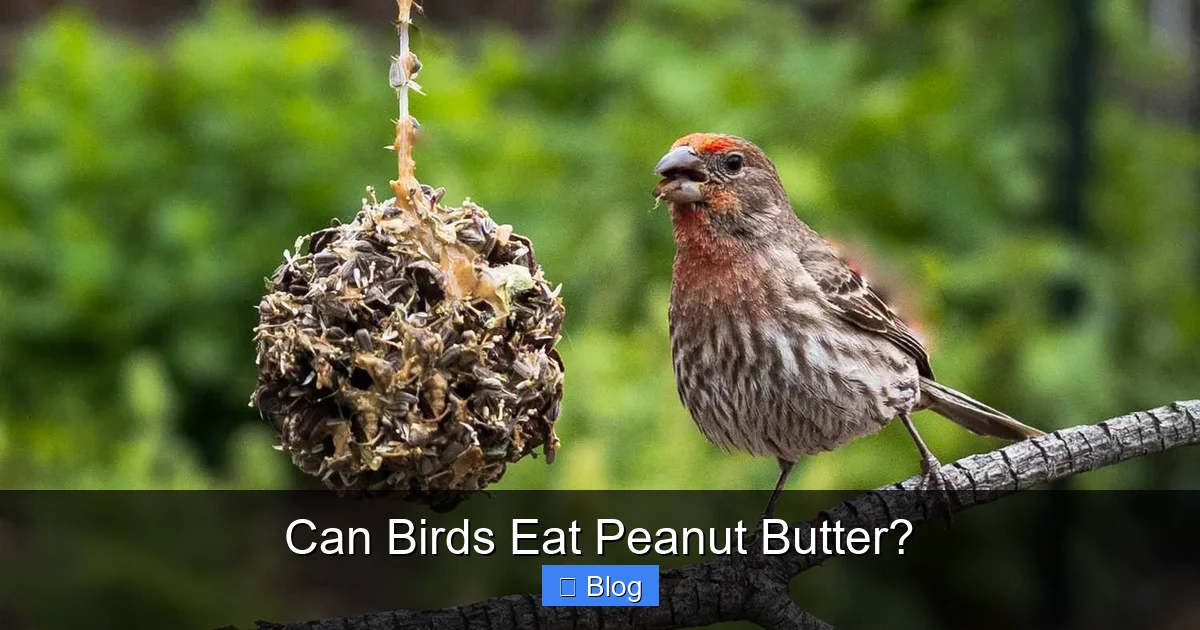
Yes, birds can eat peanut butter, but with important caveats! It’s a high-energy food many species enjoy, especially during colder months, offering vital fats and protein. However, you must always opt for unsalted, unsweetened varieties and offer it safely, typically spread thinly, to prevent choking hazards and ensure your feathered visitors stay healthy.
Imagine a chilly winter morning, the ground dusted with snow, and your backyard birds are eagerly flitting about, searching for their next meal. You might be enjoying a warm slice of toast with peanut butter yourself, and a thought might just pop into your head: “Can birds eat peanut butter too? Is it safe for them?” It’s a wonderfully common question that many bird enthusiasts and curious homeowners ask. And it’s a good one, because while birds do love a good treat, their diets are very specific, and what’s good for humans isn’t always good for our feathered friends.
The good news is that for the most part, yes, birds can eat peanut butter! It can be a fantastic, high-energy food source that offers a rich blend of fats and protein, which are especially vital during the colder months when natural food sources are scarce, or during the demanding breeding season. However, there are some very important “buts” and “how-tos” you absolutely need to know before you start slathering it on every tree branch in your yard. Feeding birds responsibly means understanding their unique dietary needs and potential risks.
In this comprehensive guide, we’ll dive deep into the world of birds and peanut butter. We’ll cover everything from choosing the right type of peanut butter to safe serving methods, and discuss both the benefits and potential risks. Our goal is to equip you with all the knowledge you need to safely and happily offer this popular pantry staple to your backyard birds, ensuring they thrive and continue to bring joy to your outdoor space.
Key Takeaways
- Unsalted & Unsweetened is Crucial: Always choose natural peanut butter with no added salt, sugar, artificial sweeteners (like xylitol), or other additives, as these can be toxic or harmful to birds.
- Avoid Choking Hazards: While the “dry mouth” myth is largely debunked, very thick, sticky globs of peanut butter can still pose a choking risk. Offer it spread thinly or mixed with other ingredients.
- High-Energy Treat: Peanut butter is rich in fats and protein, making it an excellent high-energy food source, especially valuable for birds during cold weather or breeding seasons.
- Moderation is Key: Peanut butter should be offered as a supplement or treat, not a primary food source. A balanced diet of seeds, nuts, fruits, and insects is essential for wild birds.
- Safe Serving Methods: Spread a thin layer on tree bark, a pinecone, or a special feeder. Mixing it with cornmeal or birdseed can also reduce stickiness and make it easier to consume.
- Observe and Clean: Monitor your bird visitors to ensure they are consuming it without difficulty. Regularly clean any feeders or surfaces used to prevent mold and bacterial growth.
Quick Answers to Common Questions
Can I give birds my regular peanut butter?
No, you should not give birds regular peanut butter because it almost always contains high levels of salt and sugar, which are harmful and potentially toxic to birds.
Do birds prefer smooth or crunchy peanut butter?
Birds can eat both smooth and crunchy peanut butter, but smooth is often easier for smaller birds to consume. The key is that it must be unsalted and unsweetened.
Is xylitol in peanut butter dangerous for birds?
Yes, xylitol is highly toxic to many animals, including birds. Always check the ingredients list and avoid any peanut butter containing artificial sweeteners like xylitol.
How often should I offer peanut butter to birds?
Peanut butter should be offered as an occasional treat or supplement, not as a primary food source. A few times a week, especially during cold weather, is a good frequency, ensuring moderation.
What types of birds like peanut butter?
Many common backyard birds enjoy peanut butter, including chickadees, titmice, nuthatches, woodpeckers, jays, and some sparrows.
📑 Table of Contents
The Short Answer: Yes, But With Caveats!
Let’s cut right to the chase: most common backyard birds *can* safely eat peanut butter, and many absolutely adore it! Species like chickadees, titmice, woodpeckers, nuthatches, jays, and even some sparrows are known to be big fans. The key, however, lies in understanding *which kind* of peanut butter and *how* to offer it. It’s not as simple as just grabbing the jar from your pantry.
Why the Caution? Understanding Bird Biology
Birds have incredibly fast metabolisms and delicate digestive systems. What might be harmless or even beneficial to a human can be toxic or problematic for a bird. Their small size means even tiny amounts of harmful substances can have a significant impact. This is why vigilance in choosing the right food is paramount. We need to respect their unique biology when considering if birds can eat peanut butter.
The Nutritional Appeal of Peanut Butter
So, why is peanut butter often recommended for birds? It’s a powerhouse of nutrients. Peanut butter is typically:
- High in Fat: Essential for energy, especially in cold weather.
- Rich in Protein: Crucial for muscle development, feather growth, and overall health.
- Packed with Vitamins and Minerals: Including B vitamins, Vitamin E, magnesium, and phosphorus.
These nutritional benefits make it a valuable supplement to a bird’s diet, provided it’s the right kind and offered correctly.
The Golden Rules: Choosing the Right Peanut Butter for Birds
Visual guide about Can Birds Eat Peanut Butter?
Image source: img.birding.pro
This is arguably the most critical section. The type of peanut butter you choose can make all the difference between a healthy treat and a dangerous snack.
Unsalted and Unsweetened: Non-Negotiables
This is the absolute golden rule. When considering if birds can eat peanut butter, always look for:
- No Added Salt: Birds’ kidneys are not equipped to handle high levels of sodium. Even small amounts of salt can lead to dehydration, kidney failure, neurological issues, and even death. Most commercially processed peanut butter contains a significant amount of salt.
- No Added Sugar: While birds are attracted to sweet flavors (think nectar-feeding birds), processed sugars found in many human foods are not good for them. They can lead to digestive upset, energy crashes, and provide no nutritional benefit.
- No Artificial Sweeteners: This includes common sugar substitutes like xylitol. Xylitol is highly toxic to dogs and can be equally dangerous, if not more so, to birds, causing liver failure and hypoglycemia. Always check the ingredients list.
Look for “natural” or “organic” peanut butter that lists only “peanuts” or “peanuts and palm oil” (palm oil in very small amounts as an emulsifier is generally considered safe, but 100% peanuts is ideal). If you can’t find one that specifically states “no salt” or “no sugar,” check the nutritional label for 0mg sodium and 0g added sugars.
Smooth vs. Crunchy: Which is Better?
Both smooth and crunchy peanut butter are acceptable, as long as they meet the unsalted and unsweetened criteria. However, there’s a slight preference:
- Smooth Peanut Butter: Often easier for smaller birds to consume. It’s also simpler to spread and mix.
- Crunchy Peanut Butter: Contains small pieces of peanuts, which can add texture and appeal for some birds, particularly larger ones. Ensure the pieces are not excessively large to avoid choking hazards for smaller species.
The key is the overall consistency and how you serve it, rather than just the presence of small peanut bits.
Organic and Natural Options: A Bonus
While not strictly necessary, opting for organic and natural peanut butter can offer additional peace of mind. These options are less likely to contain pesticides, preservatives, or other additives that might be harmful. Many brands now offer excellent 100% peanut-only varieties, which are perfect for your feathered visitors.
What About Xylitol or Other Additives?
Absolutely avoid any peanut butter that lists xylitol or other artificial sweeteners. These are dangerous. Similarly, steer clear of peanut butter with chocolate flavoring (chocolate is toxic to many animals, including birds), or any other unusual ingredients. Stick to pure, unadulterated peanut butter. Your caution here directly impacts if birds can eat peanut butter safely.
Safe Serving: How to Offer Peanut Butter to Your Feathered Friends
Once you’ve chosen the right type of peanut butter, the next crucial step is to serve it in a way that is safe and accessible for birds.
Avoiding Choking Hazards: The Dry Mouth Myth and Real Risks
You may have heard a myth that peanut butter can stick to a bird’s palate and choke them because they lack saliva. This “dry mouth” myth has largely been debunked by ornithologists. Birds do produce saliva, and their digestive systems are quite efficient. However, the *consistency* of very thick, sticky peanut butter can still pose a risk, especially for smaller birds. A large glob could be difficult to swallow and potentially obstruct their airway or block their nostrils, particularly if it’s packed tightly into a feeder hole.
The goal is to reduce the stickiness and make it easier to consume.
Spreading It Thin: Safe Application Methods
The best way to serve peanut butter is by spreading it thinly:
- On Tree Bark: Find a rough patch of bark on a tree and spread a thin layer. This mimics how birds would forage naturally and encourages them to peck off small pieces.
- Pinecone Feeder: This is a classic! Take a pinecone, spread peanut butter into the crevices, and then roll it in birdseed (like black oil sunflower seeds, nyjer, or chopped peanuts). Hang it from a branch. This method reduces the stickiness and adds extra nutrition.
- Specialty Peanut Butter Feeders: Many bird supply stores sell feeders specifically designed for peanut butter. These often have a small cavity or a textured surface that allows birds to peck at it without getting too much at once.
Creative Serving Ideas for Your Backyard Birds
Beyond the basics, here are a few more creative and safe ways to offer peanut butter:
- Mixed with Cornmeal: To further reduce stickiness, you can mix unsalted, unsweetened peanut butter with an equal part of cornmeal or quick oats. This creates a crumbly texture that’s much easier for birds to manage. You can then press this mixture into a suet cage or smear it on a feeder.
- Homemade Suet Cakes: Incorporate peanut butter into homemade suet cakes. Melt suet or lard, mix in peanut butter, birdseed, chopped nuts, and dried fruits, then let it set in a mold. This provides a powerhouse of energy.
- Small Dollops in a Dish: For larger birds like jays, you can place very small, pea-sized dollops in a shallow dish on a platform feeder. Ensure the dish is clean and easily accessible.
Hygiene and Maintenance: Keeping Feeders Clean
No matter how you serve it, hygiene is crucial. Peanut butter can spoil, especially in warm weather, and become a breeding ground for bacteria or mold.
- Clean Regularly: If you’re using a feeder or dish, clean it thoroughly with hot, soapy water and rinse well every few days, or more often in humid or warm conditions.
- Replace Frequently: Only put out small amounts of peanut butter at a time and replace it every 2-3 days, or sooner if it looks old or moldy.
- Avoid Direct Sunlight: If possible, place feeders in shaded areas to slow down spoilage.
Benefits and Risks: A Balanced Perspective
While we’ve established that birds can eat peanut butter, it’s important to understand the full picture, weighing its advantages against potential drawbacks.
High-Energy Boost: Especially in Winter
As mentioned, peanut butter is an excellent source of calories, fats, and protein. This makes it particularly beneficial during:
- Cold Weather: Birds need extra energy to maintain their body temperature.
- Migration: Long flights require immense energy reserves.
- Breeding Season: Parent birds need extra nutrition to feed themselves and their demanding chicks.
It’s a dense food, meaning a small amount provides a lot of energy, which is perfect for their high metabolic rates.
Attracting Diverse Species
Offering peanut butter can diversify the types of birds visiting your yard. Birds that might not typically frequent seed feeders, like some woodpeckers and nuthatches, are often drawn to peanut butter. This can enrich your bird-watching experience and contribute to the local ecosystem’s health.
Potential Risks: Salt, Sugar, and Allergies
We’ve extensively covered the risks of salt and sugar, but it’s worth reiterating. These are the primary dangers with commercial peanut butter. Always double-check ingredients.
While less common, some individual birds might also have sensitivities or allergies, just like humans. Observe any new food you introduce and discontinue if you notice any adverse reactions.
Moderation is Key
Think of peanut butter as a supplement or a treat, not a primary food source. A bird’s diet should primarily consist of a variety of high-quality birdseed (like black oil sunflower seeds, safflower, nyjer), fresh water, and natural foods found in their environment (insects, berries, natural seeds). Offering too much peanut butter can lead to an unbalanced diet, causing them to miss out on other essential nutrients. A little goes a long way!
Beyond Peanut Butter: Other Bird-Friendly Treats
If you’re already thinking about offering peanut butter, you’re likely interested in other ways to spoil your feathered friends. Here are some other safe and enjoyable options:
Nuts and Seeds Galore
- Black Oil Sunflower Seeds: A universal favorite, rich in fat and protein.
- Nyjer (Thistle) Seeds: Loved by finches for their high oil content.
- Safflower Seeds: A good option if you want to deter squirrels and larger, more aggressive birds, as many smaller birds enjoy them.
- Chopped Peanuts (Unsalted, Dry Roasted): Excellent source of protein and fat. Make sure they are small pieces to avoid choking, especially for smaller birds.
- Acorns & Walnuts: For larger birds like jays and woodpeckers.
Fruits and Vegetables
Offer fresh, pesticide-free options:
- Apples (cored, sliced): Provide moisture and vitamins.
- Oranges (halved): Attract orioles and other fruit-eating birds.
- Berries: Blueberries, raspberries, currants – many birds love these.
- Grapes (halved): Another sweet treat.
- Corn (cracked or dried): Attracts jays, doves, and squirrels.
Always remove seeds from apples and other fruits that contain cyanide compounds potentially harmful to birds.
Suet and Other Fat-Based Options
Especially good for winter:
- Commercial Suet Cakes: Many varieties available, often mixed with seeds or mealworms.
- Rendered Beef Fat: A pure source of energy.
- Mealworms (Live or Dried): A protein-rich favorite for many insectivorous birds.
What NOT to Feed Birds
Just as important as knowing what to feed is knowing what to avoid:
- Bread Products: Offer very little nutritional value and can fill birds up, preventing them from seeking healthier foods.
- Avocado: Contains persin, which is toxic to many birds.
- Chocolate: Contains theobromine, toxic to birds.
- Salty or Sugary Human Snacks: Chips, cookies, candy – all are harmful.
- Milk/Dairy Products: Birds are lactose intolerant.
- Processed Foods: Anything highly processed with unknown ingredients.
- Spoiled or Moldy Food: Can cause illness.
Conclusion
So, can birds eat peanut butter? The answer is a resounding “yes,” provided you follow the right guidelines. By choosing unsalted, unsweetened varieties and offering it safely and in moderation, you can provide a fantastic, high-energy treat that many of your backyard birds will absolutely adore. It’s a simple way to supplement their natural diet, especially during challenging seasons, and can help you attract a wider variety of feathered friends to your garden.
Remember, responsible bird feeding is all about understanding their needs and taking precautions. Always prioritize the health and safety of your avian visitors. Keep their feeders clean, offer a diverse range of appropriate foods, and enjoy the vibrant life that a well-maintained bird feeding station can bring to your outdoor space. Happy bird feeding!
🎥 Related Video: How Birds Eat Peanuts
📺 CuriousCat
Have you ever wondered how palm cockatoos use their tongue to eat food? These rare and powerful parrots from northern …
Frequently Asked Questions
What kind of peanut butter is safe for birds?
The safest peanut butter for birds is all-natural, unsalted, and unsweetened, with an ingredients list that ideally contains only “peanuts.” Avoid any varieties with added salt, sugar, artificial sweeteners (especially xylitol), or other additives.
How can I prevent peanut butter from being a choking hazard?
To prevent choking, spread peanut butter thinly on surfaces like tree bark or pinecones. You can also mix it with cornmeal or birdseed to reduce its stickiness, making it easier for birds to consume in small, manageable pieces.
Can baby birds eat peanut butter?
It’s generally not recommended to feed baby birds peanut butter. Their delicate digestive systems and specific nutritional needs are best met by their parents’ natural diet of insects and other soft foods. If you find a baby bird, it’s best to contact a wildlife rehabilitator.
Does peanut butter attract unwanted pests like squirrels or rats?
Yes, like most bird foods, peanut butter can attract squirrels, chipmunks, and potentially rats due to its high fat and protein content. To mitigate this, offer small amounts, clean up any uneaten portions promptly, and consider squirrel-proof feeders or placing feeders away from easy access points for rodents.
Can peanut butter spoil or go bad when left outside?
Yes, peanut butter can spoil, especially in warm or humid weather. It can become rancid or develop mold, which can be harmful to birds. Always put out small amounts that will be consumed quickly and regularly clean the feeding surfaces to prevent spoilage and bacterial growth.
Are there any specific bird species that should not eat peanut butter?
While most seed-eating or omnivorous birds can safely consume appropriate peanut butter, specific dietary needs vary greatly. However, the primary concern is the *type* of peanut butter and *how* it’s offered, rather than specific species. Any bird consuming too much salted or sugared peanut butter would be at risk, regardless of species.