
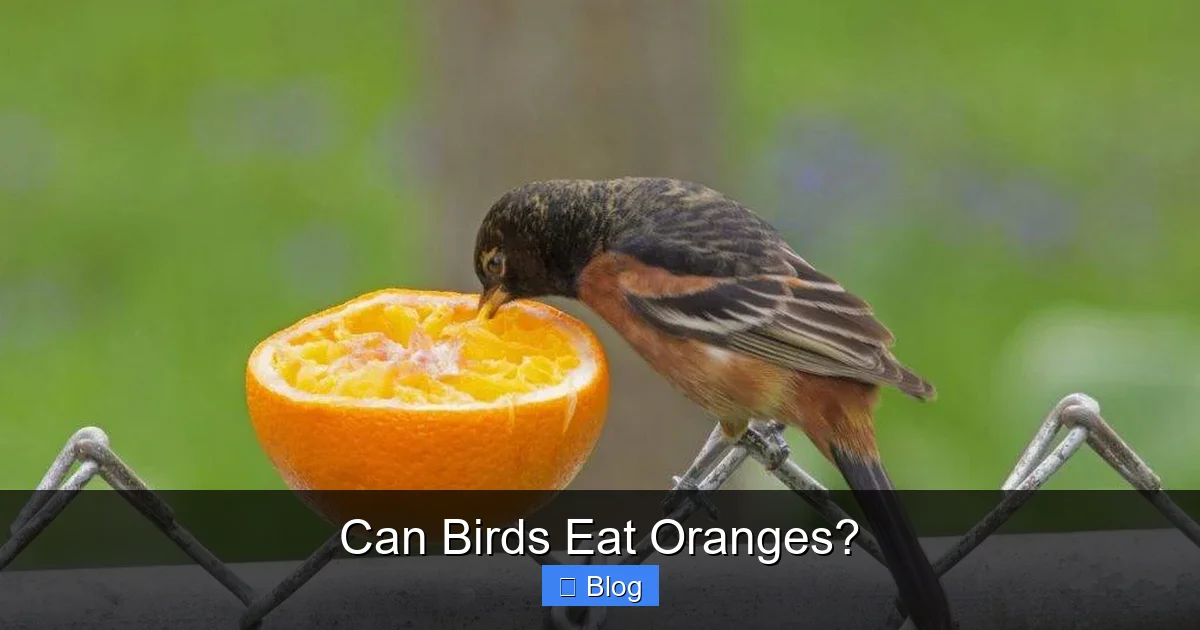
Yes, birds can eat oranges, but always in moderation! Oranges offer valuable Vitamin C, hydration, and other nutrients for many bird species. However, avoid feeding seeds, moldy fruit, or heavily processed orange products. Always prioritize safety, freshness, and a balanced diet for your feathered visitors or pets.
Have you ever wondered about your feathered friends and their diets? Perhaps you’re enjoying a juicy orange and a little bird hops by, looking at you with curiosity. A common question that pops into the minds of many bird lovers is, “Can birds eat oranges?” It’s a fantastic question because we all want to ensure our beloved birds, whether wild visitors or cherished pets, are eating safely and healthily.
The world of bird diets can seem a bit complex. What’s good for one bird might not be suitable for another. Fruits, in particular, often spark questions. Oranges, with their bright color and strong scent, are definitely on that list. Are they a sweet treat or a potential no-go? Let’s dive into the juicy details and explore everything you need to know about feeding oranges to birds. We’ll cover the benefits, potential risks, and the best ways to offer this citrusy delight.
So, if you’re keen on offering a varied and nutritious diet to the birds around you, or if you simply want to broaden your understanding of avian nutrition, you’ve come to the right place. We’ll make it simple and clear, so you can confidently answer the question: Can birds eat oranges?
Key Takeaways
- Yes, in Moderation: Most birds can safely eat small amounts of fresh orange. It’s a healthy treat, not a primary food source.
- Nutritional Boost: Oranges are packed with Vitamin C, antioxidants, and water, which can be beneficial, especially during specific times like breeding season or molting.
- Preparation Matters: Always remove seeds and tough rind before offering. Cut the orange into small, manageable pieces or halves for easy access.
- Avoid Processed Products: Never give birds orange juice, candied oranges, or any product with added sugars, artificial sweeteners, or preservatives.
- Observe and Adjust: Pay attention to your birds’ reactions. If they don’t show interest or if you notice any digestive upset, stop offering oranges.
- Not All Birds Are Alike: While many wild and pet birds enjoy oranges, some species might not be interested, or it might not be suitable for their specific dietary needs.
- Hygiene is Crucial: Remove uneaten orange pieces within a few hours to prevent mold growth and attract pests, especially in warm weather.
Quick Answers to Common Questions
Is orange peel safe for birds to eat?
While small amounts of thoroughly washed, organic orange peel might not be toxic, it’s generally best to remove the tough outer rind, especially for smaller birds. The peel can be difficult to digest and may contain pesticide residues even after washing.
Can baby birds eat oranges?
No, baby birds should not be fed oranges or any other solid food. Baby birds have very specific dietary needs, typically consuming insects or regurgitated food from their parents. Offering them solid fruit can cause choking or digestive issues.
How often can I give oranges to my pet bird?
For most pet birds, offering a small, seedless piece of orange (e.g., a thumbnail-sized portion for a small bird, or a half-inch cube for a larger parrot) once or twice a week is plenty. Overfeeding can lead to digestive upset due to acidity and sugar.
Do oranges attract specific types of birds?
Yes, oranges are particularly known for attracting fruit-eating birds like orioles, tanagers, mockingbirds, and catbirds. Some woodpecker species like Northern Flickers may also be drawn to them. Their bright color and sweet scent are appealing to these species.
What should I do if a bird eats an orange seed?
If a bird accidentally eats one orange seed, it’s unlikely to cause serious harm due to the small amount of cyanide present. However, continuously consuming seeds or eating a large quantity could be dangerous. Always remove seeds as a preventative measure.
📑 Table of Contents
The Simple Answer: Yes, But With Caveats!
Let’s get straight to the point. The good news is, yes, most birds can eat oranges. However, like many good things in life, moderation is key. Think of oranges as a special treat or a supplement to their regular diet, not a main meal. They can offer some wonderful nutritional benefits, but there are also important things to keep in mind to ensure safety.
The Good News About Oranges for Birds
Oranges are generally safe for birds. Many species actually enjoy the taste! They can provide a nice boost of certain nutrients. For instance, the high water content can be great for hydration, especially during hot weather or for birds that don’t always have easy access to water sources. Plus, the vibrant color often attracts birds, making it a popular option for feeders.
Potential Downsides and What to Avoid
While birds can eat oranges, there are a few important “don’ts.” The main thing is to avoid the seeds. Orange seeds contain small amounts of cyanide, which can be harmful if consumed in large quantities. Also, skip the tough, outer rind for smaller birds, as it can be hard to digest and might contain pesticide residues if not organic and thoroughly washed. Never offer moldy oranges or oranges that have been sitting out for too long. Freshness is always paramount when considering if birds can eat oranges.
Nutritional Benefits: Why Oranges Can Be Good
Visual guide about Can Birds Eat Oranges?
Image source: petsfoodsafety.com
When offered correctly, oranges can be a beneficial addition to a bird’s diet. They are more than just a tasty snack; they come packed with several important nutrients that can support a bird’s overall health. This is a big reason why many ask, “Can birds eat oranges?” – because they want to provide the best for their feathered friends.
A Rich Source of Vitamin C
One of the most well-known benefits of oranges is their high Vitamin C content. Just like in humans, Vitamin C is an important antioxidant for birds. It helps boost their immune system, keeping them strong and healthy. It also plays a role in tissue repair and overall well-being. While birds can produce their own Vitamin C, an extra boost from natural sources like oranges can still be beneficial, especially during stressful times or when their immune system might be under strain.
Hydration and Other Vitamins
Oranges are mostly water. This makes them an excellent source of hydration, which is vital for all birds. Adequate water intake helps with digestion, regulates body temperature, and ensures all bodily functions work correctly. Beyond Vitamin C, oranges also contain small amounts of other vitamins and minerals, such as some B vitamins and potassium, contributing to a bird’s balanced nutrition. This hydration factor is a key reason why wild birds might seek out fruit, reinforcing why birds can eat oranges in the right circumstances.
Fiber for Digestion
The pulp of an orange provides dietary fiber. Fiber is crucial for a healthy digestive system. It helps food move smoothly through the gut and can prevent constipation. For birds, a healthy gut means better absorption of nutrients from all their food. So, a little bit of orange can contribute to good digestive health, ensuring that birds can eat oranges without issue.
Which Birds Enjoy Oranges?
It’s great to know that birds can eat oranges, but you might be wondering which specific birds are likely to enjoy them. The truth is, many different species, both wild and domesticated, can show an interest in this citrus fruit.
Wild Birds That Love Citrus
Many common backyard birds are quite fond of oranges. Orioles are perhaps the most famous orange lovers. Their bright colors often match the fruit, and they are frequently seen feasting on orange halves at feeders. Tanagers, mockingbirds, catbirds, and even some woodpeckers like Downy Woodpeckers and Northern Flickers are known to enjoy oranges. Waxwings, grosbeaks, and cardinals might also take a peck. Offering oranges can be a wonderful way to attract a wider variety of colorful birds to your garden or feeding station. So, if you’re asking, “Can birds eat oranges to attract them?” the answer is often yes for these species!
Pet Birds and Oranges
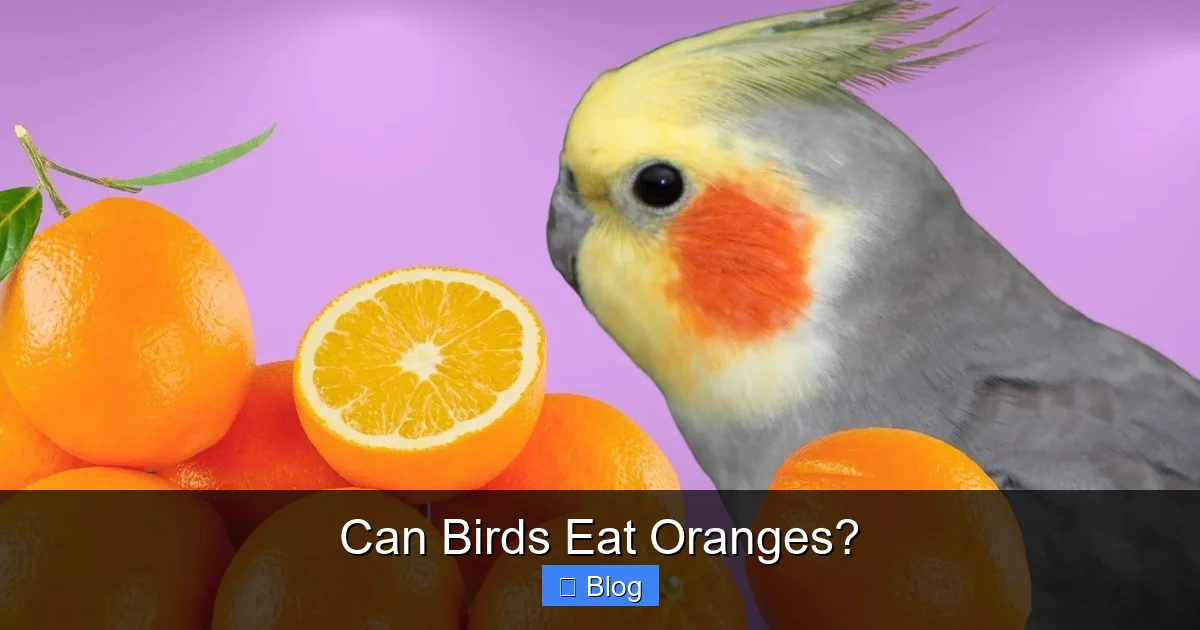
If you have pet birds like parrots (e.g., cockatiels, parakeets, conures, macaws, African greys), finches, or canaries, they can also safely enjoy small amounts of orange. Parrots, in particular, often enjoy tearing into the juicy pulp. For pet birds, moderation is even more important, as their diet is more controlled. Always introduce new foods slowly and in small amounts to avoid upsetting their stomach. Your vet can provide specific advice on your pet bird’s diet if you have concerns about whether birds can eat oranges for their particular species.
A Note on Species-Specific Diets
While many birds can eat oranges, it’s important to remember that every bird species has a unique dietary need. Some birds are strict insectivores, while others are primarily seed-eaters. Even within fruit-eating birds, preferences vary. Always ensure that oranges, or any other treat, complement their primary diet and do not replace essential foods like seeds, insects, or specialized pellets. This ensures that when we say “birds can eat oranges,” it’s within the context of a balanced diet for that specific bird.
How to Safely Offer Oranges to Birds
Knowing that birds can eat oranges is one thing, but knowing *how* to offer them safely is just as important. Proper preparation and presentation can make all the difference in making this a positive experience for your feathered visitors or pets.
Preparation is Key
The way you prepare an orange for birds is crucial for their safety.
- Wash Thoroughly: Always wash the orange well, even if you plan to remove the rind. This helps to wash off any potential pesticides or dirt.
- Remove Seeds: This is the most important step. Carefully cut the orange and remove all seeds. As mentioned, orange seeds contain small amounts of cyanide and should not be consumed by birds.
- Peel for Smaller Birds: For smaller birds, or to make it easier for any bird to access the pulp, you can peel the orange entirely.
- Cut into Manageable Pieces: For wild birds, you can cut an orange in half and place it on a feeder or impale it on a branch. For pet birds, cut the orange into small, bite-sized wedges or cubes. This prevents choking hazards and makes it easier for them to eat.
By following these simple steps, you ensure that birds can eat oranges safely and enjoyably.
How Much is Too Much?
Moderation is paramount. For wild birds, offering one or two orange halves a few times a week is generally plenty. For pet birds, a small piece (the size of your thumbnail for a smaller bird, or a half-inch cube for a larger parrot) once or twice a week is usually sufficient. Overfeeding citrus can lead to digestive upset due to its acidity and sugar content. Always observe your birds. If you notice any loose droppings or disinterest, reduce the amount or stop offering it.
Placement and Presentation Tips
Where and how you offer oranges can influence whether birds will eat them.
- Dedicated Fruit Feeders: Many bird supply stores sell special feeders designed for fruit, often with spikes to hold orange halves.
- Platform Feeders: Cut orange pieces can be placed on a clean platform feeder.
- Branches: You can impale orange halves on sturdy, clean branches.
- Pet Bird Cages: Offer small pieces in a clean dish or clip them to the side of the cage.
- Freshness: Always remove uneaten orange pieces within a few hours, especially in warm weather. Oranges can quickly mold or attract unwanted insects and pests. Regular cleaning of feeding stations is vital.
This careful approach means that birds can eat oranges with minimal risk.
What to Avoid Completely
When thinking, “Can birds eat oranges?”, it’s equally important to know what *not* to offer:
- Orange Seeds: As already noted, always remove them.
- Moldy Oranges: Never offer fruit that shows any sign of mold. This can be very dangerous for birds.
- Processed Orange Products: This includes orange juice, orange jelly, canned oranges, or any other product with added sugars, artificial sweeteners, preservatives, or other ingredients not natural to a whole orange. These can be harmful.
- Heavily Treated Rind: If you’re offering the rind, ensure it’s from an organic orange and thoroughly scrubbed to remove any pesticide residues. For most birds, it’s safer just to offer the pulp.
Sticking to fresh, pure orange fruit is the safest way to provide this treat.
Alternatives and Complementary Treats
While birds can eat oranges, it’s good to know there are many other safe and healthy options available. A diverse diet is always best, providing a wider range of nutrients and keeping mealtime interesting for your feathered friends.
Other Safe Fruits for Birds
Beyond oranges, many other fruits are safe and beneficial for birds.
- Apples: (without seeds, chopped)
- Berries: Blueberries, strawberries, raspberries (in moderation)
- Melons: Watermelon, cantaloupe, honeydew (without seeds)
- Grapes: (cut in half for smaller birds)
- Bananas: (peeled)
Always remember to wash fruits thoroughly, remove seeds and pits (as many contain cyanide), and offer them in small, manageable pieces.
Seeds, Nuts, and Other Staples
Oranges and other fruits are great as treats, but the core of most bird diets should still be their species-appropriate staple foods. For wild birds, this means a good quality seed mix, suet, mealworms, and nectar for hummingbirds. For pet birds, high-quality pellets, a variety of seeds (in appropriate amounts), and fresh vegetables should form the bulk of their diet. Variety ensures they get all the necessary proteins, fats, carbohydrates, and micronutrients. So, while birds can eat oranges, they can’t live on them.
The Importance of a Balanced Diet
Ultimately, the goal is a balanced and varied diet. Just like humans, birds thrive when they receive a wide array of nutrients. Treats like oranges should make up a small percentage of their overall food intake, perhaps 5-10% at most. The rest should come from their primary food sources. This approach supports long-term health, strong immunity, and vibrant energy. It ensures that when you offer an orange, you’re enhancing their diet, not disrupting it.
Conclusion
So, can birds eat oranges? The answer is a resounding yes, with thoughtful consideration and proper preparation! Oranges can be a wonderful, nutrient-rich treat for many bird species, providing a valuable boost of Vitamin C, hydration, and fiber. They can even add a splash of color and excitement to your bird feeder, attracting beautiful orioles, tanagers, and other fruit-loving birds.
Remember the golden rules: moderation, freshness, and safety. Always remove seeds, offer clean, fresh fruit, and avoid anything processed or moldy. By following these simple guidelines, you can confidently share this tasty citrus fruit with your feathered friends, knowing you’re offering them a safe and healthy snack. Enjoy the delight of watching birds savoring their orange treat, and take pride in knowing you’re contributing to their well-being with informed and loving care!
🎥 Related Video: 8 Kitchen Scraps You Can Feed to Wild Birds
📺 Garden Buildings Direct
We can never deny the fact that the number of wild birds in the UK is decreasing at a worrying pace. The good thing is, …
Frequently Asked Questions
Are oranges too acidic for birds?
While oranges are acidic, most birds can tolerate small amounts without issue. Their digestive systems are quite robust. The key is moderation; too much citrus could potentially cause digestive upset, so offer it as an occasional treat.
Can birds get sick from eating too many oranges?
Yes, birds can get sick from eating too many oranges. Overfeeding can lead to digestive issues like loose droppings or diarrhea due to the high sugar and acid content. It’s always best to offer oranges in small, controlled portions as part of a varied diet.
What is the best way to offer oranges to wild birds?
The best way to offer oranges to wild birds is to cut a fresh, seedless orange in half and place it on a platform feeder or impale it on a branch. You can also use special fruit feeders designed for oranges. Remember to remove uneaten fruit promptly to prevent mold.
Do oranges provide any unique benefits that other fruits don’t?
Oranges are particularly well-known for their high Vitamin C content and excellent hydration properties. While other fruits offer different nutrient profiles, oranges stand out for these specific benefits, making them a good occasional supplement to a bird’s diet.
Can I give birds orange juice?
No, you should not give birds orange juice. Orange juice often contains added sugars, preservatives, or artificial ingredients that are harmful to birds. Even pure orange juice is too concentrated in sugar and acid for a bird’s delicate digestive system.
How long can oranges stay out in a bird feeder?
Oranges should not stay out in a bird feeder for more than a few hours, especially in warm or humid weather. They can quickly mold, ferment, or attract unwanted pests like wasps and ants. Always remove and discard uneaten portions to maintain hygiene.